What getting faster on the bike actually means and why it matters?
Getting faster at cycling is not just about pushing harder. It’s about improving power output, efficiency, and execution so you can ride at higher speeds for the same effort.
Speed on the bike comes from:
- Producing more power
- Reducing resistance
- Maintaining effort over time
Most cyclists plateau not because they’ve reached their limit, but because they’re not targeting the right areas.
Build more power (the foundation of speed)
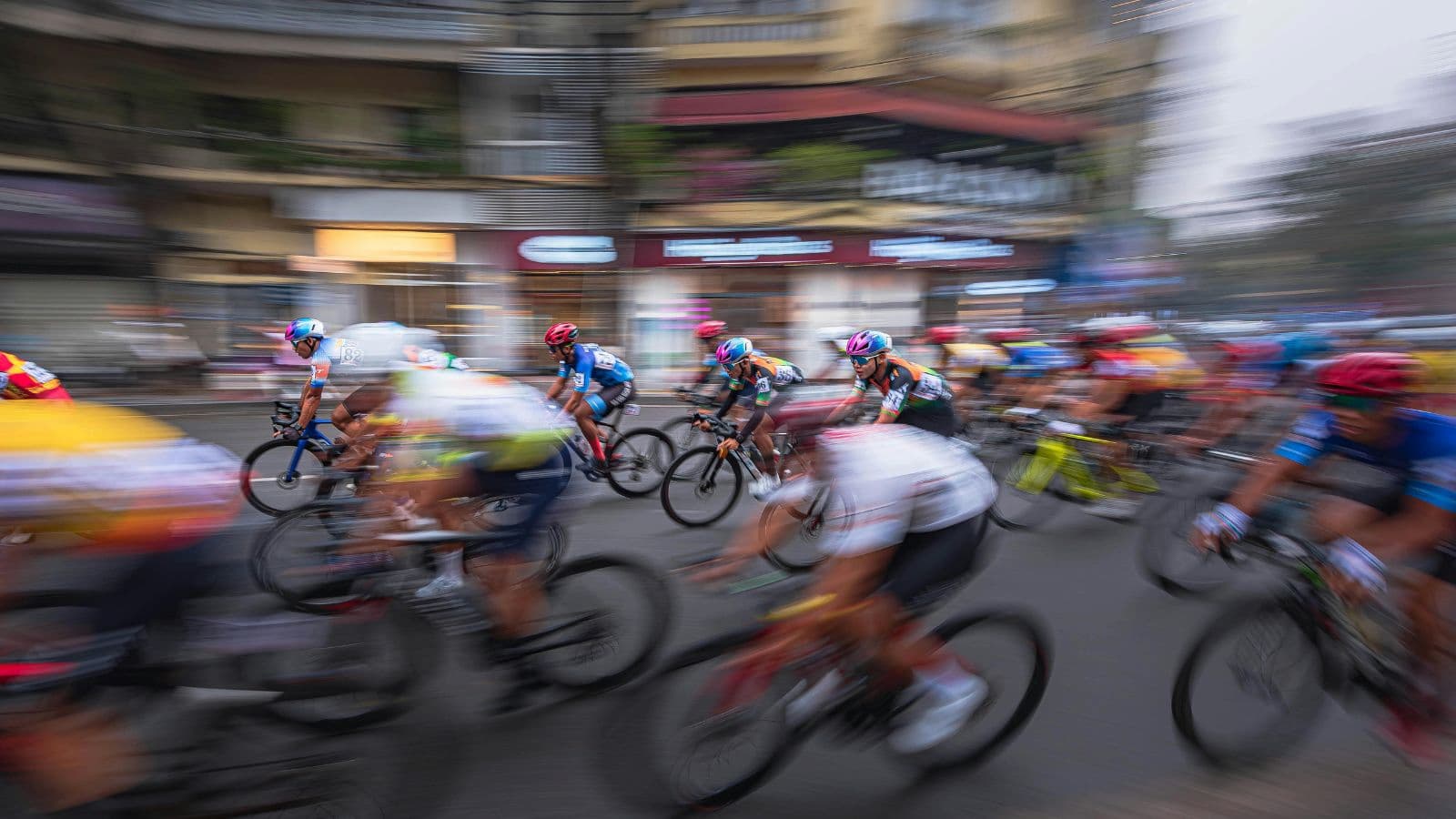
Speed starts with power. The more force you can sustain through the pedals, the faster you go.
How to improve power?
- Include structured interval sessions
- Ride at controlled high effort for short periods
- Focus on consistency, not random intensity
What matters:
- Quality over quantity
- Repeatable efforts
- Gradual progression
You don’t need to ride harder every day, you need specific sessions that push your limits.
Improve your aerobic base
Your aerobic system determines how long you can sustain effort. When we talk about being ‘more aero’ we’re actually talking about reducing how much drag we create, and therefore optimizing the overall cycling aerodynamics.
A strong base allows you to:
- Maintain speed for longer
- Recover between harder efforts
- Avoid early fatigue
How to build it?
- Include longer, steady rides
- Keep effort controlled
- Focus on duration, not speed
This is the foundation for all performance gains.
Ride more efficiently
Efficiency determines how much energy you waste.
Better efficiency = more speed without more effort.
Key areas to improve
- Smooth pedal stroke
- Consistent cadence
- Relaxed upper body
Avoid:
- Excessive upper body movement
- Grinding at low cadence
- Tension in shoulders and arms
Efficiency gains often lead to immediate improvements.
Optimize your position on the bike
Aerodynamics plays a major role in cycling speed.
What to focus on?
- Lower, more aerodynamic position
- Stable upper body
- Minimal unnecessary movement
Small changes in position can significantly reduce drag and increase speed.
Pace your efforts properly
Poor pacing limits speed more than lack of fitness.
Common mistakes
- Starting too hard
- Surging effort unnecessarily
- Fading later in the ride
What to do instead:
- Keep effort steady
- Build into your ride
- Avoid unnecessary spikes
Use cadence effectively
Cadence influences both efficiency and fatigue.
What to aim for?
- Moderate to high cadence
- Smooth, consistent pedaling
- Avoid excessive grinding
Higher cadence helps:
- Reduce muscular fatigue
- Maintain speed under load
Train with purpose, not just volume
Riding more doesn’t automatically make you faster.
What matters:
- Structured sessions
- Clear training goals
- Consistent progression
Every ride should have a purpose:
- Endurance
- Speed
- Recovery
Unstructured riding leads to limited progress.
Train consistently, not occasionally
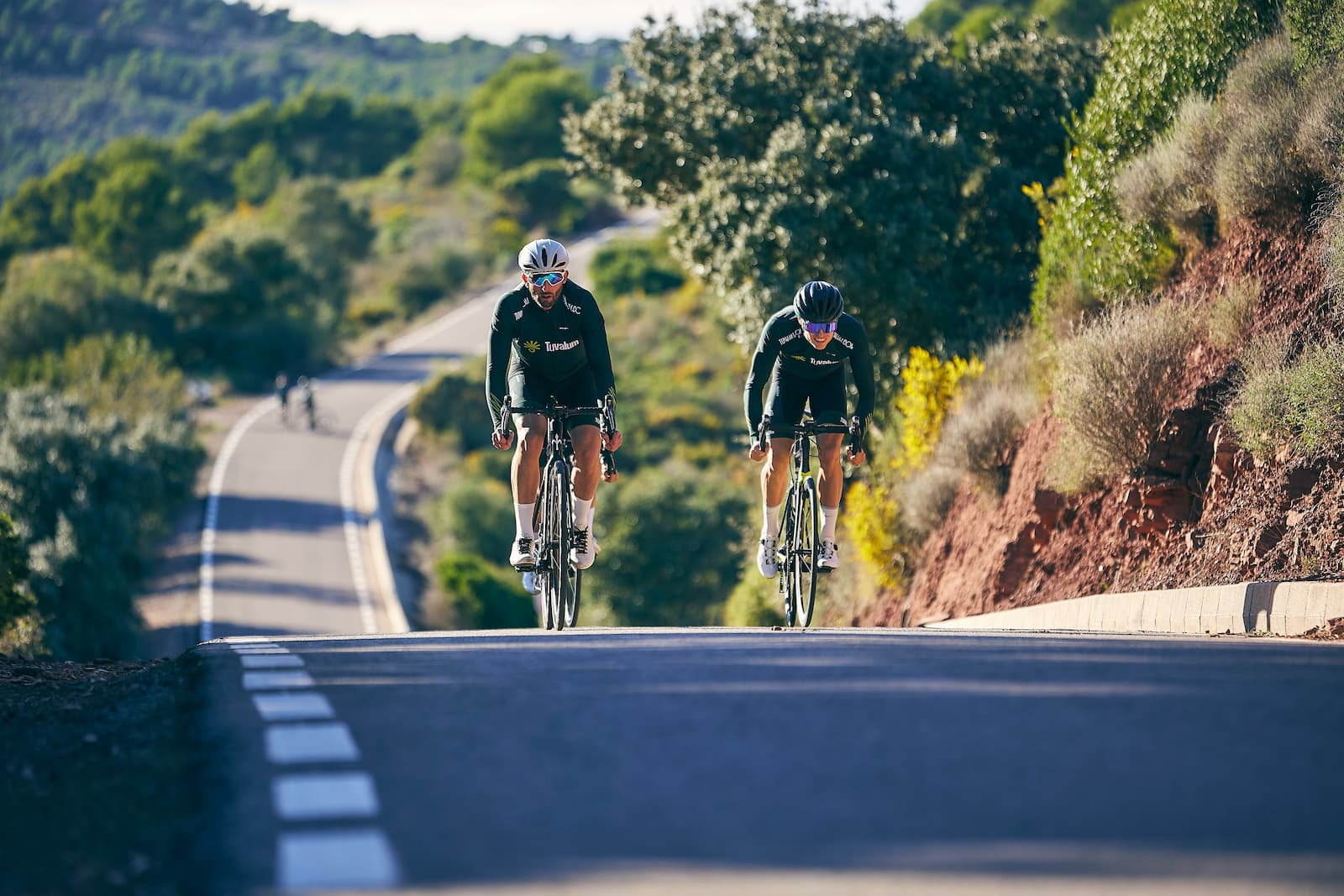
Speed gains in cycling come from consistent training over time, not isolated hard efforts. Riding hard once in a while won’t make you faster, repeating structured sessions week after week will. Consistency allows your body to adapt, improving both power and endurance gradually. Missing sessions occasionally isn’t the issue; inconsistent training patterns are what limit progress.
Fuel properly to sustain speed
Without proper fueling, your performance drops.
What to focus on?
- Eat before longer rides
- Fuel consistently during rides
- Stay hydrated
Reduce resistance
Speed isn’t only about effort, it’s also about minimizing resistance.
Key factors
- Aerodynamic position
- Smooth surfaces
- Proper tire pressure
- Well-maintained bike
Small improvements here can increase speed without additional effort.
Be consistent over time
Speed improvements come from consistent training, not short-term effort.
What consistency looks like?
- Regular riding
- Balanced training
- Gradual progression
Missing sessions occasionally doesn’t matter. Inconsistency over time does.
Recover properly to ride faster
Recovery directly impacts how fast you can ride. If you’re constantly fatigued, your ability to produce power and maintain speed drops significantly. Prioritizing sleep, managing training load, and allowing easy days between hard sessions ensures you can perform when it matters. Better recovery doesn’t just prevent burnout, it allows you to ride stronger and faster across all sessions.
Common mistakes that limit cycling speed
- Riding too hard too often
- Ignoring structured training
- Poor pacing
- Inefficient riding technique
- Neglecting fueling
- Lack of consistency
Fixing these often leads to immediate improvements.
Practical checklist: get faster at cycling
- Include structured interval sessions
- Build a strong aerobic base
- Improve pedaling efficiency
- Optimize your riding position
- Maintain steady pacing
- Use effective cadence
- Fuel properly before and during rides
- Reduce unnecessary resistance
- Stay consistent with training
FAQ
Structured training and better pacing are the quickest ways to see improvement.
Not necessarily. Training with purpose is more effective than increasing volume alone.
Yes. Reducing drag can significantly increase speed without increasing effort.
Yes. Position, tire pressure, and maintenance all impact performance.
Critical. Without proper fueling, performance declines quickly.
Yes. Early gains often come from better technique and consistency.