You can prevent cycling gear chafing by wearing properly fitted cycling clothing, choosing a comfortable saddle setup, and reducing friction between your skin and equipment. Clean padded shorts, appropriate skin protection, and regular position changes can help prevent irritation during longer rides. Chafing develops when repeated rubbing damages the outer layers of skin. Sweat, moisture, pressure, and poorly positioned clothing can increase irritation. Cyclists commonly experience chafing around the groin, inner thighs, buttocks, underarms, and areas where clothing or equipment repeatedly contacts the body.
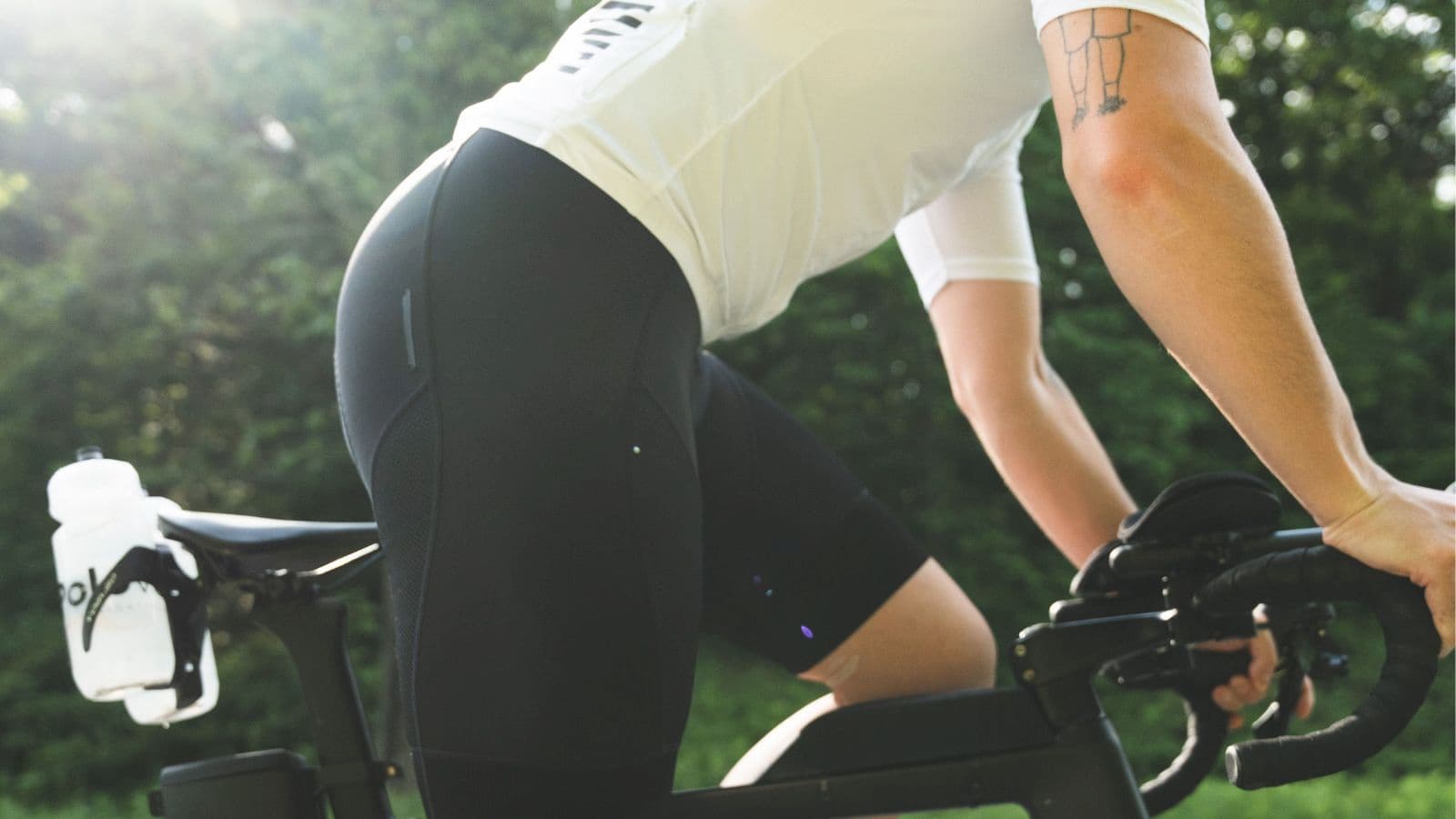
Preventing these problems requires more than buying expensive cycling clothing. Fit, hygiene, saddle position, riding duration, and individual skin sensitivity all matter. Understanding the causes allows cyclists to make practical adjustments before discomfort interrupts training.
In Short
- Wear properly fitted cycling shorts.
- Choose a suitable chamois pad.
- Avoid underwear beneath padded cycling shorts.
- Keep cycling clothing clean.
- Reduce unnecessary seams and fabric movement.
- Use chamois cream when helpful.
- Check saddle height and position.
- Change out of sweaty clothing after riding.
- Address irritation before it worsens.
- Seek medical advice for persistent or infected sores.
What Causes Cycling Gear Chafing?
Cycling chafing usually develops through repeated friction combined with moisture and pressure.
Common contributing factors include:
- Loose or poorly fitted shorts.
- Wrinkled chamois padding.
- Repeated saddle rubbing.
- Excessive moisture.
- Rough clothing seams.
- Unsuitable saddle positioning.
- Long periods in one riding position.
The problem often becomes more noticeable as ride duration increases. Understanding how to stop hand numbness and saddle discomfort on long rides can help identify wider equipment and positioning problems that may contribute to discomfort.
Choose Cycling Shorts That Fit Properly
Well fitted cycling shorts should remain securely positioned without restricting movement. Shorts that are too loose can bunch up, creating folds that repeatedly rub against the skin. Excessively tight shorts may cause pressure and irritation.
Look for:
- A snug but comfortable fit.
- Fabric that stays in place.
- Smooth seams.
- Padding positioned correctly.
- Leg openings that do not dig into the skin.
Bib shorts can be useful because shoulder straps help prevent the shorts from shifting during riding. However, standard cycling shorts can also work well when fitted correctly.
Why Chamois Padding Matters?
The chamois is the padded section inside cycling shorts. Its purpose is to improve comfort at contact points between the rider and saddle.
A suitable chamois should:
- Match your riding position.
- Stay aligned while pedaling.
- Avoid excessive bulk.
- Have smooth contact surfaces.
- Provide appropriate cushioning.
More padding is not always better. An overly thick or poorly shaped pad may create additional rubbing. Choose shorts based on fit and comfort rather than assuming the most expensive option will prevent irritation.
Should You Wear Underwear Under Cycling Shorts?
Padded cycling shorts are generally designed to be worn directly against the skin. Adding underwear can introduce extra seams, fabric movement, and moisture retention. These factors may increase friction. For most cyclists, wearing clean padded shorts without underwear is the more comfortable option. However, personal comfort varies, and some cycling clothing is specifically designed for use with separate padded liners. Always follow the intended design of the garment.
Use Chamois Cream When Needed
Chamois cream is a lubricant designed to reduce friction between the skin, clothing, and saddle contact areas.
It may be particularly helpful during:
- Long endurance rides.
- Hot weather cycling.
- Indoor training.
- Repeated days of riding.
- Events involving prolonged saddle contact.
Apply a modest amount to areas that commonly experience rubbing, following the product instructions. Avoid applying products to broken or infected skin unless advised by a healthcare professional. Chamois cream can reduce friction, but it cannot compensate for severely unsuitable shorts or saddle positioning.
Check Your Saddle Position
Saddle setup affects pressure and movement during pedaling. An unsuitable saddle height or angle can cause excessive shifting and repeated skin contact.
Potential problems include:
- Saddle positioned too high.
- Excessive side to side hip movement.
- Saddle tilted too far upward.
- Saddle shape unsuitable for the rider.
- Excessive pressure on sensitive areas.
Small adjustments may improve comfort. Understanding how does bike geometry affect cycling performance can help explain how riding position influences contact points and weight distribution. Avoid making several major adjustments simultaneously, as this makes it difficult to identify what improves comfort.
Keep Cycling Clothing Clean and Dry
Hygiene plays an important role in preventing skin irritation. Sweat, moisture, and contaminated clothing can increase discomfort and contribute to some skin problems.
Useful habits include:
- Wear clean shorts for every ride.
- Wash clothing according to manufacturer instructions.
- Allow shorts to dry completely.
- Avoid sitting in sweaty clothing after riding.
- Shower and gently clean irritated areas.
- Change into dry clothing promptly.
Avoid harsh scrubbing, which can further irritate damaged skin.
Prevent Chafing During Indoor Cycling
Indoor cycling can create substantial sweating because airflow is often limited. Even when riding intensity is moderate, moisture can accumulate around clothing contact points.
To reduce irritation:
- Use a fan.
- Wear breathable clothing.
- Keep shorts clean.
- Adjust saddle position if necessary.
- Change out of damp clothing afterward.
Understanding how to start indoor cycling training as a beginner can help cyclists establish a comfortable indoor setup before increasing session duration.
How to Prevent Chafing on Long Rides?
Longer rides increase the number of repeated movements between skin and equipment. Prevention becomes more important as time in the saddle increases.
Before longer sessions:
- Choose tested cycling shorts.
- Check saddle comfort.
- Apply suitable lubricant if needed.
- Avoid unfamiliar clothing.
- Plan opportunities to change position.
During riding, briefly standing on the pedals when safe may relieve pressure. Understanding how to pace a long ride can help prevent unnecessary fatigue that may contribute to poor posture and excessive movement.
Reduce Excessive Movement While Pedaling
A stable riding position can reduce unnecessary rubbing. Excessive bouncing, rocking, or shifting may increase friction at saddle contact points.
Focus on:
- Smooth pedaling.
- Comfortable cadence.
- Appropriate saddle height.
- Relaxed upper body positioning.
- Controlled movement over uneven surfaces.
Understanding how to develop a smoother pedal stroke in cycling can help improve pedaling control, although technique alone cannot eliminate chafing caused by unsuitable equipment.
What to Do When Chafing Starts
If irritation develops during a ride, continuing without adjustment may worsen skin damage.
Consider:
- Stopping to check clothing alignment.
- Removing fabric folds.
- Reducing unnecessary movement.
- Applying suitable lubricant to intact skin.
- Shortening the ride if discomfort increases.
After riding, gently clean and dry the area. For minor superficial chafing, protecting the skin from further friction usually supports healing. Avoid returning to prolonged saddle contact until the affected area is sufficiently comfortable.
Chafing vs Saddle Sores
Not every painful area around the saddle is simple chafing.
| Condition | Typical characteristics |
|---|---|
| Chafing | Surface redness, rubbing, stinging |
| Pressure irritation | Tenderness around contact areas |
| Folliculitis | Inflamed bumps around hair follicles |
| Deeper saddle sore | Painful swelling or persistent lump |
| Possible infection | Increasing redness, warmth, pus, or spreading symptoms |
Persistent lumps, worsening swelling, drainage, fever, or significant pain require medical assessment. Do not squeeze painful saddle sores or attempt to drain them yourself.
Training Habits That Increase Chafing Risk
Suddenly increasing ride duration can expose skin to more friction than it is accustomed to tolerating. Longer rides should be introduced gradually.
Other contributing habits include:
- Riding repeatedly in damp clothing.
- Ignoring early irritation.
- Using unsuitable equipment.
- Increasing indoor training duration abruptly.
- Continuing despite painful skin damage.
Understanding what training habits increase injury risk in cyclists can help identify broader training errors that increase physical stress.
Comfort and Recovery Between Rides
Skin needs time to recover from irritation. Repeated friction before healing can prolong symptoms.
Useful recovery habits include:
- Wearing loose, breathable clothing afterward.
- Keeping affected skin clean.
- Avoiding unnecessary rubbing.
- Allowing minor abrasions to heal.
- Reassessing equipment before the next ride.
Understanding why are slower training sessions important for cycling training can help cyclists plan lower stress sessions, although even easy riding may need to be avoided temporarily if saddle contact remains painful.
Common Mistakes
- Wearing poorly fitted cycling shorts.
- Adding underwear beneath padded shorts.
- Using dirty or damp clothing.
- Assuming thicker padding is always better.
- Ignoring saddle positioning.
- Applying excessive chamois cream.
- Continuing through worsening skin irritation.
- Trying new shorts during an important event.
- Ignoring persistent saddle sores.
Practical Tips
- Test shorts before long rides.
- Choose smooth, well positioned padding.
- Wear clean cycling clothing.
- Keep skin dry when possible.
- Use lubricant where friction occurs.
- Check saddle height and angle.
- Stand briefly when safe to relieve pressure.
- Change clothes promptly after riding.
- Address irritation early.
Actionable Takeaways
- Prioritize properly fitted shorts and saddle comfort.
- Reduce friction through hygiene and suitable skin protection.
- Make gradual equipment and training adjustments.
- Allow irritated skin to heal before prolonged riding.
FAQs
Repeated friction, moisture, pressure, and poorly fitted clothing are common causes.
Choose correctly fitted shorts with smooth padding, keep them clean, and reduce fabric movement.
Generally, no. Padded cycling shorts are designed to be worn directly against the skin.
It can reduce friction and improve comfort, particularly during longer rides.
Yes. Unsuitable saddle shape, height, or positioning may increase pressure and rubbing.
Bib shorts may reduce fabric movement, but comfort depends on fit and individual preference.
Use ventilation, breathable clothing, clean shorts, and appropriate saddle positioning.
Minor irritation may settle with adjustments, but painful or worsening skin damage generally warrants stopping friction until healing occurs.