Choosing the right cycling race as a beginner determines your first experience of the sport. The goal isn’t just to finish, it’s to learn pacing, group riding, and race execution without being overwhelmed. Beginner-friendly races are typically shorter, well-organized, and less technical, allowing riders to focus on effort rather than survival.
What Makes a Cycling Race Beginner-Friendly?
Not all races are suitable for first-time riders. Beginner-friendly events share a few key characteristics:
- Manageable distance
- Predictable terrain
- Controlled pacing
- Clear organization
Shorter distances reduce fatigue and allow better pacing control. Flat or rolling terrain avoids extreme effort spikes. Closed or well-managed courses improve safety, especially for those new to group riding. Events with multiple categories or open participation are ideal, as they allow beginners to compete without pressure.
Sportives and Gran Fondos
Sportives (or Gran Fondos) are the most accessible entry point into cycling events. These are mass-participation rides rather than aggressive races, making them ideal for beginners. Distances typically range from 50km to 150km, with shorter options available. Riders can choose their pace, and there is no requirement to ride in a pack. These events provide race-day experience, nutrition, pacing, and endurance, without the pressure of competition.
Circuit Races (Closed Circuit Events)
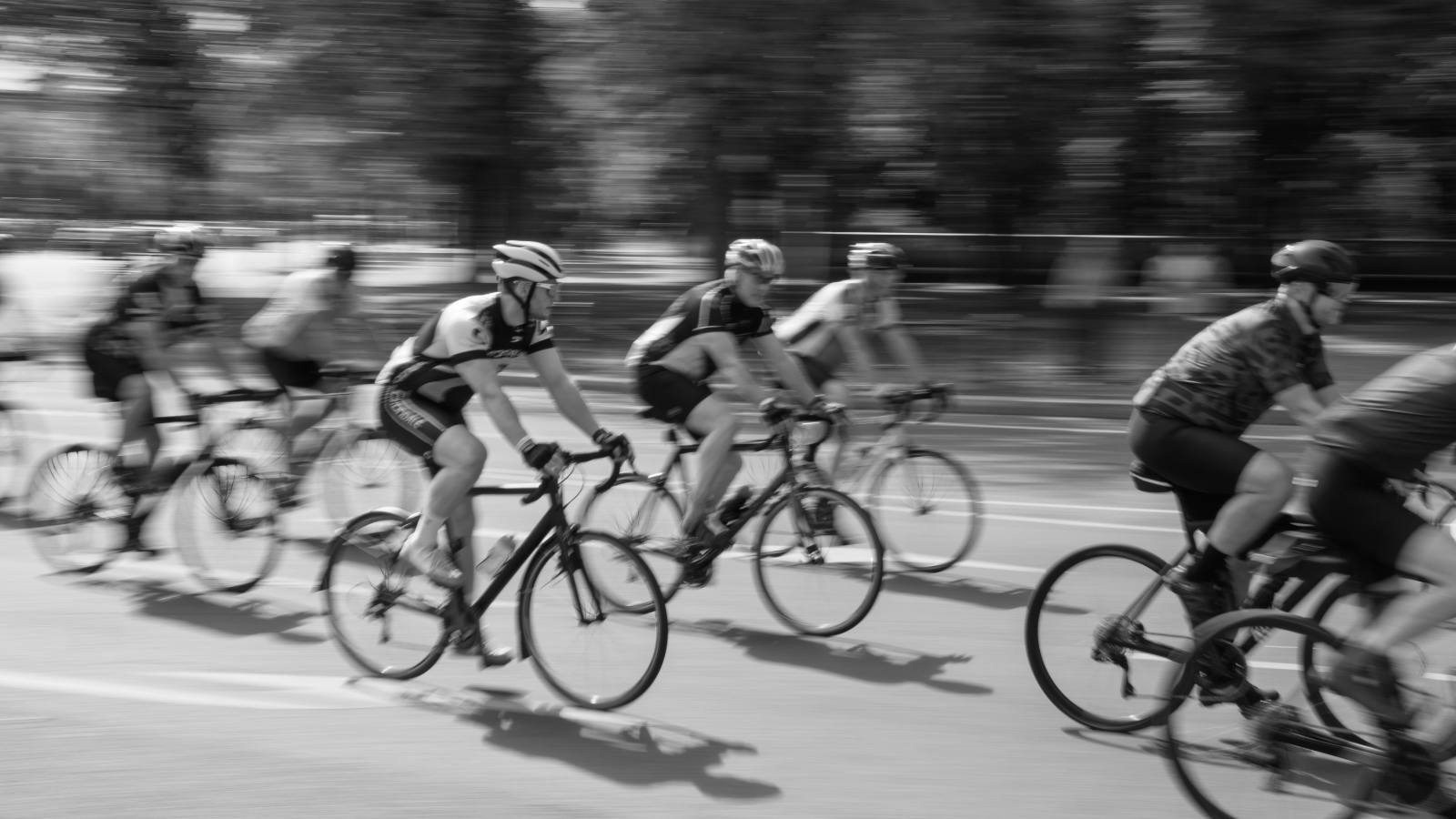
Closed circuit races take place on short loops, often 1 to 3km in length. These are controlled environments with no traffic, making them safer for beginners learning group dynamics. Races are typically short (20 to 60 minutes), which reduces the impact of pacing mistakes. Many events offer beginner or “Cat 4” categories where speed is lower and racing is more controlled. The key skill here is positioning, learning how to ride efficiently in a group.
Time Trials (TT)
Time trials are one of the best formats for beginners because they remove group riding entirely. Riders start individually and race against the clock. Distances are usually 10 to 25km, making them manageable while still challenging. The focus is on pacing and sustained effort rather than tactics. This makes time trials ideal for understanding personal performance without external variables.
If you’re really having to force your body to hold your TT position – it’s probably not the right position. Check out our complete guide on how to get better at holding your time trial position to optimize aerodynamics and being able to push power simultaneously.
Hill Climbs
Hill climb events are short, intense races up a single climb. They are simple in structure and eliminate technical riding.
- Distances can range from 2 to 10km depending on the climb
These races are beginner-friendly if you prefer solo effort over pack riding. However, they require good pacing due to sustained intensity.
Local Club Races
Many cycling clubs organize beginner races or training races. These are smaller, less competitive, and designed to introduce riders to racing. They often include coaching or guidance, making them ideal for learning race skills in a low-pressure environment. Club races are also useful for building confidence before entering larger events.
Stage Events (Beginner Categories)
Some multi-day events offer beginner-friendly categories with shorter stages and controlled pacing. These provide exposure to stage racing, managing fatigue, recovery, and nutrition across multiple days.
However, beginners should only consider these after gaining experience in single-day events.
Virtual Races (Indoor Platforms)
Platforms like Zwift offer structured races in a controlled environment. These are ideal for beginners who want to experience racing without external risks like traffic or weather. Races are categorized by ability, ensuring fair competition. Virtual racing is particularly useful for learning pacing and effort control.
How to Choose Your First Race?
The best first race depends on your current fitness and confidence level.
- If you’re new to endurance: start with a short sportive (50 to 80km).
- If you prefer solo effort: choose a time trial.
- If you want to learn group riding: try a beginner circuit race.
- If you prefer intensity over duration: consider a hill climb.
Choosing the right format ensures a positive first experience.
Key Skills to Focus On
- Beginner races are less about results and more about execution.
- Pacing is critical, starting too hard leads to early fatigue.
- Group riding skills improve efficiency and confidence.
- Nutrition and hydration become important in longer events.
- Bike handling, cornering, braking, positioning, affects safety and performance.
- For riders building these skills, structured training plays a key role.
Common Mistakes Beginners Make
- Starting too fast due to adrenaline leads to rapid fatigue.
- Choosing races that are too long or technical creates unnecessary difficulty.
- Ignoring nutrition results in energy drops during longer events.
- Lack of preparation for group riding increases risk and reduces efficiency.
- Not understanding pacing leads to inconsistent performance.
Practical Checklist
- Choose a race format that matches your experience
- Start with shorter distances
- Practice pacing in training
- Test nutrition strategy before race day
- Learn basic group riding skills
- Focus on finishing strong, not racing aggressively
What You Should Do?
- Start with controlled environments, sportives or time trials, before progressing to competitive races.
- Build experience gradually. Each race should improve your understanding of pacing, effort, and race dynamics.
- Track your performance and learn from each event. The goal is progression, not immediate results.
- Confidence comes from execution, not speed.
FAQ
A sportive or time trial is ideal due to lower pressure and controlled pacing.
Yes, especially closed circuit races and organized events with clear safety measures.
Not always. Time trials and sportives allow solo riding.
Yes, they help develop pacing and effort control in a safe environment.
Carbohydrates and fluids, especially for events longer than 90 minutes.
Start with occasional races and increase frequency as experience grows.