Cycling cadence is the number of pedal revolutions per minute (RPM). It determines how you apply force to the pedals and directly affects efficiency, fatigue, and performance. Cadence is not just a number, it’s a key variable that influences power output, muscle recruitment, and energy cost during riding.
Why Cadence Matters?
Cadence affects how your body produces power. A lower cadence requires more muscular force per pedal stroke, increasing muscular fatigue. A higher cadence reduces force per stroke but increases cardiovascular demand. The goal is to find an optimal cadence that balances muscular load and aerobic effort. This improves efficiency and allows you to sustain power over longer durations.
What Is an Optimal Cadence?
Most trained cyclists ride efficiently between 80 to 100 RPM. However, optimal cadence is individual and depends on fitness, terrain, and race demands.
- Climbs: Lower cadence (70 to 85 RPM) due to higher resistance
- Flats: Moderate cadence (85 to 95 RPM) for steady efficiency
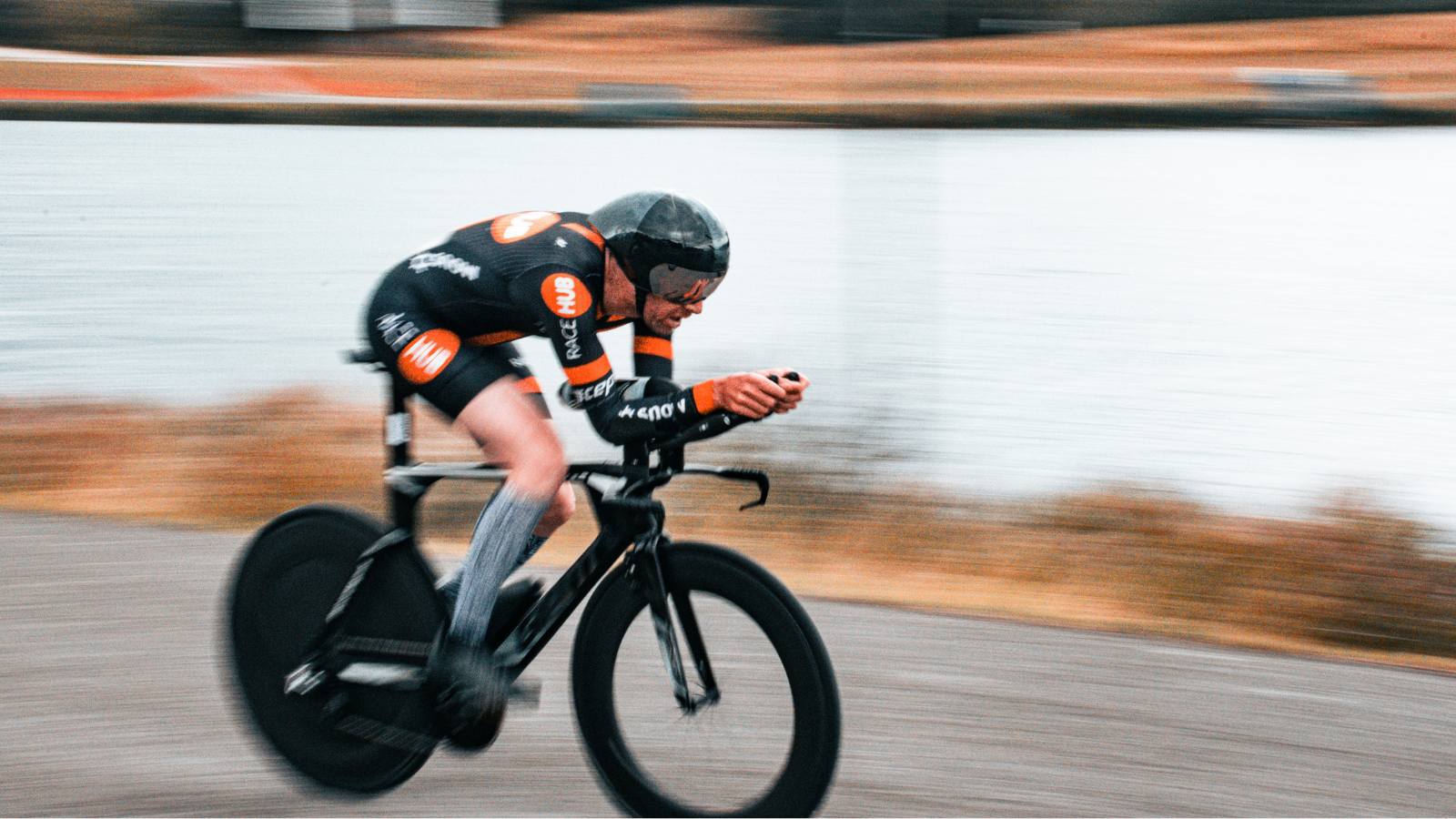
- Time trials: Higher cadence (90 to 100 RPM) to reduce muscular fatigue
Elite cyclists often maintain higher cadences because they are more aerobically efficient and can sustain increased cardiovascular load.
Cadence vs Power Output
Power is the product of force and cadence. You can produce the same power at different cadences, but the physiological cost changes.
- Low cadence + high force = muscular fatigue
- High cadence + lower force = cardiovascular stress
Choosing the right cadence depends on the demands of the ride. For long endurance efforts, slightly higher cadence reduces muscle fatigue and preserves energy for later stages. Check out our detailed guide on how to improve your cycling endurance for more details.
How Cadence Changes Across Ride Types?
Cadence should adapt based on terrain, duration, and intensity.
Endurance Rides
For long, steady rides, aim for a cadence that feels sustainable with minimal fatigue buildup.
Typical range: 85 to 95 RPM
This balances efficiency and reduces strain on muscles over time.
Climbing
Climbing naturally lowers cadence due to increased resistance. Maintaining too low a cadence (<60 RPM) increases muscular fatigue.
Target range: 70 to 85 RPM
Using appropriate gearing helps maintain cadence and avoid grinding.
Time Trials and Racing
Higher cadence is often preferred in races to maintain consistent power output while minimising muscular fatigue.
Typical range: 90 to 100 RPM
This is especially relevant in triathlon and time trial formats where steady pacing is critical.
Sprinting
- Sprints involve very high cadence combined with high force.
- Cadence can exceed 100 to 120 RPM depending on the rider and conditions.
How to Improve Your Cadence?
Cadence can be trained. Most recreational cyclists default to lower cadences, which increases fatigue over long rides.
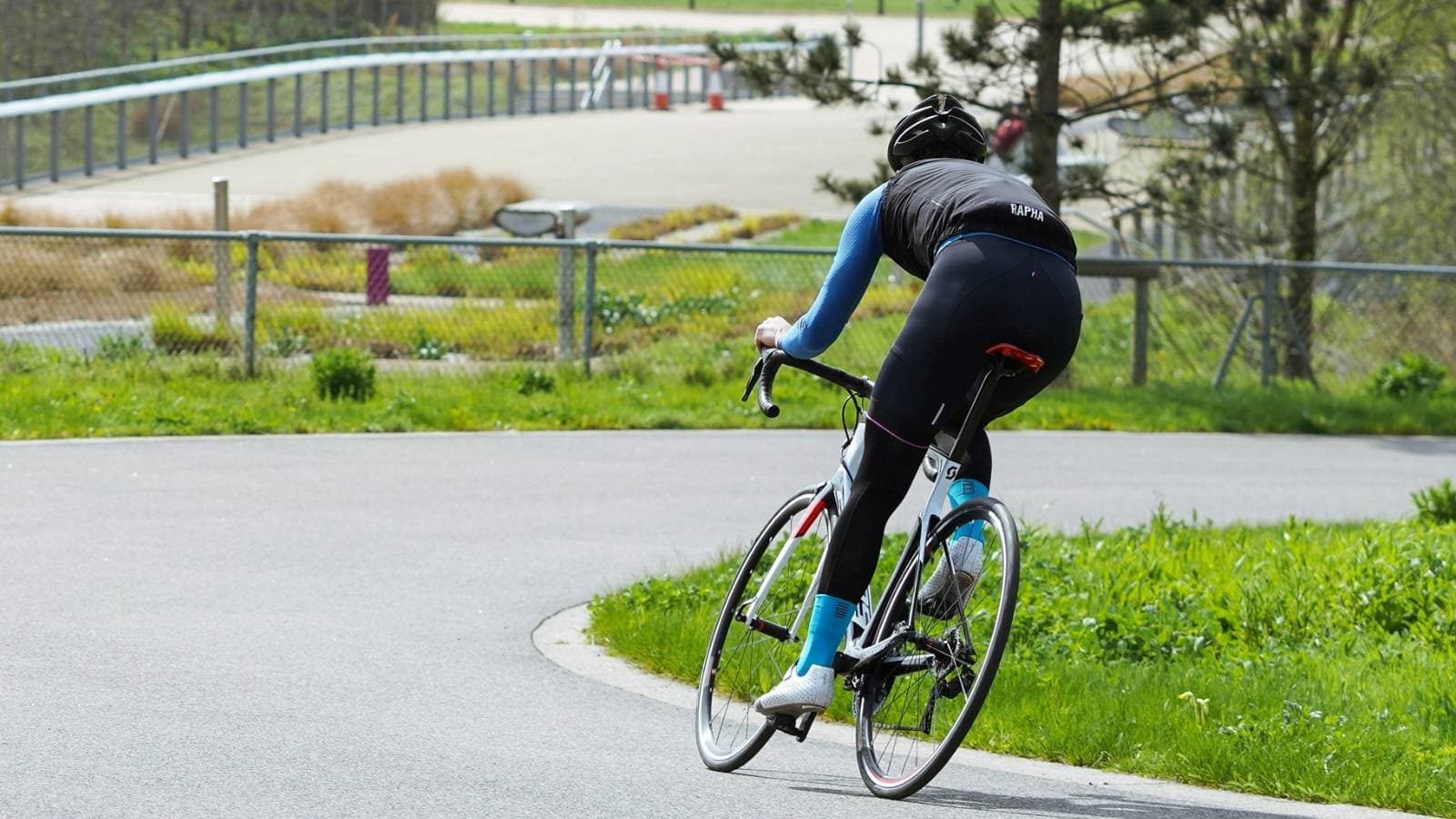
Cadence Drills
Include high-cadence drills in training sessions to improve neuromuscular coordination.
Example:
- 5 x 1 minute at 100 to 110 RPM with easy recovery
These drills improve pedal smoothness and efficiency.
Single-Leg Drills
These help correct imbalances and improve pedal stroke mechanics.
Focus on smooth, controlled movement rather than force.
Structured Intervals
Combine cadence targets with power zones to develop efficiency at different intensities.
Example:
- 3 x 10 minutes at endurance power with cadence >90 RPM
Cadence and Efficiency
Efficiency is not about spinning as fast as possible. It’s about maintaining a cadence that allows sustainable power output with minimal fatigue. A cadence that is too low increases muscular strain. Too high, and heart rate rises unnecessarily. The most efficient cadence is the one you can sustain while maintaining target power and controlled effort.
Cadence and Injury Risk
Low cadence, high-force riding increases stress on joints, particularly the knees. Over time, this can lead to overuse injuries. Maintaining a moderate cadence reduces joint load and distributes effort more evenly across muscle groups. This is especially important during long rides and climbs.
Common Cadence Mistakes
- Riding in too hard a gear leads to low cadence and early fatigue.
- Spinning too fast without control reduces efficiency and wastes energy.
- Ignoring cadence entirely limits performance improvements.
- Not adjusting cadence for terrain leads to inconsistent effort.
Practical Checklist
- Aim for 80 to 100 RPM in most conditions
- Adjust cadence based on terrain and intensity
- Use gears to maintain consistent cadence
- Include cadence drills in training
- Monitor cadence alongside power and heart rate
What You Should Do
- Start tracking cadence during rides. Most cycling computers provide real-time RPM data.
- Identify your natural cadence, then gradually adjust it toward more efficient ranges through training.
- Practice riding at different cadences under controlled conditions. This improves adaptability during races and varied terrain.
FAQ
Typically 70 to 90 RPM, gradually increasing with training.
No. The goal is efficiency, not maximum RPM.
They are aerobically efficient and reduce muscular fatigue at higher RPM.
Yes. It increases joint stress, especially in the knees.
Both. Cadence affects how power is produced and sustained.
Not essential but helpful for tracking and improving performance.