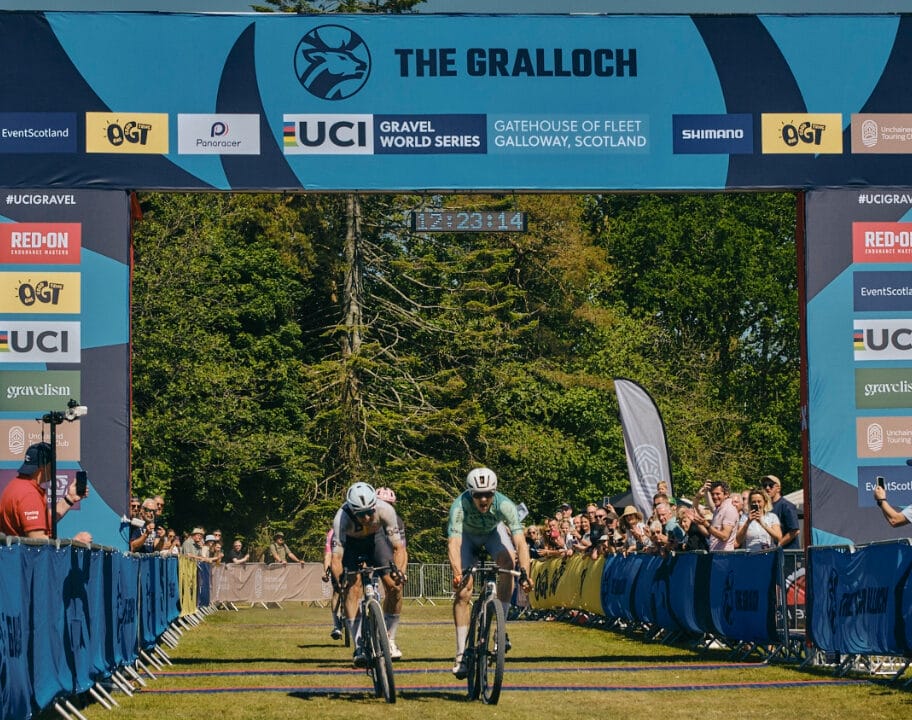
Endurance in cycling is the ability to sustain power output over extended periods without excessive fatigue. It determines how long you can ride efficiently, maintain pace, and finish strong. Building endurance is not about riding harder, it’s about increasing your capacity to ride longer at a controlled effort.

What Cycling Endurance Actually Means?
Cycling endurance is primarily aerobic. It relies on your body’s ability to use oxygen efficiently to produce energy over long durations. This includes improving fat metabolism, delaying glycogen depletion, and maintaining muscular efficiency. Endurance is not just fitness, it’s durability. It’s how well your body holds performance as fatigue accumulates.
The Foundation: Easy, Consistent Riding
Most endurance gains come from low-intensity riding. This builds aerobic capacity without excessive stress.
These rides should feel controlled and sustainable. You should be able to maintain conversation without strain. Heart rate stays in a low aerobic zone.
Consistency matters more than intensity. Frequent, steady rides build a stronger base than occasional hard efforts.
Progressive Long Rides
Long rides are the most important sessions for endurance development. They train your body to sustain effort, manage fueling, and resist fatigue.
- Start with a duration you can handle comfortably, then increase gradually each week.
- A typical progression might involve adding time rather than distance to avoid overloading.
Long rides also allow you to practice pacing and nutrition, both critical for performance.
Time in Saddle Over Speed
Endurance is built through time, not speed. Riding longer at moderate effort is more effective than riding short distances at high intensity. Focus on total time in the saddle. This builds muscular endurance and improves efficiency. Riding slower for longer creates the adaptations needed for sustained performance.
Fueling and Hydration During Long Rides
Endurance is limited by energy availability. Without proper fueling, performance drops regardless of fitness.
During longer rides, aim to consume carbohydrates consistently, typically 40 to 80g per hour depending on duration and intensity. Hydration is equally important. Fluid and electrolyte intake should match sweat loss to maintain performance. For structured hydration and fueling strategies, see what a hydration strategy is and why it matters.
Cadence and Efficiency
Maintaining an efficient cadence reduces muscular fatigue over long rides. Most cyclists benefit from riding between 80 to 95 RPM for endurance efforts. This balances muscular load and cardiovascular demand. A smoother pedal stroke improves efficiency and reduces energy waste.
Structured Endurance Workouts
Endurance doesn’t mean unstructured riding. Structured sessions help improve consistency and efficiency.
Examples:
- Steady endurance ride: consistent pace for 2–4 hours
- Progressive ride: increasing effort slightly in the final third
- Tempo blocks within long rides
These sessions improve your ability to hold effort under fatigue.
Back-to-Back Riding
Riding on consecutive days builds fatigue resistance. This is especially useful for long-distance events and multi-day riding.
Instead of one extremely long ride, splitting volume across two days reduces injury risk while maintaining training effect.
Example:
- Day one: long endurance ride
- Day two: shorter but steady ride
This approach improves durability without excessive strain.
Strength and Muscular Endurance
- Endurance is not purely aerobic.
- Muscular strength supports sustained power output.
- Low-cadence efforts (in controlled doses) can improve muscular endurance.
- Off-bike strength training also supports joint stability and reduces fatigue over long rides.
Recovery and Adaptation
- Endurance improves during recovery, not during training.
- Easy rides and rest days allow your body to adapt to increased volume.
- Ignoring recovery leads to fatigue accumulation and reduced performance.
- Keep easy days truly easy to support adaptation.
Common Mistakes
- Riding too hard on endurance rides limits aerobic development.
- Increasing volume too quickly leads to injury and burnout.
- Ignoring fueling reduces performance in longer sessions.
- Neglecting recovery prevents adaptation.
- Inconsistent training limits long-term progress.
Practical Checklist
- Build volume gradually
- Prioritise long, steady rides
- Keep effort controlled
- Fuel consistently during rides
- Maintain efficient cadence
- Include recovery days
- Stay consistent week to week
What You Should Do
- Start with manageable ride durations and increase gradually.
- Focus on time in the saddle rather than speed.
- Track your rides and monitor how your body responds to increased volume.
- Practice fueling and hydration in every long ride. This is as important as the training itself.
- Keep your approach simple.
- Consistency and execution matter more than complexity.
FAQ
Yes, they should be at a controlled, sustainable pace.
Once per week is typical for most cyclists.
They help, but the majority of training should be low intensity.
Carbohydrates and fluids to maintain energy and hydration.
Yes, but longer outdoor rides provide better adaptation and variability.
Yes, maintaining efficient cadence reduces fatigue over time.
Riding too hard and not allowing proper recovery.