What indoor vs outdoor cycling means and why it matters?
Indoor and outdoor cycling training are two distinct ways to build fitness, each with specific advantages and limitations.
Indoor cycling typically involves a turbo trainer or smart trainer, while outdoor cycling takes place on roads or trails in real-world conditions.
The key difference is control vs variability:
- Indoor = controlled environment
- Outdoor = dynamic environment
Choosing how to use both effectively is critical for improving performance, not just convenience.

Indoor cycling: controlled, structured, efficient
Indoor training removes external variables and allows complete control over your session.
What indoor training offers?
- Precise control of effort
- No interruptions (traffic, terrain, weather)
- Consistent conditions
- Time-efficient sessions
You can execute structured workouts exactly as planned, which makes indoor riding highly effective for targeted training.
Where indoor cycling works best?
Indoor sessions are ideal for:
- Interval workouts
- Threshold or high-intensity sessions
- Time-limited training days
- Controlled pacing practice
Because effort is uninterrupted, you get more quality work in less time.
Limitations of indoor cycling
Indoor riding lacks real-world dynamics.
Common drawbacks:
- No terrain variation
- Reduced bike handling demands
- Mental fatigue from static environment
- Limited adaptation to outdoor conditions
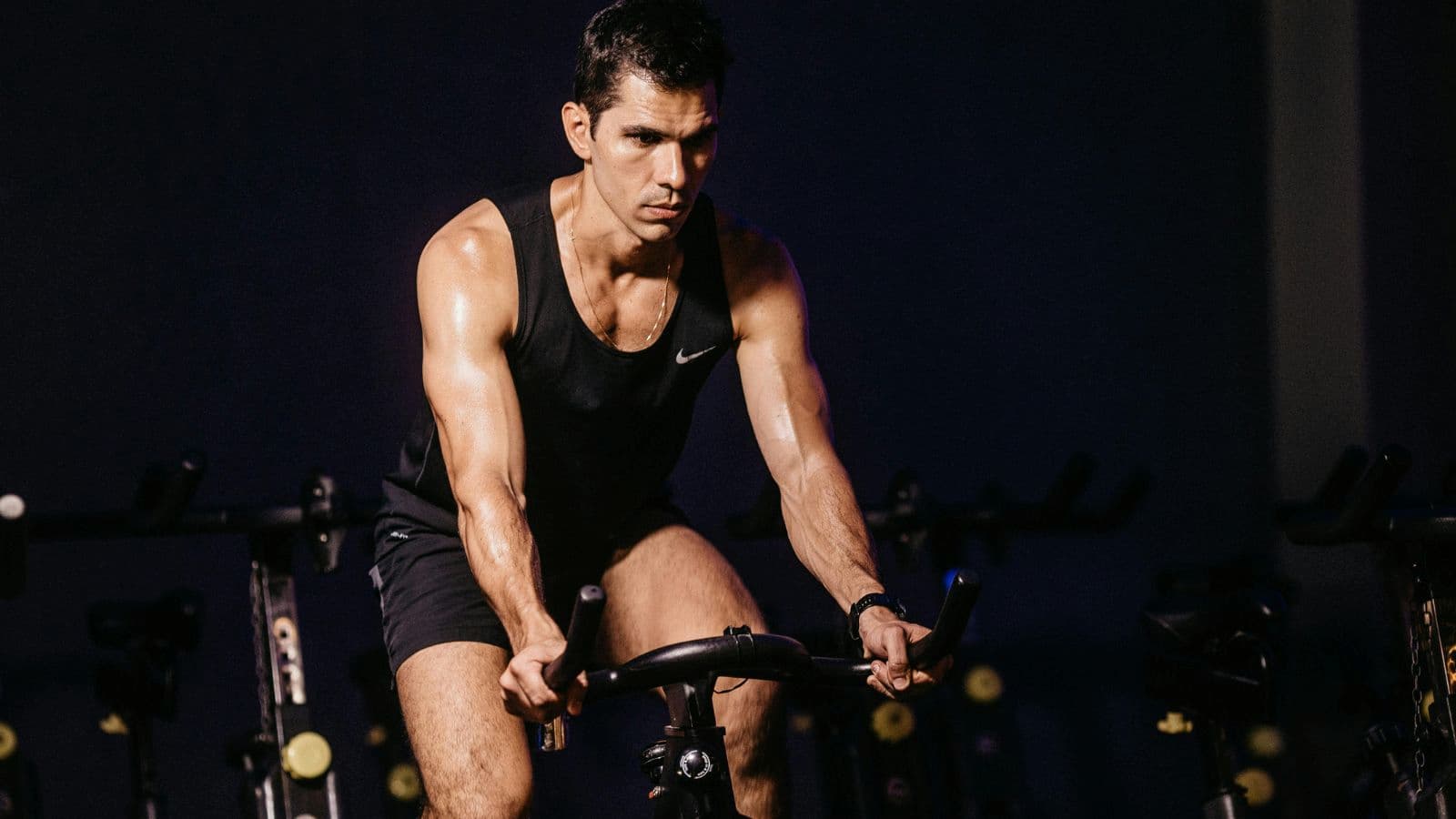
It builds fitness, but not always complete race readiness. Indoor cycling is not just a backup option for bad weather, it’s one of the most effective ways to improve performance. The biggest advantage is control. You can dial in specific efforts, target precise training zones, and focus fully on the session without interruptions. This is why you need to embrace indoor cycling in your training.
Outdoor cycling: real-world performance
Outdoor riding introduces variability that indoor training cannot replicate.
What outdoor training offers?
- Terrain variation (climbs, descents, flats)
- Environmental factors (wind, weather)
- Bike handling and positioning
- Real pacing decisions
It develops the skills required to perform in races and long rides.
Where outdoor cycling works best
Outdoor riding is most effective for:
- Long endurance rides
- Race simulation
- Practicing fueling and hydration
- Developing bike handling skills
It prepares you for the unpredictability of real conditions.
Limitations of outdoor cycling
Outdoor riding is less controlled.
Challenges include:
- Traffic interruptions
- Variable terrain affecting consistency
- Weather conditions
- Less precise interval execution
This makes it harder to maintain exact effort targets.
Fitness vs performance: the key distinction
Indoor training is highly effective for building fitness.
Outdoor training is essential for developing performance.
Indoor builds
- Power output
- Aerobic capacity
- Structured intensity
Outdoor develops
- Pacing under real conditions
- Handling skills
- Race-specific execution
You need both for complete development.
Effort control: precision vs adaptation
Indoor
- Effort is constant and predictable
- No need to react to terrain or conditions
- Ideal for steady or interval work
Outdoor
- Effort must adapt constantly
- Terrain and wind affect pacing
- Requires decision-making
Learning to manage effort outdoors is a key performance skill.
Mental demands: different types of stress
Indoor and outdoor training challenge you differently.
Indoor mental load
- Repetitive environment
- Requires focus and discipline
- Can feel monotonous
Outdoor mental load
- Requires attention and awareness
- More engaging and varied
- Easier to sustain for long durations
Both develop mental resilience in different ways.
Time efficiency: indoor advantage
Indoor cycling is more time-efficient.
- No stopping
- No traffic
- Immediate start and finish
A shorter indoor session can deliver the same training stimulus as a longer outdoor ride.
Skill development: outdoor advantage
Outdoor cycling develops skills that indoor training cannot.
Key skills
- Cornering
- Descending
- Riding in wind
- Position changes
These are critical for racing and long-distance riding.
Fueling and hydration practice
Fueling is easier to control indoors but more realistic outdoors.
Indoor
- Easy access to nutrition
- Controlled environment
- Predictable intake
Outdoor
- Requires planning
- Must manage intake while riding
- Reflects real race conditions
When to use indoor vs outdoor training?
Use indoor training when:
- You need precise, structured sessions
- Time is limited
- Weather conditions are poor
- You want controlled intensity
Use outdoor training when:
- You’re building endurance
- You need race-specific preparation
- You want to practice pacing and fueling
- You’re developing handling skills
The best approach: combine both
The most effective training strategy uses both indoor and outdoor cycling.
Example balance
- Indoor sessions for structured workouts
- Outdoor rides for endurance and skill
This allows you to:
- Build fitness efficiently
- Apply it in real-world conditions
Common mistakes
- Relying only on indoor training
- Avoiding outdoor riding before races
- Treating outdoor rides as unstructured
- Ignoring skill development
- Using indoor sessions without purpose
Practical checklist: indoor vs outdoor cycling
- Use indoor sessions for structured intensity
- Use outdoor rides for endurance and skills
- Balance both in your weekly training
- Practice fueling outdoors
- Develop handling skills regularly
- Keep indoor sessions focused and efficient
- Adapt training based on conditions
FAQ
Yes for fitness, but outdoor riding is essential for real-world performance and skills.
You can build fitness, but you’ll lack handling skills and real-world pacing ability.
A mix of both is ideal—indoor for control, outdoor for experience.
Possible, but outdoor rides are generally better for endurance and mental engagement.
Both are effective; consistency and effort matter more than location.
Not essential, but it improves control and structure in your workouts.