Riding in headwinds and crosswinds is one of the most physically and technically demanding aspects of cycling. Wind increases resistance, disrupts balance, and forces you to work harder for the same speed. Riding strong in these conditions is not about fighting the wind, it is about adjusting effort, position, and strategy to stay efficient and in control.
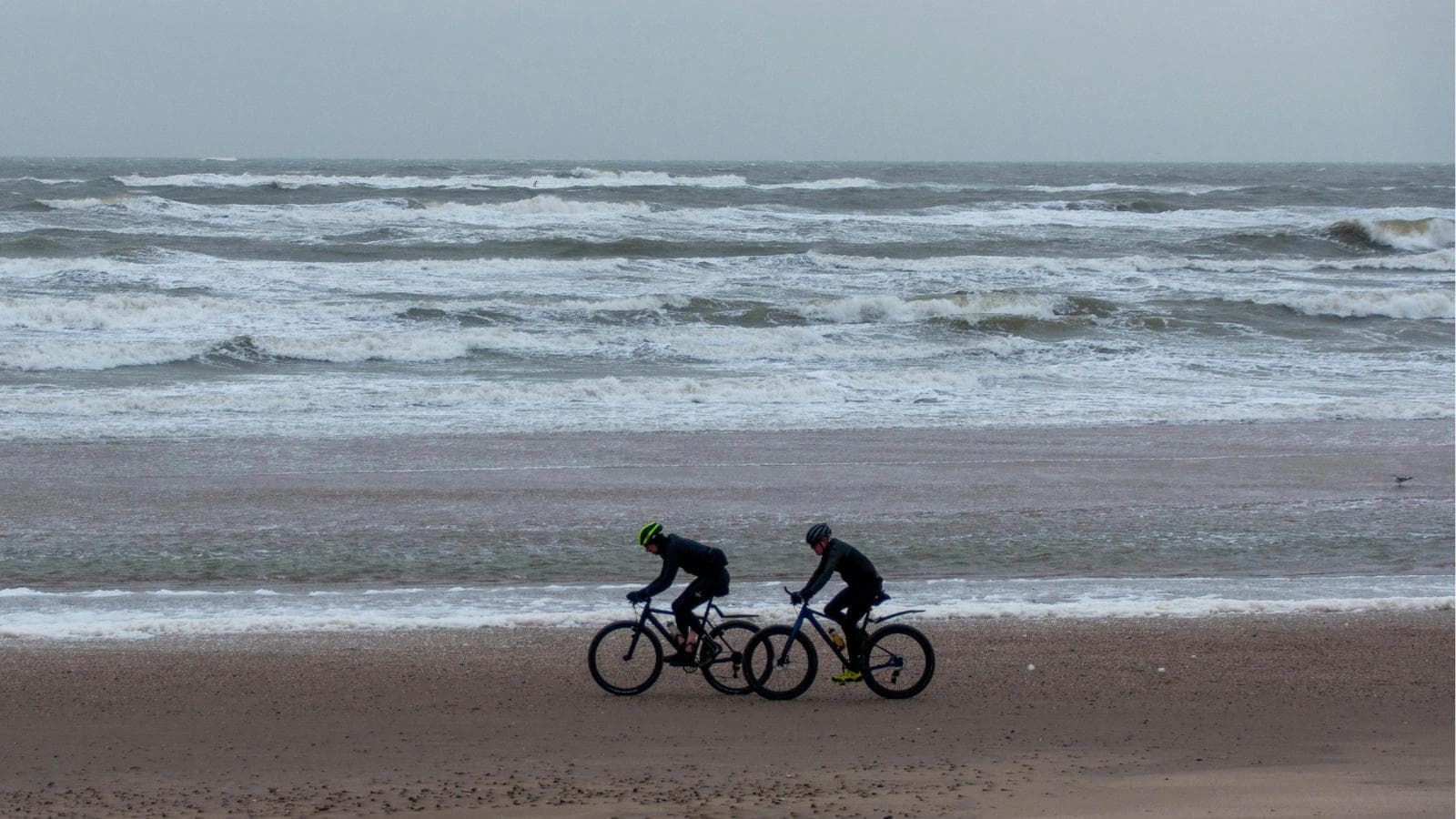
What Wind Actually Does to Your Riding?
Wind increases aerodynamic resistance, which is the biggest factor affecting cycling speed. A headwind slows you down by pushing directly against your movement. A crosswind affects balance and bike stability, especially at higher speeds. Both conditions demand more control and efficient energy use. Understanding how wind impacts performance is the first step to managing it effectively.
Why Headwinds Feel So Difficult?
- Headwinds create constant resistance, making every pedal stroke harder.
- Speed drops significantly while effort increases.
- This can lead to frustration and overexertion if not managed correctly.
- The key is to focus on effort rather than speed.
- Maintaining controlled output prevents early fatigue and helps sustain performance.
Adjust Your Pacing Strategy
- Pacing in the wind must be based on effort, not speed.
- Trying to maintain the same speed as calm conditions leads to excessive fatigue.
- Instead, focus on a steady, sustainable effort level.
- This approach keeps energy expenditure consistent and manageable.
The same principle applies when managing performance in challenging conditions, similar to how to increase average cycling speed, where consistency is more important than raw speed.
Optimize Your Body Position
- Aerodynamics become critical in windy conditions.
- Lowering your body reduces drag and helps maintain speed.
- Keep your elbows bent and your upper body compact.
- Reducing your frontal area makes a significant difference in headwinds.
- A stable aerodynamic position improves efficiency and control.
Cadence and Gear Selection
- Maintaining a steady cadence is essential when riding into the wind.
- Avoid grinding heavy gears, as this increases fatigue.
- Use slightly lower gears to maintain rhythm and reduce strain.
- Consistent cadence helps distribute effort evenly.
Riding in Crosswinds
- Crosswinds affect balance and handling.
- The wind pushes the bike sideways, requiring constant adjustment.
- Stay relaxed and maintain a firm grip on the handlebars.
- Keep your body stable and allow the bike to move slightly beneath you.
- Overcorrecting can lead to instability.
Positioning for Stability
- Positioning your body correctly improves control in crosswinds.
- Lowering your centre of gravity increases stability.
- Keep your weight evenly distributed and avoid sudden movements.
- A stable position reduces the impact of gusts.
- Maintaining control is more important than maintaining speed in these conditions.
Using Drafting Effectively
- Drafting can significantly reduce effort in headwinds.
- Riding behind another cyclist reduces wind resistance.
- In crosswinds, positioning slightly offset from the rider ahead can provide shelter.
- This requires awareness and coordination within the group.
Group riding techniques become especially useful when aligned with how to avoid bonking in cycling, where positioning and communication improve efficiency and safety.
Managing Effort Over Time
- Wind increases overall energy expenditure.
- Managing effort becomes critical, especially on longer rides.
- Avoid pushing too hard early, as fatigue builds quickly.
- Controlled pacing allows you to sustain effort for longer.
- Consistency is key to maintaining performance.
Mental Approach to Riding in Wind
- Wind can feel mentally draining as progress slows.
- Staying focused on effort rather than speed helps maintain motivation.
- Accepting conditions rather than fighting them reduces stress.
- Breaking the ride into smaller segments improves focus.
- Mental control supports physical performance.
Common Mistakes
- Trying to maintain speed instead of effort leads to fatigue.
- Riding in a high, exposed position increases resistance.
- Overgripping the handlebars reduces control in crosswinds.
- Ignoring cadence leads to inefficient effort.
- Lack of awareness increases risk in changing wind conditions.
Practical Checklist
- Focus on effort, not speed
- Lower your body position to reduce drag
- Maintain steady cadence
- Use lower gears to manage resistance
- Stay relaxed and stable in crosswinds
- Use drafting when possible
What You Should Do?
- Start by adjusting your mindset, accept that wind will slow you down.
- Focus on maintaining a steady effort rather than chasing speed.
- Practice riding in different wind conditions to build confidence.
- Refine your position and cadence to improve efficiency.
- With consistent practice, riding in wind becomes manageable rather than exhausting.
- The goal is not to eliminate resistance, but to handle it efficiently.
FAQs
Because it increases resistance, requiring more effort for the same speed. Managing effort instead of speed helps reduce fatigue.
By improving aerodynamics and maintaining steady effort.
A steady cadence that avoids excessive strain. Lower gears help maintain rhythm and efficiency.
Keep your body relaxed and maintain a stable position.
Yes, drafting reduces effort in headwinds. In crosswinds, positioning slightly offset improves shelter.
Crosswinds push the bike sideways, affecting stability.
No, maintaining steady effort is more effective. Overexertion leads to early fatigue.
Start with controlled rides and focus on technique.
Trying to maintain speed instead of effort.