Hand numbness and saddle discomfort are two of the most common problems cyclists experience during long rides. Both issues usually develop gradually as pressure, poor positioning, fatigue, and repetitive loading accumulate over several hours in the saddle. Cycling itself should not constantly cause pain. While some discomfort is normal during endurance riding, persistent numbness or pressure often signals problems with bike fit, posture, equipment setup, or riding habits.
Ignoring these issues usually makes them worse over time.
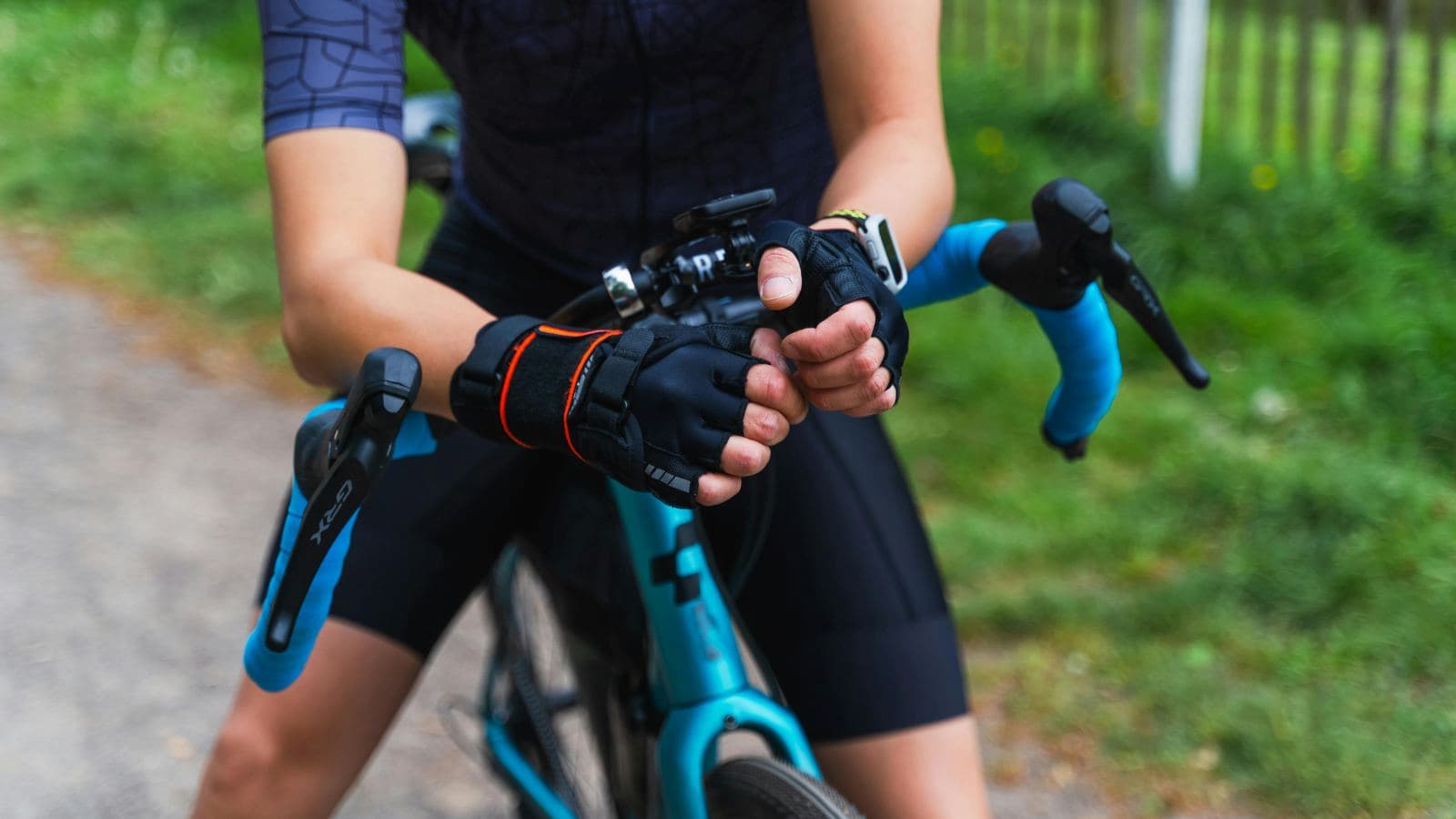
Proper bike positioning, movement variation, strength, and recovery all help reduce pressure and improve comfort during longer rides. This becomes increasingly important during endurance preparation such as training for long distance cycling where riders spend extended periods in the saddle consistently.
Why Hand Numbness Happens During Cycling?
Hand numbness usually develops because of prolonged pressure on nerves and blood vessels in the hands and wrists.
Common causes include:
- Excess weight on the handlebars
- Poor wrist positioning
- Excessive reach
- Tight grip pressure
- Road vibration
- Poor core stability
Long rides magnify these issues because repetitive pressure accumulates gradually.
Cyclists often compensate for poor posture or bike fit by supporting too much body weight through the hands instead of the core and lower body.
Poor Bike Fit Is the Biggest Cause
Bike positioning strongly affects both hand comfort and saddle pressure.
Common bike fit problems include:
- Saddle tilted incorrectly
- Handlebars too low
- Excessive reach
- Incorrect saddle height
- Poor saddle setback
A position that stretches the rider too aggressively often increases pressure through the hands, neck, shoulders, and lower back. Meanwhile, poor saddle positioning can increase soft tissue pressure and discomfort significantly during longer rides.
Small setup changes often create major improvements in comfort over time.
This is especially important during endurance-focused preparation discussed in staying fit during off season where cumulative riding hours increase substantially.
Saddle Discomfort Usually Comes from Pressure Distribution
Saddle pain is rarely caused by the saddle alone.
More commonly, discomfort develops because of:
- Poor pelvic positioning
- Excessive pressure points
- Incorrect saddle width
- Limited movement
- Inadequate bike fit
Many cyclists choose overly soft saddles believing they improve comfort. In reality, excessively soft saddles often increase pressure on sensitive tissues during longer rides. Proper support matters more than softness.
A good saddle supports the sit bones while reducing unnecessary pressure elsewhere.
Core Strength Reduces Hand Pressure
Weak core stability commonly contributes to hand numbness.
When the torso lacks stability, cyclists rely excessively on the handlebars for support.
This increases:
- Wrist loading
- Grip tension
- Shoulder fatigue
- Upper-body pressure
Improving core strength helps cyclists maintain posture more efficiently without collapsing forward onto the bars.
Useful exercises include: - Planks
- Dead bugs
- Pallof presses
- Glute bridges
- Side planks
Better stability usually improves both comfort and riding efficiency simultaneously.
Hand Position Variety Helps Prevent Numbness
Remaining in the same position for hours increases repetitive pressure.
Changing hand positions regularly helps improve:
- Blood flow
- Nerve relief
- Pressure distribution
- Muscle relaxation
Cyclists using drop handlebars should rotate between: - Tops
- Hoods
- Drops
Flat-bar riders should still shift grip position frequently whenever possible.
Small movement changes throughout rides reduce prolonged compression significantly.
Gloves and Bar Tape Matter
Cycling gloves and handlebar padding help absorb road vibration and reduce pressure concentration.
Useful comfort improvements include:
- Padded gloves
- Thicker bar tape
- Wider tyres
- Lower tyre pressure
- Better vibration damping
However, equipment alone rarely fixes severe discomfort if underlying fit problems remain unresolved.
Comfort should come primarily from positioning and posture rather than excessive padding.
Wrist Position Affects Nerve Pressure
Bent wrists increase compression through nerves running into the hands.
Cyclists should aim for:
- Neutral wrist alignment
- Relaxed elbows
- Light grip pressure
- Stable upper-body posture
Locked elbows and tense shoulders often increase vibration transfer into the hands.
Relaxed positioning helps distribute load more effectively during rougher terrain or longer rides.
Saddle Height Influences Pressure and Stability
Incorrect saddle height commonly contributes to:
- Excessive rocking
- Perineal pressure
- Hand loading
- Knee discomfort
A saddle that is too high often causes hip rocking, which increases friction and instability. A saddle that is too low may increase pressure because the rider remains compressed throughout the pedal stroke. Comfort improves when pedalling mechanics remain smooth and balanced.
Cyclists experiencing recurring lower-body discomfort often benefit from principles covered in how to prevent your knees from hurting during long cycling.
Bib Shorts Make a Major Difference
Quality cycling bib shorts significantly improve saddle comfort.
Good bib shorts provide:
- Better pressure distribution
- Reduced friction
- Improved moisture control
- Stable chamois positioning
Worn-out or poorly fitted shorts often increase: - Chafing
- Pressure points
- Skin irritation
Cyclists riding long distances regularly should prioritise properly fitted bib shorts instead of relying solely on saddle changes.
Standing Periodically Reduces Pressure
Standing briefly during rides helps relieve continuous saddle pressure.
Useful moments to stand include:
- Climbs
- Traffic slowdowns
- Short cadence changes
- Every several minutes during long rides
These small pressure breaks improve circulation and reduce prolonged tissue compression.
Mobility and Flexibility Influence Comfort
Restricted mobility often affects cycling posture.
Tight hips, hamstrings, or thoracic spine mobility can increase:
- Pelvic instability
- Lower back tension
- Hand pressure
- Saddle discomfort
Mobility work helps cyclists maintain better positioning over longer durations.
Useful focus areas include: - Hip mobility
- Thoracic rotation
- Hamstring flexibility
- Shoulder mobility
Cyclists improving overall riding posture often benefit from recovery approaches discussed in warm up exercises before cycling.

Fatigue Changes Riding Position
As fatigue increases, posture often deteriorates.
Cyclists may:
- Collapse through the shoulders
- Grip bars harder
- Shift awkwardly on the saddle
- Lose core engagement
This increases both hand numbness and saddle pressure later in rides. Endurance fitness improves the ability to maintain efficient posture under fatigue. This is one reason why aerobic endurance methods such as what is zone 2 cycling support long-ride comfort as well as performance.
Saddle Width Matters More Than Shape
Many cyclists choose saddles based only on appearance or softness. Correct saddle width is often more important than saddle shape itself.
A saddle that properly supports the sit bones usually improves:
- Stability
- Pressure distribution
- Long-ride comfort
Incorrect width commonly causes: - Soft tissue pressure
- Excess shifting
- Numbness
- Chafing
Professional bike fitting can help identify appropriate saddle dimensions more accurately.
Common Mistakes Cyclists Make
Many cyclists worsen discomfort through avoidable habits.
Common mistakes include:
- Gripping handlebars too tightly
- Riding with locked elbows
- Ignoring bike fit problems
- Using incorrect saddle height
- Staying in one position too long
- Neglecting core strength
- Using worn shorts
- Increasing ride duration too quickly
Most discomfort problems develop progressively rather than suddenly.
Practical Ways to Improve Long-Ride Comfort
Cyclists can reduce hand numbness and saddle discomfort significantly by:
- Getting a professional bike fit
- Improving core stability
- Adjusting hand positions regularly
- Standing periodically during rides
- Using quality bib shorts
- Maintaining neutral wrist position
- Improving mobility
- Monitoring fatigue honestly
Small positioning adjustments often produce major improvements over longer distances.
FAQs
Hand numbness is usually caused by excessive pressure on nerves and blood vessels from poor positioning or prolonged loading.
Yes. Proper handlebar reach, saddle position, and posture significantly reduce pressure through the hands.
Saddle discomfort often results from poor pressure distribution, incorrect saddle setup, or prolonged compression.
Not always. Excessively soft saddles can increase pressure and discomfort during longer rides.
Improving core stability, relaxing grip tension, and adjusting bike fit usually help reduce hand pressure.
Yes. Incorrect saddle height can increase instability, pressure points, and repetitive discomfort.
Padded gloves can reduce vibration and pressure but usually work best alongside proper bike positioning.
Standing periodically improves circulation and reduces prolonged saddle pressure.