What FTP means and why it matters?
FTP (Functional Threshold Power) is the maximum power you can sustain for a prolonged period without fatigue forcing you to slow down. In simple terms, it represents your sustainable limit, the highest effort you can hold before your body starts to accumulate fatigue faster than it can clear it.
FTP matters because it:
- Defines your current fitness level
- Guides your training intensity
- Determines how you pace efforts and races
If you understand your FTP, you can train with precision instead of guessing.
Why FTP is so important for cyclists?
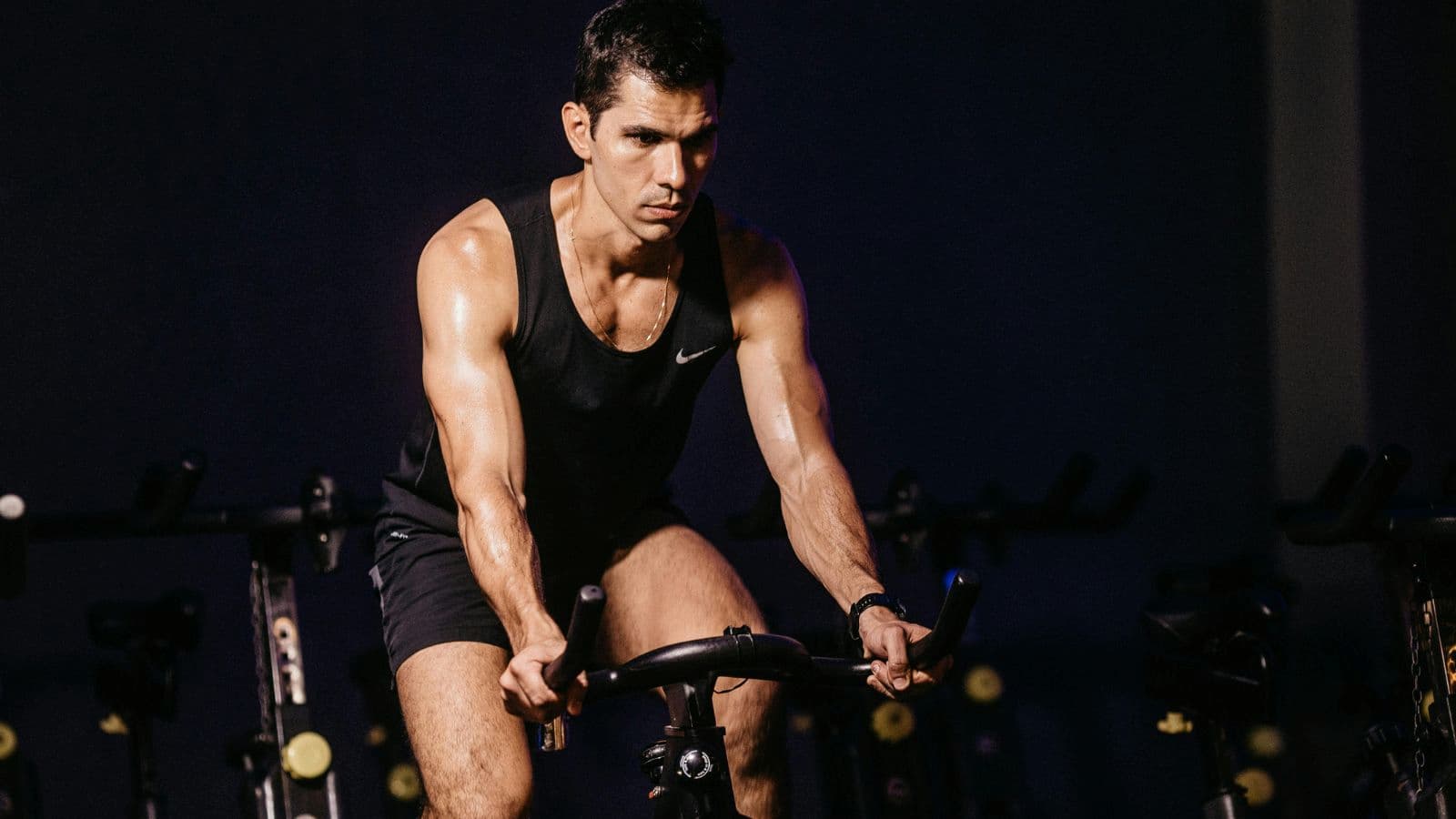
FTP is the foundation of structured cycling training because it gives your training clear direction. It allows you to work in the correct intensity zones, measure progress objectively, and pace your efforts more effectively. Without it, most cyclists end up either training too hard and burning out or too easy and failing to improve. Using FTP ensures your training is targeted, consistent, and productive.
What FTP actually represents physiologically?
FTP is closely linked to your body’s ability to manage lactate.
At efforts below FTP:
- Your body can clear lactate effectively
- You can sustain effort for long periods
At efforts above FTP:
- Lactate accumulates rapidly
- Fatigue builds quickly
- Performance drops
This is why FTP is often described as the threshold between sustainable and unsustainable effort.
How FTP relates to real-world cycling?
FTP is not just a number, it directly impacts how you ride.
Below FTP
- Sustainable effort
- Suitable for endurance rides
- Controlled fatigue
At FTP
- Hard but sustainable
- Requires focus and pacing
- Used for tempo and threshold efforts
Above FTP
- High intensity
- Limited duration
- Rapid fatigue
Understanding these levels helps you manage effort across all types of rides.
How to estimate or test your FTP?
FTP is typically measured using structured tests.
Common methods
- Time-based maximal efforts on a trainer or road
- Ramp tests on smart trainers
- Field tests using power meters
The goal is to estimate the highest sustainable effort you can maintain under controlled conditions.
Why testing matters?
Testing gives you a baseline.
With an accurate FTP:
- Training zones become meaningful
- Progress can be tracked
- Sessions can be structured properly
Without testing, your training intensity is based on guesswork.
How FTP is used in training?
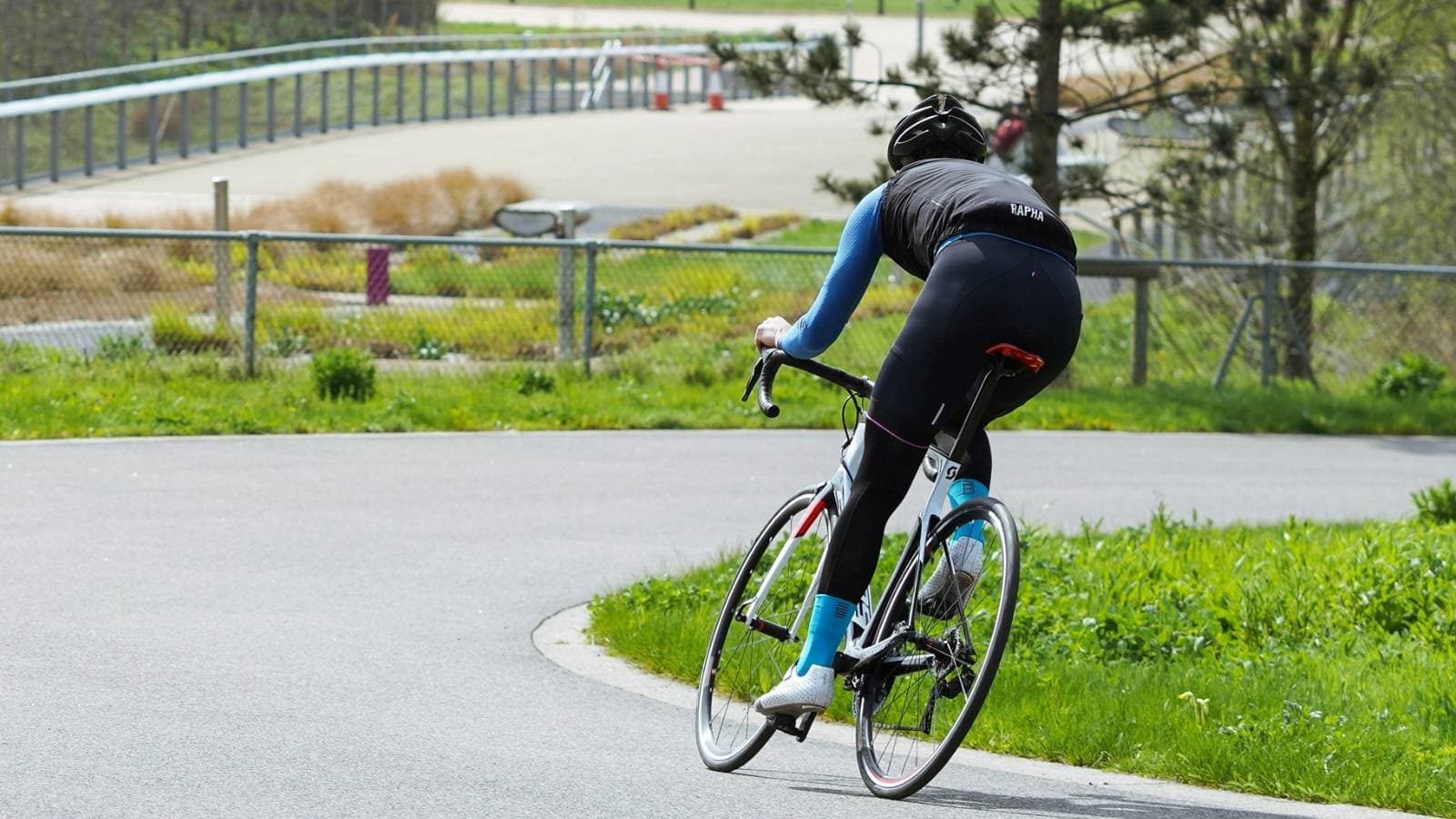
FTP is used to create training zones.
These zones define how hard each session should be.
Examples of how FTP is applied
- Easy rides: well below FTP
- Tempo efforts: approaching FTP
- Threshold sessions: at FTP
- Intervals: above FTP
This allows you to target specific adaptations instead of riding randomly.
Improving your FTP
FTP can be increased through structured training.
Key methods
- Consistent endurance riding
- Threshold intervals
- Progressive overload
Improving FTP means:
- Higher sustainable power
- Better performance
- Faster average speeds
The role of consistency
FTP does not improve from occasional hard efforts.
It improves through:
- Regular training
- Gradual progression
- Consistent workload
Missing structure limits FTP development.
FTP vs speed: what’s the difference?
FTP measures power, not speed. FTP measures your power output, not your speed. It reflects your internal capacity to produce sustained effort. This means two riders with the same FTP can ride at different speeds depending on conditions. Improving your FTP will generally make you faster, but it’s important to understand that power and speed are not the same thing.
Speed is influenced by:
- Aerodynamics
- Terrain
- Wind
- Equipment
Build explosive power to boost your sprint speed
If you want to boost your top-end cycling speed, sprinting ability is a key factor. Developing a stronger sprint helps you generate higher peak power, respond to attacks, and finish efforts faster. This comes from a combination of explosive strength, efficient technique, and targeted high-intensity training. For a full breakdown of how to improve your sprinting and maximize your top-end speed, see our guide on how to improve your sprinting?
Common misconceptions about FTP
Higher FTP always means better performance
Not always. Performance also depends on:
- Aerodynamics
- Pacing
- Endurance
FTP is only for advanced cyclists
Incorrect. Beginners benefit from understanding effort levels just as much.
You need a power meter to use FTP
While a power meter helps, perceived effort and structured training can still apply similar principles.
How FTP helps with pacing?
FTP is one of the most effective tools for pacing rides and races.
Why it works
- Prevents overexertion early
- Helps maintain steady effort
- Supports consistent performance
How FTP connects to endurance?
FTP is not just about short efforts, it supports endurance performance.
A higher FTP means:
- You can ride faster at the same relative effort
- You fatigue more slowly
- You maintain performance over longer durations
This is why FTP is central to endurance cycling.
Signs your FTP is improving
- Higher power at the same effort
- Ability to sustain effort longer
- Improved consistency in rides
- Reduced fatigue at previous intensities
Progress is not just about numbers — it’s about how your riding feels.
Common mistakes when using FTP
- Training too hard relative to FTP
- Ignoring recovery
- Not updating FTP regularly
- Treating every session as high intensity
FTP is a guide, not a reason to push every session to the limit.
Practical checklist: understanding and using FTP
- Use FTP to improve pacing
- Test or estimate your FTP
- Use it to guide training intensity
- Structure sessions around effort zones
- Focus on consistent training
- Retest periodically
- Avoid overtraining above threshold
FAQ
It helps structure training, define intensity zones, and improve pacing.
Through structured tests like time trials or ramp tests using a power meter or trainer.
Yes. It helps all cyclists understand effort and train more effectively.
Regular testing helps track progress and adjust training zones as fitness improves.
Usually, but speed also depends on external factors like aerodynamics and terrain.
With consistent training, improvements can be seen within a few weeks.
It helps, but similar principles can be applied using perceived effort.
You risk fatigue, overtraining, and reduced performance.
No, but it strongly influences your ability to sustain effort over time.