Zone 2 and high intensity cycling represent two fundamentally different training approaches. Zone 2 focuses on aerobic efficiency and long-duration sustainability, while high intensity cycling targets speed, power, and performance at maximum effort. Both are essential, but they deliver different adaptations and must be used strategically.

What Zone 2 Cycling Is?
Zone 2 cycling is a low-intensity effort performed at a steady, controlled pace. It typically sits around sixty to seventy percent of maximum heart rate or a pace where conversation is comfortable and breathing is stable. This zone trains the aerobic system. It improves mitochondrial function, fat metabolism, and efficiency in using oxygen to produce energy. Over time, this allows you to ride longer and maintain higher outputs with less fatigue.
Zone 2 is not about speed. It is about building a base that supports all higher-intensity efforts.
What High Intensity Cycling Is?
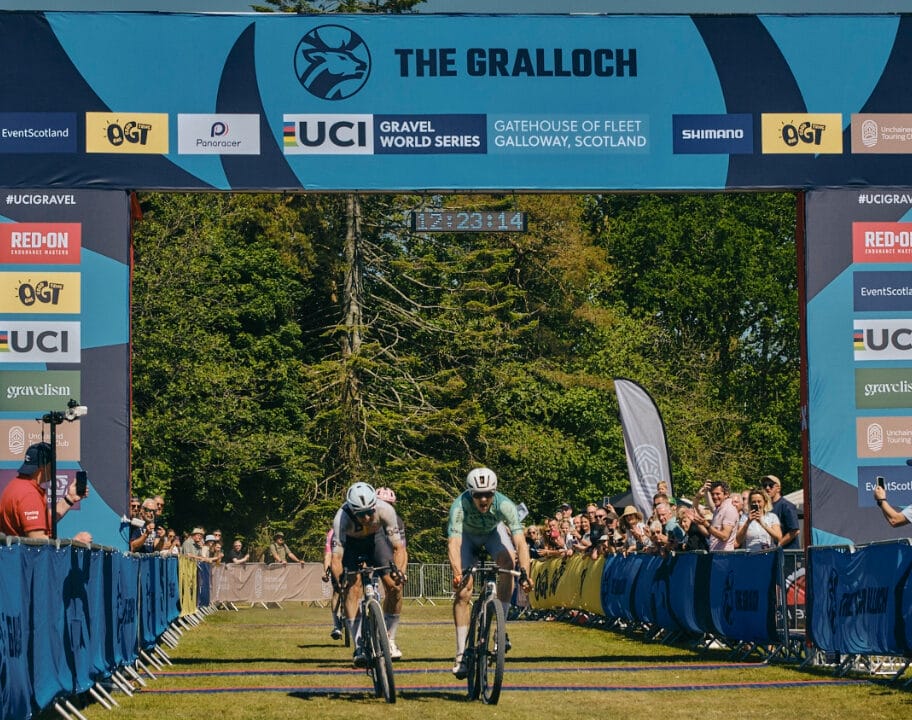
High intensity cycling includes efforts performed near or above threshold. This ranges from tempo to VO2 max and sprint efforts. These sessions are short, demanding, and require recovery between efforts. High intensity training improves power output, lactate tolerance, and the ability to sustain faster speeds. It pushes the upper limits of your cardiovascular and muscular systems.
These sessions are critical for racing and performance but cannot be sustained for long durations.
The Core Difference
The difference between Zone 2 and high intensity cycling comes down to energy systems and training effect.
- Zone 2 uses primarily aerobic metabolism and focuses on efficiency.
- High intensity relies more on anaerobic contribution and focuses on performance limits.
- Zone 2 builds the engine. High intensity pushes how hard that engine can work.
How Each Feels?
Zone 2 feels controlled and sustainable. You can maintain effort for hours without significant fatigue buildup. Breathing is steady and manageable. High intensity feels hard from the start. Breathing becomes heavy, and effort is difficult to sustain beyond short intervals.
Understanding this difference in feel is key to executing sessions correctly.
How Each Impacts Performance?
Zone 2 training improves endurance, efficiency, and recovery capacity. It allows you to sustain efforts for longer without fatigue. High intensity training improves speed, power, and the ability to perform at race pace. It increases your ceiling of performance.
Without Zone 2, you lack endurance. Without high intensity, you lack speed.
When to Use Zone 2?
- Zone 2 should make up the majority of your weekly training.
- It is the foundation of endurance development.
- It is used for long rides, recovery sessions, and base training phases.
When to Use High Intensity?
- High intensity sessions should be used strategically, typically once or twice per week.
- They are most effective when layered on top of a strong aerobic base.
- These sessions are used to improve race performance, increase power, and develop speed.
Balancing Zone 2 and High Intensity
Effective training combines both approaches. Most endurance athletes follow a structure where the majority of training is low intensity, with a smaller portion dedicated to high intensity. This balance allows consistent progress without excessive fatigue.
Common Mistakes
- Riding too hard during Zone 2 sessions reduces their effectiveness and increases fatigue.
- Avoiding high intensity completely limits performance improvements.
- Doing too much high intensity leads to burnout and poor recovery.
- Not distinguishing between effort levels results in unstructured and ineffective training.
Practical Structure
A balanced week might include:
- Multiple Zone 2 rides for endurance
- One or two high intensity sessions
- Recovery rides to support adaptation
This structure builds both endurance and performance capacity.
Practical Checklist
- Keep Zone 2 truly easy and controlled
- Execute high intensity sessions with quality
- Separate hard sessions with recovery
- Track heart rate or power to stay in the right zone
- Build consistency before increasing intensity
What You Should Do:
- Start by establishing a strong Zone 2 base.
- Focus on consistency and volume.
- Introduce high intensity sessions gradually to avoid overload.
- Monitor how your body responds.
- If fatigue accumulates, reduce intensity rather than volume.
- Training is most effective when each session has a clear purpose.
- Zone 2 builds your foundation.
- High intensity defines your performance.
FAQ
Efforts near or above threshold, including intervals and sprints.
Zone 2 is the primary driver of endurance development.
High intensity training improves speed and power output.
Typically once or twice per week depending on training load.
Yes, but it should be introduced gradually.
You can maintain conversation and effort feels controlled.
Spending too much time in moderate intensity instead of structured zones.