Cornering on a road bike is one of the most important skills for both safety and speed. For beginners, the challenge is not just turning the bike, it is learning how to control speed, position your body, and maintain grip through the turn. Good cornering allows you to carry speed confidently without unnecessary braking or risk.
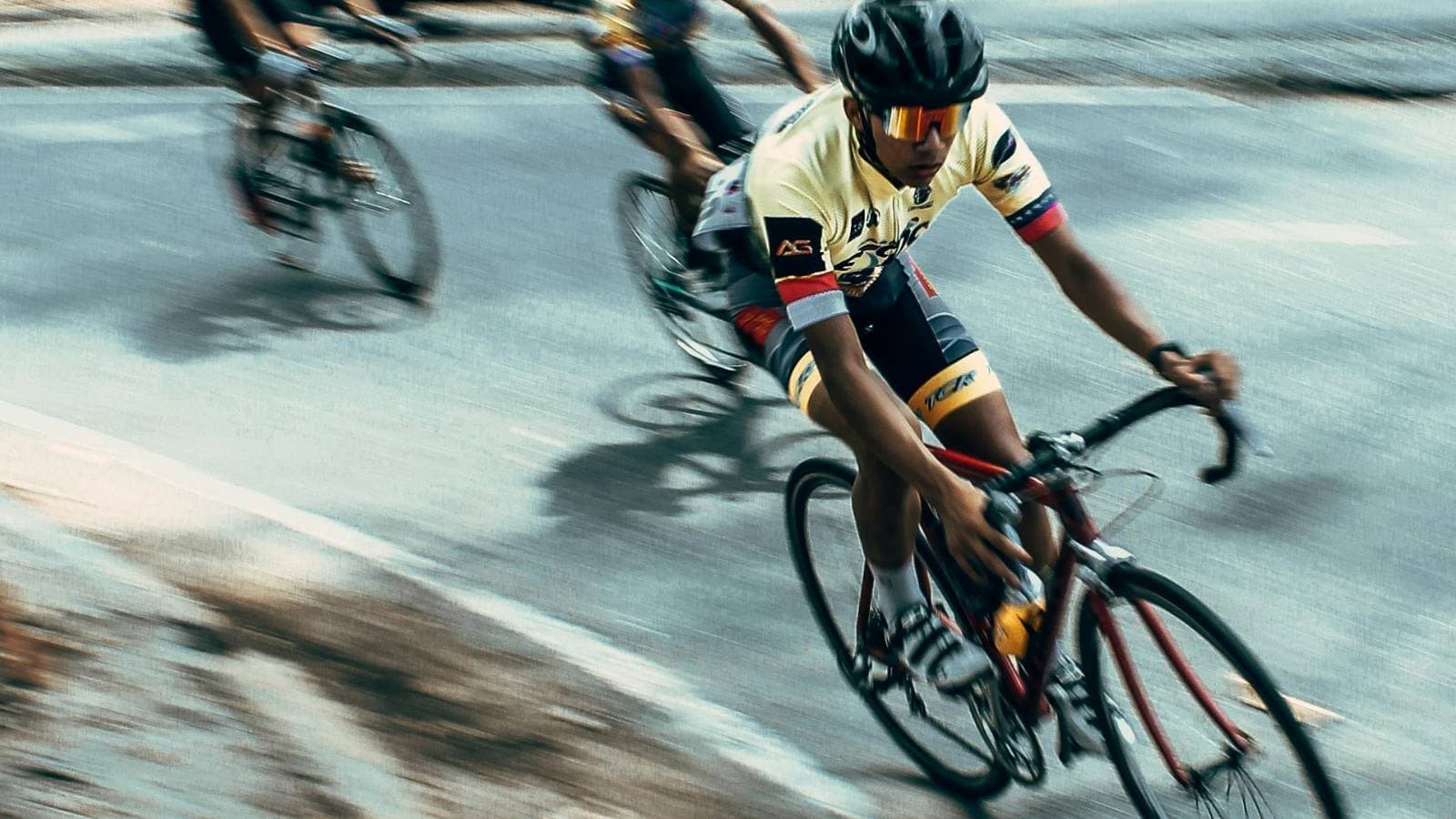
What Cornering Actually Involves?
Cornering is the combination of speed control, body positioning, and bike handling. As you enter a turn, your ability to manage momentum determines how smoothly you exit. It is not about turning sharply, it is about maintaining balance, traction, and flow.
The smoother the corner, the faster and safer your ride becomes.
Why Beginners Struggle With Cornering?
- Most beginners struggle because of fear and lack of technique.
- Entering corners too fast or braking at the wrong time creates instability.
- Looking down instead of ahead limits control and reaction time.
- Confidence plays a role, but it must be supported by proper technique.
Control Speed Before the Corner
- Speed management is the most important part of cornering.
- Braking should be done before entering the turn, not during it.
- Entering at a controlled speed allows you to focus on technique rather than reacting under pressure.
- Smooth speed control leads to smoother cornering.
This same principle of controlled effort is key when applying how to descend faster and safer on a road bike, where braking timing determines stability.
Look Where You Want to Go
- Your vision guides your movement.
- Looking through the corner helps you follow a smooth line.
- If you look down or focus on obstacles, your line becomes less controlled.
- Keeping your eyes ahead improves both confidence and precision.
Body Position and Balance
- Body position directly affects stability.
- Lowering your centre of gravity improves control through the turn.
- Keep your upper body relaxed while maintaining a firm grip on the handlebars.
- Your weight should be balanced to keep traction on both wheels.
- A stable position allows smoother movement through corners.
Lean the Bike, Not the Body
In cornering, the bike leans more than your body. This helps maintain balance and grip while allowing controlled movement. Leaning too much with your body reduces stability and increases risk.
Keeping your body slightly more upright improves control.
Pedal Position for Stability
- Pedal position is critical for safe cornering.
- The outside pedal should be down, applying pressure for stability.
- The inside pedal should be raised to avoid contact with the ground.
- This positioning improves balance and traction through the turn.
Maintain Smooth Movement
- Cornering should feel fluid, not abrupt.
- Sudden movements disrupt balance and reduce grip.
- Smooth steering, controlled leaning, and steady speed create better flow.
- Consistency in movement leads to better control.
Grip and Traction Awareness
- Grip depends on tyre contact with the road.
- Sudden braking or sharp movements reduce traction.
- Maintaining smooth input keeps tyres connected and stable.
- Understanding traction helps you ride confidently in different conditions.
Bike setup also plays a role, especially when aligned with cycling cadence explained, where smooth pedaling supports overall bike control.
Practice Cornering Gradually
- Cornering skills improve with practice.
- Start with slower speeds and familiar roads.
- Gradually increase speed as confidence and technique improve.
- Repetition builds muscle memory and control.
- Consistent practice is more effective than occasional effort.
Combining Cornering With Overall Riding Skills
Cornering is not an isolated skill, it connects with overall bike handling. Pacing, positioning, and awareness all contribute to better cornering.
These improvements also support overall performance, similar to how efficiency is developed in how to increase average cycling speed, where control and consistency matter.
Common Mistakes
- Braking during the corner reduces stability.
- Looking down instead of ahead limits control.
- Entering corners too fast increases risk.
- Poor pedal position affects balance.
- Tension in the upper body reduces smooth movement.
Practical Checklist
- Brake before entering the corner
- Look through the turn
- Lower your body for stability
- Keep outside pedal down
- Maintain smooth, controlled movement
- Practice progressively
What You Should Do?
- Start by focusing on control rather than speed.
- Practice cornering in safe, familiar environments.
- Pay attention to body position, vision, and pedal placement.
- Gradually increase speed as your confidence improves.
- Cornering well is about smoothness and control, not aggression.
- The more consistent your technique, the safer and faster your riding becomes.
FAQs
By practicing at controlled speeds and focusing on technique. Consistency and gradual progression build confidence over time.
No, braking should be done before entering the turn. Braking during the corner reduces stability and grip.
The outside pedal should be down for stability.
It helps guide your line and improves control. Looking down limits reaction time and accuracy.
Start slow and increase speed gradually.
Yes, lowering your centre of gravity improves stability. A relaxed upper body helps maintain control.
Yes, especially when combined with high speed or sudden braking. Proper technique reduces risk significantly.
Through repeated practice and controlled progression. Familiar routes help build comfort and skill.
Yes, grip and condition influence traction.
Entering corners too fast without proper control. Managing speed before the turn is key.