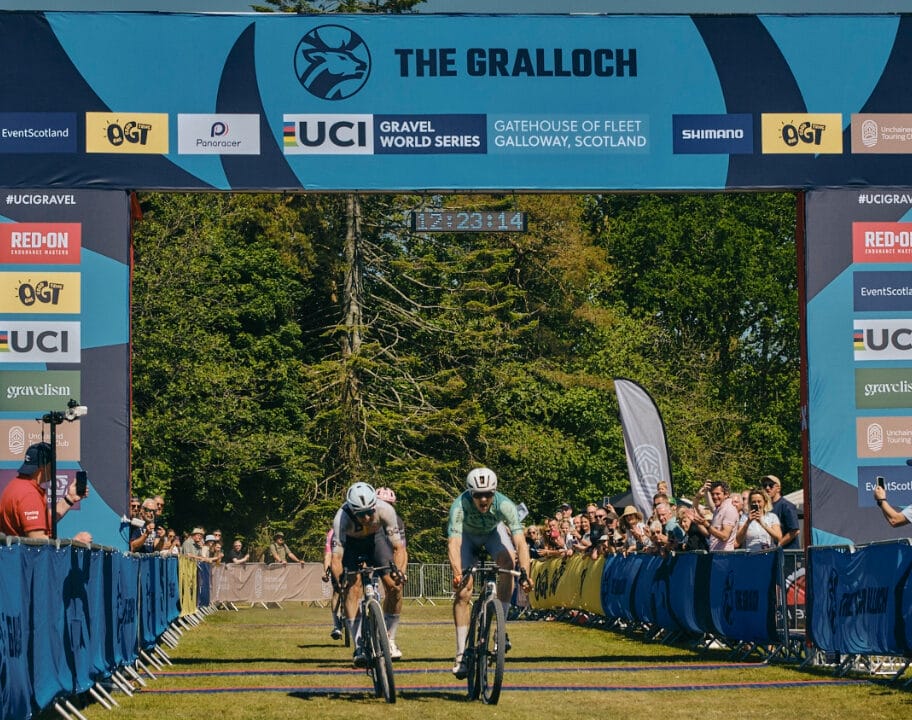



Cyclists can stop letting race results define their self worth by separating their personal identity from their athletic performance. A finishing position reflects what happened in one event, not a rider’s overall ability, character, or value as a person. Competitive cycling often involves months of preparation for a single race. When athletes invest significant time, energy, and emotion into training, disappointing results can feel personal. Missing a target, losing contact with a group, or finishing behind competitors may lead to frustration and self doubt. While disappointment is a normal part of competition, problems can develop when cyclists begin treating every result as evidence of their personal worth. This mindset can create unnecessary pressure, reduce enjoyment, and make setbacks harder to manage.
Developing a healthier relationship with racing does not mean abandoning ambition. Cyclists can remain competitive, pursue demanding goals, and care deeply about performance while recognizing that their value extends beyond the results sheet.
In Short
- Race results do not determine personal worth.
- Separate athletic performance from personal identity.
- Focus on controllable actions rather than finishing positions.
- Recognize progress beyond podium results.
- Set realistic performance and process goals.
- Avoid constant comparisons with competitors.
- Allow disappointment without excessive self criticism.
- Maintain interests and relationships outside cycling.
- Learn from setbacks without dwelling on them.
- Seek support when racing negatively affects mental well being.
Why Cyclists Connect Self Worth to Race Results?
Cycling can become an important part of a person’s identity, particularly when training and competition occupy much of their time. Athletes may begin measuring success through race positions, power numbers, personal records, or recognition from others.
Several factors can contribute to this connection:
- Strong personal expectations.
- Significant training commitments.
- Pressure from teammates or coaches.
- Social media comparisons.
- Fear of disappointing others.
- Previous competitive success.
- Perfectionist thinking.
- Limited interests outside cycling.
These influences can make a poor result feel more significant than it actually is. For example, a cyclist who trains consistently for several months may interpret one disappointing race as evidence that their preparation was worthless. However, fitness development and personal progress do not disappear because of one result.
Separate Your Identity From Your Performance
One of the most useful mental shifts is recognizing the difference between being a cyclist and being defined entirely by cycling. Athletic identity can provide purpose, motivation, and belonging. Problems may arise when it becomes the only important source of self-esteem.
A cyclist can value:
- Their commitment to training.
- Their willingness to learn.
- Their relationships with others.
- Their personal responsibilities.
- Their enjoyment of riding.
- Their achievements outside sport.
- Their ability to handle challenges.
These qualities remain meaningful regardless of finishing position. Instead of thinking, “I finished badly, so I am a bad cyclist,” a more balanced response is, “I did not perform as expected today, but I can learn from the experience.” This distinction allows cyclists to evaluate performance without attacking their personal worth.
Focus on What You Can Control
Race results are influenced by several factors that cyclists cannot fully control. Competitors’ fitness, weather, crashes, tactical decisions, and mechanical problems can all affect finishing positions. However, cyclists can influence how they prepare and respond.
Controllable Factors
- Training consistency.
- Equipment preparation.
- Nutrition and hydration.
- Pacing decisions.
- Race strategy.
- Communication.
- Recovery habits.
- Responses to setbacks.
Less Controllable Factors
- Competitors’ performances.
- Unexpected weather.
- Mechanical failures.
- Race incidents.
- Other riders’ tactics.
- Final finishing position.
Understanding how to train smarter and ride stronger can help cyclists direct attention toward preparation and decisions that support long-term improvement. Focusing on controllable actions provides a more stable way to evaluate success than relying entirely on results.
Set Process Goals Alongside Race Goals
Outcome goals describe what cyclists want to achieve, such as winning a race or finishing in a particular position. Process goals focus on actions that support performance. Both can be useful, but process goals remain relevant even when the race does not unfold as expected.
| Goal type | Example |
|---|---|
| Outcome goal | Finish in the top 10 |
| Performance goal | Improve a previous time on a comparable course |
| Process goal | Maintain controlled effort during climbs |
| Process goal | Follow a practiced fueling strategy |
| Process goal | Make calm tactical decisions |
A cyclist may miss an outcome goal while successfully executing several important process goals. Understanding how to pace a long cycling ride properly can help riders develop measurable goals around effort management rather than finishing position alone. This approach encourages improvement without making every result a judgment of personal value.
Recognize Progress Beyond Finishing Positions
Race results do not always reflect improvements in fitness or skill. A cyclist may become stronger but finish lower because the competition is more demanding.
Other meaningful indicators of progress include:
- Improved endurance.
- Better pacing.
- Greater confidence on descents.
- More consistent training.
- Improved bike handling.
- Better nutrition habits.
- Faster recovery between sessions.
- More effective tactical decisions.
Understanding how to increase average cycling speed can help cyclists identify performance improvements that may not immediately translate into better race positions. Tracking several indicators provides a more complete picture of development.
Avoid Constant Comparisons With Other Cyclists
Comparing yourself with competitors can sometimes provide useful motivation. However, constant comparison may undermine confidence when athletes overlook differences in experience, training availability, and individual circumstances.
Cyclists may compare:
- Race positions.
- Power outputs.
- Training volume.
- Equipment.
- Social media achievements.
- Body composition.
- Personal records.
These comparisons rarely reveal the complete picture. A cyclist training around work and family commitments may have different opportunities from someone with more time to recover and prepare. Understanding why cyclists shouldn’t rely on training data can help riders recognize the limitations of using numbers as the only measure of progress. Use other cyclists’ performances as information rather than evidence of your own inadequacy.
Learn to Handle Disappointing Race Results
Disappointment is a natural response when a race does not meet expectations. The goal is not to eliminate negative emotions but to respond without allowing them to become lasting judgments about yourself.
A useful approach includes:
- Acknowledge the disappointment.
- Avoid making immediate conclusions about your ability.
- Allow time for emotions to settle.
- Review the race objectively.
- Identify useful lessons.
- Decide what to improve next.
- Move forward without repeatedly revisiting the result.
For example, missing a breakaway may reveal an opportunity to improve positioning or tactical awareness. That information can support future training without becoming a reason for self criticism.
Use a Balanced Post Race Review
Reviewing performance helps cyclists learn from competition. However, repeatedly analyzing mistakes can become unproductive when it reinforces negative thinking. A structured review can help maintain perspective.
Three Questions to Ask After Racing
What went well?
Identify useful decisions, improvements, and successful parts of the race.
What could improve?
Choose one or two realistic areas for development.
What will I do differently next time?
Turn the lessons into specific actions. Understanding what are the benefits of bike racing frequently can help cyclists recognize how competition provides learning opportunities beyond finishing positions. Avoid treating every disappointing race as a reason to completely change your training plan.
Build Confidence Through Consistent Training
Confidence becomes more stable when cyclists recognize the work they complete rather than relying entirely on race results. Consistent training provides repeated evidence of preparation, commitment, and improvement.
Useful confidence building habits include:
- Maintaining a realistic training routine.
- Recording completed sessions.
- Recognizing small improvements.
- Practicing difficult skills.
- Celebrating consistent effort.
- Allowing adequate recovery.
- Reviewing progress over several months.
Understanding why is consistency more important than intensity for cycling success can help cyclists appreciate the value of regular training. A single result should not outweigh months of meaningful progress.
Develop a Healthier Relationship With Competition
Healthy competition allows cyclists to pursue ambitious goals while accepting that success is never guaranteed. Racing can provide motivation, excitement, and opportunities to test personal limits. However, cyclists should be able to enjoy the sport even when results are disappointing.
A healthier competitive approach includes:
- Setting challenging but realistic goals.
- Accepting uncertainty.
- Respecting competitors.
- Recognizing effort and improvement.
- Avoiding unnecessary self-criticism.
- Maintaining enjoyment.
- Understanding that setbacks are normal.
Competition should challenge athletes without making their self-esteem dependent on the outcome.
Maintain Interests Outside Cycling
Having a balanced identity can make disappointing results easier to manage. Cyclists who maintain meaningful activities outside sport have additional sources of enjoyment and personal satisfaction.
These may include:
- Spending time with family.
- Maintaining friendships.
- Developing professional skills.
- Enjoying hobbies.
- Volunteering.
- Exploring other interests.
- Taking part in recreational activities.
These activities do not necessarily reduce athletic commitment. Instead, they can provide perspective and help prevent cycling from becoming the only measure of personal success.
Avoid Using Hard Training as Punishment
After a disappointing race, some cyclists respond by increasing training intensity or volume immediately. Although motivation to improve can be useful, training driven by frustration may lead to poor decisions.
Potential problems include:
- Excessive fatigue.
- Reduced recovery.
- Increased injury risk.
- Loss of motivation.
- Disrupted training structure.
- Greater emotional pressure.
Understanding how to know if you are overtraining in cycling can help cyclists recognize when additional training stress may be counterproductive. Training should be guided by fitness needs and a realistic plan rather than used as punishment for an unwanted result.
Choose Supportive Training Partners
The people cyclists train with can influence how they interpret success and failure. Supportive partners encourage improvement without making every session or race a competition.
Look for riders who:
- Respect different abilities.
- Celebrate individual progress.
- Offer constructive feedback.
- Avoid unnecessary comparisons.
- Encourage appropriate recovery.
- Make cycling enjoyable.
- Support realistic goals.
Understanding how to ride safely in a cycling group can help cyclists recognize the importance of communication and mutual respect when riding with others. A positive training environment can make setbacks easier to discuss and manage.
Use Self Talk That Supports Improvement
The way cyclists speak to themselves after racing can influence confidence and motivation. Harsh self criticism may increase frustration without providing useful guidance. Instead, use realistic and constructive statements.
| Unhelpful thought | More constructive response |
|---|---|
| I’m a terrible cyclist. | I had a disappointing race. |
| Everyone is better than me. | Different riders have different strengths. |
| All my training was wasted. | My fitness can still improve despite this result. |
| I always fail under pressure. | I can practice responding better to pressure. |
| I need to train harder immediately. | I need to review what will actually help. |
Constructive self-talk does not mean pretending everything went well. It means evaluating performance without turning mistakes into personal attacks.
Know When to Take a Break From Racing
Sometimes cyclists benefit from stepping away from competition temporarily. This may be particularly helpful when racing consistently creates anxiety, frustration, or a loss of enjoyment.
Possible signs include:
- Dreading every race.
- Feeling worthless after poor results.
- Persistent anxiety about performance.
- Losing interest in enjoyable rides.
- Training through exhaustion.
- Difficulty separating sport from personal life.
- Repeated negative thoughts about ability.
A break does not necessarily mean stopping all cycling. Easy recreational rides, reduced training demands, or time spent on other activities may help restore perspective. Understanding how to stay fit during the cycling off-season can help cyclists maintain activity without constant competitive pressure. If feelings of worthlessness, anxiety, or low mood persist or interfere with daily life, consider speaking with a qualified mental health professional, ideally one familiar with athletes.
Common Mistakes
- Judging self worth by finishing position.
- Comparing every result with competitors.
- Ignoring improvements outside racing.
- Using hard training as punishment.
- Dwelling on mistakes for too long.
- Setting only outcome-based goals.
- Neglecting interests outside cycling.
- Hiding persistent emotional difficulties.
Practical Tips
- Separate personal identity from performance.
- Set process goals before racing.
- Record progress beyond results.
- Review races objectively.
- Use constructive self-talk.
- Maintain supportive relationships.
- Allow disappointment without self-criticism.
- Seek help when needed.
Actionable Takeaways
- Your finishing position does not determine your value.
- Focus on preparation, effort, and decisions.
- Measure progress in several ways.
- Learn from disappointing races.
- Keep cycling enjoyable and sustainable.
FAQs
Cyclists may connect self worth to results because of personal expectations, competitive pressure, athletic identity, and the time invested in training.
Acknowledge disappointment, separate performance from identity, review controllable factors, and recognize progress that exists beyond the result.
Yes. Disappointment is a normal response when performance falls below expectations, particularly after significant preparation.
It can. Excessive outcome pressure may increase anxiety, distract from useful decisions, and reduce enjoyment of competition.
Confidence can develop through consistent training, improved skills, realistic goals, and recognizing personal progress.
No. Competitive goals can remain motivating, but they should be balanced with process goals and realistic expectations.
Focus on individual progress, recognize differences in circumstances, and use competitors’ performances as information rather than personal judgments.
Yes. A temporary break may help some cyclists reduce pressure, regain enjoyment, and reassess their relationship with competition.