Riding in a cycling group improves efficiency, speed, and overall experience, but it also introduces risk if not done correctly. Group riding requires awareness, communication, and control to maintain safety while riding close to others. For beginners, learning how to ride safely in a group is essential before focusing on performance.
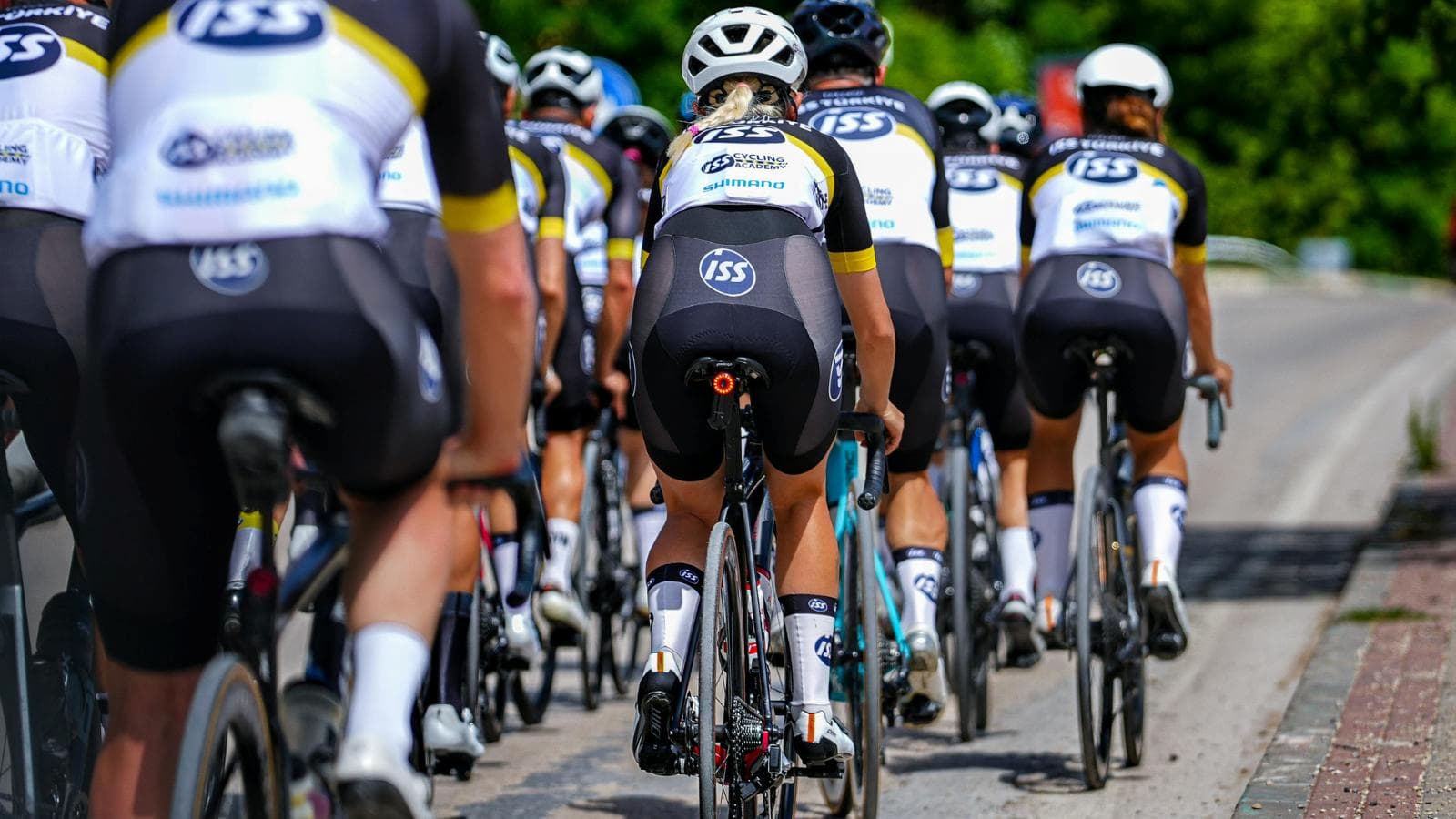
What Group Riding Actually Involves?
Group riding means cycling in close proximity to others, often within a few inches of wheels. This reduces wind resistance and improves efficiency through drafting. However, it also means your margin for error is smaller.
Every movement must be controlled and predictable.
Why Group Riding Requires Skill?
- Unlike solo riding, group riding depends on coordination.
- Sudden braking, swerving, or inconsistent pacing can cause accidents.
- Riders must trust each other to maintain stability and flow.
- Safety comes from consistency, not speed.
Maintain a Steady Line
- Holding a straight and predictable line is one of the most important skills.
- Avoid sudden movements or drifting across the road.
- Riders behind you rely on your stability to maintain their position.
- Consistency in movement keeps the group safe and efficient.
This level of control also supports overall riding performance, similar to how stability is developed in how to increase average cycling speed, where smooth effort improves efficiency.
Control Your Speed and Braking
- Speed changes should be gradual and controlled.
- Sudden braking can create a chain reaction in the group.
- Feather the brakes lightly rather than applying them abruptly.
- Maintaining consistent speed reduces the need for braking.
- Smooth control keeps the group moving safely.
Keep Safe Distance
- Riding close improves drafting benefits, but distance must be controlled.
- Beginners should allow slightly more space until they gain confidence.
- Focus on the rider ahead’s hips or upper body rather than their wheel.
- This improves reaction time and stability.
- Over time, spacing becomes more comfortable and controlled.
Communicate Clearly
- Communication is essential in group riding.
- Hand signals and verbal cues alert others to hazards or changes.
- Pointing out obstacles such as potholes or debris helps the group react safely.
- Clear communication reduces uncertainty and risk.
Understand Group Positioning
- Different positions in the group require different levels of awareness.
- Riding at the front means setting pace and maintaining control.
- Riding in the middle requires focus on maintaining position.
- The back of the group often experiences more speed changes.
- Understanding positioning helps you adapt and stay safe.
Drafting and Efficiency
- Drafting reduces effort by riding in the slipstream of others.
- It allows you to conserve energy while maintaining speed.
- However, it requires precise control and awareness.
- Maintaining steady cadence and position improves drafting efficiency.
Applying principles from cycling cadence explained helps maintain rhythm and avoid unnecessary surges in effort.
Cornering in a Group
Cornering in a group requires additional caution.
Maintain your line and avoid sudden braking mid-turn.
Allow space for riders around you while keeping movements smooth.
Cornering skills become even more important in groups, especially when aligned with how does sweet spot training improve cycling, where control and positioning improve safety.
Be Aware of Your Surroundings
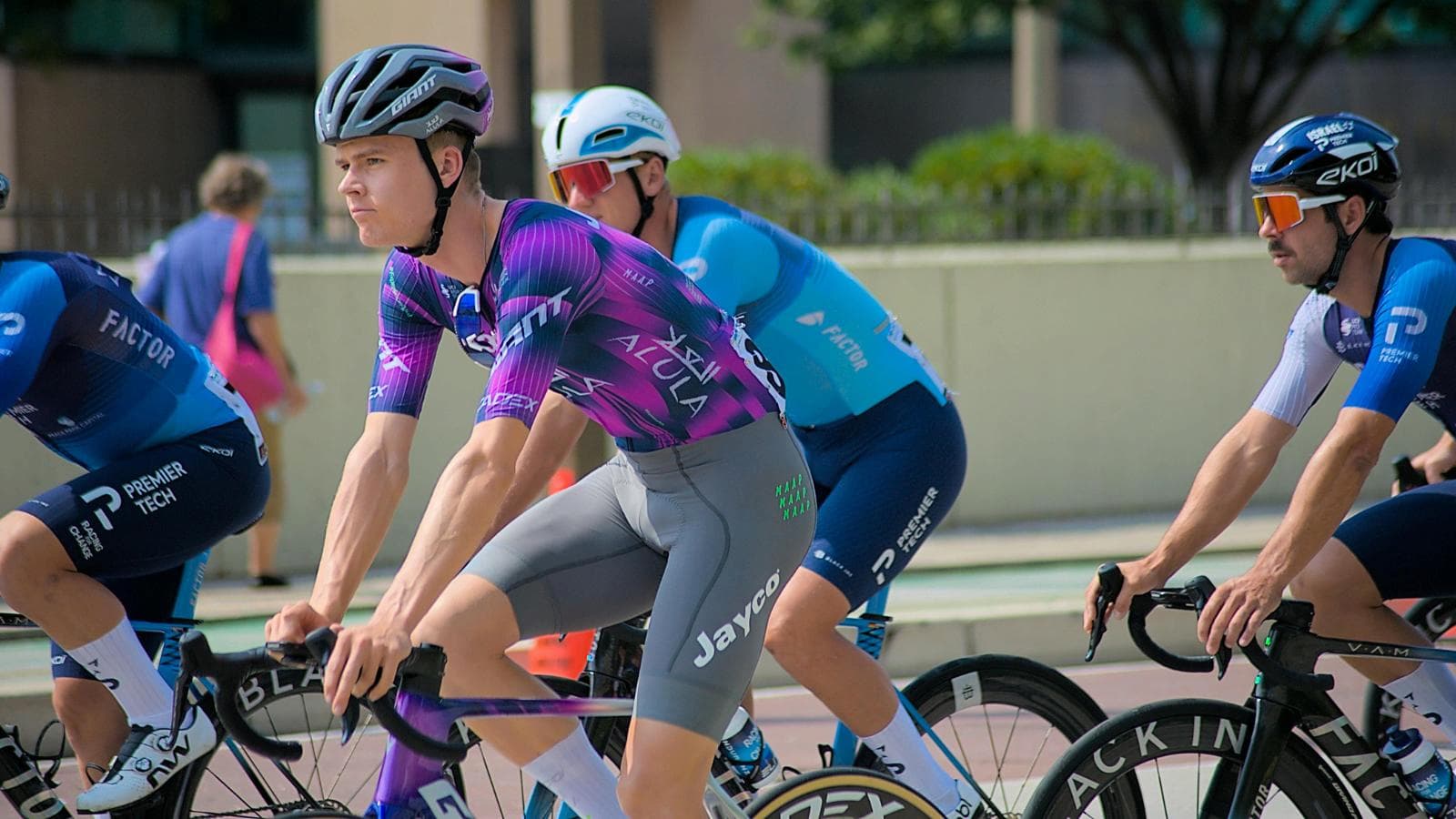
- Constant awareness is essential in group riding.
- Pay attention to riders around you and changes in pace.
- Look ahead to anticipate obstacles and movements.
- Awareness reduces reaction time and improves safety.
- Staying alert helps prevent accidents before they happen.
Practice Before Joining Fast Groups
- Beginners should start with smaller, slower groups.
- This allows time to develop confidence and control.
- Jumping into fast-paced groups too early increases risk.
- Gradual progression builds skill and comfort.
- Practice improves coordination and awareness.
Common Mistakes
- Looking down instead of ahead reduces reaction time.
- Braking suddenly creates instability in the group.
- Riding too close without control increases risk.
- Failing to communicate causes confusion.
- Inconsistent pacing disrupts group flow.
Practical Checklist
- Hold a steady and predictable line
- Control speed and avoid sudden braking
- Maintain safe spacing
- Communicate clearly with signals
- Stay aware of surroundings
- Practice in smaller groups first
What You Should Do?
- Start by practicing basic bike control before joining a group.
- Ride with experienced cyclists who follow safe practices.
- Focus on smooth movement, steady pacing, and clear communication.
- Gradually build confidence as your skills improve.
- Group riding is about cooperation and awareness, not just speed.
- The smoother you ride, the safer and more efficient the group becomes.
FAQs
Yes, if done with proper technique and awareness. Starting with slower groups helps build confidence safely.
Close enough to draft but with enough space to react.
Sudden braking can cause a chain reaction behind you. Smooth speed control reduces the need for braking.
Slow down or move to a safer position.
Yes, clear signals help prevent accidents. Communication keeps the group informed and safe.
Riding behind another cyclist to reduce wind resistance.
Practice regularly and focus on control and awareness. Riding with experienced cyclists helps develop technique.
No, start with slower groups to build skills.
Inconsistent movement and sudden braking. Smooth and predictable riding is essential.