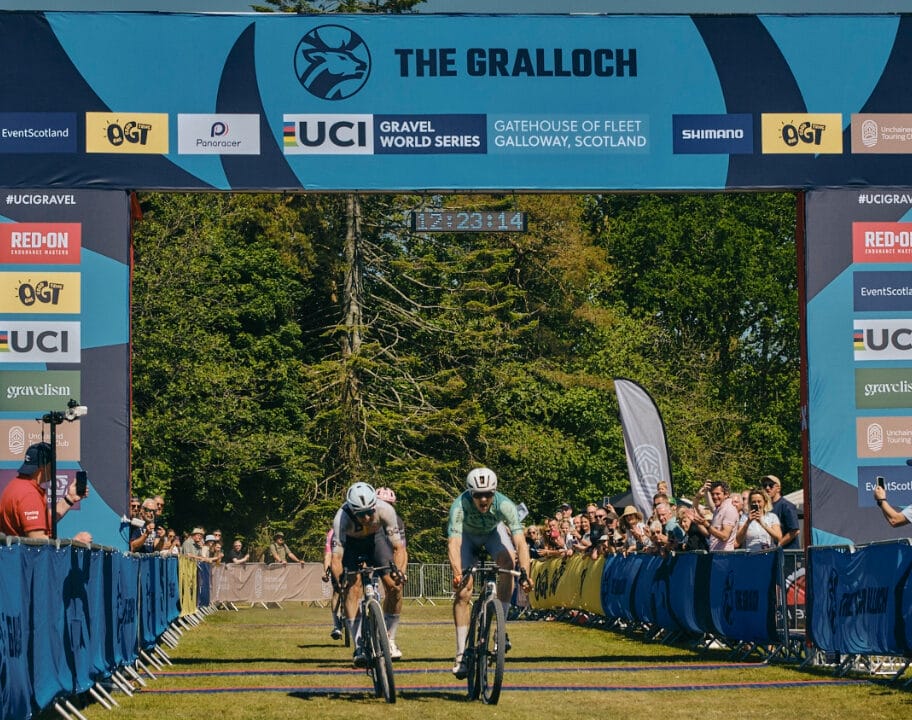


Cyclists can benefit from occasionally training without fitness gadgets because it encourages greater awareness of effort, breathing, fatigue, and riding conditions. Instead of constantly checking power, speed, or heart rate, riders learn to recognize how their bodies respond to different training intensities. Modern cycling technology provides valuable information for tracking fitness, managing training loads, and measuring progress. However, relying on numbers during every ride can sometimes distract cyclists from developing their natural pacing skills. For beginners, training data can feel overwhelming, especially when several metrics appear on a cycling computer simultaneously. Experienced riders may also become overly focused on maintaining specific numbers rather than responding to changing conditions.
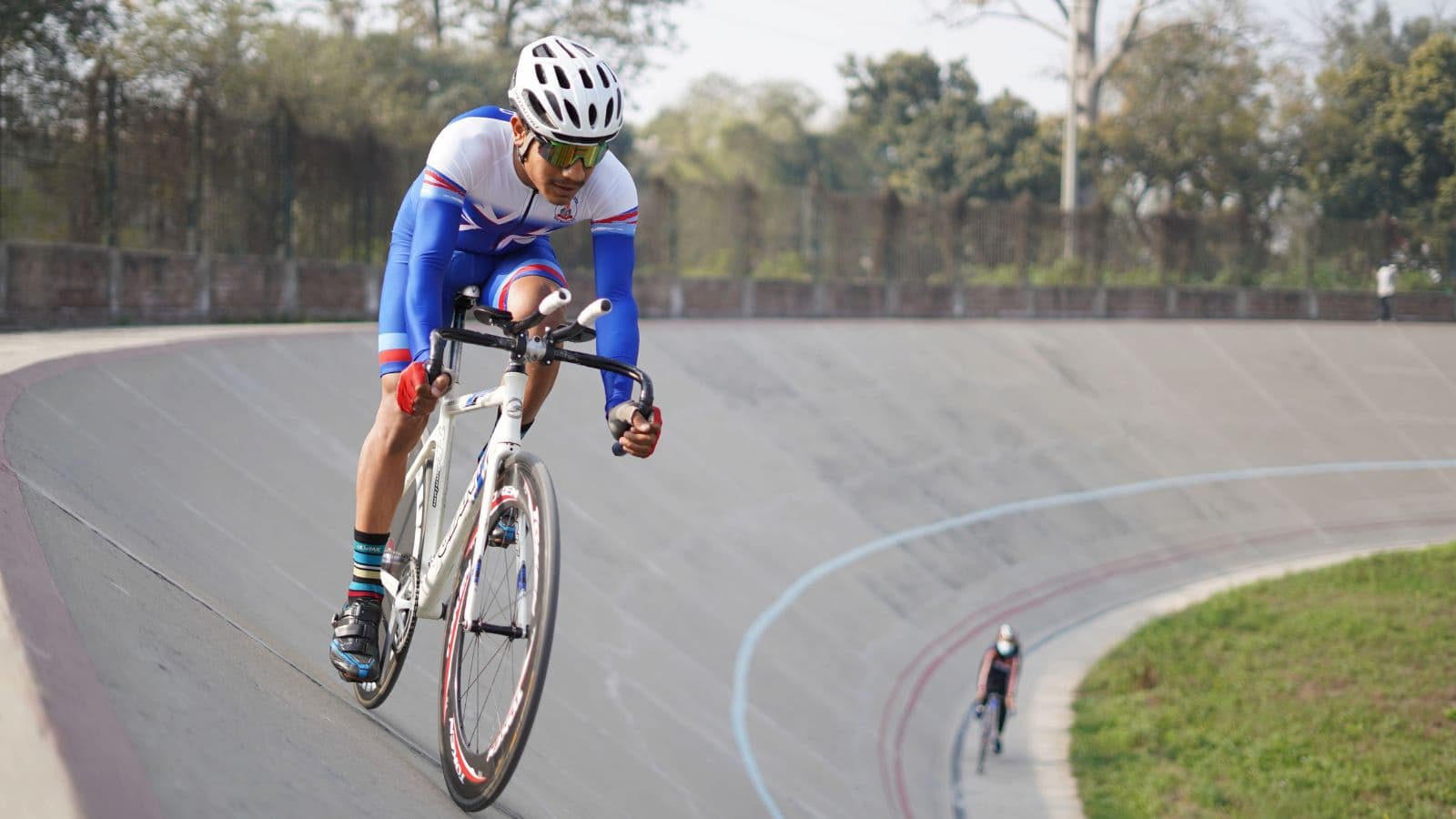
The goal is not to abandon fitness technology completely. Instead, occasional gadget-free rides can complement structured training by improving effort awareness, flexibility, and enjoyment.
In Short
- Gadget-free cycling encourages better effort awareness.
- Riders can practice pacing without constantly checking numbers.
- Easy rides are suitable for training without fitness data.
- Breathing and muscular fatigue provide useful feedback.
- Technology-free rides may improve cycling enjoyment.
- Power meters remain useful for structured workouts.
- Beginners can develop confidence without expensive devices.
- Combining both approaches provides greater training flexibility.
Understanding Gadget Free Cycling
Gadget-free cycling means completing a ride without actively relying on performance information from devices such as:
- GPS cycling computers.
- Power meters.
- Heart rate monitors.
- Smartwatches.
- Speed and cadence displays.
- Training applications.
Some cyclists leave devices at home, while others simply hide performance screens or record data without checking it. The second approach is useful for riders who want to review their training afterward. Understanding why power meter training is important for cyclists can help athletes recognize that objective data remains valuable even when occasional rides are guided by perceived effort.
Improve Awareness of Riding Effort
One of the main benefits of cycling without fitness gadgets is learning to recognize different levels of physical effort. Cyclists can use the rating of perceived exertion, or RPE, scale to estimate intensity.
| RPE | Effort level | Riding sensation |
|---|---|---|
| 1–2 | Very easy | Relaxed pedaling |
| 3–4 | Easy | Comfortable conversation |
| 5–6 | Moderate | Noticeably harder breathing |
| 7–8 | Hard | Limited conversation |
| 9–10 | Very hard | Near maximal effort |
These ranges are approximate and vary between individuals. Understanding what is zone 2 cycling can help cyclists recognize how comfortable aerobic riding should feel without constantly checking heart rate or power.
Develop Better Pacing Skills
Cycling pace changes with terrain, wind, road conditions, and fatigue. A rider who constantly targets a fixed speed may push unnecessarily hard when climbing or riding into a headwind. Training by feel encourages cyclists to maintain a more consistent effort rather than chasing a particular speed.
Useful pacing habits include:
- Starting rides conservatively.
- Maintaining comfortable breathing.
- Reducing effort when fatigue increases.
- Avoiding unnecessary accelerations.
- Saving energy for later sections.
Understanding how to pace a long cycling ride properly can help riders develop sustainable effort management during endurance training. Gadget free rides provide an opportunity to practice these skills without becoming distracted by changing speed numbers.
Reduce Dependence on Training Numbers
Cycling computers provide immediate feedback, but constantly monitoring data can sometimes create unnecessary pressure. For example, cyclists may feel disappointed when their average speed is lower than expected despite completing a useful endurance session.
Performance numbers can change because of:
- Strong winds.
- Hilly terrain.
- Traffic interruptions.
- Poor sleep.
- Previous training fatigue.
- Temperature changes.
Understanding why am i not getting faster even though i’m cycling a lot can help riders recognize that progress is not always reflected in the numbers from a single session. Occasionally ignoring performance displays allows cyclists to focus on completing the intended workout rather than chasing unrealistic targets.
Make Easy Rides More Enjoyable
Not every cycling session needs to involve performance testing or structured intervals. Easy rides provide an opportunity to enjoy movement, explore familiar routes, and recover from demanding workouts.
Potential benefits include:
- Less pressure to achieve a target speed.
- Greater attention to surroundings.
- More relaxed riding.
- Improved enjoyment.
- Reduced mental fatigue from constant monitoring.
Understanding why is consistency more important than intensity for cycling success can help cyclists appreciate why enjoyable, manageable rides contribute to long term training habits. However, riders should still pay attention to road safety, traffic, and navigation.
Learn to Recognize Fatigue
Fitness gadgets can help monitor training stress, but perceived effort also provides important information. A cyclist who feels unusually tired during a normally comfortable ride may need additional recovery.
Signs include:
- Heavy legs.
- Unusually difficult breathing.
- Reduced motivation.
- Poor coordination.
- Persistent soreness.
- Higher effort at familiar speeds.
Understanding how to know if you are overtraining in cycling can help riders identify when fatigue may be affecting their training. Perceived effort is useful feedback, but it should be considered alongside sleep, training history, and other recovery indicators.
Improve Cycling Technique Without Distractions
Cycling without constantly checking a computer can allow riders to concentrate on movement quality.
Useful technique cues include:
- Maintaining relaxed shoulders.
- Keeping a comfortable upper-body position.
- Pedaling smoothly.
- Using appropriate gears.
- Avoiding unnecessary tension.
- Maintaining stable bike control.
Understanding what cycling drills help improve bike technique can help riders practice specific skills without focusing entirely on performance numbers. Gadget free cycling does not automatically improve technique, but it may make it easier to concentrate on movement and handling.
When Fitness Gadgets Are Still Important?
Training without gadgets is not suitable for every workout. Objective measurements are particularly useful during sessions that require precise intensity control.
Examples include:
- FTP testing.
- Structured power intervals.
- Threshold workouts.
- Race-specific pacing sessions.
- Training load monitoring.
- Performance comparisons.
Understanding how to increase your ftp can help cyclists recognize why power measurements are useful when tracking changes in sustained cycling performance. The most effective approach is to choose the measurement method that matches the purpose of the workout.
A Simple Gadget Free Cycling Routine
Cyclists can introduce occasional rides without changing their entire training schedule.
| Session | Suggested approach | Main purpose |
|---|---|---|
| Easy recovery ride | Ride by comfortable effort | Relaxation and recovery |
| Endurance ride | Use breathing and perceived effort | Aerobic awareness |
| Technique ride | Focus on handling and pedaling | Movement quality |
| Structured intervals | Use appropriate training data | Precise intensity control |
Beginners can start with a short, familiar route and gradually develop confidence. Understanding how to train smarter and ride stronger can help cyclists balance structured workouts with more flexible training sessions. There is no requirement to complete a specific number of gadget-free rides each week.
How to Start Cycling Without Fitness Gadgets?
The easiest approach is to begin with a comfortable endurance ride.
Try the following:
- Choose a familiar, safe route.
- Plan the approximate ride duration.
- Hide power, speed, and heart rate displays.
- Maintain a conversational effort.
- Pay attention to breathing and muscular fatigue.
- Avoid chasing other cyclists.
- Review recorded data afterward if desired.
Cyclists who depend on navigation should continue using appropriate route guidance. Training without performance metrics should never compromise safety.
Common Mistakes
- Abandoning structured training completely.
- Riding too hard without realizing it.
- Ignoring unusual fatigue.
- Comparing every ride with previous performances.
- Removing essential navigation tools.
- Using perceived effort for every precise interval.
- Focusing on speed rather than effort.
- Treating gadget-free cycling as automatically superior.
Practical Tips
- Start with easy rides.
- Use the RPE scale.
- Practice conversational pacing.
- Choose familiar routes.
- Keep safety equipment available.
- Focus on smooth pedaling.
- Compare effort with data afterward.
- Use gadgets when workout precision matters.
Actionable Takeaways
- Try occasional easy rides without performance displays.
- Develop awareness of breathing and effort.
- Use training data for structured workouts.
- Avoid chasing numbers on every ride.
- Balance performance goals with cycling enjoyment.
FAQs
Yes. Occasional gadget-free rides can help cyclists develop effort awareness, practice pacing, and enjoy riding without constant performance monitoring.
Yes. Fitness improvements depend on appropriate training intensity, duration, and consistency rather than owning a power meter.
Perceived effort can provide useful intensity guidance, particularly during longer steady rides. However, it is less precise than objective measurements for some structured workouts.
A cycling computer can be useful, but beginners do not need an expensive device to start training effectively.
It can help riders practice maintaining sustainable effort across changing terrain and conditions.
No. Heart rate monitoring is useful for certain training goals, but easy cycling can also be guided by breathing and perceived exertion.
There is no fixed requirement. Occasional easy or recovery rides are a practical starting point.
No. Power meters remain valuable for structured training, performance testing, and race preparation. Gadget-free riding is best used as a complementary approach.