Many cyclists spend countless hours building fitness, increasing mileage, and chasing power numbers. However, fitness alone doesn’t always translate into faster, smoother, or safer riding. Bike handling skills, pedaling efficiency, cornering ability, and overall technique play a major role in cycling performance. Whether you’re training for sportives, road races, time trials, or simply looking to become a more confident cyclist, incorporating technique drills into your rides can help you ride more efficiently and make better use of the fitness you’ve already built.
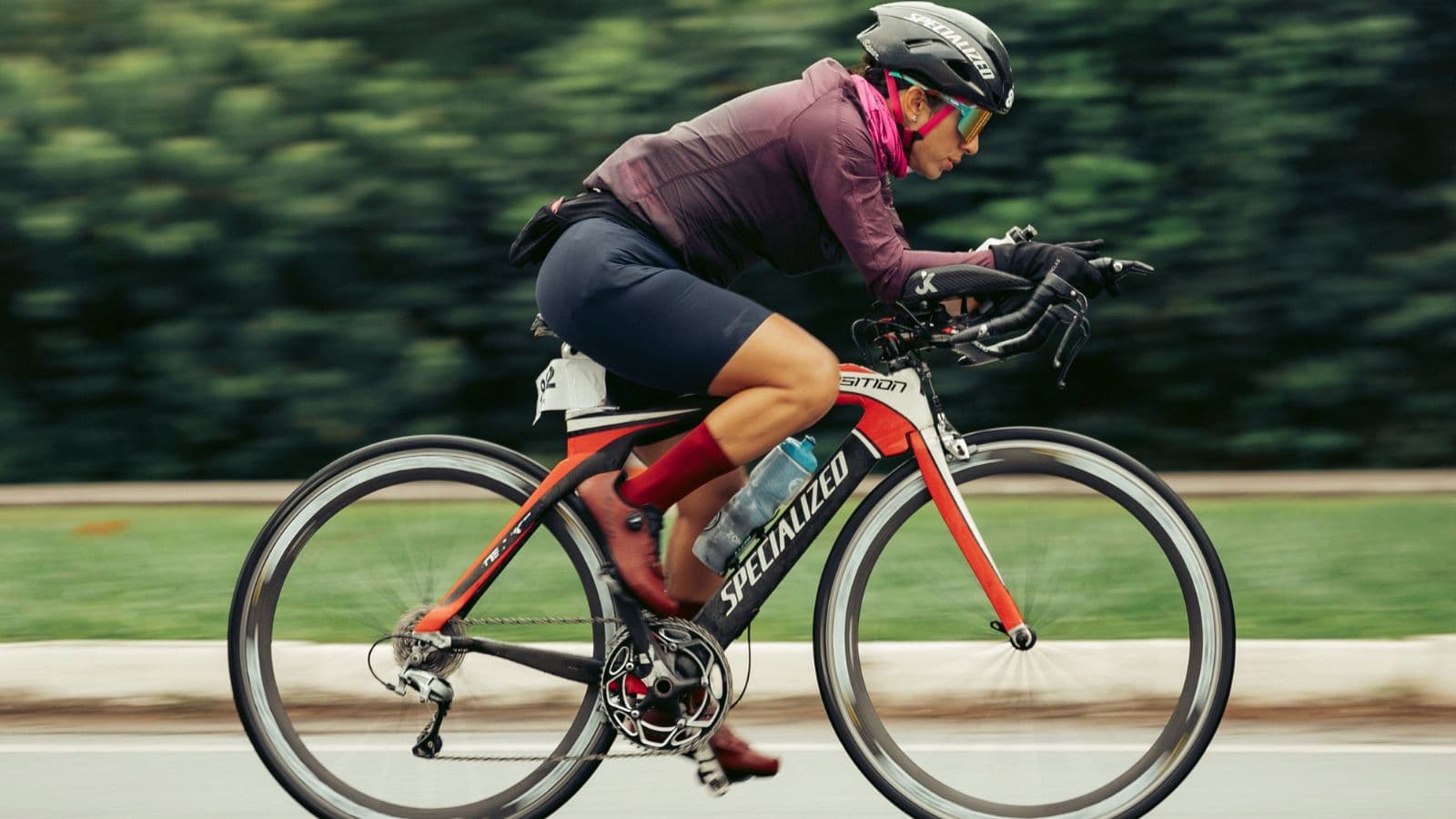
The best part is that most cycling drills require little extra time and can easily be added to regular training sessions.
Why Cycling Technique Matters?
Good technique helps cyclists:
- Use energy more efficiently
- Improve bike control
- Increase confidence
- Ride more safely
- Maintain speed with less effort
Athletes who understand tips to pace a long cycling ride properly know that quality often matters more than simply accumulating volume. The same principle applies to skill development.
Single-Leg Pedaling Drills
One of the most effective drills for improving pedal efficiency is single-leg pedaling.
The drill involves:
- Unclipping one foot
- Pedaling with the other leg
- Switching sides after 30-60 seconds
Benefits include:
- Smoother pedal stroke
- Better muscle coordination
- Improved awareness of dead spots
Many cyclists discover inefficiencies they never noticed before.
High-Cadence Spin-Ups
Spin-up drills help improve neuromuscular coordination.
Gradually increase cadence for:
- 20 to 30 seconds
- While maintaining smooth pedaling
Focus on:
- Relaxed upper body
- Controlled movement
- Stable position
Athletes who understand how to descend faster and safer know that efficient movement often supports better performance at every intensity level.
Cornering Drills
Cornering is a skill that many recreational cyclists rarely practice deliberately.
Find a quiet area and focus on:
- Looking through the turn
- Maintaining smooth lines
- Gradual braking
- Controlled exits
Better cornering can help:
- Maintain momentum
- Improve confidence
- Reduce unnecessary energy expenditure
One-Hand Riding Practice
Cyclists frequently need to:
- Drink
- Eat
- Adjust clothing
- Operate bike computers
Practicing one-handed riding improves:
- Stability
- Confidence
- Bike control
Begin in a safe, traffic-free environment.
Bottle Grab and Replacement Drills
Nutrition is essential on longer rides.
Practice:
- Removing bottles smoothly
- Drinking while maintaining control
- Replacing bottles without looking down
Athletes who understand how cold is too cold to cycle outdoors know that external conditions can already create enough challenges without struggling to fuel properly.
Emergency Braking Practice
Many cyclists never practice hard braking until an emergency occurs.
A simple drill involves:
- Accelerating moderately
- Applying controlled braking
- Stopping quickly but safely
Benefits include:
- Improved reaction skills
- Better confidence
- Increased safety
Understanding braking limits can be invaluable on busy roads or technical descents.
Cadence Ladder Drills
Cadence ladders involve riding at different cadences while maintaining a consistent effort.
For example:
- 80rpm
- 90rpm
- 100rpm
- 110rpm
Benefits include:
- Better pedaling control
- Increased adaptability
- Improved efficiency
The goal is smoothness rather than maximum speed.
Slow-Speed Balance Drills
Riding slowly can be surprisingly difficult.
Practice:
- Maintaining balance at low speeds
- Riding straight lines
- Making small steering corrections
These drills improve:
- Bike handling
- Stability
- Confidence
Particularly useful in:
- Traffic
- Group rides
- Technical terrain
Figure-Eight Drills
Setting up a simple figure-eight course helps improve:
- Steering precision
- Cornering technique
- Balance
The drill encourages cyclists to:
- Control speed
- Shift body weight appropriately
- Maintain smooth bike handling
Standing Climbing Drills
Many riders spend nearly all climbs seated.
Practicing standing efforts can:
- Improve climbing versatility
- Recruit additional muscle groups
- Increase confidence on steep gradients
Athletes who understand hand numbness and saddle discomfort know that varying movement patterns can sometimes reduce repetitive stress and improve overall comfort.
Descending Practice
Descending is often an overlooked skill.
Practice focusing on:
- Relaxed upper body position
- Vision
- Braking points
- Weight distribution
Improved descending can lead to:
- Greater confidence
- Increased safety
- Faster overall ride times
Riding in Crosswinds
Wind management is an important cycling skill.
When conditions allow, practice:
- Maintaining stable posture
- Relaxing grip pressure
- Holding a predictable line
These skills become especially valuable during long outdoor rides.
Group Riding Skills
Even cyclists who primarily ride solo can benefit from group riding practice.
It develops:
- Awareness
- Bike handling
- Positioning skills
Athletes who understand do you lose brain fitness during a break from cycling training know that technical skills often require regular practice just like physical fitness.
Riding Without Looking Down
Many cyclists constantly check:
- Power
- Speed
- Heart rate
Practice riding while:
- Looking ahead
- Scanning the road
- Maintaining awareness
This improves:
- Safety
- Bike control
- Situational awareness
Develop Aero Position Skills
If you ride a time-trial or triathlon bike, spend time practicing:
- Holding aero position
- Drinking while aero
- Cornering smoothly
Athletes who understand how to train smarter and ride stronger know that efficiency often comes from combining fitness with technical competence.
Technique Improves Confidence
Confidence is one of the most underrated aspects of cycling performance.
Better technical skills often help riders:
- Descend faster
- Corner more efficiently
- Ride more relaxed
- Conserve energy
Athletes who understand difference between zone 2 and high intensity cycling know that steady improvement usually comes from developing multiple areas of performance rather than focusing exclusively on fitness.
Common Cycling Technique Mistakes
Many cyclists:
- Focus only on power numbers
- Neglect bike handling
- Avoid technical practice
- Ignore cornering skills
- Rarely practice braking
- Spend little time improving cadence
- Fail to train balance
- Assume experience automatically improves technique
Most of these weaknesses can be improved through regular practice.
How to Incorporate Cycling Drills?
Cyclists can improve technique by:
- Adding 10-15 minutes of drills to easy rides
- Practicing skills regularly
- Focusing on one area at a time
- Developing confidence gradually
- Prioritising safety
- Training in low-traffic environments
- Reviewing progress consistently
- Remaining patient
Cycling technique is a skill that improves with deliberate practice. Small gains in handling, balance, cornering, pedaling efficiency, and confidence can make rides safer, more enjoyable, and ultimately faster.
FAQs
They improve efficiency, bike control, safety, and confidence.
Most cyclists benefit from including drills once or twice per week.
Single-leg pedaling drills are excellent for improving pedal stroke awareness.
Yes. Better cornering helps maintain momentum and reduce unnecessary braking.
No. Most drills require only your bike and a safe riding area.
Very much so. Early skill development builds confidence and safety.
Improved efficiency, control, and confidence on the bike.