Cycling in the rain can be safe, effective, and enjoyable when riders adjust their equipment, pacing, and riding habits properly. Wet conditions change how the bike handles, reduce braking efficiency, limit visibility, and increase the risk of crashes if riders continue using dry-weather habits.
Rain riding is not simply dry riding with water added. Roads become more unpredictable because:
- Grip decreases
- Braking distances increase
- Visibility worsens
- Tyres lose traction more easily
- Road hazards become harder to spot
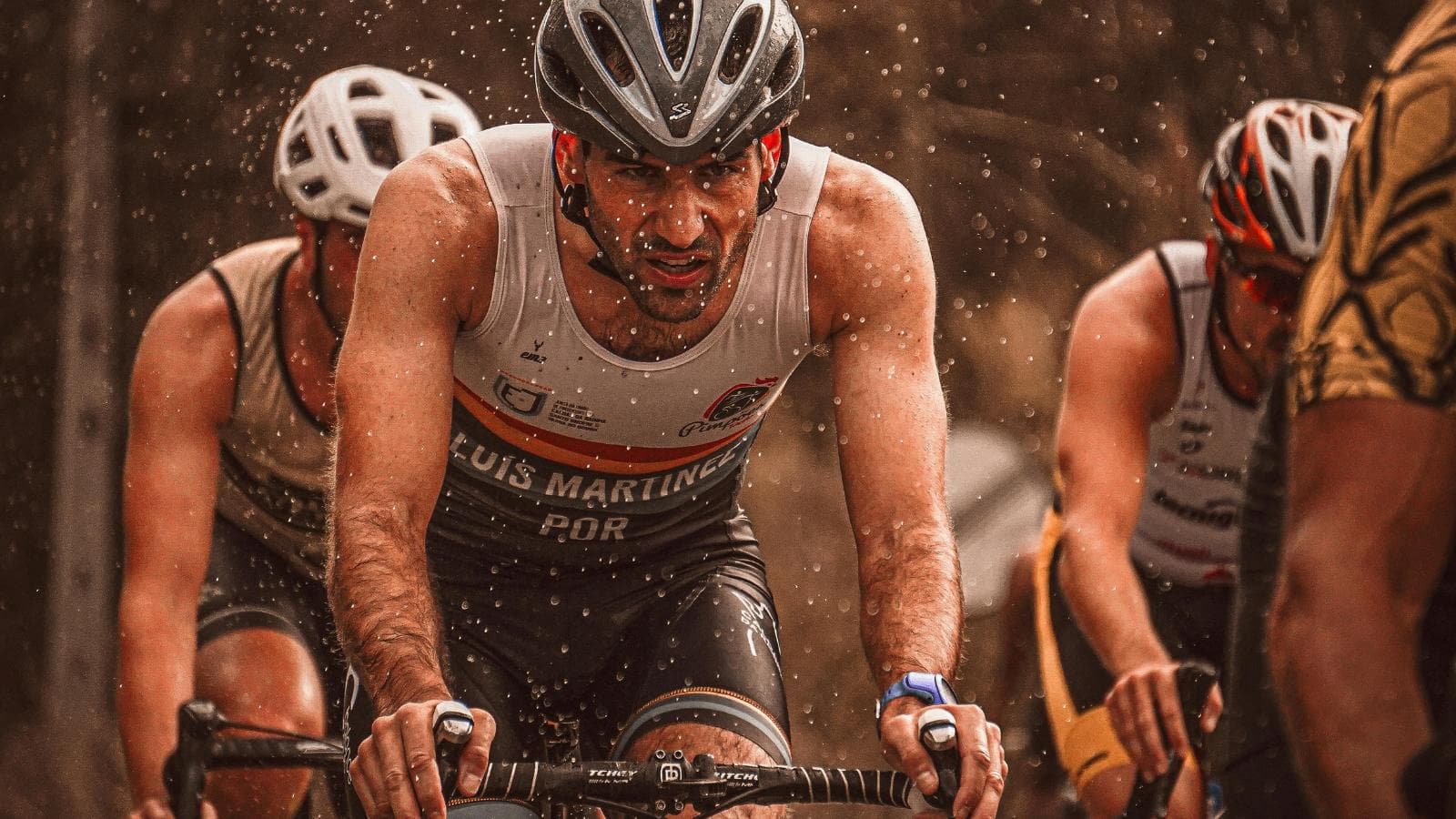
The goal is staying controlled, visible, and predictable while reducing unnecessary risks. Cyclists who prepare properly often ride confidently in wet conditions without major problems. This becomes especially important during endurance preparation like how to train for consecutive long cycling days, where bad weather cannot always be avoided.
Slow Down Earlier Than You Think
Wet roads reduce tyre grip significantly.
This affects:
- Cornering
- Braking
- Descending
- Sudden direction changes
Many crashes happen because cyclists enter corners with dry-weather speed expectations.
Riders should:
- Brake earlier
- Corner more smoothly
- Avoid sudden steering
- Reduce aggressive movements
Controlled pacing is one of the biggest safety improvements cyclists can make in the rain.
Braking Distances Increase in Wet Conditions
Wet rims and rotors reduce braking performance temporarily, especially during the first moments of braking.
Cyclists should expect:
- Longer stopping distances
- Delayed braking response
- Reduced tyre grip under braking
Disc brakes generally perform better in wet weather, but all bikes still require smoother braking control.
Instead of grabbing brakes suddenly:
- Brake progressively
- Stay balanced
- Reduce speed gradually
This becomes even more important during descents or urban riding with traffic.
Tyre Pressure Matters in the Rain
Slightly lower tyre pressure often improves:
- Grip
- Stability
- Road feel
- Wet-weather confidence
Lower pressure increases tyre contact with the road surface slightly, helping traction in slippery conditions.
However, pressure should not become excessively low because this may increase:
- Rolling resistance
- Pinch puncture risk
- Handling instability
Cyclists learning better bike control through what you should check on your bike before every ride often improve wet-weather confidence significantly.
Painted Road Markings Become Extremely Slippery
Road paint becomes dangerous when wet.
Cyclists should be careful around:
- Crosswalks
- Lane markings
- Painted arrows
- Metal covers
- Tram tracks
These surfaces often become more slippery than the surrounding road.
Crossing them:
- Smoothly
- Upright
- Without hard braking
usually reduces risk significantly.
Visibility Is One of the Biggest Safety Priorities
Rain reduces visibility for both cyclists and drivers.
Cyclists should focus on:
- Front lights
- Rear lights
- Reflective clothing
- Bright colours
- Predictable positioning
Even during daytime, lights improve visibility dramatically in rain and grey conditions. Many riders underestimate how difficult it is for drivers to spot cyclists during heavy rain.
Mudguards Improve Comfort and Safety
Mudguards help reduce:
- Water spray
- Road grime
- Wet clothing
- Reduced visibility behind riders
They also improve comfort significantly during: - Long rides
- Group rides
- Winter training
Cyclists who stay drier often maintain: - Better focus
- Better body temperature
- More consistent handling
throughout wet rides.
Smooth Bike Handling Is Essential
Aggressive riding becomes much riskier in wet conditions.
Cyclists should avoid:
- Sudden steering
- Hard accelerations
- Sharp braking
- Abrupt body movement
Smooth handling improves: - Tyre grip
- Balance
- Stability
- Confidence
The bike performs best when riders remain relaxed and controlled rather than tense.
Cornering Technique Changes in the Rain
Cornering safely in wet weather requires:
- Reduced entry speed
- Smoother steering
- Stable body position
- Less lean angle
Many riders crash because they lean too aggressively while tyres have reduced traction.
Good wet-weather cornering usually involves:
- Looking through the corner
- Staying relaxed
- Braking before turning
- Accelerating gently afterward
Athletes improving confidence through warm up exercises before long cycling often become more predictable and stable in poor conditions too.
Clothing Helps Regulate Temperature
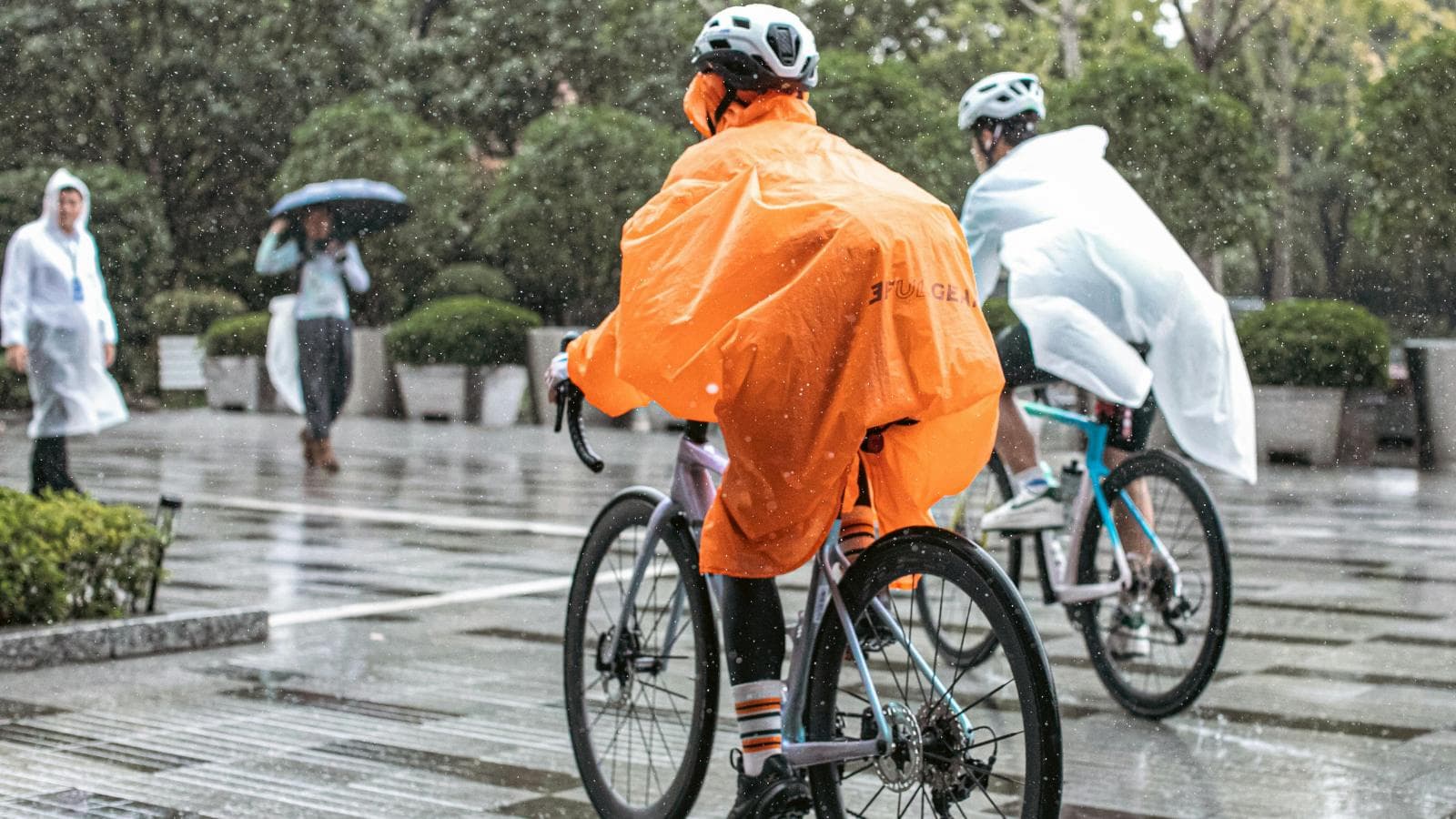
Rain riding often creates rapid heat loss because wet clothing removes body warmth quickly.
Useful wet-weather clothing includes:
- Waterproof jackets
- Gilets
- Thermal layers
- Overshoes
- Gloves
Cold hands and feet reduce: - Braking control
- Gear shifting accuracy
- Overall comfort
Layering matters because overheating while dressed too heavily can also become uncomfortable during harder efforts.
Wet Roads Hide Hazards
Rain makes potholes, debris, and uneven surfaces harder to see.
Puddles may conceal:
- Deep holes
- Broken surfaces
- Gravel
- Oil patches
Cyclists should: - Scan farther ahead
- Avoid riding blindly through standing water
- Stay alert for road changes
Defensive riding becomes more important during rain because hazards appear less visible.
Chain Maintenance Becomes More Important
Rain accelerates drivetrain wear because water removes lubrication and carries grit into moving components.
After wet rides, cyclists should:
- Dry the chain
- Relubricate properly
- Wipe down components
- Inspect brake surfaces
Neglecting wet-weather maintenance often causes:
- Rust
- Poor shifting
- Increased friction
- Faster drivetrain wear
This becomes especially important during higher-volume riding blocks discussed in preventing knees from hurting during long cycling because equipment reliability affects training consistency too.
Group Riding Requires Extra Caution
Wet-weather group riding increases risk because:
- Visibility decreases
- Braking changes
- Spray affects vision
- Reaction time matters more
Cyclists should: - Leave larger gaps
- Communicate clearly
- Avoid overlapping wheels
- Ride predictably
Many crashes happen because riders continue using dry-weather spacing habits.
Descending Requires Patience
Wet descents often create the highest crash risk.
Cyclists should:
- Lower speed early
- Stay relaxed
- Keep weight balanced
- Avoid sudden braking mid-corner
Descending aggressively in the rain rarely saves meaningful time but dramatically increases crash potential. Athletes learning pacing control through simple 10 minute mobility routine for cyclists often become more patient and efficient during difficult conditions.
Mental Tension Makes Handling Worse
Fear and tension commonly reduce bike control.
Tense riders often:
- Grip handlebars too tightly
- Brake excessively
- React abruptly
- Corner poorly
Relaxed riders usually handle wet conditions more smoothly because movement stays controlled and fluid.
Recovery After Rain Rides Matters
Cold wet rides increase:
- Fatigue
- Energy expenditure
- Recovery demands
Post-ride priorities include:
- Dry clothing
- Warm fluids
- Proper nutrition
- Bike cleaning
- Rehydration
Cyclists who recover well usually maintain consistency better during poor-weather training blocks. This becomes increasingly important during winter riding discussed in staying fit during off season cycling.
Common Rain Riding Mistakes
Many cyclists increase risk through avoidable habits.
Common mistakes include:
- Cornering too aggressively
- Braking suddenly
- Ignoring visibility
- Using worn tyres
- Riding tense
- Overinflating tyres
- Neglecting wet-weather maintenance
Safe rain riding usually depends more on patience than bravery.
Practical Ways to Ride Safely in the Rain
Cyclists can improve wet-weather safety by:
- Slowing down earlier
- Braking smoothly
- Improving visibility
- Using proper clothing
- Lowering tyre pressure slightly
- Staying relaxed
- Maintaining the bike carefully
- Riding predictably
The safest cyclists are usually the riders who stay calm, smooth, and controlled in changing conditions.
FAQs
Cycling in the rain can be safe if riders adjust speed, braking, visibility, and handling properly.
Wet roads reduce tyre grip and make braking and cornering less predictable.
Slightly lower pressure often improves traction and road feel in wet conditions.
Water reduces braking efficiency and increases stopping distances.
Yes. Paint, metal covers, and tram tracks become especially slippery in rain.
Yes. Descents require lower speed, smoother braking, and more controlled cornering.
Fear and reduced grip often cause riders to become stiff, which actually reduces handling control.