A quick bike check before every ride helps cyclists avoid mechanical problems, improve safety, and reduce the risk of breakdowns during training or racing. Most bike issues develop gradually, which means small warning signs often appear before a major failure happens. Checking your bike does not need to take long. Even a simple two-minute inspection can identify problems with tyres, brakes, drivetrain performance, or loose components before they become dangerous.
Consistent pre-ride checks also improve confidence.
Riders who know their bike is functioning properly can focus fully on pacing, training quality, and riding enjoyment instead of worrying about mechanical issues. This becomes especially important during endurance preparation such as pacing a long cycling ride properly where reliability matters over many hours in the saddle.
Check Tyre Pressure First
Tyre pressure strongly affects:
- Comfort
- Grip
- Rolling resistance
- Handling
- Puncture risk
Underinflated tyres feel sluggish and increase the chance of pinch punctures. Overinflated tyres often reduce traction and create unnecessary road vibration.
Tyre pressure should match:
- Rider weight
- Tyre width
- Road surface
- Weather conditions
Many cyclists unknowingly ride incorrect pressures because they inflate tyres inconsistently.
Checking pressure regularly improves both performance and comfort significantly.
Inspect Tyres for Damage
Tyres wear gradually and often collect debris after rides.
Before riding, inspect for:
- Cuts
- Embedded glass
- Cracks
- Worn tread
- Bulges
Small tyre damage can quickly turn into punctures during longer rides. Removing debris early helps prevent gradual tyre failure later. This becomes increasingly important during higher-volume riding blocks like riding headwinds and crosswinds on a bike where repetitive road exposure increases puncture risk significantly.
Test the Brakes
Brakes should always feel:
- Responsive
- Smooth
- Consistent
- Powerful
Before every ride, check:
- Brake lever feel
- Brake pad contact
- Rotor rub
- Cable tension if applicable
- Pad wear
Spongy brakes or rubbing noises often indicate problems that should not be ignored.
Reliable braking becomes especially important during:
- Wet weather
- Descents
- Group riding
- Technical roads
Check Wheel Security
Wheels should feel secure and stable before every ride.
Inspect:
- Quick-release skewers
- Thru-axles
- Wheel alignment
- Excessive movement
Loose wheels create serious safety risks immediately.
Spinning the wheels briefly can also help identify:
- Brake rub
- Wobbling rims
- Bearing problems
Small issues usually become easier to fix when identified early.
Make Sure the Chain Runs Smoothly
The drivetrain should feel quiet and efficient.
Check for:
- Dry chain noise
- Excess dirt buildup
- Poor shifting
- Chain skipping
- Stiff chain links
A neglected drivetrain increases:
- Friction
- Mechanical wear
- Risk of dropped chains
- Power loss
Simple chain maintenance significantly improves ride quality and long-term component lifespan. Cyclists improving endurance through increasing cycling speed often underestimate how much drivetrain efficiency affects overall riding smoothness during longer aerobic rides.
Shift Through the Gears
Before riding, quickly shift through several gears to confirm:
- Smooth shifting
- Accurate indexing
- No chain hesitation
- No skipping under load
Poor shifting commonly develops from:
- Cable stretch
- Dirty drivetrain
- Derailleur misalignment
- Worn components
Minor shifting problems often worsen rapidly if ignored during longer rides.
Check for Loose Bolts
Cycling vibration gradually loosens components over time.
Important areas to inspect include:
- Stem bolts
- Seatpost clamp
- Saddle rails
- Bottle cages
- Cleats
- Aerobars if fitted
Loose bolts commonly create:
- Creaking
- Instability
- Safety risks
Carbon bikes especially require proper torque settings because overtightening can damage components.
Inspect Your Saddle Position
Saddle comfort and positioning affect:
- Power output
- Pedalling efficiency
- Knee tracking
- Lower back comfort
If the saddle suddenly feels different, slips slightly, or develops movement, it should be addressed immediately. Position changes often happen gradually and become more noticeable during longer rides.
Riders dealing with recurring discomfort often benefit from principles discussed in building endurance for long cycling rides.
Check Cleats and Shoes
Cycling shoes and cleats affect:
- Stability
- Power transfer
- Knee alignment
- Comfort
Inspect for:
- Loose cleat bolts
- Excessive wear
- Damaged straps
- Boa system function
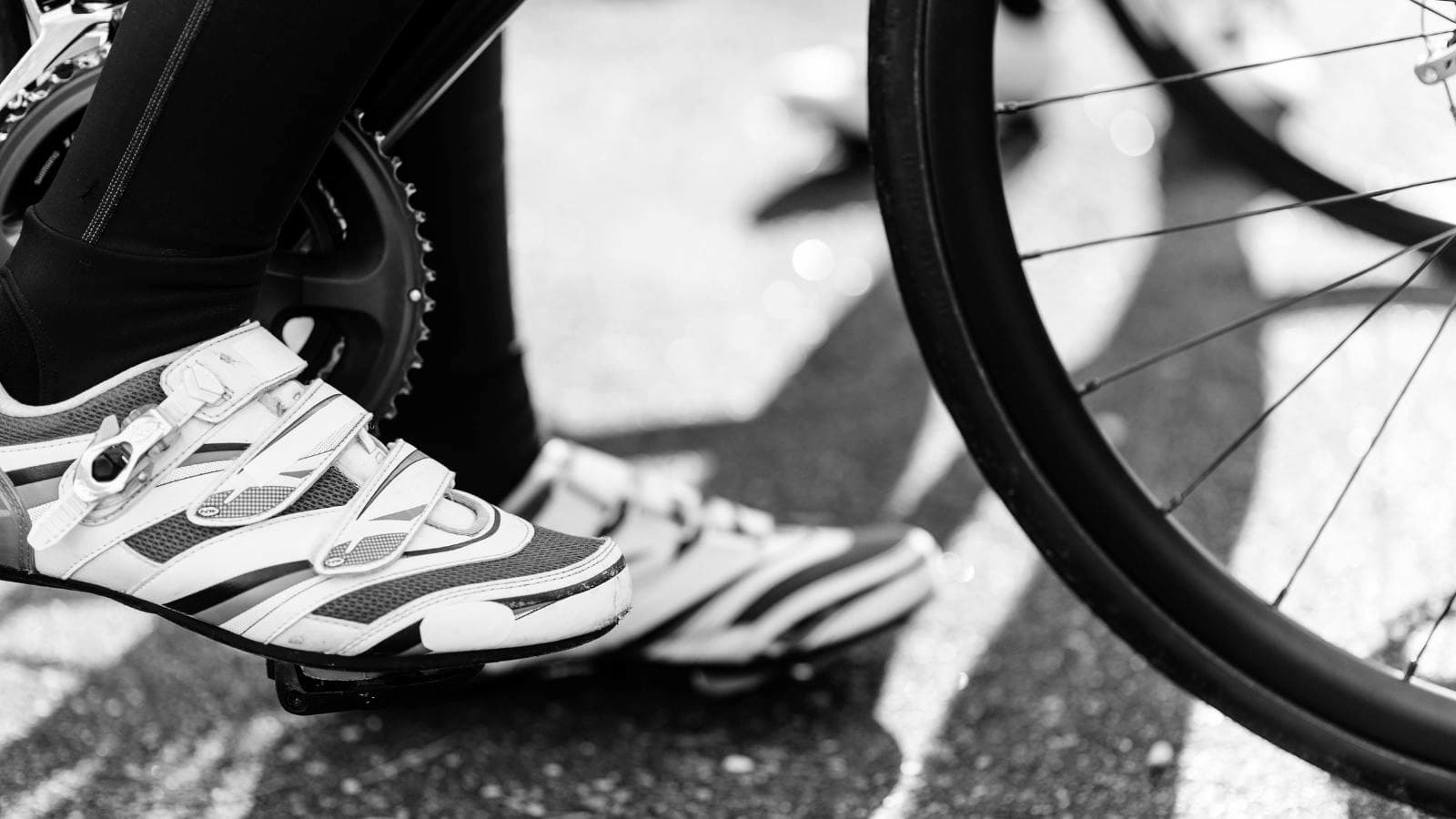
Worn cleats can alter pedalling mechanics and increase discomfort over time. This could also effect the climbing factor. Climbing on a bike is not about choosing one position over the other, it is about knowing when to use seated and standing techniques to manage effort, terrain, and fatigue.
Test Lights and Electronics
If riding in:
- Low light
- Traffic
- Poor weather
lights should always be checked before leaving.
Cyclists should also confirm:
- GPS computer battery
- Power meter connection
- Electronic shifting battery
- Sensor pairing
Battery problems are easier to solve before riding than during a session.
Carry Basic Repair Equipment
Every ride should include basic repair essentials appropriate for ride length and location.
Useful items include:
- Spare tube
- Mini pump or CO2
- Tyre levers
- Multi-tool
- Chain link if necessary
Mechanical problems become much easier to manage when riders are prepared.
Listen for Unusual Sounds
New noises often indicate developing mechanical issues.
Common warning sounds include:
- Clicking
- Grinding
- Creaking
- Rubbing
- Chain skipping
Ignoring unusual sounds often allows small problems to become more expensive repairs later.
Check Hydration and Nutrition Setup
Longer rides require proper hydration preparation.
Before leaving, confirm:
- Bottles are filled
- Bottle cages feel secure
- Nutrition is accessible
- Storage pockets are organised
Cyclists preparing for endurance sessions often improve consistency through strategies discussed in staying fit during off season training because recovery and fueling habits directly affect ride quality.
Weather Conditions Can Affect Bike Setup
Conditions may require small equipment adjustments.
Examples include:
- Lower tyre pressure in wet weather
- Extra layers
- Mudguard use
- Additional lighting
- Wind-resistant clothing
Preparation becomes increasingly important during colder or wetter riding conditions.
Common Pre-Ride Mistakes Cyclists Make
Many riders skip simple checks that prevent avoidable issues.
Common mistakes include:
- Ignoring tyre wear
- Riding with low tyre pressure
- Forgetting lights
- Neglecting chain maintenance
- Ignoring brake rub
- Using loose cleats
- Forgetting hydration
Small mechanical issues usually become larger problems when ignored repeatedly.
Practical Pre-Ride Bike Checklist
Before every ride, cyclists should check:
- Tyre pressure
- Tyre condition
- Brakes
- Wheels
- Chain condition
- Gear shifting
- Bolts and cleats
- Hydration and lights
These simple checks improve safety, comfort, efficiency, and confidence significantly over time.
FAQs
Pre-ride checks help identify safety and mechanical issues before they become serious problems during riding.
Ideally before every ride because tyre pressure naturally changes over time.
Dirty drivetrains, cable stretch, derailleur alignment problems, and worn components commonly affect shifting.
Reliable brakes improve safety and control, especially during descents or wet conditions.
Yes. Loose bolts can affect stability and potentially cause component failure while riding.
Visible cuts, cracks, flat spots, or repeated punctures often indicate tyre wear.
Yes. A clean lubricated chain improves efficiency and reduces drivetrain wear.
Loose or worn cleats affect comfort, stability, and knee alignment during pedalling.
Most cyclists should carry a spare tube, pump, tyre levers, and a multi-tool.