Most cyclists would have heard of the term bonking cycling. It’s an easy way to ruin a great ride, and also take all the enjoyment out of what could have been an amazing bit of fun. In this article, we’re going to tell you everything you need to know about what a bonk is, how to avoid it, and much more!
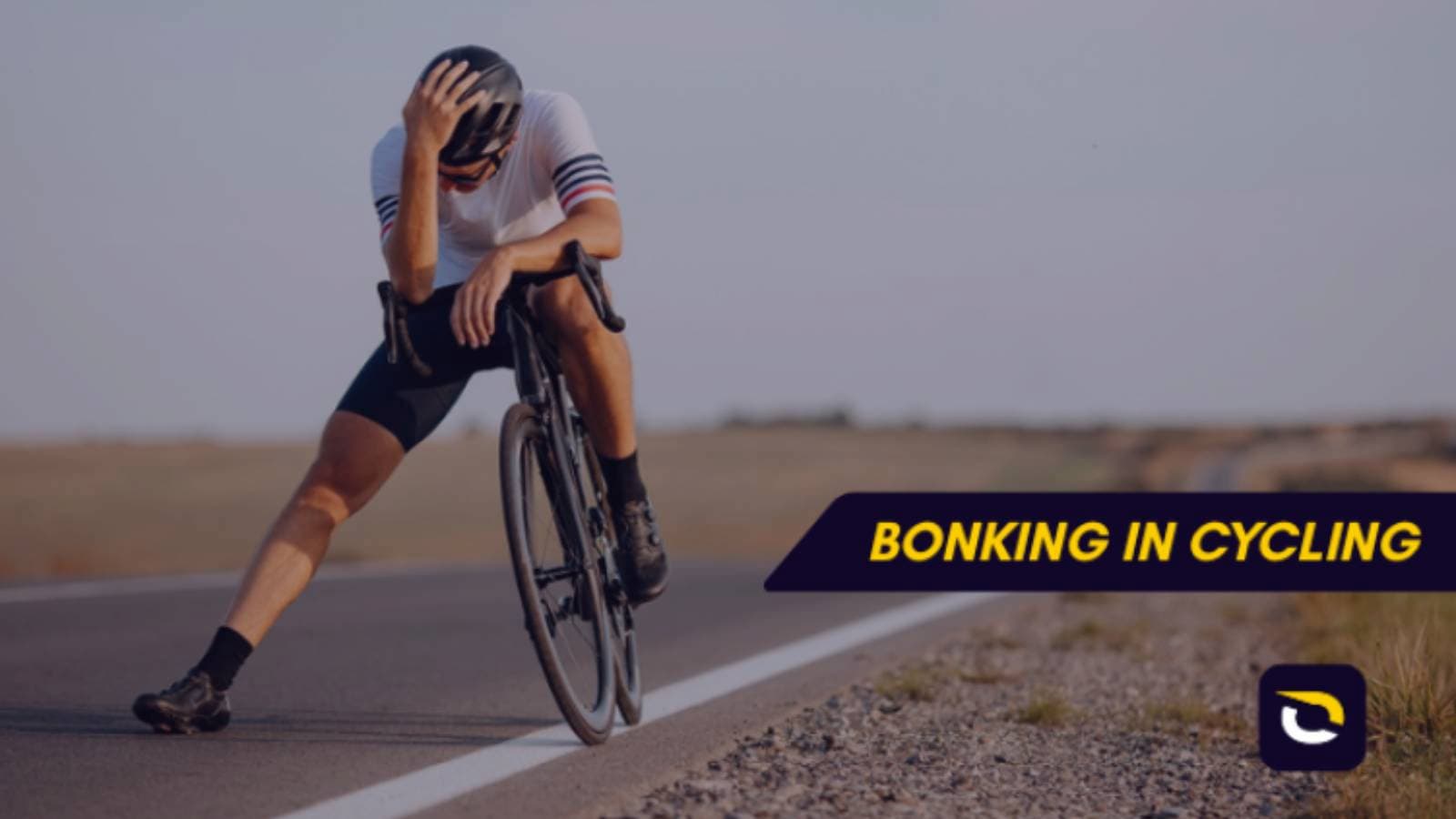
What Cyclists Mean by Bonking Cycling (a.k.a. Hitting the Wall)
Hitting the wall describes bonking really well in the way that you just can’t go any further. Bonking cycling isn’t what a lot of cyclists and even runners think. Often, when people start getting tired, they think they are bonking, when actually it’s a very different situation.
Tired Or Bonking
Getting tired is a gradual process of fatiguing to the point where you feel you need to stop, whereas bonking is a more abrupt sensation. It’s getting to a point where you cannot continue to ride because your glycogen is super low.
This is where you start to feel dizzy, your legs also feel loose, and it feels like your feet are bricks, and no matter how much you’re giving, you’re just not producing anything. It also makes the mind very foggy, you go quiet and struggle to think straight. Here are the symptoms of bonking.
Bonking Syptoms
- Sudden fatigue
- Heavy legs
- Shakiness
- Dizziness
- Brain fog
- Poor coordination
- Irritability
- Emotional crash
- Loss of motivation
- Hunger pains
- Sweating or chills
- Sluggish reaction time
- Power Loss
Is Bonking Just In Cycling?
It’s not just cycling that makes you bonk. It’s the most endurance sport in general. Running too, a very famous moment when one of the Brown-Lee brothers in a Triathlon was carried by the other brother across the finish line because he had bonked and had terrible bonking symptoms.
Swimming is also very common, but mainly you get a lot of this in cycling due to the fact that the intensity is lower, and you typically get away with a bit less of a strategy when it comes to nutrition, but it will always catch you up.
Why Bonking Happens: The Science in Simple Words
Why does bonking cycling happen? Well, there’s more to it than you might think. Essentially, it comes from a lack of glycogen, which is stored in the muscles and the liver. This is the main source of energy when it comes to riding bikes.
How Long Will My Glycogen Last?
The body can only store a certain amount, and depending on the intensity you are cycling at depends on how long it is going to last. If you were going moderate-hard intensity, then you would get around 90 to 120 minutes of cycling.
If you were going flat out, you might only get as little as around 20 to 30 minutes of cycling. If you are at a very low intensity, your body will tend to use a lot of glycogen, then it will switch to body fat if it can convert it quickly enough.
How Do You Know When Your Glycogen Has Run Out?
Your body will be constantly creating glycogen from the food you have eaten and also the fat stores you have, but if it can’t create it quickly enough, some of the symptoms we listed above will start to happen.
The key is in cycling, and a very common phrase in endurance sports is to
Eat before you are hungry, and drink before you are thirsty!
This helps the body stay fuelled and keeps your head in the game.
How to Prevent Bonking in Cycling?
Bonking prevention is so important. Endurance sports are a lot of fun, but it’s easy to fall into a trap of not enjoying them because you’re bonking on a ride or run. As an endurance athlete myself and someone who has bonked many times and learned the hard way, here’s how I recommend preventing bonking.
Pacing
It’s so important to learn how to pace. Knowing what your heart rate should be or the zone you’re in goes such a long way to making you the athlete you want to be. I have zones for when I am doing long, short, and medium rides, and I typically keep a close eye on my heart rate throughout.
Nutrition Strategy
A lot of people think that nutrition strategies are only for the elite top-level riders when they’re for everyone. Knowing what to eat and when to eat it for your body will hugely help you to avoid bonking on a ride. These should be practiced in training and racing.
Not Toughing It Out
It’s so important not to fall into the trap of toughing it out. If you think you can push through running out of glycogen, it’s just not possible. It’s not a mindset issue. It’s your gas tank running out and becoming empty or running on fumes. Bonking prevention means restoring yourself.
Fueling Guidelines (carbs/hr, hydration, electrolytes)
When it comes to fueling, there’s a lot to learn, but getting the basics right is easy. When it comes to replacing glycogen, the best source of fuel to do that is carbohydrates. These are quick to convert and can keep the glycogen stores up consistently.
You have different types of carbohydrates, such as slow-releasing and quick-releasing. For more information on this, it’s good to research the GI index and see our guide on what to eat during long rides. The higher the number, the quicker it can provide you with energy, but the faster it runs out.
They say for rides up to 3 hours, 30 to 60 grams per hour, and for longer rides, which can see you skipping through meal times, around 60 to 90 grams of carbohydrates per hour is recommended.
Do I Need A Drinking Strategy?
Drinking is also great to keep on top of to help recover glycogen and also help digestion of carbohydrates. Drinking regular water and replacing sodium and other minerals will help not just stop cramps but much more. The easy wayh of doing this is using electrolytes.
Different People, Different Fueling
It’s very important to understand that when it comes to different people, the fueling will be completely different. A 50kg woman is going to need a completely different approach from a 120kg man. It does take time to find what works for you, and a lot of that comes from experience.

Pre-ride & During-ride Nutrition
Understanding correct fuelling does take time, as we mentioned before. Here are a few ways that you can maximize your glycogen for that next long ride.
Pre-ride Meal
Having a meal a few hours before, full of slow-releasing energy, is going to really help you stay strong through a ride. This could be oats, pasta, and even rice. The only thing we recommend is to avoid too much fiber, as this can make you feel uncomfortable.
Proper fueling is especially helpful for riders focusing on weight loss, because consistent energy levels allow you to train longer and avoid sudden energy crashes that undermine steady fat-burning efforts.
Pre-ride Snack
Really wanting to smash that workout, you could even add a pre-ride snack. Something with some quick-release carbohydrates, such as a banana, or even some toast, which will be light on the stomach.
During Ride
While riding, it’s important to stay on top of what you are doing with your fuelling. As mentioned before, eating before you are hungry and drinking before you are thirsty is key. If you wait until you start to get thirsty or hungry, you’re too late.
Post-ride Meal
Even after a ride, it’s good to get some decent nutrition in. This will typically be a mix of some protein and also slow-release carbohydrates to ensure a full stomach and avoid binge eating junk.
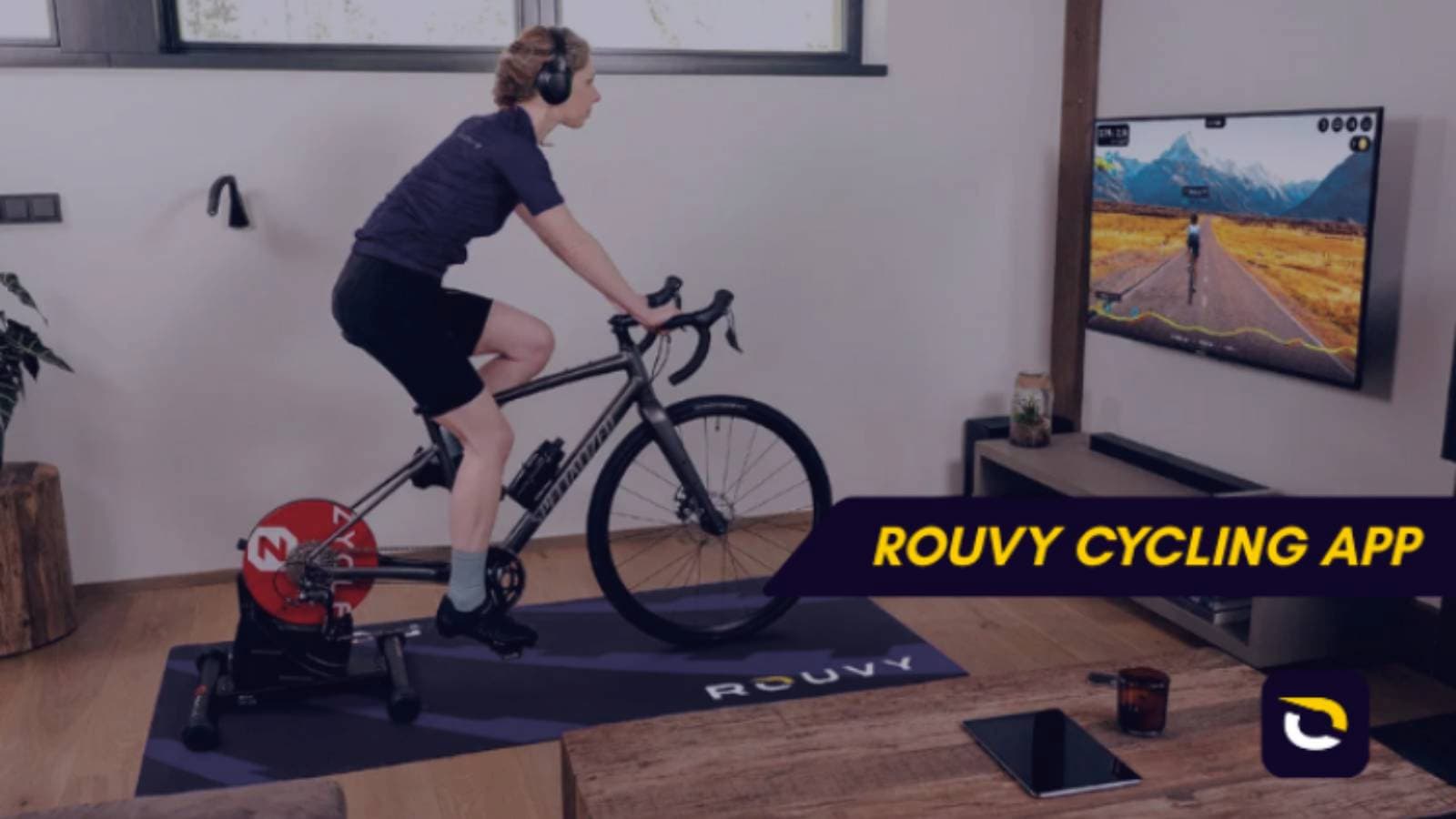
Using an application such as ROUVY can really help you understand how to fuel by looking at data such as heart rate and much more to help you know when to eat and drink. Long indoor rides teach us a lot about the riders we are!
What to Do if You Bonk Mid-Ride?
We all make mistakes and sometimes end up in a situation where we might bonk. It’s not a problem, and it’s a good experience to help you in the future to know when you’re digging a little bit too deep. What do we do mid-ride to avoid bonking?
Step One: Stop Or Slow Down!
Safety will always come first, and if you are starting to feel a little dizzy or if your reaction times have become very slow, you do need to stop. In that time, the body will break down some fat stores to help you feel better. If you are still riding and feel safe, drop the pace right down.
Step Two: Eat High GI Foods
Next, you will need to get some high-GI fast-absorbing foods. These could be sweets, a can of fizzy drink, an energy gel, or much more. If the ride is going to continue, you will also need some slow-releasing carbohydrates as fuelling on these alone isn’t great for you.
Step Three: Ease To The Finish
Finally, it’s good to ease into the finish. After bonking, you will really struggle to get back to the energy levels you had before because you might have just gone too deep. So take it slowly and try not to be a hero, return to fight another day.
Recovering From A Bonk Mid Ride
As mentioned above, it’s very challenging to recover from a bonk mid-ride. After you have gone that far into the backup, the body needs time to get itself back to normal. It has huge stores to recover up to 400 to 600 grams. It can always use fat to recover, but it’s a slow process, and the body doesn’t want to go into its reserves as much as you might think.
Conclusion: Ride Longer, Smarter, Bonk-Free
What is bonking cycling? Well, the short answer is completely running out of energy. Bonking is never part of the plan, but it does happen. Knowing what it is and how to avoid it is very important. It’s going to make you ride stronger, more comfortably, and you will have a lot more fun.
The most important things to remember are pacing, fueling, and understanding how your body is feeling. When you have got lots of experience and experimented with different foods and plans, you will hit a point where it all just happens naturally.
Using indoor cycling apps to monitor fueling and data can be really good in getting ready for race day or just ensuring you’re getting the most out of your training.