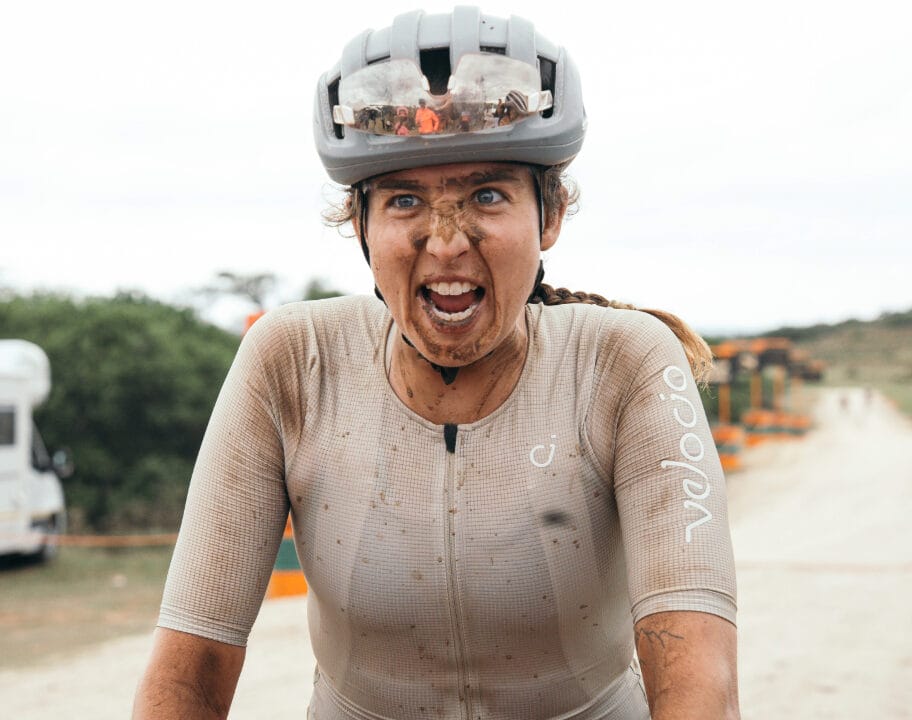
Winter riding is often viewed as something to endure until warmer weather returns, but it can be one of the best times of year to improve your bike handling. Wet roads, loose surfaces, cold temperatures and unpredictable weather force cyclists to become smoother, more aware and more precise with every movement. Instead of chasing speed, winter encourages better technique. Riders who embrace these conditions often develop confidence and control that carries into spring and summer racing. The key is riding safely while using winter as a chance to refine your skills.
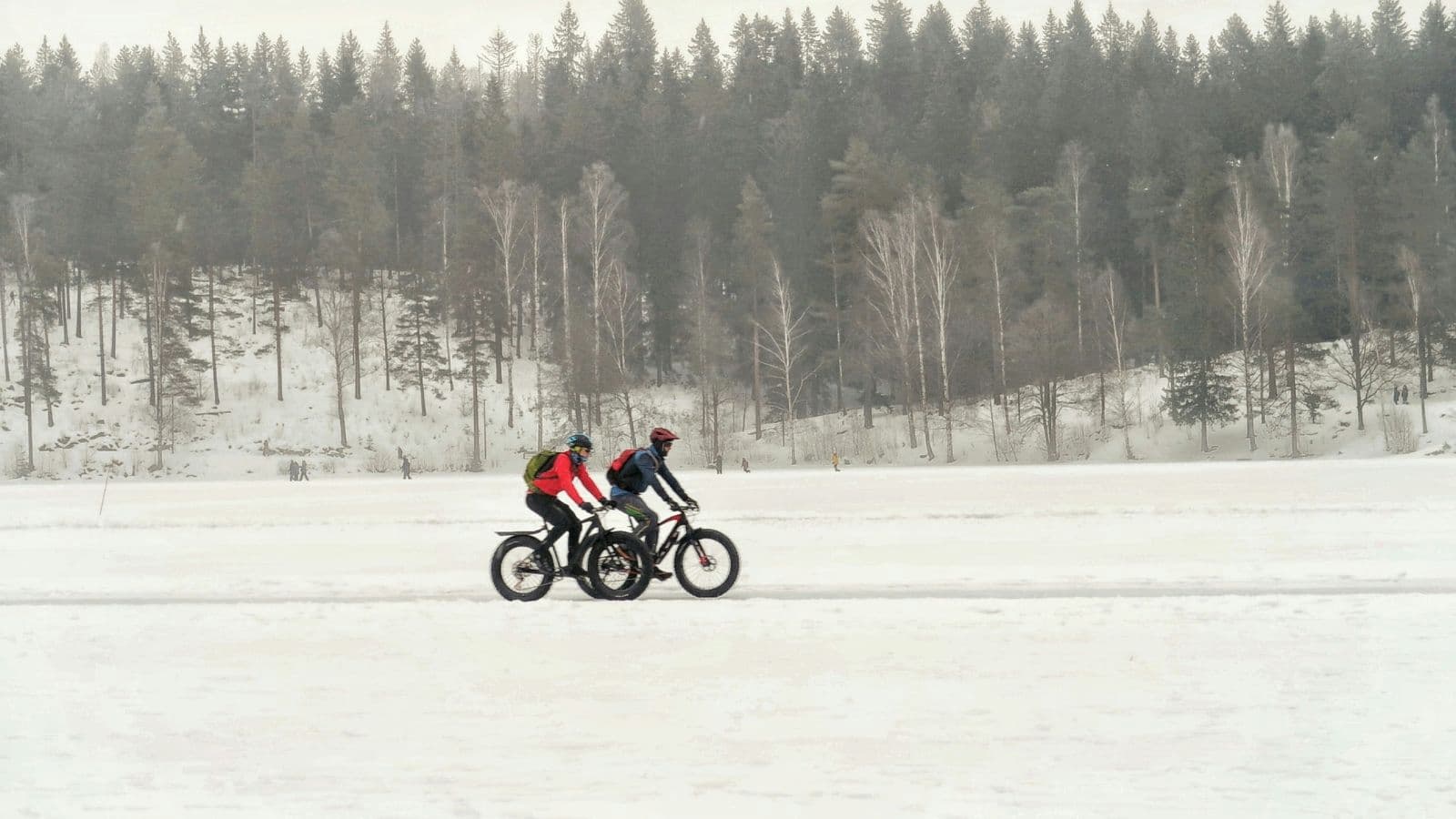
Winter Demands Better Bike Control
Cold roads offer less grip than dry summer tarmac. Every corner, descent and braking zone requires greater precision.
Regular winter riding helps improve:
- Bike balance.
- Smooth steering.
- Braking control.
- Cornering confidence.
- Traction awareness.
- Line selection.
Many riders also reinforce these skills by practising what cycling drills help improve bike technique, allowing technical improvements to continue even when weather limits longer rides.
You Learn to Read the Road Better
Winter conditions encourage cyclists to look further ahead. Instead of reacting at the last second, you begin identifying hazards earlier.
Watch for:
- Wet leaves.
- Ice patches.
- Standing water.
- Loose gravel.
- Mud.
- Road salt.
- Potholes.
Better observation allows smoother riding and reduces sudden movements that can cause crashes.
Smooth Braking Becomes Second Nature
Aggressive braking is one of the quickest ways to lose traction in winter.
Riding regularly through colder conditions teaches you to:
- Brake progressively.
- Shift weight correctly.
- Reduce speed before corners.
- Use both brakes efficiently.
- Avoid locking the wheels.
Many cyclists notice their confidence improves after combining winter practice with how to descend faster and safer on a road bike, particularly on technical descents.
Cornering Technique Improves
Winter roads punish poor cornering habits.
You’ll naturally begin to:
- Enter corners slower.
- Choose smoother lines.
- Lean the bike more gradually.
- Look through the turn.
- Accelerate only after exiting.
These habits remain valuable even when dry weather returns. Cyclists who also practise how to improve cornering skills on a road bike for beginners often become noticeably smoother throughout the entire season.
Better Balance on Slippery Surfaces
Reduced grip forces you to make smaller, more controlled movements.
Over time you’ll improve your:
- Core stability.
- Weight distribution.
- Low-speed control.
- Confidence.
- Bike awareness.
These skills benefit every type of cycling, from endurance rides to technical descents.
Winter Builds Confidence
Confidence develops by successfully managing challenging conditions. Training for winter season is whole challenge in itself.
Each safe winter ride teaches you:
- How much grip your tyres provide.
- How your bike responds on wet roads.
- How to remain relaxed.
- When to reduce speed.
- How to recover from small slips.
Confidence gained during winter often makes dry-weather riding feel much easier.
You Learn Better Tyre Management
Tyres become increasingly important during winter.
You’ll gain experience with:
- Correct tyre pressure.
- Wider tyres.
- Tread selection.
- Grip differences.
- Surface conditions.
Small pressure adjustments can dramatically improve traction without sacrificing too much rolling efficiency.
Bike Position Becomes More Natural
Slippery roads encourage relaxed riding. Instead of making sudden steering inputs, you’ll naturally develop smoother movements.
Focus on:
- Relaxed shoulders.
- Soft elbows.
- Bent knees.
- Light grip on the handlebars.
- Stable body position.
These habits improve handling regardless of the season.
Technical Descending Improves
Winter descents teach patience. Rather than chasing speed, you’ll focus on control.
Good habits include:
- Looking well ahead.
- Braking before corners.
- Staying relaxed.
- Avoiding sudden movements.
- Maintaining smooth pedal position.
Developing these techniques now makes faster summer descents feel considerably more comfortable.
Winter Encourages Smarter Decision-Making
Winter riding isn’t about proving toughness. It’s about making good decisions.
Experienced cyclists learn when to:
- Reduce speed.
- Change route.
- Turn back.
- Add extra clothing.
- Delay a ride if conditions become dangerous.
These judgement skills are just as valuable as physical fitness.
Improve Handling Without High Speeds
Many handling skills can be practised safely at lower speeds.
Useful winter drills include:
- Slow figure-eight turns.
- Emergency braking practice.
- One-handed riding.
- Riding narrow lines.
- Track stands.
These exercises improve control while keeping risk relatively low.
Keep Your Bike Well Maintained
Winter conditions accelerate wear on components.
Before and after rides:
- Clean the drivetrain.
- Check brake pads.
- Inspect tyres.
- Lubricate the chain.
- Examine cables.
- Tighten loose bolts.
Developing the routine of what you should check on your bike before every ride helps prevent mechanical issues when road conditions are already challenging.
Build Fitness While Improving Technique
Winter rides don’t have to be high intensity.
Instead, focus on:
- Endurance.
- Cadence.
- Handling.
- Consistency.
- Recovery.
Many cyclists maintain motivation by following how to stay fit during the cycling off-season, using winter as a period to build skills instead of chasing peak performance.
Common Winter Riding Mistakes
Avoid these common errors:
- Braking suddenly.
- Cornering too aggressively.
- Riding with overinflated tyres.
- Wearing inadequate clothing.
- Ignoring road hazards.
- Looking down instead of ahead.
- Neglecting bike maintenance.
- Riding beyond weather conditions.
Avoiding these mistakes allows winter rides to become valuable learning experiences.
Practical Tips for Better Winter Handling
Keep these habits in mind:
- Lower your speed.
- Relax your upper body.
- Scan the road continuously.
- Practise smooth braking.
- Choose predictable lines.
- Keep your bike clean.
- Ride consistently throughout winter.
Cyclists who continue training through colder months often discover that why is consistency more important than intensity for cycling success because steady riding develops both confidence and long-term fitness.
The Bottom Line
Winter riding offers far more than maintaining fitness. It develops bike handling skills that are difficult to learn during perfect weather. By riding in challenging conditions, you’ll improve braking, cornering, balance, traction awareness and overall confidence. Approach winter with patience rather than speed, and you’ll emerge as a more skilled cyclist when the racing season begins.
FAQs
Yes. Challenging road conditions encourage smoother braking, better balance and more controlled cornering.
Yes, provided you choose suitable conditions, wear appropriate clothing and ride according to the available grip.
Many cyclists use slightly lower tyre pressures to improve traction, although the correct pressure depends on tyre width and rider weight.
Yes. Easy routes and moderate conditions provide excellent opportunities to develop confidence and handling skills.
Reduced grip means sudden braking is more likely to cause skidding, making smooth brake application essential.
Yes. Winter conditions encourage better line selection, smoother steering and more controlled speed through corners.
Cleaning your bike regularly helps prevent corrosion and extends the life of components exposed to water and road salt.
Dress in moisture-wicking layers with windproof and waterproof protection appropriate for the conditions.
Indoor training is excellent for fitness, but outdoor winter riding develops handling skills that cannot be fully replicated indoors.
Winter riding builds confidence, technical skill and bike control that improve cycling performance throughout the entire year.