
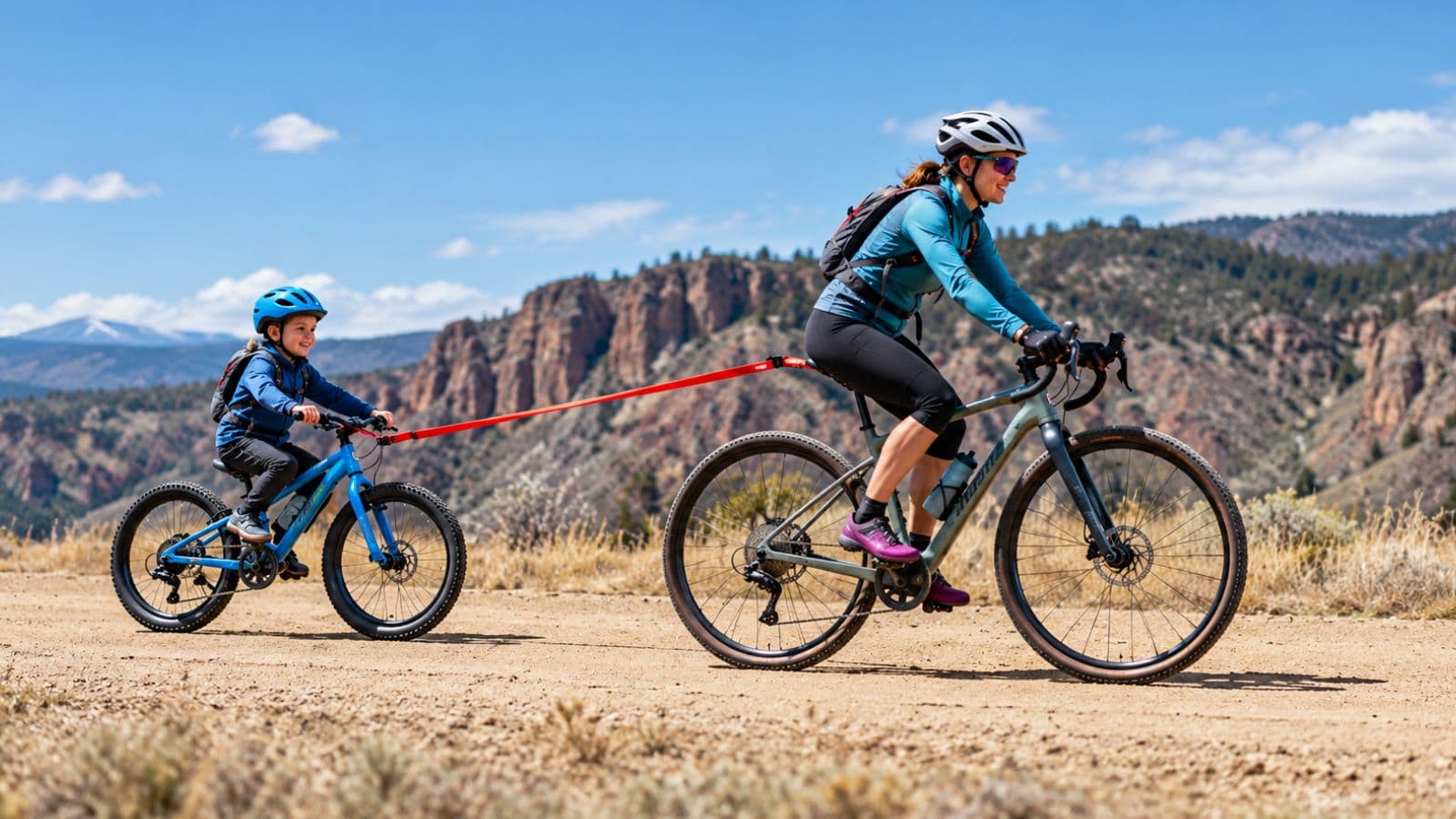


You can balance cycling training with parenting by building a flexible routine around family responsibilities rather than expecting family life to fit around a rigid training plan. Short, purposeful workouts, realistic weekly goals, and communication with your partner or support network can help you maintain cycling fitness while remaining available for your children. Parenting often makes training unpredictable. School schedules, childcare, work commitments, illness, and disrupted sleep can all affect when and how long you ride. A training schedule that works one week may become unrealistic the next, making adaptability an important part of long term consistency.

The objective is not to maximize training at the expense of family life. It is to create a sustainable routine that supports your health, relationships, and enjoyment of cycling. Consistency across months matters more than completing every planned workout.
In Short
- Build training around family responsibilities.
- Set realistic weekly cycling goals.
- Prioritize consistency over training volume.
- Use short, purposeful workouts.
- Consider indoor cycling for convenience.
- Communicate training plans with your family.
- Protect sleep and recovery.
- Keep schedules flexible.
- Avoid guilt over missed sessions.
- Adjust training as family demands change.
Start With Realistic Cycling Goals
Your training plan should reflect your current circumstances. A parent with young children may have different opportunities from someone whose children are older and more independent.
Consider:
- Available weekly training hours.
- Childcare responsibilities.
- Work commitments.
- Sleep quality.
- Partner or family support.
- Current cycling fitness.
- Upcoming events.
Choose goals that match these realities. For example, maintaining endurance with three weekly rides may be more achievable than preparing for an event requiring extensive training volume. Understanding how should you adjust cycling training when time is limited can help you prioritize workouts without adding unnecessary pressure.
Build a Flexible Weekly Training Schedule
A flexible plan gives you structure without making every session compulsory.
For a parent with approximately three to four hours available each week, a schedule might look like this:
| Day | Workout | Duration |
|---|---|---|
| Monday | Rest | — |
| Tuesday | Indoor intervals | 40 minutes |
| Wednesday | Rest or mobility | 15 minutes |
| Thursday | Easy endurance ride | 45 minutes |
| Friday | Rest | — |
| Saturday | Longer ride | 60 – 90 minutes |
| Sunday | Optional easy spin | 30 minutes |
This schedule provides a mixture of aerobic training and structured intensity. If family commitments interrupt a session, move it when practical or skip it. Avoid repeatedly sacrificing sleep to recover missed training time.
Make Short Cycling Workouts Count
A 30 to 45 minute ride can provide a useful training stimulus. The key is selecting the appropriate intensity for the session.
Examples include:
- Easy aerobic cycling.
- Controlled tempo intervals.
- Short hill repetitions.
- Cadence drills.
- Structured indoor workouts.
However, short sessions do not need to be hard to be worthwhile. Understanding how can interval training improve cycling speed can help you use higher intensity workouts strategically rather than making every available minute exhausting.
Indoor Cycling for Busy Parents
Indoor cycling removes some of the time needed for travel, route planning, and outdoor preparation.
It can be particularly useful during:
- Early mornings.
- Evenings.
- Bad weather.
- Short childcare windows.
- Unpredictable schedules.
A basic trainer setup can make short workouts easier to organize. However, indoor cycling is not automatically suitable whenever children are home. Young children still require appropriate supervision, and trainers, moving wheels, and electrical equipment should be kept safely out of reach. Understanding indoor vs outdoor cycling training can help you decide which sessions are most practical for your circumstances.
How Much Cycling Is Enough for Busy Parents?
There is no universal minimum training volume for every cycling goal. Beginners can improve fitness with relatively modest, consistent training. Experienced cyclists may need more volume to continue progressing toward demanding performance goals.
A practical starting point might include:
- Two or three rides weekly.
- One longer aerobic session when possible.
- One structured workout.
- Additional easy riding if time allows.
The principles in how to build an eight week training plan for cycling can help organize manageable progression rather than increasing training demands too quickly.
Prioritize Easy and Hard Sessions
Parents often have limited opportunities to recover from demanding workouts. This makes training intensity especially important. A useful approach is to complete most rides at an easy intensity while including one purposeful hard workout when recovery allows. Easy riding supports aerobic development without creating the same fatigue as repeated demanding intervals. Understanding what is zone 2 cycling can help you recognize a comfortable endurance intensity that fits well into a sustainable routine.
Protect Sleep Before Adding Training
Parenting can involve interrupted nights and unpredictable recovery. Adding intense cycling to an already exhausting schedule may reduce workout quality and increase fatigue.
After poor sleep, consider:
- Replacing intervals with easy riding.
- Shortening the session.
- Taking a rest day.
- Moving demanding workouts.
- Avoiding unnecessary early starts.
Understanding how much sleep do cyclists need for recovery can help you prioritize rest when training and family responsibilities compete for time.
Share Training Plans With Your Family
Communication can prevent cycling from becoming a recurring source of conflict.
Discuss:
- Preferred training windows.
- Childcare responsibilities.
- Weekend plans.
- Important family commitments.
- Occasional longer rides.
- Backup arrangements when schedules change.
When parenting responsibilities are shared, training time should be negotiated fairly rather than assumed. A predictable routine can help everyone plan around cycling without making family members responsible for accommodating every workout.
Make Weekend Rides More Manageable
Long weekend rides can be difficult when family schedules are busy.
Instead of automatically planning several hours outdoors, consider:
- Riding early when practical.
- Choosing shorter routes.
- Scheduling occasional longer rides in advance.
- Using an indoor trainer.
- Combining cycling with family activities where appropriate.
If preparing for a long event, recognize that short rides cannot fully reproduce the demands of several hours in the saddle. Understanding how to build endurance for long cycling races can help you decide whether your available training time matches your event goals.
Maintain Fitness During Busy Family Periods
Some weeks will offer very little time for cycling. During these periods, focus on maintaining a manageable routine rather than trying to increase fitness aggressively.
Possible options include:
- Two short aerobic rides.
- One controlled interval session.
- A brief strength workout.
- Walking or other convenient physical activity.
Fitness does not disappear after a few missed sessions. Understanding why are slower training sessions important for cycling training can help you avoid responding to reduced training time with unnecessary intensity.
Returning to Training After a Family Break
Illness, school holidays, a new baby, or changing childcare needs may interrupt training.
When returning:
- Begin below your previous workload.
- Rebuild riding frequency gradually.
- Avoid immediately repeating old interval targets.
- Monitor fatigue.
- Allow flexibility for further interruptions.
Understanding why has your cycling progress stopped improving can help you assess whether training load, recovery, or unrealistic expectations are affecting progress.
Manage Guilt and Training Expectations
Parents sometimes feel guilty about spending time exercising or frustrated when family commitments interrupt training. A more sustainable approach is to recognize cycling as one part of a balanced routine.
Useful habits include:
- Setting achievable weekly goals.
- Celebrating consistent effort.
- Avoiding comparisons with cyclists who have more free time.
- Accepting occasional missed sessions.
- Reviewing progress over months rather than days.
Training should support your overall well-being rather than create another source of pressure.
Common Mistakes
- Following unrealistic training schedules.
- Sacrificing sleep for every workout.
- Making all short rides high intensity.
- Ignoring family commitments.
- Comparing training volume with other cyclists.
- Trying to replace every missed session.
- Planning long rides without communication.
- Returning too aggressively after breaks.
- Treating rest days as failures.
Practical Tips
- Identify reliable training windows.
- Plan two or three priority sessions weekly.
- Keep an indoor option available.
- Prepare equipment in advance.
- Communicate schedules with your family.
- Make workouts flexible.
- Protect recovery after poor sleep.
- Choose realistic cycling events.
- Track consistency rather than perfection.
Actionable Takeaways
- Build cycling around family life.
- Prioritize a few achievable weekly workouts.
- Use flexibility to protect recovery and relationships.
- Measure success through long term consistency.
FAQs
Yes. Regular short rides and occasional structured workouts can help maintain cycling fitness.
The appropriate amount depends on fitness and goals. Even a few consistent hours can provide meaningful benefits.
Yes. Short workouts can improve or maintain fitness when completed consistently at appropriate intensities.
Indoor cycling can be more convenient, but the best choice depends on available time, childcare, and personal preference.
Early rides can work well if they do not consistently reduce sleep or interfere with family responsibilities.
Yes, particularly for shorter events. Longer races may require additional training time and family planning.
Resume your schedule when practical. Avoid automatically adding extra sessions to compensate.
Three weekly rides can support fitness and progress, especially for beginners and recreational cyclists.