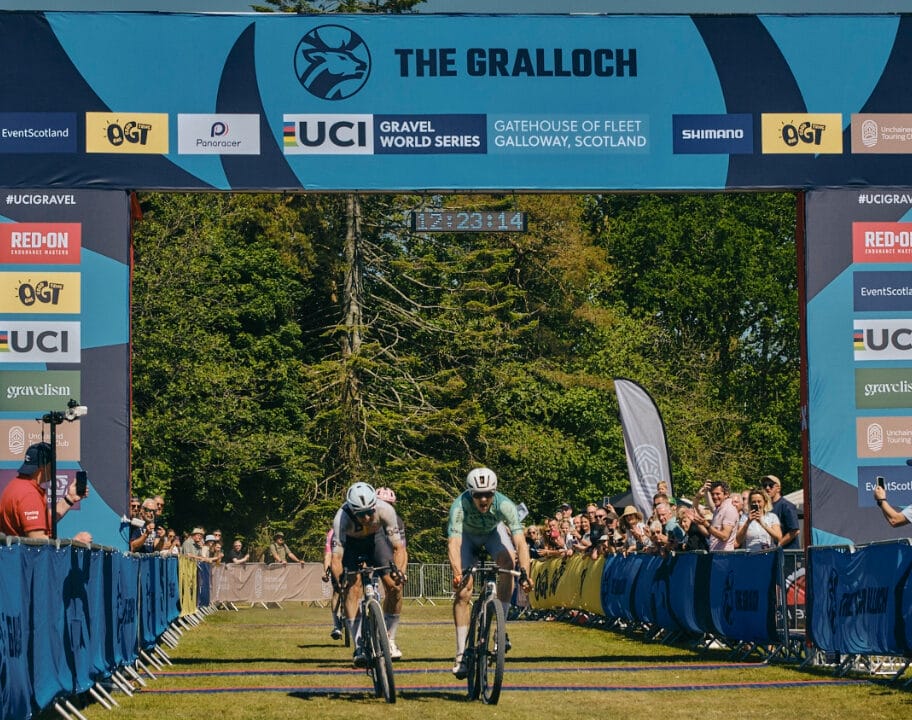
Bike racing is one of the fastest ways to become a better cyclist. While structured training builds fitness, racing puts those adaptations to the test in unpredictable conditions where every climb, corner and sprint requires quick decisions. Whether you’re entering criteriums, road races, gravel events or local club competitions, frequent racing teaches lessons that are difficult to learn during solo training. It develops physical fitness, technical skills and race awareness while showing exactly where you need to improve.
The objective isn’t to race every weekend without recovery. Instead, it’s to race often enough that each event becomes another opportunity to improve.
Racing Pushes Your Fitness Further
Training sessions are carefully planned, but races are unpredictable. You’ll accelerate out of corners, respond to attacks, climb at threshold and recover while still riding at a high speed.
Regular racing helps improve:
- Aerobic endurance.
- Anaerobic power.
- Repeat sprint ability.
- Fatigue resistance.
- Recovery between hard efforts.
Many cyclists find these gains become even greater when combined with how to improve lactate threshold for cycling, allowing them to sustain harder efforts throughout longer races.
You Learn to Pace Yourself Better
One of the biggest lessons racing teaches is effort management. Many beginners attack too early, chase every rider or ride above their sustainable pace.
Frequent racing helps you recognise:
- When to conserve energy.
- When to attack.
- When to stay in the bunch.
- When to ride steadily.
- When to save your sprint.
The experience gained complements how to pace a long cycling ride properly, helping you become a more efficient rider both in races and during endurance events.
Bike Handling Improves Naturally
Good bike handling isn’t learned from reading about it. It develops through repetition.
Regular racing improves:
- Cornering.
- Braking.
- Descending.
- Riding through technical sections.
- Holding a predictable line.
Many riders also build confidence by practising how to improve cornering skills on a road bike for beginners, making race-day handling feel much more natural.
Group Riding Becomes More Comfortable
Racing teaches you how to ride safely around other cyclists.
You’ll become more comfortable:
- Riding close to wheels.
- Holding your line.
- Moving through the bunch.
- Communicating with other riders.
- Positioning yourself before corners.
These skills transfer directly into club rides and sportive events. Learning how to ride safely in a cycling group alongside regular racing builds both confidence and safety.
Tactical Awareness Develops Quickly
Fitness alone rarely wins races.
Experienced cyclists know when to:
- Follow attacks.
- Stay sheltered.
- Bridge gaps.
- Wait patiently.
- Launch their sprint.
These decisions become easier with experience. Every race teaches something new about positioning and energy management.
Racing Reveals Your Weaknesses
Training data can hide weaknesses. Racing exposes them immediately.
You may discover that you:
- Struggle on steep climbs.
- Lose confidence on descents.
- Fade after repeated attacks.
- Sprint well but recover slowly.
- Position poorly before key sections.
These observations provide clear direction for future training. Cyclists targeting more sustained improvements often combine racing with how can interval training improve cycling speed, helping address weaknesses identified during competition.
Confidence Grows Every Time You Race
Standing on the start line can feel intimidating at first. The more races you complete, the more comfortable you become.
You’ll develop confidence in your ability to:
- Handle pressure.
- Ride with groups.
- Recover from mistakes.
- Make tactical decisions.
- Finish strong.
Even difficult races contribute valuable experience.
Racing Improves Mental Toughness
Every race presents unexpected challenges. You might puncture, miss a breakaway or struggle on a climb. Learning to remain calm during these moments builds resilience that benefits every aspect of cycling.
Over time you’ll become better at:
- Managing discomfort.
- Staying focused.
- Recovering mentally.
- Adapting your strategy.
- Continuing when tired.
Mental strength often separates experienced racers from equally fit competitors.
You Become More Efficient
Regular racing teaches smoother riding.
You’ll waste less energy by:
- Choosing better lines.
- Braking less.
- Drafting more effectively.
- Maintaining momentum.
- Pedalling more consistently.
Many cyclists reinforce these improvements through how to develop a smoother pedal stroke in cycling, creating a more economical riding style over every distance.
Racing Makes Training More Purposeful
Upcoming races give every training session direction. Instead of riding without a goal, you’ll focus on improving the areas that matter most. Training becomes more structured because every workout contributes towards your next event. Cyclists often notice greater motivation when following how to train smarter and ride stronger, using races as regular checkpoints throughout the season.
Better Preparation Before Every Event
Frequent racing teaches valuable routines.
You’ll learn:
- What to eat beforehand.
- How long to warm up.
- What equipment to carry.
- How much to drink.
- How to manage pre-race nerves.
Preparation gradually becomes automatic rather than stressful. Many riders also benefit from following what warm-up exercises can be performed before a bike race, helping them arrive at the start line feeling ready to perform.
Common Mistakes When Racing Too Often
While racing frequently offers many benefits, balance remains important.
Avoid these common mistakes:
- Racing without recovery.
- Ignoring nutrition.
- Skipping easy rides.
- Neglecting strength training.
- Chasing every attack.
- Increasing race volume too quickly.
- Analysing only results instead of performance.
Recovery is where adaptation occurs.
Practical Tips to Get More From Racing
Use every race as a learning opportunity.
Remember to:
- Set one objective before each race.
- Review your performance afterwards.
- Practise skills during training.
- Fuel consistently.
- Recover properly.
- Stay patient with your progress.
- Focus on long-term improvement.
Every race provides valuable experience, regardless of your finishing position.
The Bottom Line
Frequent bike racing is one of the most effective ways to become a stronger and more complete cyclist. It develops fitness, technical ability, tactical awareness and confidence while exposing areas that structured training alone may overlook. The greatest improvements come from combining regular racing with smart training and adequate recovery. By treating every event as a chance to learn rather than simply a result to chase, you’ll continue becoming a faster, more efficient and more confident cyclist throughout the season.
FAQs
Yes. Beginner-friendly races provide valuable experience while improving confidence, bike handling and race awareness.
Most recreational cyclists benefit from racing every two to four weeks, depending on their training load and recovery.
Yes. Racing exposes your body to varied intensities that help improve endurance, power and fatigue resistance.
Absolutely. Regular exposure to corners, descents and group riding develops handling skills far more quickly than solo riding.
No. Racing complements structured training but should not completely replace planned workouts.
Experience improves tactical awareness and confidence, allowing riders to make better decisions under pressure.
Yes. Reviewing your strengths, weaknesses and tactical decisions helps guide future training.