Lactate threshold is one of the most important performance markers for cyclists. It represents the highest intensity you can sustain for an extended period before fatigue begins accumulating rapidly.
A higher lactate threshold allows cyclists to:
- Ride faster for longer
- Sustain harder efforts
- Climb more efficiently
- Improve time trial performance
- Finish races stronger
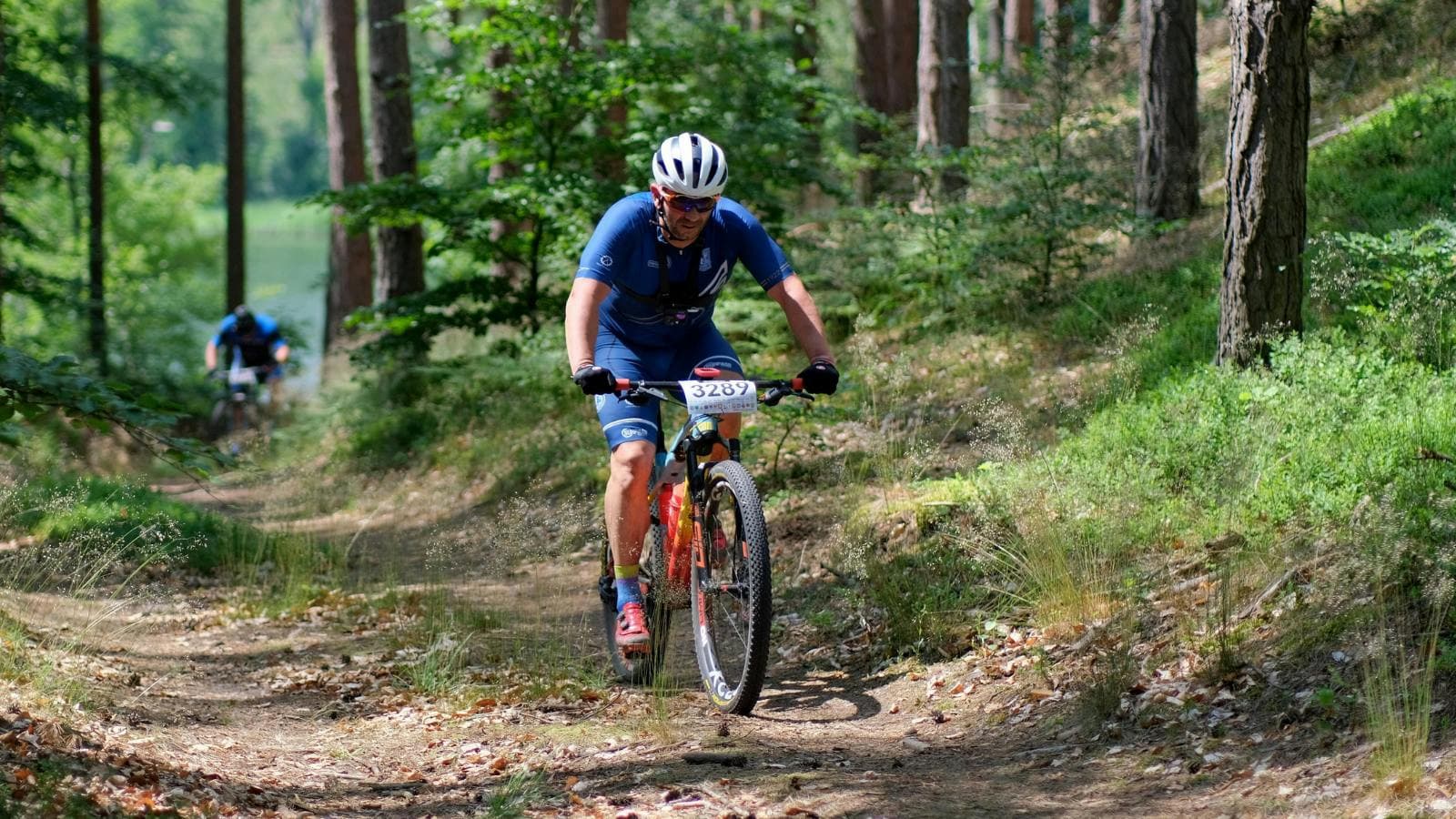
For most riders, improving lactate threshold provides greater benefits than simply increasing top-end speed because cycling events are often won by athletes who can maintain a strong pace rather than produce short bursts of power. The good news is that lactate threshold is highly trainable. With structured workouts, proper recovery, and consistent progression, cyclists can significantly improve their ability to sustain power for longer periods.
What Is Lactate Threshold?
Lactate threshold is the point where your body begins producing lactate faster than it can remove it.
Below threshold:
- Effort feels controlled
- Breathing remains manageable
- Fatigue develops slowly
Above threshold:
- Breathing becomes difficult
- Legs begin burning
- Fatigue accumulates rapidly
Understanding this intensity is one reason many cyclists use power meters discussed in mounting and dismounting your bike safely to better manage training intensity and monitor long-term progression.
Build a Strong Aerobic Base First
Before focusing heavily on threshold sessions, cyclists need a solid aerobic foundation.
Aerobic training improves:
- Oxygen delivery
- Fat utilisation
- Recovery capacity
- Endurance
Without strong aerobic fitness, threshold workouts become harder to recover from and less effective. Many riders trying to improve performance quickly skip this step and end up plateauing early. Athletes who consistently follow principles similar to zone 2 cycling training benefits often find threshold gains become easier to achieve because the aerobic engine is already well developed.
Use Structured Threshold Intervals
The most effective way to improve threshold is by spending time training near threshold.
Examples include:
- 2 × 20 minutes
- 3 × 12 minutes
- 4 × 10 minutes
These workouts teach the body to:
- Process lactate more efficiently
- Sustain power longer
- Improve fatigue resistance
The effort should feel challenging but controlled rather than all-out.
Sweet Spot Training Can Be Highly Effective
Sweet spot training occurs slightly below threshold intensity.
It provides many of the same benefits while creating less fatigue.
Benefits include:
- Improved endurance
- Better muscular durability
- Faster recovery
- More training consistency
Cyclists looking to increase sustainable power often combine threshold sessions with sweet spot work throughout the training week. This approach works particularly well alongside strategies discussed in how to increase cycling volume without the risk of injury because training stress remains manageable.
Progress Gradually
One of the biggest mistakes cyclists make is increasing workload too aggressively.
Threshold improvements happen through:
- Consistency
- Progressive overload
- Recovery
Not through massive jumps in training volume. Small increases repeated over many weeks often produce the best results. The same principle applies to endurance development covered in how to train for consecutive long cycling days, where sustainable progression consistently outperforms aggressive training blocks.
Fuel Threshold Workouts Properly
Threshold sessions rely heavily on carbohydrates.
Poor fueling often leads to:
- Reduced power output
- Poor workout quality
- Slower recovery
- Inconsistent training
Cyclists should arrive at key sessions properly fueled and continue supporting recovery afterward. Many athletes underestimate how much nutrition affects their ability to improve threshold fitness. Hydration is equally important, particularly during longer sessions where fatigue accumulates gradually.
Recovery Is Where Improvement Happens
Training creates stress. Recovery creates adaptation.
Without proper recovery:
- Threshold gains slow
- Fatigue accumulates
- Performance stagnates
Cyclists should prioritise:
- Sleep
- Nutrition
- Hydration
- Easy rides
- Recovery weeks
Riders who understand concepts discussed in how to stop hand numbness and saddle discomfort on long rides often realise that comfort, recovery, and consistency are closely connected over longer training periods.
Strength Training Supports Threshold Development
Cycling performance is influenced by more than cardiovascular fitness.
Strength training helps improve:
- Force production
- Stability
- Pedalling efficiency
- Muscular endurance
Useful exercises include:
- Squats
- Lunges
- Deadlifts
- Step-ups
- Core work
A stronger rider often becomes a more efficient rider, particularly during long sustained efforts and climbs.
Long Rides Still Matter
Threshold training should not replace endurance riding.
Long rides improve:
- Aerobic capacity
- Fat metabolism
- Muscular endurance
- Recovery efficiency
These adaptations provide the foundation that allows cyclists to sustain higher threshold power during races and challenging rides. Athletes preparing through how to know if you are overtraining in cycling often spend significant time on long outdoor rides where aerobic development continues alongside threshold progression.
Monitor Fatigue Carefully
Many cyclists become obsessed with increasing power and ignore warning signs of excessive fatigue.
Common signs include:
- Heavy legs
- Poor sleep
- Elevated heart rate
- Declining motivation
- Reduced workout quality
More training is not always the answer. Sometimes the fastest route to improvement is additional recovery. This becomes particularly important during race preparation discussed in strength training that actually helps cyclists, where balancing fitness and freshness determines final performance.
Consistency Beats Occasional Hero Workouts
Threshold fitness develops over:
- Weeks
- Months
- Training cycles
Not through one breakthrough workout.
Many cyclists chase:
- Massive sessions
- Personal bests
- Constant intensity

The strongest riders are usually the athletes who complete quality training consistently while staying healthy and motivated. Athletes who understand pacing principles from cycling cadence explained often perform better because they focus on long-term execution rather than short-term intensity.
Common Mistakes When Training Lactate Threshold
Many cyclists limit progress through avoidable habits.
Common mistakes include:
- Riding hard every day
- Ignoring recovery
- Underfueling workouts
- Increasing volume too quickly
- Skipping aerobic rides
- Neglecting strength training
Threshold improvement comes from balance rather than constant suffering.
Practical Ways to Improve Lactate Threshold
Cyclists can improve threshold performance by:
- Building aerobic fitness
- Using structured intervals
- Incorporating sweet spot training
- Fueling properly
- Strength training regularly
- Prioritising recovery
- Monitoring fatigue
- Training consistently
The cyclists who improve fastest are rarely the riders who train hardest every day. They are usually the riders who combine smart intensity with consistent recovery and long-term progression.
FAQs
Lactate threshold is the highest intensity a cyclist can sustain before fatigue begins accumulating rapidly.
A higher threshold allows cyclists to maintain stronger efforts for longer periods.
Structured threshold intervals and sweet spot training are among the most effective methods.
Most cyclists benefit from one or two threshold-focused sessions each week.
Yes. Aerobic fitness provides the foundation that supports threshold development.
Sweet spot training is performed slightly below threshold and improves endurance with lower recovery demands.
Yes. Improved muscular strength can support higher sustainable power outputs.