Cycling with mild tendinitis can be safe for some cyclists, provided the activity does not significantly increase pain or worsen symptoms afterward. Because cycling is relatively low impact, it may be better tolerated than running or jumping. However, repeated pedaling still places stress on tendons, and whether you should continue depends on the location and severity of the problem. Tendinitis refers to inflammation of a tendon, the tissue connecting muscle to bone. Not every painful tendon is actively inflamed.
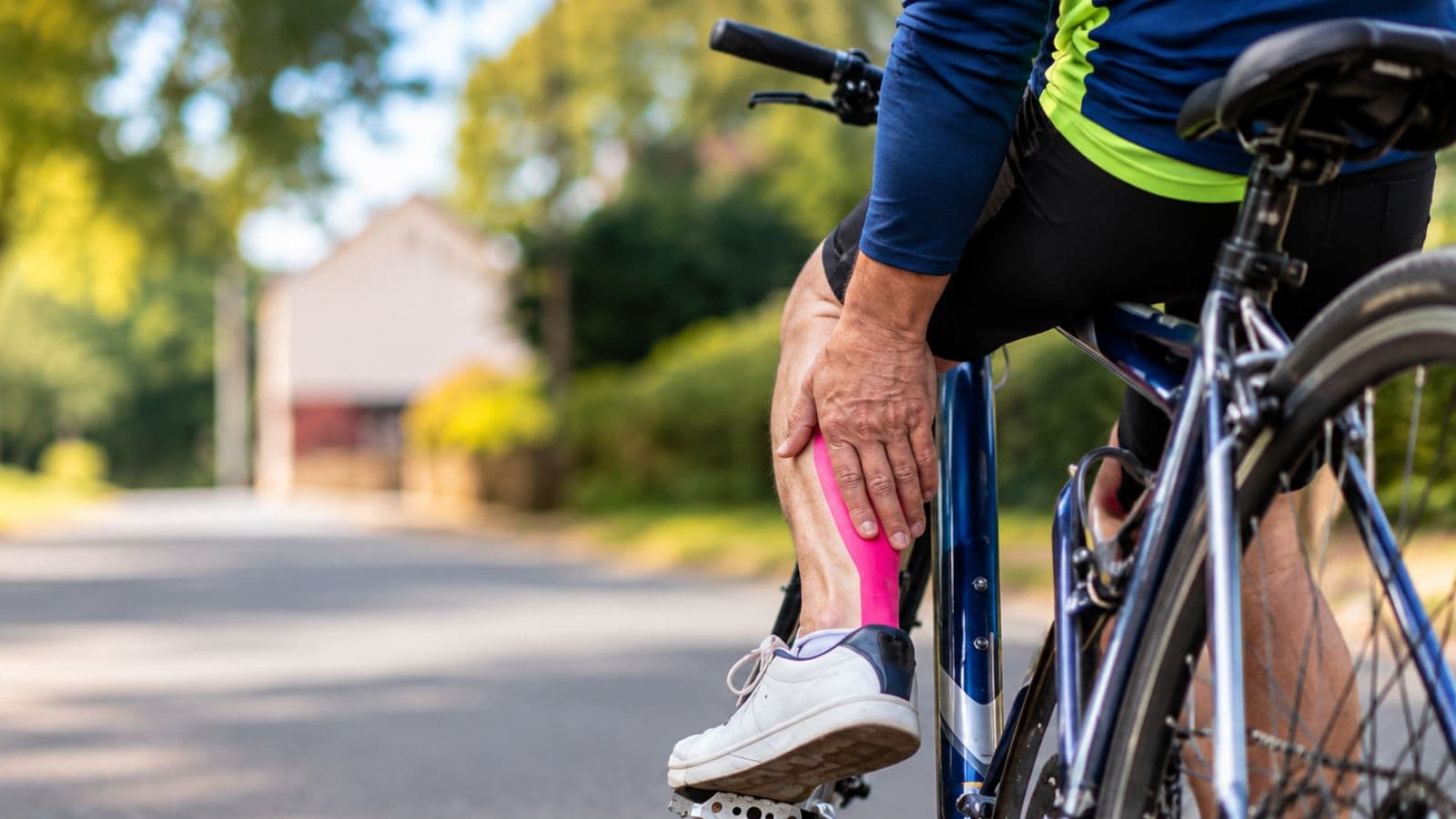
The goal is not necessarily to avoid all movement. Appropriate activity can sometimes support recovery, but continuing through worsening pain can delay improvement. Understanding how symptoms respond during and after cycling is essential, particularly when returning to training after a tendon problem.
In Short
- Mild tendon pain does not always require complete rest.
- Cycling may be tolerated because it is low impact.
- Safety depends on the affected tendon.
- Pain should remain manageable during exercise.
- Symptoms should not worsen afterward.
- Reduce resistance and training intensity when necessary.
- Avoid aggressive hill climbing and sprinting.
- Check bike fit and pedaling technique.
- Gradual loading supports tendon rehabilitation.
- Seek professional assessment for persistent or worsening symptoms.
Understanding Tendinitis and Tendinopathy
Tendons transfer force between muscles and bones. During cycling, tendons repeatedly experience loading as the legs produce power.
Tendon related symptoms may include:
- Localized pain.
- Tenderness around the tendon.
- Stiffness after inactivity.
- Discomfort during pedaling.
- Reduced tolerance for harder efforts.
Tendinopathy often develops when tendon loading exceeds its current capacity to recover and adapt. However, tendon pain has several possible causes, so symptoms alone cannot confirm a diagnosis.
When Is Cycling With Mild Tendinitis Appropriate?
Gentle cycling may be reasonable when symptoms are mild and stable, and the activity is tolerated.
Before riding, consider:
- Is the pain mild rather than sharp?
- Can you pedal normally?
- Does discomfort remain stable?
- Are symptoms improving overall?
- Is there no significant swelling or weakness?
- Has a clinician advised that continued activity is appropriate?
A commonly used rehabilitation approach allows some manageable discomfort, but acceptable pain levels vary by condition and individual. Do not use a numerical pain threshold as permission to ignore worsening symptoms.
How Cycling Can Affect Different Tendons?
The location of tendon pain influences which cycling movements may aggravate symptoms.
| Tendon area | Potential cycling aggravators |
|---|---|
| Patellar tendon | High resistance and forceful knee extension |
| Quadriceps tendon | Heavy pedaling loads and demanding climbs |
| Achilles tendon | High force pedaling and excessive ankle movement |
| Hamstring tendons | Prolonged or forceful loading in certain positions |
| Gluteal tendons | Positions or workloads that aggravate lateral hip pain |
These are possible contributors, not definitive causes. Persistent symptoms require assessment to identify the affected structure and appropriate treatment.
Reduce Training Intensity First
When mild tendon discomfort develops, reducing demanding cycling loads is often a sensible first adjustment.
Consider temporarily avoiding:
- Maximum sprints.
- Heavy gear accelerations.
- Repeated steep climbs.
- Long threshold efforts.
- High resistance indoor workouts.
Replace them with shorter, easier sessions if tolerated. Understanding why are slower training sessions important for cycling training can help you maintain appropriate aerobic activity without turning every ride into a demanding workout.
Does Cadence Affect Tendon Stress?
Cadence can influence the amount of force required during each pedal revolution. At a given power output, a lower cadence generally requires greater pedal torque. For some cyclists, using a slightly easier gear and a comfortable cadence may reduce symptoms associated with forceful pedaling. However, excessively high cadence can also cause discomfort.
The principles of cycling cadence can help you understand how gearing and pedaling rhythm influence mechanical demands.
Check Your Bike Fit
Bike positioning can influence how forces are distributed through the legs.
Potential problems include:
- Saddle height that is too low or high.
- Excessive saddle setback.
- Poor cleat positioning.
- Uncomfortable reach.
- Restricted movement.
- Sudden changes in riding position.
A bike fit cannot diagnose tendon pain, but correcting an unsuitable position may reduce unnecessary irritation. Understanding how does bike geometry affect cycling performance provides useful context for how riding position influences comfort and movement.
Knee Tendon Pain During Cycling
Pain around the front of the knee may involve the patellar or quadriceps tendon, although other conditions can produce similar symptoms. High resistance pedaling may increase discomfort.
Useful adjustments may include:
- Reducing intensity.
- Avoiding heavy gears.
- Shortening ride duration.
- Reviewing saddle position.
- Monitoring symptoms afterward.
Understanding how to prevent your knees from hurting during long cycling can help identify general cycling factors that contribute to knee discomfort. However, recurring knee pain should not automatically be treated as tendinitis without an assessment.
Use Easy Cycling as Part of Recovery
Low intensity cycling may help maintain cardiovascular fitness while reducing exposure to more demanding activities.
A cautious return might begin with:
- 10 to 20 minutes of easy pedaling.
- Flat terrain or light trainer resistance.
- A comfortable cadence.
- No sprinting.
- Monitoring symptoms afterward.
If symptoms remain stable, duration may be increased gradually. If pain worsens during the session or the following day, reduce loading and seek professional advice when appropriate.
Strength Training and Tendon Rehabilitation
Tendons generally benefit from appropriately progressed loading rather than indefinite avoidance of activity.
Rehabilitation may involve:
- Isometric exercises.
- Slow resistance training.
- Progressive strengthening.
- Functional movement exercises.
- Gradual return to demanding activity.
The correct exercise selection depends on the tendon involved and the stage of rehabilitation. Understanding what strength training actually helps cyclists improve performance can provide general context, but tendon rehabilitation should be individualized when symptoms persist. Avoid introducing heavy strength exercises without considering current pain and loading tolerance.
Monitor Symptoms After Cycling
How a tendon responds after exercise is often as important as how it feels during the ride.
Monitor:
- Pain later that day.
- Morning stiffness.
- Changes in tenderness.
- Walking comfort.
- Symptoms during normal activities.
- Response to subsequent workouts.
A temporary increase in discomfort does not always indicate tissue damage, but repeated worsening suggests that the current workload may be excessive. Keep a simple training and symptom record to identify patterns.
When Should You Stop Cycling?
Stop the session if you experience:
- Sudden sharp pain.
- A popping sensation.
- Rapid swelling.
- Significant weakness.
- Difficulty bearing weight.
- Loss of normal movement.
- Pain that rapidly worsens.
A sudden pop with weakness or loss of function may indicate a tendon tear and requires urgent medical assessment. Persistent pain, swelling, or symptoms that interfere with daily activity should also be evaluated by a healthcare professional.
Returning to Harder Cycling Workouts
Higher intensity training should return gradually once symptoms and functional capacity are improving.
A sensible progression may involve:
- Comfortable easy cycling.
- Longer aerobic rides.
- Moderate resistance.
- Controlled sustained efforts.
- Higher intensity intervals.
- Sprinting and demanding climbs.
Progression should reflect symptom response and rehabilitation guidance rather than a fixed timetable. Understanding how can interval training improve cycling speed can help you reintroduce structured intensity when the affected tendon can tolerate greater loads.
Preventing Recurring Tendon Problems
Reducing repeated overload is important for long term tendon health.
Useful habits include:
- Increasing training gradually.
- Maintaining appropriate strength.
- Avoiding sudden increases in climbing.
- Allowing recovery between demanding sessions.
- Checking equipment changes.
- Monitoring recurring symptoms.
The guidance in what training habits increase injury risk in cyclists can help identify avoidable training errors that contribute to excessive physical stress.
Recovery and Training Adjustments
Recovery from tendon pain varies according to the affected tendon, symptom duration, and individual factors. Sleep, nutrition, and sensible training progression support general recovery, but no single recovery method guarantees tendon healing. When symptoms persist, a physiotherapist can help establish an appropriate loading program.
Understanding how to know if you are overtraining in cycling can also help identify broader fatigue patterns that may complicate training and recovery.
Common Mistakes
- Ignoring worsening tendon pain.
- Continuing maximum intensity workouts.
- Assuming all tendon pain is inflammation.
- Stopping every activity indefinitely.
- Returning to hard training too quickly.
- Making major bike fit changes without assessment.
- Using painkillers to mask symptoms during exercise.
- Neglecting progressive strength rehabilitation.
- Ignoring symptoms the morning after riding.
Practical Tips
- Start with short, easy rides if tolerated.
- Avoid heavy resistance initially.
- Use comfortable gears and cadence.
- Monitor symptoms during and after exercise.
- Review recent increases in training load.
- Check for obvious bike fit problems.
- Progress activity gradually.
- Seek professional guidance for persistent pain.
- Stop riding if sudden or severe symptoms occur.
Actionable Takeaways
- Mild tendinitis does not automatically rule out cycling.
- Reduce tendon loading and monitor symptom response.
- Use gradual rehabilitation rather than forcing intensity.
- Seek assessment when symptoms worsen or fail to improve.
FAQs
Sometimes. Easy cycling may be appropriate when symptoms remain manageable and do not worsen afterward.
Appropriately dosed cycling may help maintain activity, but its suitability depends on the affected tendon and rehabilitation stage.
Yes. Excessive resistance, prolonged riding, or repeated high intensity efforts may aggravate tendon symptoms.
Not always. Some cyclists can continue modified activity, while others need temporary rest from aggravating movements.
Indoor cycling allows controlled resistance and duration, but it can still aggravate symptoms if the workload is excessive.
There is no universal cadence. A comfortable rhythm with manageable resistance may be preferable to forceful low cadence pedaling.
Unsuitable positioning can contribute to discomfort, although tendon pain often involves multiple factors.
Recovery varies. Some mild symptoms improve within weeks, while persistent tendinopathy may require several months of rehabilitation.
Stretching is not always appropriate and can aggravate certain tendon problems. Exercise selection should reflect the diagnosis.
Seek assessment for persistent or worsening pain, significant swelling, weakness, or difficulty with normal movement. Sudden severe symptoms may require urgent care.