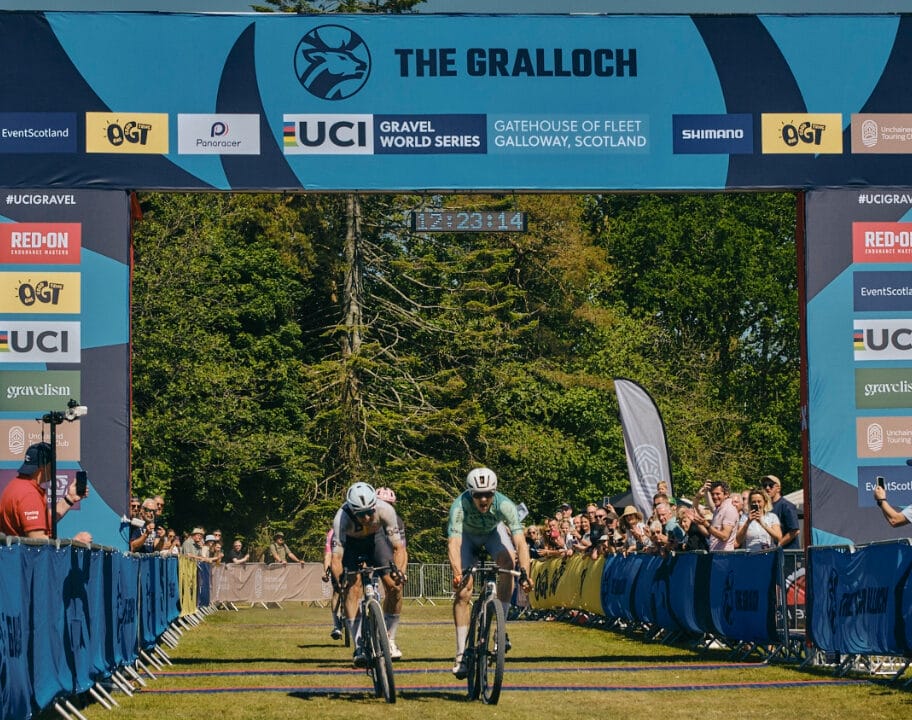
Strength training has long been overlooked in cycling, with many riders believing that time on the bike alone is enough. However, research and modern coaching consistently show that targeted strength work can significantly improve cycling performance, efficiency, and durability. The key is not just lifting weights, it is doing the right kind of strength training that directly supports how you ride.
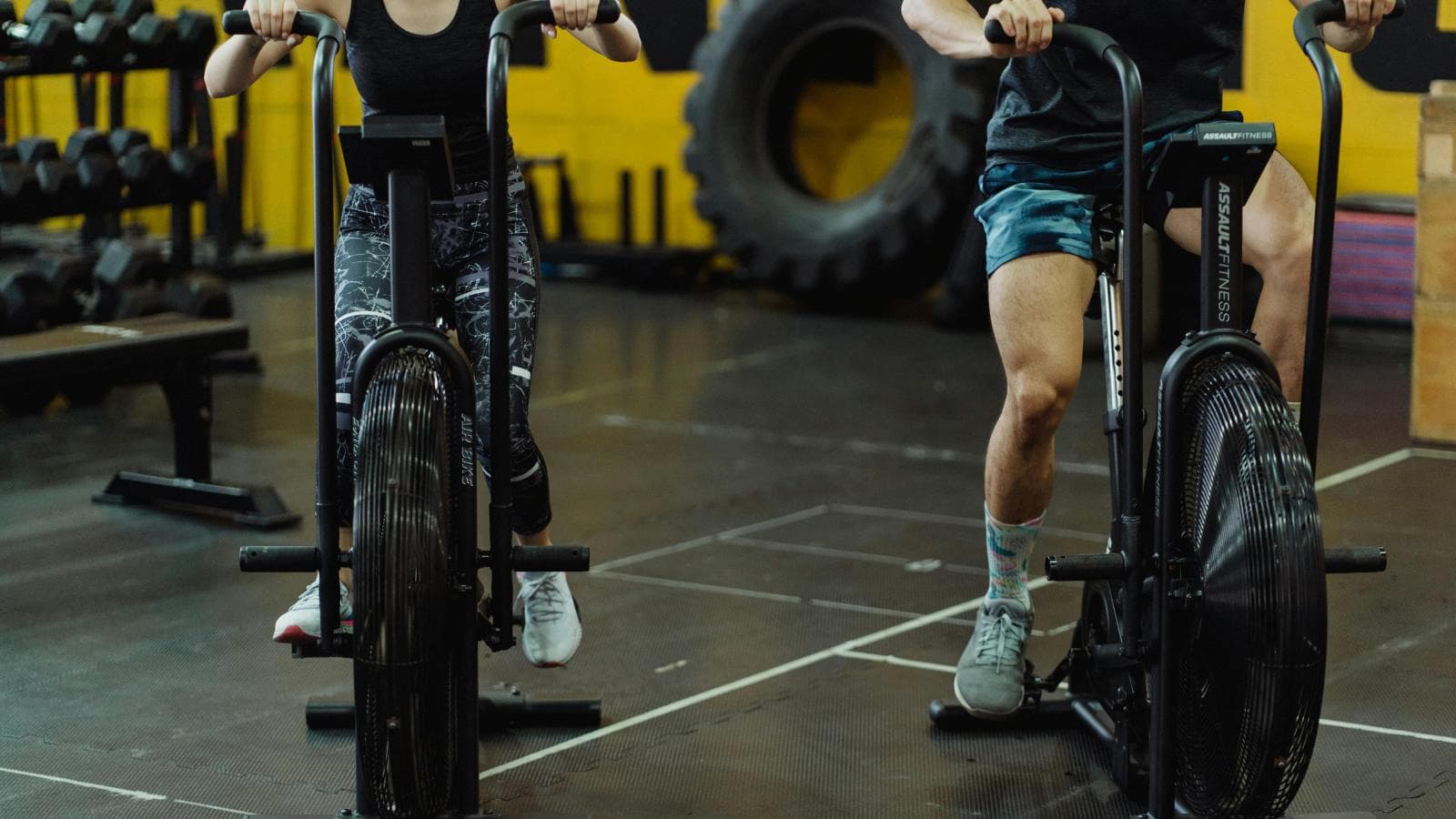
Why Strength Training Matters for Cyclists?
Cycling is an endurance sport, but it still relies heavily on muscular strength. Every pedal stroke requires force production from your legs and stability from your core. Strength training improves power output, cycling economy, and fatigue resistance. It also reduces injury risk and helps maintain muscle balance. In simple terms, stronger muscles allow you to ride harder, longer, and more efficiently without increasing effort.
The Most Important Types of Strength Training for Cyclists
Not all strength training is equally useful.
Cyclists benefit most from exercises that mimic or support pedalling mechanics.
Lower Body Strength (The Foundation)
Your legs generate the majority of cycling power.
Key muscle groups include:
- Quadriceps
- Hamstrings
- Glutes
Exercises like squats, lunges, and deadlifts directly improve force production. This translates into better climbing, sprinting, and sustained power. Building strength here supports performance gains similar to those developed in climbing efficiently on a road bike, where power and control are essential for uphill riding.
Core Strength (Stability and Efficiency)
Your core connects your upper and lower body. A strong core stabilises your position on the bike. Without it, energy leaks occur during pedalling. This reduces efficiency and increases fatigue. Core strength improves posture, especially during long rides.
It also helps maintain control in challenging conditions, similar to what’s required in riding safely in a cycling group, where stability and awareness are key.
Unilateral Strength (Balance and Control)
Cycling is a repetitive motion, but each leg works independently. Imbalances between left and right sides can reduce efficiency. Single-leg exercises like split squats or step-ups help correct this. They improve coordination and balance. Better balance leads to smoother pedalling and reduced injury risk.
Explosive Strength (Power and Acceleration)
Explosive strength training focuses on fast, powerful movements. This helps with sprinting and quick accelerations. Research shows combining strength and explosive training improves cycling performance. This is especially useful in race scenarios where bursts of power are needed.
How Strength Training Improves Cycling Performance?
Improved Power Output
- Stronger muscles produce more force per pedal stroke.
- This increases both peak and sustained power.
- Cyclists who strength train can generate higher output with less effort.
Better Cycling Efficiency
- Strength training improves how efficiently you use energy.
- You waste less effort with each movement.
- Studies show improvements in cycling economy and time to exhaustion.
Reduced Fatigue Over Long Rides
- Stronger muscles fatigue more slowly.
- This helps maintain performance during long rides.
This becomes especially important when pacing efforts, similar to strategies in pacing a long cycling ride properly, where energy conservation is key.
Injury Prevention and Durability
- Strength training helps correct imbalances and stabilise joints.
- This reduces the risk of overuse injuries.
- Cyclists often neglect upper body and stabilising muscles.
- Strength work fills this gap and improves overall durability.
How Often Should Cyclists Strength Train?
- Most research suggests 2 sessions per week is effective.
- During off-season or base training, you can increase volume slightly.
- During peak season, reduce to maintenance sessions.
- The goal is to complement cycling, not replace it.
When to Include Strength Training in Your Plan?
Off-Season (Best Time to Build Strength)
- This is when you can focus more on heavy strength work.
- It builds a foundation for the upcoming season.
This approach aligns with how to structure your cycling off-season training, where strength becomes a priority before race-specific work.
In-Season (Maintenance Phase)
- Reduce volume and intensity.
- Focus on maintaining strength rather than building it.
- This prevents fatigue from affecting your cycling sessions.
Common Mistakes Cyclists Make With Strength Training
Doing Too Much Too Soon
- Heavy lifting without progression leads to fatigue.
- Start gradually and build over time.
Ignoring Cycling-Specific Needs
- Generic gym routines do not always translate to performance.
- Focus on exercises that support cycling mechanics.
Skipping Recovery
- Strength training adds stress to your body.
- Without proper recovery, it can reduce performance.
Over-emphasising Upper Body
- Upper body strength is important, but lower body and core should be the priority.
Practical Strength Routine for Cyclists
A simple and effective routine might include:
- Squats or leg press
- Deadlifts
- Lunges or step-ups
- Core exercises (planks, rotations)
- Optional explosive movements
Keep sessions focused and efficient. Quality matters more than quantity.
How Strength Training Fits With Cycling Training?
- Strength training should support your riding, not interfere with it.
- Schedule sessions on easier riding days or after shorter rides.
- Balancing both elements is essential for progress.
This becomes even more important when managing overall training load, similar to principles in riding strong in headwinds and crosswinds, where strength and control work together.
Common Mistakes
- Doing random gym workouts without purpose
- Training too heavy during peak cycling weeks
- Ignoring recovery between sessions
- Not focusing on lower body strength
- Inconsistent training
Practical Checklist
- Focus on lower body and core strength
- Train 1 to 2 times per week
- Use compound movements like squats and lunges
- Add unilateral exercises for balance
- Include explosive work if needed
- Align strength training with cycling schedule
What You Should Do?
- Start with a simple, cycling-focused strength routine.
- Prioritise movements that improve power and stability.
- Keep sessions short and consistent.
- Build strength during the off-season and maintain it during peak training.
- Follow a structured approach that supports your riding rather than competing with it.
- Over time, strength training becomes a key part of performance, helping you ride stronger, longer, and more efficiently.
FAQs
Yes, it improves power, efficiency, and endurance. It also reduces injury risk.
1 to 2 times per week is enough. Consistency matters more than volume.
Squats, lunges, and deadlifts are highly effective. Core exercises are also important.
Not if done correctly. Cyclists typically gain strength without significant weight gain.
During off-season for building strength. During season for maintenance.
Yes, it improves stability and efficiency. It helps maintain posture on long rides.
Yes, starting early builds a strong foundation. It helps prevent injuries as training increases.
Yes, but keep sessions balanced. Avoid overloading your body.
Ignoring strength training completely. It limits performance and increases injury risk.