

Cyclists can stay focused during a race by concentrating on their own effort, pacing, nutrition, positioning, and decision-making rather than worrying about competitors or unpredictable conditions. This approach helps riders direct their attention toward actions that can improve performance instead of wasting energy on situations beyond their control. Cycling races are rarely predictable. Weather changes, mechanical problems, attacks from other riders, and unexpected changes in pace can quickly disrupt even a carefully prepared race strategy. Many cyclists become frustrated when their race does not follow the original plan. They may chase competitors unnecessarily, increase their effort too early, or become distracted by mistakes that have already happened.
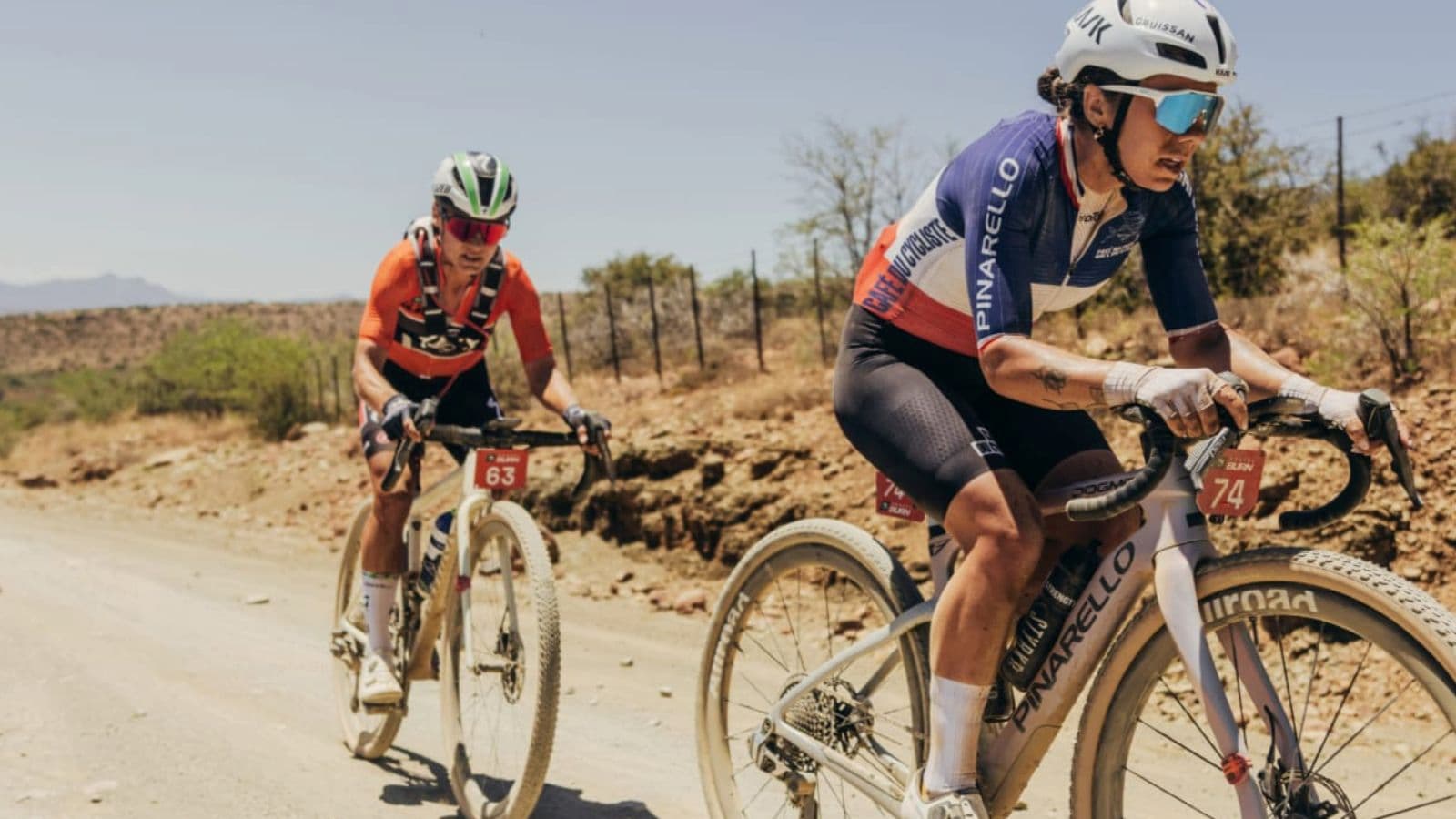
Developing mental flexibility allows cyclists to respond more effectively to changing situations. By recognizing what they can influence and accepting what they cannot, riders can maintain concentration, make clearer decisions, and approach racing with greater confidence.
In Short
- Focus on actions rather than race outcomes.
- Control pacing and effort where possible.
- Follow a practical nutrition strategy.
- Avoid unnecessary comparisons with competitors.
- Prepare for changing race conditions.
- Use positive, realistic self-talk.
- Concentrate on the next useful decision.
- Manage emotional reactions to setbacks.
- Maintain awareness of safety and positioning.
- Review controllable actions after the race.
Understanding What Cyclists Can Control
Every cycling race includes factors that riders can influence and others that remain unpredictable. Recognizing the difference helps athletes direct attention toward useful actions.
Factors You Can Control
- Preparation before the race.
- Equipment checks.
- Nutrition and hydration planning.
- Effort management within race demands.
- Tactical decisions.
- Attention and communication.
- Responses to unexpected situations.
- Willingness to adjust the race plan.
Factors You Cannot Fully Control
- Other riders’ decisions.
- Weather conditions.
- Course changes.
- Competitors’ fitness.
- Unexpected mechanical failures.
- Race results.
- Traffic or incidents outside your influence.
- Every change in group speed.
Understanding how to train smarter and ride stronger can help cyclists recognize why preparation and decision-making are more useful than worrying about circumstances they cannot change. The goal is not to ignore external factors but to respond appropriately without becoming overwhelmed by them.
Focus on the Process Rather Than the Result
Cyclists often begin races with specific goals, such as finishing in a particular position or achieving a personal best. These goals can provide motivation, but they depend partly on factors outside the rider’s control. Process goals focus on actions that contribute to performance.
Examples include:
- Maintaining controlled effort.
- Eating at planned intervals.
- Staying attentive during technical sections.
- Following an appropriate pacing strategy.
- Communicating clearly in a group.
- Responding calmly to changing conditions.
Outcome goals remain useful, but process goals provide something actionable throughout the race. A cyclist cannot guarantee a podium finish, but they can commit to making sensible decisions and executing their preparation.
Control Your Pacing and Effort
Pacing is one of the most important factors cyclists can influence during a race. Starting too aggressively may create fatigue that becomes difficult to manage later. However, pacing decisions also depend on race format. A road race may require responding to attacks, while a time trial allows more independent effort management.
Useful pacing habits include:
- Avoiding unnecessary early surges.
- Monitoring perceived exertion.
- Using power or heart rate when appropriate.
- Adjusting effort on climbs.
- Managing energy for the final stages.
- Recognizing when chasing another rider is unrealistic.
Understanding how to pace a long cycling ride properly can help cyclists develop better awareness of sustainable effort. The objective is not always to maintain identical power throughout a race, but to distribute effort intelligently according to the demands of the event.
Avoid Becoming Distracted by Competitors
Other cyclists can influence race tactics, but constantly comparing yourself with them may create unnecessary stress. A rider who appears stronger early in the race may struggle later, while another may be following a completely different strategy.
Common distractions include:
- Worrying about another rider’s power.
- Reacting to every attack.
- Comparing equipment.
- Becoming frustrated when overtaken.
- Focusing excessively on finishing position.
- Assuming competitors are performing better.
Instead, assess whether responding to another rider supports your own race objectives. Understanding what are the benefits of bike racing frequently can help cyclists recognize how experience improves tactical awareness and confidence. Learning to make selective decisions is more useful than reacting emotionally to every movement around you.
Use Mental Cues to Maintain Concentration
Short mental cues can help cyclists return their attention to the task at hand. These cues work best when they are simple and directly connected to an action.
Examples include:
- Smooth: Relax unnecessary tension.
- Steady: Control effort.
- Breathe: Return attention to breathing.
- Fuel: Follow the nutrition plan.
- Look ahead: Maintain road awareness.
- Next decision: Focus on the immediate situation.
Choose one or two cues that feel natural during training. Mental cues should support concentration without distracting cyclists from road conditions or other riders.
Prepare for Unexpected Race Situations
Cyclists cannot prevent every setback, but they can prepare responses to common problems. This is sometimes called an if-then strategy.
For example:
- If a competitor attacks early, assess whether chasing fits the race plan.
- If the weather changes, adjust speed and handling.
- If fatigue increases, reassess pacing and nutrition.
- If a minor mistake occurs, return attention to the next decision.
- If equipment develops a problem, prioritize safety.
Understanding how to ride in headwinds and crosswinds on a bike can help cyclists prepare for conditions that influence effort and positioning. Planning responses in advance can reduce hesitation when unexpected situations arise.
Maintain Focus During Climbs
Climbing can become mentally demanding because effort increases and competitors may change pace. Cyclists sometimes focus too heavily on how far remains or how quickly other riders are climbing. A more useful approach is to concentrate on manageable actions.
These include:
- Selecting an appropriate gear.
- Maintaining a sustainable effort.
- Keeping breathing controlled.
- Avoiding unnecessary accelerations.
- Maintaining stable body positioning.
- Looking ahead to upcoming changes in gradient.
Understanding how to climb on a road bike for beginners can help cyclists improve their approach to climbing technique and pacing. Breaking a long climb into smaller sections can make the effort feel more manageable.
Stay Calm During Technical Sections
Technical sections require attention to immediate riding conditions. Excessive worry about crashes or competitors can interfere with smooth decision-making.
Focus on:
- Looking through corners.
- Braking before turns.
- Maintaining appropriate speed.
- Choosing safe lines.
- Keeping movements predictable.
- Leaving enough space around other riders.
Understanding how to improve cornering skills on a road bike for beginners can help cyclists build confidence in technical situations. Safety should take priority over maintaining a particular race position. When conditions become hazardous, adjusting speed is a sensible decision rather than a failure to execute the race plan.
Follow Your Nutrition and Hydration Plan
Nutrition is a practical area where cyclists can maintain considerable control. However, riders sometimes forget to eat or drink when racing becomes intense.
Useful strategies include:
- Practicing nutrition during training.
- Carrying familiar products.
- Planning regular fueling opportunities.
- Monitoring stomach comfort.
- Adjusting fluid intake to conditions.
- Avoiding unfamiliar products on race day.
Understanding how to avoid bonking in cycling can help cyclists recognize the importance of maintaining carbohydrate availability during prolonged racing. Nutrition plans should remain flexible because race intensity, weather, and gastrointestinal tolerance may change. The goal is consistent fueling rather than rigidly following a schedule when conditions make it unsafe or impractical.
Manage Frustration After Mistakes
Even experienced cyclists make tactical and technical mistakes. A missed gear change, poor positioning decision, or unnecessary acceleration can affect confidence. However, repeatedly thinking about a mistake may distract from the remaining race.
A useful response involves:
- Recognizing what happened.
- Avoiding excessive self-criticism.
- Identifying the next useful action.
- Returning attention to the race.
- Reviewing the mistake afterward.
For example, if a cyclist loses position before a corner, the immediate priority should be maintaining safe control rather than becoming frustrated. Learning from mistakes is valuable, but detailed analysis is usually better completed after the event.
Use Training to Build Mental Confidence
Mental focus improves when cyclists practice handling discomfort and uncertainty during training. Race preparation should include situations that develop both physical and psychological confidence.
Useful training methods include:
- Controlled interval sessions.
- Group riding practice.
- Pacing exercises.
- Technical handling drills.
- Riding on varied terrain.
- Practicing race nutrition.
- Simulating realistic race demands.
Understanding what cycling drills help improve bike technique can help cyclists develop greater confidence in their physical control. Training should provide manageable challenges rather than repeatedly exposing riders to unnecessary risks.
Avoid Becoming Overdependent on Training Data
Power meters, heart rate monitors, and cycling computers can provide useful information. However, constantly checking numbers may distract cyclists from their surroundings or encourage rigid decisions.
A balanced approach includes:
- Using data to support pacing.
- Monitoring perceived exertion.
- Recognizing changes in terrain.
- Maintaining awareness of competitors.
- Avoiding unnecessary screen checking.
- Adjusting effort according to race conditions.
Understanding why cyclists shouldn’t rely on training data can help riders develop greater awareness of their physical sensations and surroundings. Data should inform decisions rather than replace judgment.
Practice a Simple Race Focus Routine
Cyclists can develop a short routine to redirect attention when they become distracted.
Before the Race
- Identify two or three process goals.
- Review pacing and nutrition.
- Check equipment.
- Prepare responses to likely setbacks.
- Choose a simple mental cue.
During the Race
- Monitor effort.
- Stay aware of surroundings.
- Follow nutrition plans when practical.
- Return attention to the next useful action.
- Adjust tactics without unnecessary frustration.
After the Race
- Review controllable decisions.
- Identify successful actions.
- Recognize areas for improvement.
- Avoid judging performance only by finishing position.
- Apply useful lessons to future training.
Understanding why is consistency more important than intensity for cycling success can help cyclists maintain a long-term perspective on improvement. A single race result does not define overall progress.
Common Mistakes
- Obsessing over finishing position.
- Reacting to every competitor.
- Ignoring planned pacing.
- Becoming frustrated by setbacks.
- Checking cycling data excessively.
- Forgetting nutrition.
- Using negative self-talk.
- Losing awareness of road conditions.
Practical Tips
- Set clear process goals.
- Choose simple mental cues.
- Focus on the next useful action.
- Practice pacing during training.
- Prepare for unexpected conditions.
- Keep nutrition accessible.
- Stay flexible with race tactics.
- Review decisions after racing.
Actionable Takeaways
- Control your effort and decisions.
- Accept unpredictable race conditions.
- Use process goals to maintain focus.
- Respond calmly to setbacks.
- Judge execution as well as results.
FAQs
Cyclists can influence their preparation, pacing decisions, nutrition, equipment checks, tactical responses, and attention, although race conditions may limit some choices.
Use simple mental cues, follow manageable process goals, maintain nutrition, and concentrate on immediate decisions rather than the entire remaining distance.
It helps cyclists direct attention toward useful actions instead of becoming distracted by unpredictable conditions or competitors.
No. Competitors influence tactics, but cyclists should respond selectively rather than reacting emotionally to every movement.
Acknowledge the mistake, identify the next useful action, and postpone detailed analysis until after the race.
Constructive self-talk may support concentration and confidence, particularly when it focuses on specific actions rather than unrealistic expectations.
Maintain controlled breathing, select appropriate gears, focus on manageable sections, and avoid unnecessary comparisons with other riders.
Both can be useful. Power data provides objective feedback, while perceived effort helps cyclists respond to fatigue and changing conditions.