Climbing on a road bike is one of the most demanding aspects of cycling. It requires a combination of strength, endurance, pacing, and technique. For beginners, the challenge is not just physical, it is about learning how to manage effort efficiently to reach the top without burning out.
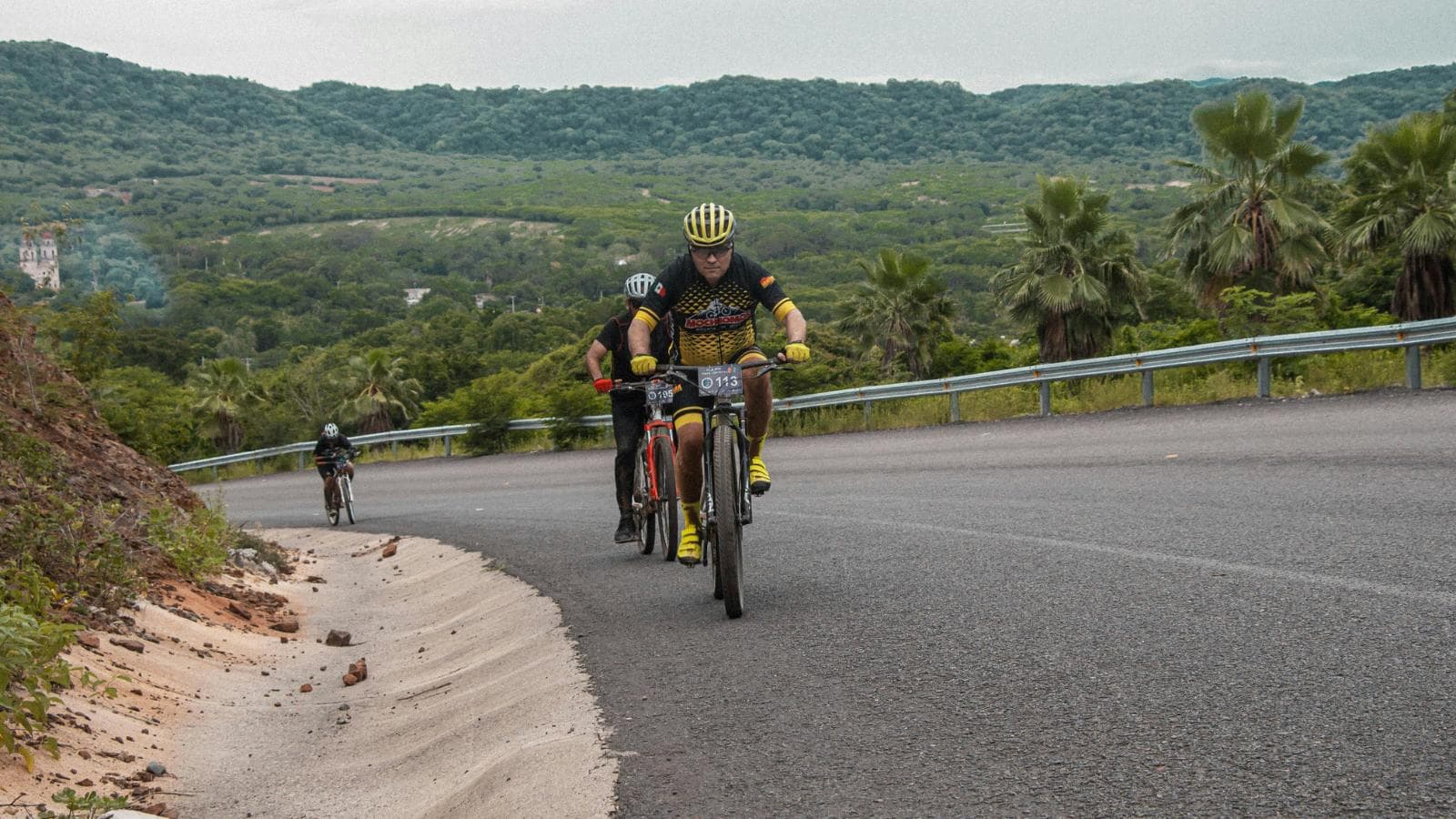
What Climbing Actually Requires?
Climbing is about overcoming gravity. As the gradient increases, resistance rises sharply, and maintaining speed becomes harder. Unlike flat riding, climbing demands sustained power output and efficient energy use. Your body must work harder while maintaining control over breathing, cadence, and positioning.
Success comes from managing effort rather than pushing harder.
Why Climbing Feels So Difficult?
- Climbing feels harder because speed drops while effort increases.
- There is no opportunity to coast or recover, and every pedal stroke requires force.
- Body weight, bike setup, and fitness all influence how difficult climbing feels.
- However, technique and pacing play a major role in making climbs more manageable.
Pacing Your Effort on Climbs
- Pacing is the most important factor in climbing.
- Starting too hard leads to rapid fatigue and makes the climb much harder later.
- A steady, controlled effort allows you to maintain momentum and avoid burnout.
- Effort should feel sustainable rather than aggressive.
Understanding how to manage effort becomes easier when aligned with how to increase average cycling speed, where consistency is key to maintaining performance.
Choosing the Right Gear
- Using the correct gear makes climbing more efficient.
- Lower gears allow you to maintain cadence without excessive strain on your legs.
- Shifting early prevents sudden spikes in effort when the gradient increases.
- Staying in control of your gearing helps maintain rhythm and reduces fatigue.
Cadence and Rhythm
- Cadence is critical when climbing.
- A steady cadence reduces muscular fatigue and helps maintain efficiency.
- Grinding at a low cadence increases strain and leads to early fatigue.
- Finding a comfortable rhythm allows you to sustain effort over longer climbs.
Applying techniques from cycling cadence explained helps maintain efficiency and reduce energy loss on climbs.
Seated vs Standing Climbing
- Most climbing should be done seated.
- This conserves energy and maintains a steady rhythm.
- Standing can be used briefly to change muscle engagement or handle steeper sections.
- However, standing increases energy expenditure and should be used strategically.
- Balancing both positions improves overall climbing efficiency.
Body Position on the Bike
- Maintaining proper body position improves power transfer and control.
- Keep your upper body relaxed and stable while allowing your legs to do the work.
- Avoid excessive movement, which wastes energy.
- A stable position helps maintain traction and efficiency, especially on steeper gradients.
Breathing and Effort Control
- Controlled breathing helps manage effort during climbs.
- Deep, steady breaths support oxygen delivery and reduce fatigue.
- Irregular breathing increases stress and makes the climb feel harder.
- Focusing on rhythm in both pedalling and breathing improves performance.
Building Strength and Endurance
- Climbing ability improves with strength and endurance training.
- Regular rides that include hills help build specific fitness.
- Longer climbs develop endurance, while shorter efforts improve power.
- Consistency is more important than intensity when starting out.
Endurance gains from steady riding align with how to build endurance for longer cycling rides, where sustained effort improves overall performance.
Managing Mental Effort
Climbing is as much mental as physical. Long climbs can feel overwhelming, especially for beginners. Breaking the climb into smaller sections helps maintain focus.
Staying calm and controlled improves both confidence and performance.
Common Mistakes
- Starting too fast leads to early fatigue and loss of momentum.
- Using gears that are too hard increases strain and reduces efficiency.
- Standing too often wastes energy.
- Ignoring cadence leads to poor rhythm and fatigue.
- Overthinking the climb reduces focus and consistency.
Practical Checklist
- Start climbs at a controlled pace
- Use lower gears to maintain cadence
- Stay seated for most of the climb
- Keep upper body relaxed and stable
- Focus on steady breathing and rhythm
- Build endurance gradually
What You Should Do?
- Start with shorter climbs and focus on maintaining a steady effort.
- Practice gear changes and cadence control to find your rhythm.
- Build confidence through repetition rather than intensity.
- Track how your body responds and adjust pacing accordingly.
- Climbing improves over time with consistent, controlled training.
- The goal is not to climb faster immediately, but to climb more efficiently with less fatigue.
FAQs
Because resistance increases significantly due to gravity, requiring more power. It also removes opportunities for recovery, making effort continuous.
Use lower gears to maintain a steady cadence and reduce strain.
Mostly stay seated to conserve energy and maintain rhythm. Standing is useful for short bursts or steeper sections.
A steady cadence that feels sustainable and controlled.
Pace yourself and avoid starting too hard. Focus on steady effort and controlled breathing
Yes, lower weight relative to power improves climbing efficiency.
Practice regularly on hills and focus on consistency. Build endurance gradually rather than pushing intensity.
It requires both strength and endurance working together.
Improvement comes with consistent training over time. Progress depends on fitness, technique, and experience.