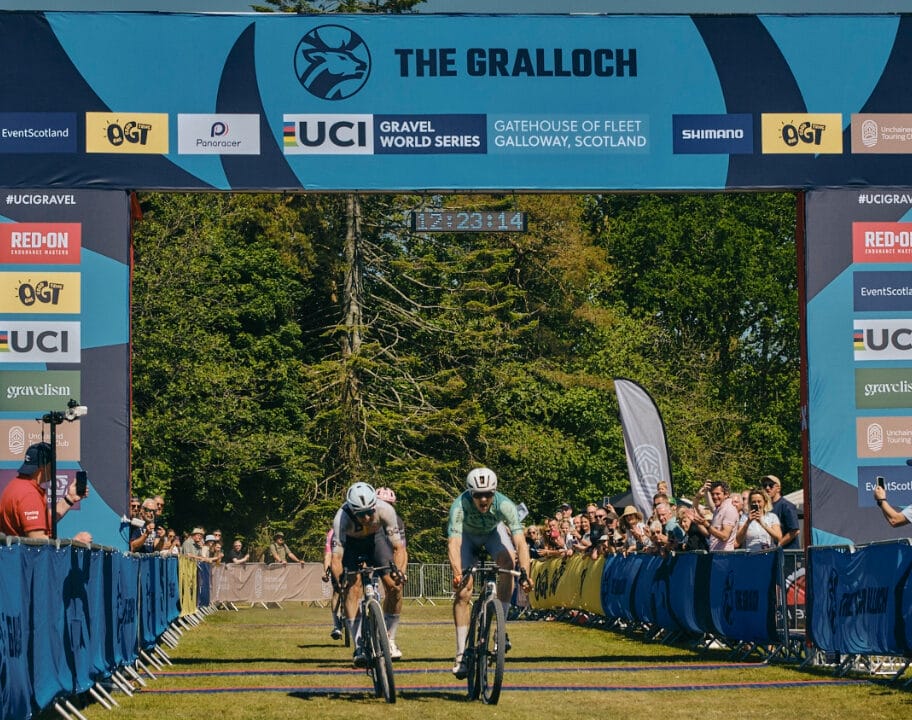



Identifying your weaknesses in gravel races starts with understanding which parts of the course consistently challenge you. Some cyclists struggle with loose surfaces and technical descents, while others lose time on climbs, experience fatigue over long distances, or make pacing mistakes. Gravel racing combines endurance, bike handling, strength, and decision making. Unlike smooth road racing, changing surfaces and unpredictable terrain can expose weaknesses that are less noticeable during regular training rides. A cyclist with strong aerobic fitness may struggle to maintain speed through loose corners. Another rider might handle technical sections confidently but lose significant time because of poor fueling or excessive effort early in the race. The most effective approach is to review your performance, identify recurring problems, and address them through targeted training. Improving one or two weaknesses at a time can make gravel racing more manageable without unnecessarily increasing your training workload.
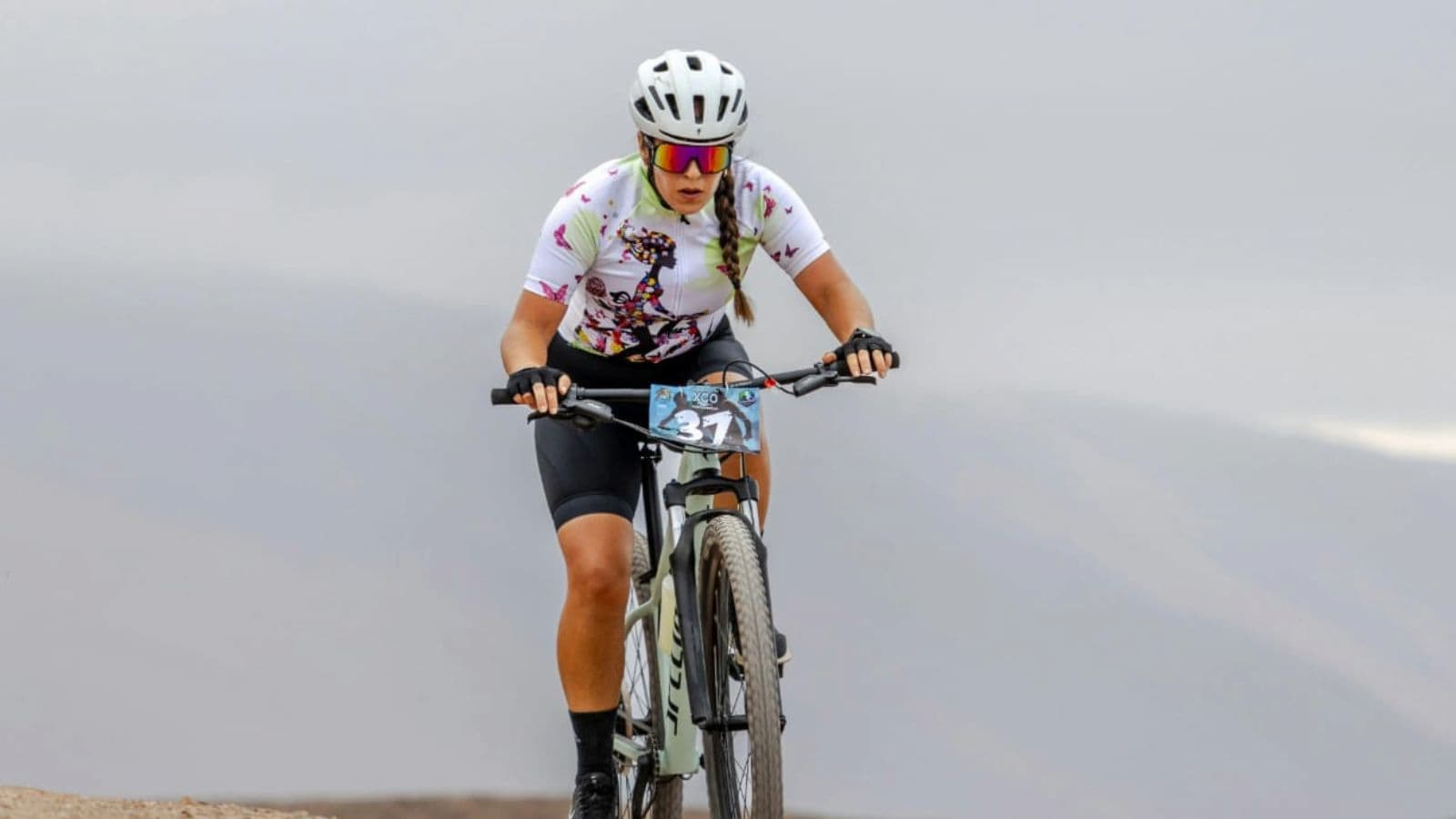
In Short
- Review where you lose time during gravel races.
- Identify weaknesses in endurance and pacing.
- Assess confidence on loose and technical surfaces.
- Practice climbing and descending.
- Improve fueling and hydration habits.
- Check whether equipment affects performance.
- Use targeted workouts to address limitations.
- Monitor progress through regular practice.
Understanding Common Gravel Racing Weaknesses
Gravel racing challenges several abilities simultaneously.
Common weaknesses include:
- Limited endurance: Struggling to maintain effort over long distances.
- Poor bike handling: Losing control or confidence on loose surfaces.
- Weak climbing: Difficulty maintaining momentum uphill.
- Poor descending: Braking excessively or choosing unstable lines.
- Pacing mistakes: Starting too aggressively.
- Fueling problems: Running low on energy during longer events.
- Equipment issues: Unsuitable tires, pressure, or bike setup.
Understanding how to train smarter and ride stronger can help cyclists develop a more balanced approach to improving performance. Not every weakness requires additional intensity. Some improve through better technique, preparation, and experience.
Review Your Gravel Race Performance
The first step is identifying where performance consistently declines. Review recent races and training rides rather than relying on one difficult experience.
Consider:
- Where did you lose the most time?
- Did you struggle on climbs or descents?
- Were loose corners uncomfortable?
- Did your energy decline late in the race?
- Were you confident riding near other cyclists?
- Did mechanical problems affect your result?
Understanding why cyclists shouldn’t rely on training data can help riders balance performance metrics with practical observations. Record a few notes after each gravel race to identify recurring patterns.
Improve Bike Handling on Loose Surfaces
Technical handling is one of the most important skills in gravel racing. Loose stones, sand, mud, and uneven surfaces require balance and controlled steering.
Useful skills include:
- Looking ahead rather than directly at the front wheel.
- Maintaining relaxed arms.
- Keeping a stable body position.
- Avoiding sudden braking.
- Choosing smoother lines.
- Allowing the bike to move naturally beneath you.
Understanding what cycling drills help improve bike technique can help riders develop better control. Practice on manageable gravel sections before progressing to more difficult terrain.
Develop Confidence on Descents
Descending weaknesses often become noticeable when riders brake excessively or hesitate on unfamiliar surfaces. Confidence develops through controlled practice rather than taking unnecessary risks.
Focus on:
- Looking toward your intended line.
- Braking before difficult corners.
- Maintaining balanced body positioning.
- Keeping movements smooth.
- Reducing speed when visibility is limited.
Understanding how to overcome fear on fast cycling descents can help cyclists approach challenging terrain more confidently. Choose safe training routes and gradually increase technical difficulty.
Build Endurance for Long Gravel Races
Gravel races can demand sustained effort for several hours, particularly on rough or hilly courses. Limited endurance may cause significant slowing during the final sections.
Useful training methods include:
- Consistent aerobic rides.
- Gradually increasing ride duration.
- Practicing on mixed terrain.
- Building muscular endurance.
- Allowing adequate recovery.
Understanding how to build endurance for long cycling races can help riders prepare for demanding events. Avoid increasing training volume too quickly, especially when riding on rough surfaces.
Improve Climbing Strength and Pacing
Gravel climbs often require careful traction management alongside sustained power. Steep gradients and loose surfaces can make maintaining momentum difficult.
Practice:
- Staying seated when traction is limited.
- Selecting appropriate gears early.
- Maintaining smooth pedal pressure.
- Avoiding sudden accelerations.
- Controlling breathing and effort.
Understanding when should you climb seated vs standing on a bike can help riders select an effective climbing technique. Short hill repetitions can develop strength, while longer climbs help improve sustained effort.
Recognize Poor Race Pacing
Starting too quickly is a common gravel racing mistake. Early excitement can encourage cyclists to follow faster riders or attack climbs unnecessarily.
Possible signs include:
- High effort during the opening kilometers.
- Difficulty maintaining power later.
- Repeated slowing on climbs.
- Excessive fatigue before the finish.
Understanding how to pace a long cycling ride properly can help riders distribute effort more effectively. Start conservatively and adjust your pace according to terrain, race duration, and conditions.
Improve Fueling and Hydration
Poor nutrition can make an otherwise manageable gravel race feel significantly harder. Long events require athletes to replace some of the energy and fluids used during exercise.
Common mistakes include:
- Eating too late.
- Carrying insufficient fuel.
- Forgetting to drink.
- Using unfamiliar products.
- Struggling to eat on technical sections.
Understanding how to avoid bonking in cycling can help riders recognize the importance of consistent carbohydrate intake. Practice eating and drinking during training, particularly on routes where rough terrain makes accessing supplies difficult.
Check Equipment and Bike Setup
Sometimes a performance weakness comes from unsuitable equipment rather than limited fitness.
Important areas to assess include:
- Tire width and tread.
- Tire pressure.
- Brake performance.
- Gear range.
- Saddle comfort.
- Handlebar position.
- Hydration storage.
Tire pressure should reflect rider weight, tire specifications, terrain, and manufacturer limits. Understanding common gear mistakes that every cyclist should avoid can help riders identify preventable equipment problems. Test adjustments during training rather than immediately before an important race.
Build a Training Plan Around Your Weaknesses
Once you identify your main limitations, select workouts that address them directly.
| Weakness | Training priority |
|---|---|
| Poor endurance | Longer aerobic rides |
| Loose surface handling | Controlled technical practice |
| Weak climbing | Hill repetitions |
| Nervous descending | Progressive descending drills |
| Poor pacing | Steady effort training |
| Fueling difficulties | Nutrition practice during rides |
| Equipment problems | Bike checks and setup adjustments |
Focus on one or two priorities for several weeks. Keep enough easy riding in your schedule to support recovery and consistent progress.
Common Mistakes
- Judging performance from one race.
- Ignoring technical weaknesses.
- Starting races too aggressively.
- Training only on smooth roads.
- Neglecting nutrition practice.
- Making untested equipment changes.
- Increasing intensity too quickly.
Practical Tips
- Review every gravel race.
- Practice on varied surfaces.
- Build endurance gradually.
- Improve one technical skill at a time.
- Test tire pressure during training.
- Practice race fueling.
- Maintain consistent recovery.
- Track improvements over time.
Actionable Takeaways
- Identify your biggest gravel racing weakness.
- Use targeted training to address it.
- Practice technical skills regularly.
- Improve pacing and fueling.
- Reassess progress after each race.
FAQs
Review race performance and training experiences to identify where you consistently lose time, confidence, or energy.
Common weaknesses include endurance, bike handling, climbing, descending, pacing, fueling, and equipment preparation.
Yes. Road cycling can improve aerobic fitness and sustained power, but gravel specific handling practice remains important.
Start on easy gravel routes and practice balance, braking, cornering, and line selection before attempting difficult terrain.
Yes. Appropriate strength training can improve muscular capacity and support performance on demanding courses.
Practice gradually on familiar surfaces, maintain relaxed body positioning, and avoid sudden steering or braking movements.
Combine aerobic training, controlled hill repetitions, suitable gearing, and traction management.
Yes. Insufficient carbohydrate intake can contribute to fatigue and reduced performance during longer events.