Hard cycling workouts are where major fitness gains often happen. Whether it is threshold intervals, VO2 max efforts, long climbs, or high-intensity indoor sessions, demanding workouts push the body beyond its comfort zone and stimulate adaptation. However, the quality of these sessions depends heavily on preparation.
Many cyclists focus only on the workout itself while ignoring the factors that determine whether the session becomes productive or simply exhausting. Proper preparation improves performance, supports recovery, and helps reduce the risk of excessive fatigue or poor-quality training.
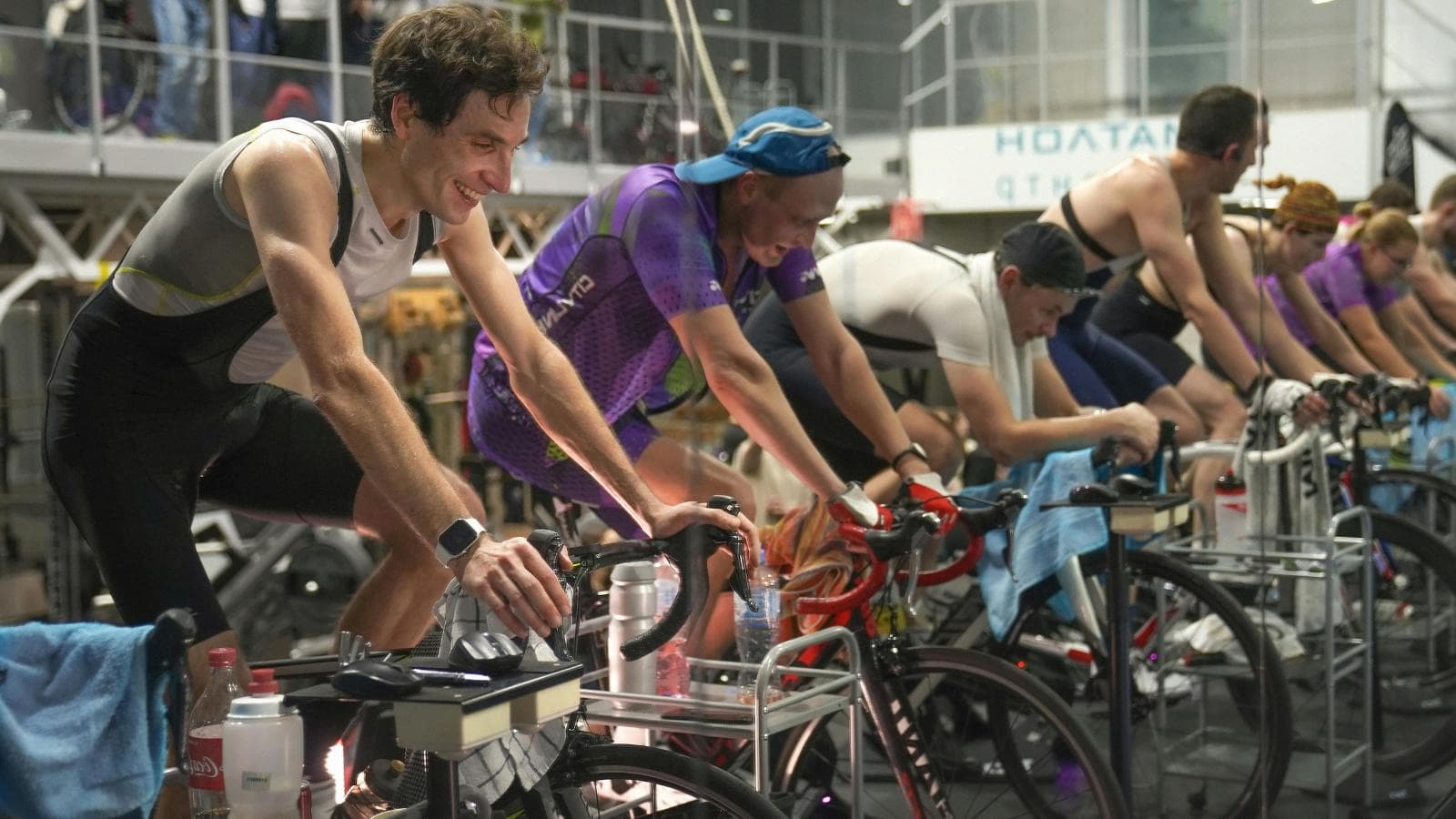
The goal before a hard cycling workout is simple: arrive physically fueled, mentally prepared, and recovered enough to execute the session effectively.
Why Preparation Matters Before Hard Cycling Sessions?
High-intensity rides place major demands on the cardiovascular system, muscles, nervous system, and energy stores. Poor preparation often leads to:
- Low power output
- Early fatigue
- Poor pacing
- Reduced workout quality
- Longer recovery times
Cyclists who consistently prepare well usually complete harder sessions more effectively and recover better afterward. This relationship between preparation and adaptation is also important in training gut for long cycling races, where recovery and structure affect long-term improvement.
Sleep Is One of the Biggest Performance Factors
One poor night of sleep may not ruin a workout completely, but repeated poor sleep significantly affects high-intensity performance and recovery.
Before a demanding session, good sleep helps:
- Improve reaction time
- Support energy levels
- Enhance muscle recovery
- Improve mental focus
Hard workouts become much more difficult when fatigue is already elevated. This is especially important during demanding training blocks, similar to recovery principles discussed in how much sleep do cyclists need for recovery, where adaptation depends heavily on recovery quality.
Fuel Properly Before the Workout
One of the most common mistakes cyclists make before hard rides is starting under-fueled. High-intensity cycling relies heavily on carbohydrate availability, and low glycogen levels usually reduce workout quality quickly.
A good pre-workout meal should generally include:
- Carbohydrates
- Moderate protein
- Easy digestion
- Examples include:
- Oats with fruit
- Rice and eggs
- Toast with banana and peanut butter
The exact amount depends on session length and intensity, but arriving fueled is critical for performance.
Timing Your Pre-Workout Meal Matters
- Most cyclists perform best when eating:
2–3 hours before a harder session - Smaller snacks may also help closer to the workout if needed.
Eating too heavily immediately beforehand may cause discomfort, while waiting too long can leave energy levels low. Practicing nutrition timing consistently helps identify what works best for your body. This becomes especially important during harder endurance work, similar to strategies discussed in what to eat after a hard cycling workout, where fueling tolerance improves through practice.
Hydration Starts Before the Ride
Hydration is often underestimated before harder cycling sessions, especially indoor workouts where sweat loss increases significantly.
Even mild dehydration can affect:
- Heart rate
- Power output
- Perceived effort
- Recovery
Drink fluids consistently throughout the day leading into the workout rather than trying to rapidly hydrate immediately beforehand.
Warm Up Properly Before Intensity
A good warm-up prepares the muscles, cardiovascular system, and nervous system for harder efforts.
Skipping warm-up often causes:
- Heavy legs early in the workout
- Poor interval quality
- Increased injury risk
- Difficulty reaching target power
- A solid cycling warm-up may include:
- Easy spinning
- Gradual cadence increases
- Short controlled efforts
- Progressive intensity build-up
This becomes especially important before VO2 max or threshold intervals where early pacing strongly affects the session.
Do Not Start the Workout Too Hard
One of the biggest interval mistakes cyclists make is attacking the first effort aggressively because they feel fresh initially.
Starting slightly controlled usually produces:
- Better pacing consistency
- Higher overall quality
- Less premature fatigue
Strong cyclists pace intervals strategically rather than emotionally. This pacing control also matters during longer rides, similar to concepts discussed in how to pace a 100km or 100-mile bike ride, where smooth effort management improves endurance performance.
Mental Preparation Matters Too
Hard workouts are not only physically demanding, they are mentally demanding as well.
Before difficult sessions, it helps to:
- Review the workout structure
- Understand pacing targets
- Accept discomfort mentally
- Focus on execution rather than fear of difficulty
Breaking sessions into manageable segments often improves confidence and focus.
Indoor Workouts Usually Feel Harder
Indoor cycling sessions can feel more demanding because:
- There is less coasting
- Cooling is reduced
- Effort stays more constant
Proper fan setup, hydration, and cooling become especially important indoors. Many cyclists underestimate how much sweat loss affects performance during trainer sessions. This becomes particularly relevant during intense interval work, similar to challenges discussed in tips to help improve indoor cycling motivation, where preparation and comfort improve consistency.
Recovery Before the Workout Affects Performance
A hard workout is only productive if the body is sufficiently recovered to absorb the stress.
Trying to force intensity while deeply fatigued often leads to:
- Poor power output
- Bad technique
- Longer recovery needs
- Reduced adaptation
Sometimes the best preparation for a hard ride is adjusting previous training so fatigue remains manageable.
Caffeine Can Help, But Use It Carefully
Moderate caffeine intake may improve endurance performance and focus for some cyclists.
- However:
- Too much caffeine can increase anxiety, stomach discomfort, or pacing errors.
- If using caffeine:
- Practice during training first
- Avoid excessive doses
- Time intake appropriately before the session
Use the Right Equipment Setup
Small preparation details matter before difficult workouts.
Examples include:
- Proper tire pressure
- Charged bike computer
- Fan setup indoors
- Nutrition ready beforehand
- Comfortable clothing
Removing unnecessary distractions helps you focus fully on the workout itself.
Hard Sessions Need Recovery Planned Too
Preparation should include thinking about recovery after the ride as well.
Plan ahead for:
- Recovery nutrition
- Hydration
- Easy spinning afterward
- Sleep later that night
Hard sessions create the most benefit when recovery supports adaptation properly. This becomes especially important when avoiding fatigue accumulation, similar to concepts discussed in strength training that helps improve the performance, where recovery quality strongly affects long-term progress.
Avoid Common Hard Workout Mistakes
- Starting under-fueled
- Skipping warm-up
- Pacing too aggressively early
- Ignoring hydration
- Doing hard workouts while overly fatigued
- Using poor indoor cooling setup
Avoiding these mistakes improves both workout quality and consistency.
Practical Tips Before a Hard Cycling Workout
- Prioritise sleep before key sessions
- Eat carbohydrates beforehand
- Warm up progressively
- Hydrate consistently during the day
- Pace intervals intelligently
- Prepare recovery nutrition ahead of time
- Use proper cooling indoors
What You Should Do?
Start treating hard cycling workouts like important performance sessions rather than random hard rides. Prepare properly through sleep, fueling, hydration, pacing, and recovery planning so the body can actually benefit from the training stress. Focus on consistency and quality rather than simply surviving difficult sessions. Supporting your hard workouts with efficient recovery and smart pacing, like strategies discussed in increasing average cycling speed, helps create stronger long-term adaptation and performance improvement.
The best hard workouts are not necessarily the ones that leave you completely destroyed. They are the sessions you prepare for well, execute properly, and recover from effectively enough to keep progressing week after week.
FAQs
Most cyclists perform well eating 2–3 hours before harder sessions.
Yes, sleep strongly affects recovery, focus, and high-intensity performance.
Yes, proper warm-ups improve pacing, muscle readiness, and workout quality.
Even mild dehydration may reduce power output and increase fatigue.
Indoor riding usually involves less coasting and higher heat buildup.
Moderate caffeine may help performance, but it should be tested carefully in training first.
Starting under-fueled or carrying too much accumulated fatigue into the workout.
Starting slightly controlled usually improves consistency and overall workout quality.