Fueling is one of the biggest performance limiters in cycling, especially during longer rides and races. Many cyclists struggle not because they lack fitness, but because their gut cannot handle enough carbohydrates to sustain effort. This is where gut training comes in. Training your gut allows you to absorb more carbs efficiently, maintain energy levels, and avoid common issues like bloating or stomach discomfort.

What Gut Training Means in Cycling?
Gut training refers to the process of adapting your digestive system to tolerate higher carbohydrate intake during exercise. Just like muscles adapt to training stress, your gut can adapt to digest and absorb more fuel over time. During cycling, blood flow is directed away from the digestive system and toward working muscles. This makes digestion more challenging. Without training, high carb intake can overwhelm your system and cause discomfort as explained in cycling nutrition guide.
Why Carbohydrate Intake Matters?
Carbohydrates are the primary fuel source for moderate to high-intensity cycling. As ride duration increases, your glycogen stores begin to deplete. Without replenishment, fatigue sets in quickly.
Most endurance guidelines recommend:
- 30 to 60g carbs per hour for moderate rides
- 60 to 90g per hour for longer or harder efforts
Some trained athletes can tolerate even higher amounts.
Increasing your carb intake safely improves performance, similar to strategies in fueling for a 2-hour cycling ride, where consistent intake supports sustained energy.
Why Many Cyclists Struggle With High Carb Intake?
The most common problem is that the gut is not used to processing large amounts of carbohydrates during exercise. This leads to:
- Bloating
- Nausea
- Cramping
- Reduced performance
These issues are not always about the type of food, they are often about lack of adaptation.
How Gut Training Works?
Gut training improves:
- Gastric emptying (how quickly food leaves the stomach)
- Intestinal absorption (how efficiently carbs enter the bloodstream)
- Tolerance to higher intake levels
Over time, your body becomes more efficient at processing fuel, reducing discomfort and improving energy delivery.
Start With a Gradual Increase in Carbs
The most effective way to train your gut is to increase carbohydrate intake gradually.
- Start with what you can comfortably tolerate, such as 30g per hour.
- Then slowly increase by 5 to 10g per hour over several sessions.
This progression allows your digestive system to adapt without being overwhelmed.
Practice Fueling During Training Rides
Gut training must be done during actual cycling sessions, not just planned theoretically.
Use your longer rides to practice:
- Timing your intake
- Testing different carb sources
- Monitoring how your body responds
This structured approach is similar to building endurance in build endurance for longer cycling rides, where consistency leads to adaptation.
Use the Right Types of Carbohydrates
Not all carbs are equal during exercise.
Simple, easily digestible carbohydrates are best, including:
- Glucose
- Fructose combinations
- Sports drinks
- Gels
Using multiple carbohydrate sources improves absorption rates and reduces gut stress.
Eat Small, Frequent Amounts
Large amounts of carbs at once can overwhelm your digestive system. Instead, aim to consume smaller amounts every 15 to 20 minutes. This steady intake improves absorption and reduces the risk of discomfort.
Train Under Real Conditions
Your gut needs to adapt to the same conditions you will face during races or long rides.
This includes:
- Intensity
- Heat
- Duration
Practicing in realistic conditions ensures your fueling strategy works when it matters most.
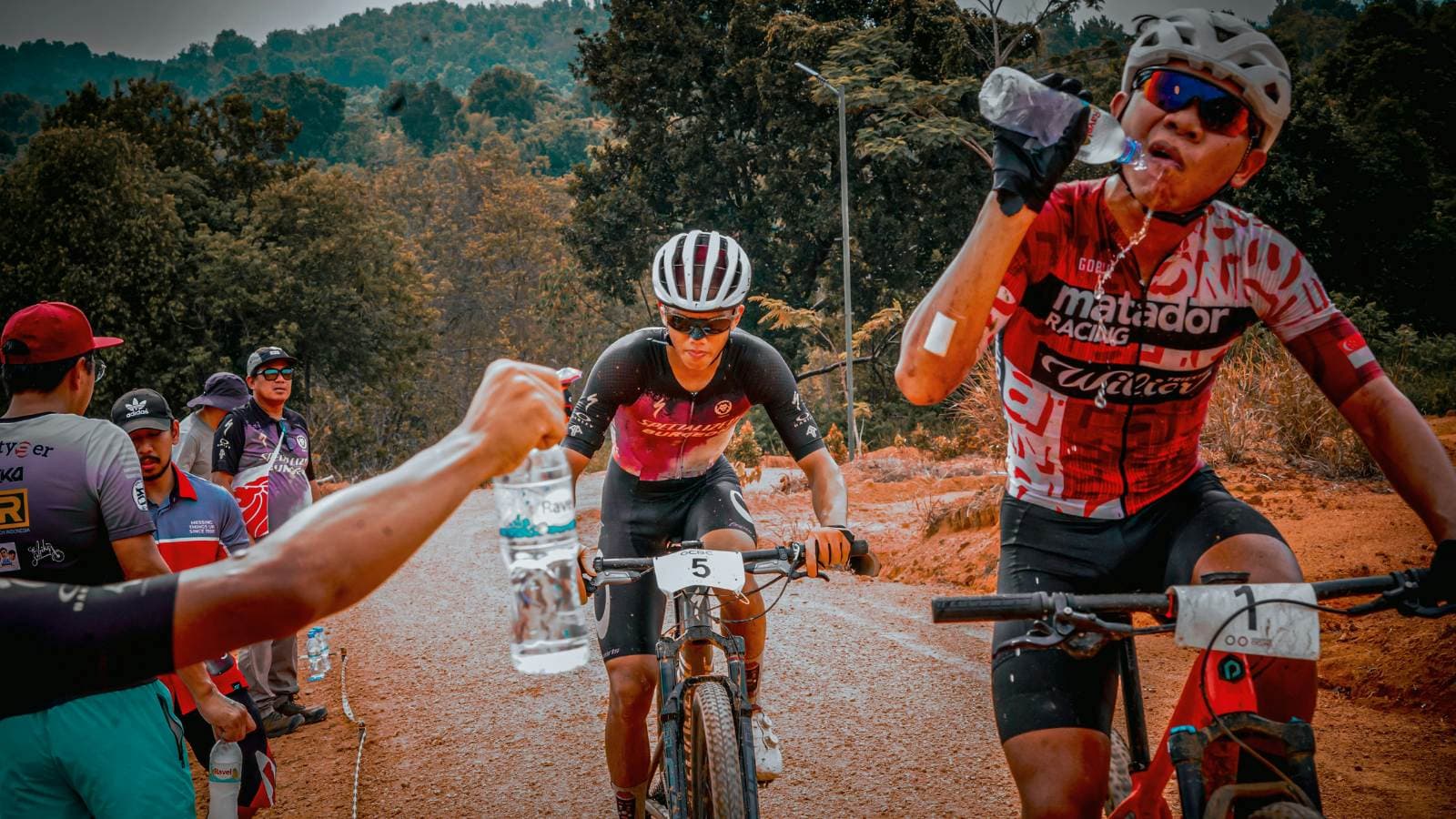
Stay Hydrated While Fueling
Hydration plays a key role in digestion. Without enough fluid, carbohydrate absorption becomes less effective. Combining carbs with proper hydration improves tolerance and performance, similar to how energy balance is managed in what to eat during long cycling rides, where consistency is essential.
Avoid Common Gut Training Mistakes
Cyclists often make mistakes that limit progress.
Common issues include:
- Increasing carbs too quickly
- Trying new foods during important rides
- Ignoring hydration
- Using overly concentrated drinks
Avoiding these mistakes helps your gut adapt more effectively.
Adapt Your Strategy to Intensity
Higher intensity reduces digestion efficiency. This means you may need to adjust your intake based on effort level. Practice fueling at different intensities to understand how your body responds.
Be Consistent With Gut Training
- Gut adaptation does not happen overnight.
- It requires repeated exposure to higher carbohydrate intake over time.
Consistency is key, sporadic efforts will not produce the same results.
Benefits of Training Your Gut
Cyclists who successfully train their gut experience:
- Higher energy availability
- Reduced risk of GI issues
- Improved endurance performance
- Better recovery between sessions
This directly supports performance in demanding conditions, similar to maintaining control in avoiding bonking, where sustained effort is required.
Practical Tips for Gut Training
- Increase carb intake gradually
- Practice during long rides
- Use easily digestible carb sources
- Eat small amounts frequently
- Stay hydrated
- Test strategies under race conditions
What You Should Do?
Start by assessing your current carbohydrate intake during rides. Gradually increase it over time while paying attention to how your body responds. Use training sessions to experiment and refine your approach. Supporting your fueling strategy with structured habits, like those in staying fit during the cycling off-season, helps build consistency and long-term improvement.
With patience and consistency, your gut will adapt, allowing you to fuel more effectively and perform at a higher level.
FAQs
It is the process of adapting your digestive system. This allows you to handle more carbs during rides.
It usually takes a few weeks. Consistent practice improves tolerance over time.
Start with 30 to 60g per hour. Increase gradually based on tolerance.
Your gut may not be trained. High intake without adaptation causes discomfort.
Yes, but they should start slowly. Gradual progression is important.
Yes, proper hydration improves digestion. It helps carbs enter the bloodstream.
Yes, training rides are the best time to practice. This prepares you for race conditions.
Increasing carbs too quickly. This overwhelms the digestive system.