Few cycling experiences are as frightening as a speed wobble. Also known as a high-speed shimmy, a speed wobble occurs when the front end of the bike begins oscillating rapidly from side to side. In severe cases, the vibration can become so intense that maintaining control becomes extremely difficult.
Speed wobbles most commonly occur:
- During fast descents
- In strong crosswinds
- On rough road surfaces
- After sudden movements
- At high speeds
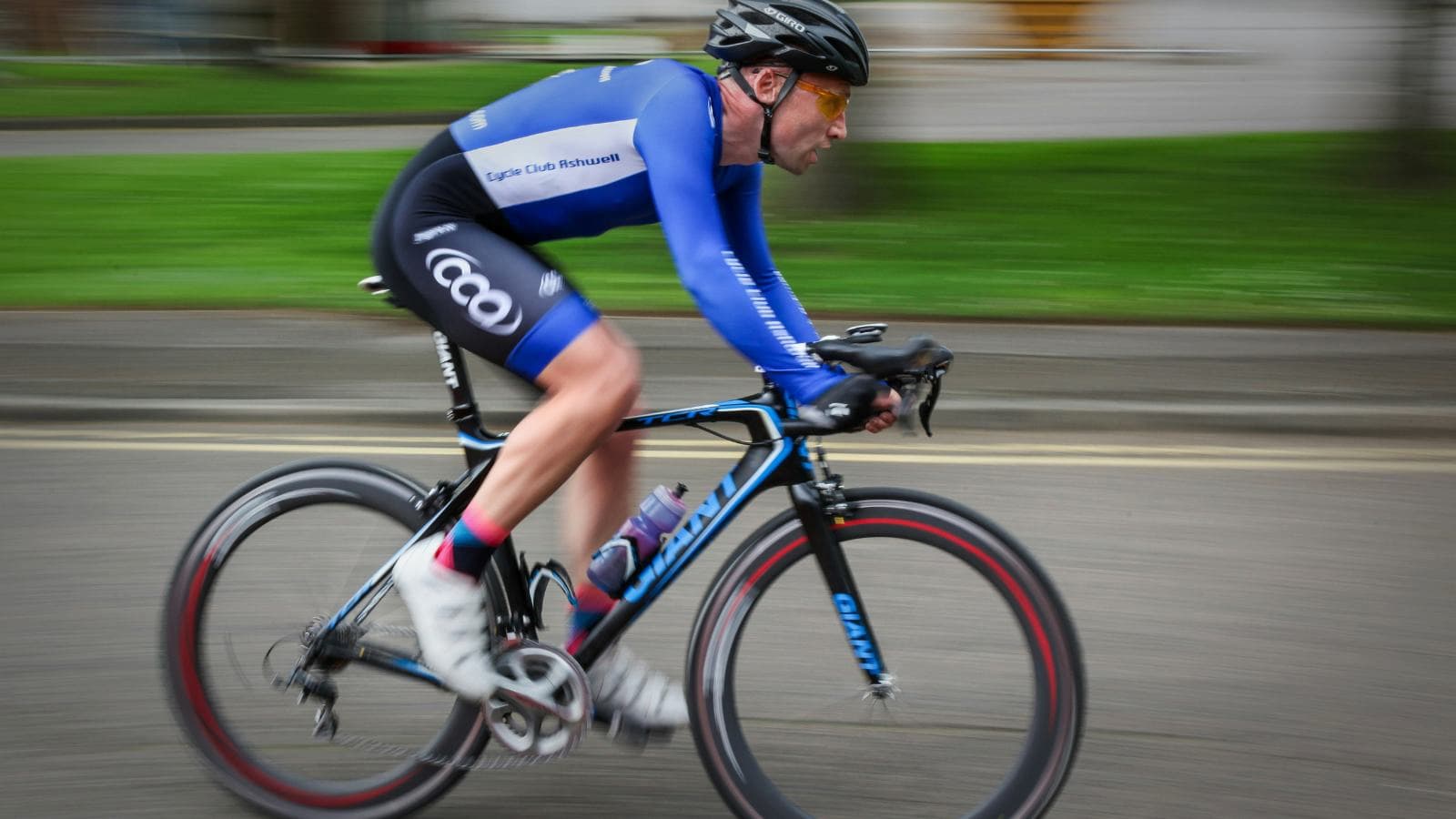
For racers, a speed wobble can be the difference between a confident descent and a race-ending crash. The good news is that speed wobbles are often preventable. Understanding what causes them and how to respond when they occur can help cyclists descend more safely and confidently. The goal is not eliminating every vibration from the bike. The goal is reducing the conditions that trigger instability and knowing how to react if a wobble develops.
What Is a Speed Wobble?
A speed wobble is a rapid oscillation of the bicycle’s frame and steering system.
It typically involves:
- The front wheel
- Fork
- Handlebars
- Frame
moving side to side repeatedly. Once the oscillation starts, rider input can either:
- Calm the wobble
- Make it significantly worse
Understanding this distinction is critical. Panic reactions are often what turn a manageable wobble into a dangerous situation.
Stay Relaxed When a Wobble Starts
One of the worst reactions to a speed wobble is tensing up.
When cyclists panic, they often:
- Grip the handlebars harder
- Lock their elbows
- Fight the movement aggressively
This can increase instability.
Instead:
- Stay as relaxed as possible
- Keep elbows slightly bent
- Allow the bike to settle
Riders who improve through how to mount and dismount bike safely often discover that relaxation is one of the most effective tools for maintaining control at speed. A relaxed rider usually stabilises the bike better than a rigid one.
Avoid Sudden Steering Inputs
Sharp steering corrections can amplify a wobble.
If the bike begins shaking:
- Avoid jerking the bars
- Avoid rapid corrections
- Maintain a smooth line
Many speed wobbles worsen because riders unintentionally add energy into the oscillation through aggressive steering movements. Small, controlled inputs are usually more effective.
Shift Weight Carefully
Body position can influence bike stability significantly.
When descending:
- Keep weight balanced
- Stay centred over the bike
- Avoid excessive upper-body movement
Sudden shifts in body position can sometimes contribute to instability. Athletes who regularly follow how to increase cycling volume without injury often develop better bike control because they become more comfortable managing weight distribution under pressure.
Squeeze the Top Tube With Your Knees
One commonly recommended technique is lightly squeezing the bike’s top tube with your knees.
This can:
- Add stability
- Dampen oscillations
- Reduce frame movement
The pressure should be firm but controlled. Many cyclists find this helps calm a developing wobble quickly. It is a useful skill worth practising before race day.
Check Your Bike Fit
Poor bike fit can contribute to instability.
Issues may include:
- Excessively long reach
- Improper saddle position
- Poor weight distribution
A balanced position generally improves:
- Handling
- Confidence
- Descending control
Cyclists who regularly perform what you should check on your bike before every ride often identify setup issues before they become significant problems. Equipment setup matters.
Inspect Wheel Alignment
Wheel problems are a common mechanical contributor to speed wobbles.
Potential issues include:
- Poor wheel alignment
- Loose skewers
- Damaged rims
- Uneven spoke tension
A properly maintained wheel tracks more predictably at high speed. Before important races, cyclists should ensure wheels are in good condition.
Ensure Headset Bearings Are Properly Adjusted
A loose headset can significantly affect handling.
Symptoms may include:
- Steering play
- Front-end instability
- Unpredictable bike behaviour
Regular maintenance helps ensure:
- Smooth steering
- Reliable handling
- Better descending confidence
Athletes preparing through how to 100km or 100 mile on bike race often focus heavily on fitness, but mechanical reliability is equally important when riding fast.
Pay Attention to Tyre Pressure
Tyre pressure affects stability.
Pressure that is:
- Too high
- Too low
may reduce control depending on conditions. Appropriate tyre pressure improves:
- Grip
- Comfort
- Predictability
Modern cyclists often benefit from slightly lower pressures than were traditionally recommended. Surface conditions should always influence tyre-pressure choices.
Descend Within Your Skill Level
Many speed wobbles occur because riders exceed their comfort zone.
Examples include:
- Descending too aggressively
- Taking unnecessary risks
- Chasing stronger riders
Confidence should be built gradually. Athletes improving through pacing long cycling rides properly often learn that technical skill develops through progression rather than forcing speed prematurely. Control should always take priority over bravery.
Improve Core Stability
Bike control begins with stability.
A strong core helps:
- Reduce unwanted movement
- Maintain posture
- Improve bike handling
Core weakness may contribute to:
- Excess upper-body motion
- Poor weight distribution
Cyclists often underestimate how much handling depends on overall body control.
Be Careful in Crosswinds
Crosswinds can contribute to instability, particularly when using:
- Deep-section wheels
- Aero equipment
Strong gusts may create sudden steering forces.
When conditions are windy:
- Lower your centre of gravity
- Anticipate gusts
- Stay relaxed
Athletes who understand how to cycle safely in the rain often appreciate that environmental conditions can significantly influence bike handling. Weather always deserves respect.
Avoid Death-Gripping the Handlebars
Many riders hold the bars too tightly during descents.
Excess grip pressure can:
- Increase tension
- Reduce responsiveness
- Amplify instability
Think about:
- Light hands
- Relaxed shoulders
- Soft elbows
The bike should be controlled, not strangled.
Keep Your Equipment Well Maintained
Mechanical issues increase the likelihood of instability.
Important areas include:
- Headset
- Wheels
- Tyres
- Fork
- Frame
Athletes who follow how to know if you are overtraining often recognise that efficiency and control begin with a well-functioning bicycle. Small maintenance issues can become major problems at high speed.
Practice Descending Skills
Descending is a skill.
Skills improve through:
- Experience
- Repetition
- Coaching
- Controlled practice
The more comfortable riders become at speed, the less likely they are to panic when unexpected situations occur. Athletes improving through preventing your knees from hurting on long cycling races often combine fitness development with technical skill work to become more complete cyclists. Both matter.
Know When to Replace Components
Worn equipment may contribute to instability.
Examples include:
- Damaged tyres
- Cracked rims
- Worn bearings
- Fatigued components
Replacing questionable equipment before a race is often cheaper than dealing with the consequences of failure. Safety should always take precedence over squeezing a few extra months from old components.
Learn From Every Descent
If a speed wobble occurs:
- Analyse the situation
- Identify contributing factors
- Inspect equipment
- Consider rider inputs
Every experience provides useful information. Athletes improving through warm up exercises before long races often learn that reflection and adjustment are important parts of long-term development. The same principle applies to descending skills.
Common Causes of Speed Wobbles
Speed wobbles often result from a combination of factors such as:
- Excessive rider tension
- Poor bike fit
- Loose headset bearings
- Wheel issues
- High-speed descents
- Crosswinds
- Sudden steering inputs
- Inadequate bike maintenance
Rarely is there a single cause. Understanding the interaction between rider, equipment, and conditions is usually the key.
Practical Ways to Prevent Speed Wobbles
Cyclists can reduce speed wobble risk by:
- Staying relaxed
- Maintaining equipment properly
- Checking wheel condition
- Adjusting tyre pressure appropriately
- Improving descending skills
- Strengthening core stability
- Riding within their limits
- Practising controlled weight distribution
The safest descenders are rarely the riders who simply go the fastest. They are usually the riders who combine technical skill, mechanical preparation, confidence, and calm decision-making when speeds increase.
FAQs
A speed wobble is a rapid side-to-side oscillation of the bike’s steering and frame system.
Common causes include rider tension, wheel issues, loose headsets, crosswinds, and high-speed descents.
No. Excessive tension often worsens the oscillation.
Yes. Poor fit can influence weight distribution and handling.
Yes. Incorrect tyre pressure may affect grip and stability.
Many cyclists find that lightly squeezing the top tube with their knees helps stabilise the bike.
Focus first on calming the bike safely and maintaining control before making further decisions.
Good bike maintenance, relaxed riding, proper setup, and strong descending skills are the most effective prevention strategies.