Modern cycling has never had more data available. Power meters, heart rate monitors, GPS computers and training apps can measure almost every aspect of your ride. These tools have transformed how cyclists train, helping riders monitor fitness, plan workouts and track progress. However, numbers only tell part of the story. If cyclists rely entirely on data while ignoring how they feel, they risk poor decision-making, unnecessary fatigue and reduced enjoyment of the sport. Training data is a valuable guide, but it should never become your only coach.
Data Doesn’t Tell the Whole Story
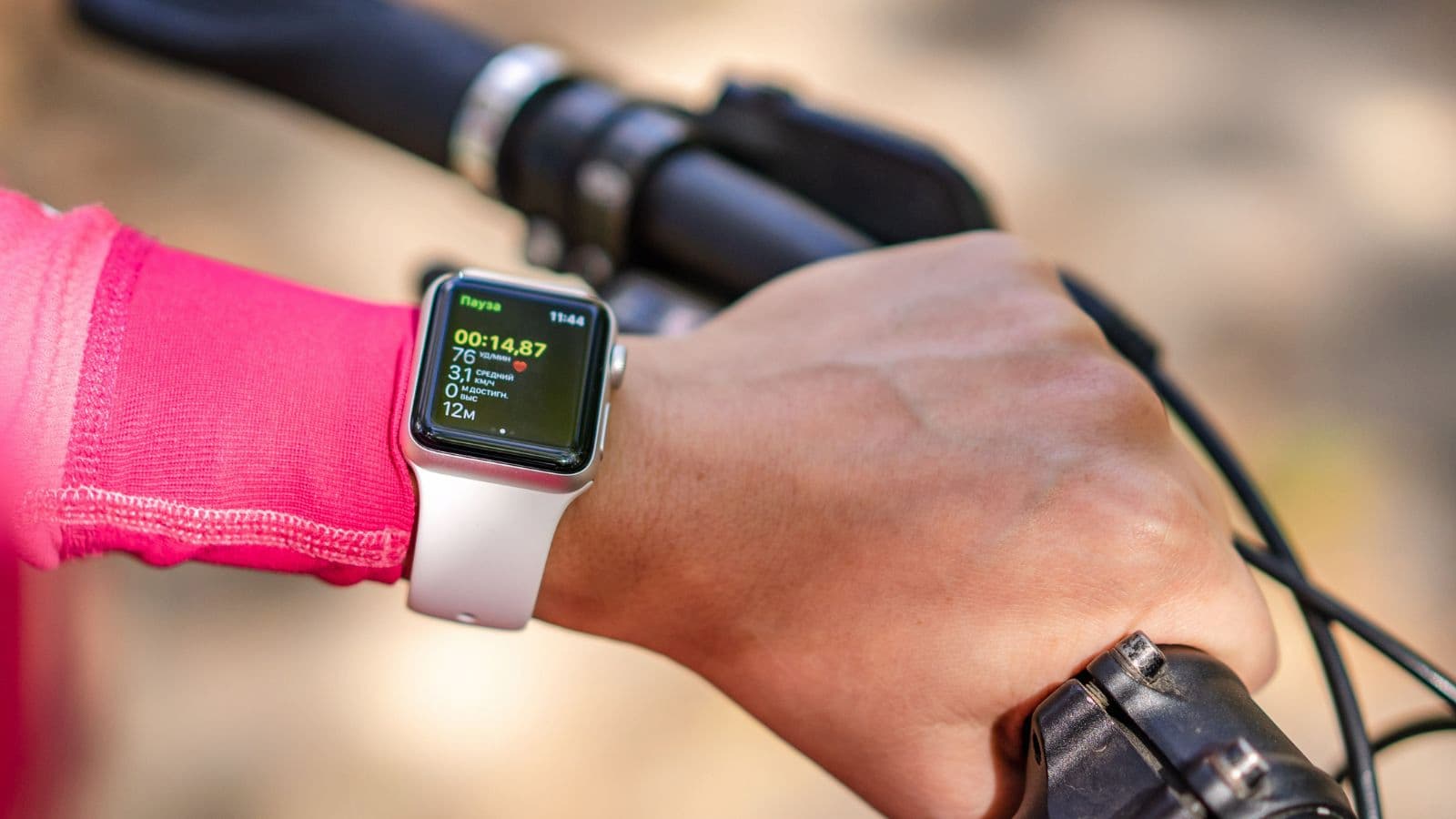
Power, heart rate and speed measure performance, but they cannot fully explain why your body feels a certain way.
Factors that influence performance include:
- Sleep quality.
- Stress.
- Nutrition.
- Hydration.
- Weather.
- Illness.
- Mental fatigue.
These variables often affect performance before they appear in your training data. Many cyclists improve long-term consistency after understanding why is consistency more important than intensity for cycling success, recognising that sustainable habits matter more than chasing perfect numbers.
Your Body Knows More Than Your Bike Computer
Experienced cyclists learn to combine objective data with perceived effort.
Pay attention to:
- Heavy legs.
- Low motivation.
- Elevated breathing.
- Muscle soreness.
- Mental focus.
- Overall energy.
Ignoring these signs simply because your power target says otherwise may increase fatigue rather than fitness.
Power Numbers Fluctuate Naturally
Many cyclists become frustrated when power output drops. In reality, daily fluctuations are normal.
Performance can vary because of:
- Recovery status.
- Previous training.
- Heat.
- Wind.
- Altitude.
- Poor sleep.
One difficult workout rarely reflects your overall fitness. Looking at long-term trends provides a much more accurate picture than focusing on a single session.
Heart Rate Isn’t Always Consistent
Heart rate responds to many influences beyond exercise intensity.
It may increase because of:
- Dehydration.
- Heat.
- Stress.
- Caffeine.
- Illness.
- Poor recovery.
Likewise, it may remain unusually low when you’re fatigued. Cyclists should interpret heart rate alongside other information rather than treating it as an absolute measure.
Numbers Can’t Measure Bike Handling
Some of cycling’s most valuable skills never appear on your head unit.
These include:
- Cornering.
- Descending.
- Braking.
- Positioning.
- Confidence.
- Decision-making.
Many riders develop these qualities by practising what cycling drills help improve bike technique, even though they rarely appear in training metrics.
Outdoor Riding Is Unpredictable
Unlike indoor training, outdoor rides involve constantly changing conditions.
Variables include:
- Wind.
- Traffic.
- Climbs.
- Road surface.
- Group riding.
- Weather.
Comparing every outdoor ride to perfectly controlled indoor numbers often creates unrealistic expectations.
Data Can Reduce Enjoyment
Cycling began long before power meters existed.
Constantly watching numbers can cause riders to:
- Worry about performance.
- Chase unnecessary records.
- Ignore beautiful routes.
- Become mentally fatigued.
Occasionally riding without constantly analysing every metric can help restore enjoyment.
Recovery Cannot Be Measured Perfectly
No training platform can fully determine when you’re ready to train hard.
Recovery depends on:
- Sleep.
- Nutrition.
- Stress.
- Muscle soreness.
- Illness.
- Motivation.
Many cyclists also improve recovery by understanding how much sleep do cyclists need for recovery, recognising that good habits often matter more than recovery scores.
Don’t Ignore Technique
Improving cycling isn’t always about increasing power.
Technique also influences performance.
Work on:
- Smooth pedalling.
- Relaxed posture.
- Efficient cornering.
- Stable upper body.
- Controlled breathing.
Cyclists often combine technical improvements with how to develop a smoother pedal stroke in cycling, creating greater efficiency without necessarily increasing power output.
Data Should Support Training
Instead of controlling every workout, use data to:
- Track progress.
- Set realistic zones.
- Monitor workload.
- Identify trends.
- Plan recovery.
Think of training metrics as tools rather than rules.
Race Performance Isn’t Determined by Data Alone
Successful racing depends on far more than numbers.
Important skills include:
- Tactical awareness.
- Bike handling.
- Nutrition.
- Pacing.
- Confidence.
Many athletes discover this through strength training to ride faster, where experience often matters just as much as physiological fitness.
Learn to Pace by Feel
Technology can fail. Batteries run flat and sensors stop working.
Every cyclist should know how to judge effort using:
- Breathing.
- Conversation pace.
- Muscle fatigue.
- Perceived exertion.
These skills become especially valuable during long endurance rides. Cyclists often strengthen this ability by learning how to pace a long cycling ride properly, allowing them to manage effort even without live performance data.
Indoor and Outdoor Numbers Differ
Many cyclists become concerned when indoor power differs from outdoor performance.
Differences often occur because of:
- Cooling.
- Bike movement.
- Terrain.
- Motivation.
- Position.
Comparing every ride directly can be misleading. Focus instead on consistent improvement within each environment.
Common Mistakes
Avoid these common habits:
- Obsessing over daily FTP changes.
- Ignoring fatigue.
- Comparing every ride with previous performances.
- Chasing numbers instead of training goals.
- Skipping recovery because data looks good.
- Ignoring technical skills.
- Forgetting to enjoy riding.
- Judging fitness from one workout.
Long-term progression always matters more than individual sessions.
Practical Tips
Build a balanced approach by:
- Using data to guide, not control.
- Reviewing weekly trends.
- Listening to your body.
- Prioritising recovery.
- Practising technical skills.
- Staying consistent.
- Keeping cycling enjoyable.
Many cyclists also benefit from how to train smarter and ride stronger, combining structured data with practical experience and sensible decision-making. Finally, pairing training metrics with how can interval training improve cycling speed helps ensure every number collected has a meaningful purpose within your overall training plan.
The Bottom Line
Training data is one of the most valuable tools available to modern cyclists, but it should never replace common sense or body awareness. Power, heart rate and GPS metrics provide useful information, yet they cannot measure motivation, recovery, technical ability or enjoyment. The most successful cyclists combine objective data with experience, intuition and consistent training habits. By treating numbers as a guide rather than the final answer, you’ll make better decisions, recover more effectively and enjoy cycling for years to come.
FAQs
No. Training data is extremely useful, but it should complement how you feel rather than replace it.
Neither is more important. The best decisions come from using both together.
Sleep, nutrition, stress, weather and recovery can all influence daily power output.
It provides estimates, but it cannot fully account for individual factors such as stress, illness or sleep quality.
Not necessarily. If you’re unusually fatigued or unwell, adjusting your workout is often the smarter choice.
Yes. Constantly chasing performance metrics can reduce enjoyment and increase mental fatigue.
Power meters can be helpful, but beginners should also learn pacing, technique and body awareness.
Heart rate is useful, but it is affected by hydration, temperature, stress and many other variables.
In some situations, yes. Better cornering, descending and positioning can save significant time during rides and races.