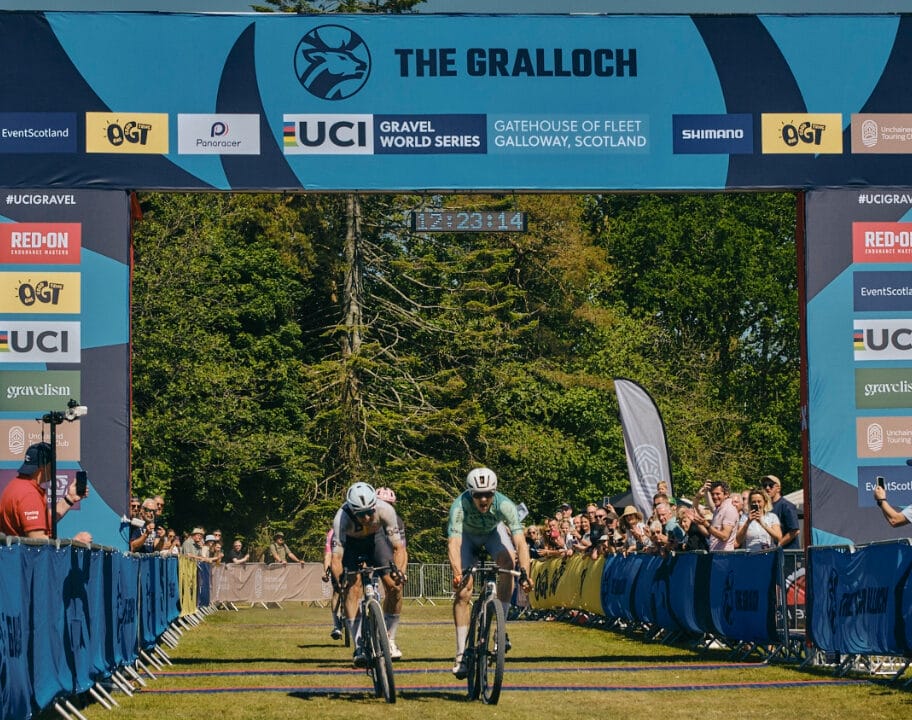
Strength training is one of the most effective ways for cyclists to improve speed, power, and endurance, yet it is often overlooked in favour of more time on the bike. While cycling builds aerobic fitness, it does not fully develop the muscular strength and stability needed for optimal performance. Adding the right type of strength training helps cyclists produce more power, ride more efficiently, and reduce injury risk.

What Strength Training Does for Cyclists?
Strength training improves how your muscles generate force and sustain effort over time. Research shows that adding strength work can improve cycling efficiency, anaerobic power, and overall performance without negatively affecting endurance capacity. It also enhances neuromuscular coordination, meaning your muscles work more effectively during each pedal stroke. This leads to better power transfer and reduced energy waste. Incorporating interval training into practice can also help improve the speed.
Why Strength Training Helps You Ride Faster?
Cycling performance is not just about cardiovascular fitness, it also depends on how efficiently you apply force to the pedals. Strength training allows you to produce the same power with less effort, which improves endurance and delays fatigue.
Stronger muscles also help maintain posture and control, especially during long rides or climbs. This becomes critical when managing effort, similar to strategies in pacing a long cycling ride properly, where energy efficiency determines performance.
Focus on Compound Lower Body Exercises
The most effective strength exercises for cyclists are compound movements that target multiple muscle groups. These exercises closely mimic the demands of cycling and provide the greatest performance benefits.
- Key exercises include:
- Squats
- Deadlifts
- Lunges
- Step-ups
These movements target the quadriceps, glutes, and hamstrings, the primary muscles used in cycling. Building strength here directly improves power output and endurance.
Train the Posterior Chain
Cyclists often overuse the front of their legs while neglecting the posterior chain, which includes the glutes and hamstrings. Strengthening these muscles improves balance and efficiency. A stronger posterior chain helps stabilise your body and reduces strain on the knees. It also improves climbing performance, similar to techniques used in riding strong in headwinds and crosswinds on a bike, where force application is critical.
Develop Core Strength for Stability
- Core strength is essential for maintaining position on the bike.
- A weak core leads to poor posture, wasted energy, and increased fatigue.
Core exercises such as planks, dead bugs, and rotational movements improve stability and allow you to transfer power more effectively.
This becomes especially important in longer rides, much like maintaining control in staying fit during the cycling off-season, where stability supports consistency.
Include Upper Body Strength Work
Although cycling is primarily lower-body focused, upper body strength plays an important role. Strong shoulders, arms, and back muscles help maintain posture and reduce fatigue during long rides.
Exercises such as rows, push-ups, and presses improve control and reduce tension in the upper body, allowing more energy to be directed toward pedalling.
Use Heavy Strength Training Strategically
Heavy strength training, lifting higher loads with lower repetitions, has been shown to improve cycling efficiency and performance.
This type of training increases muscle force production and improves how efficiently energy is used during cycling.
However, it should be introduced gradually and balanced with endurance training to avoid excessive fatigue.
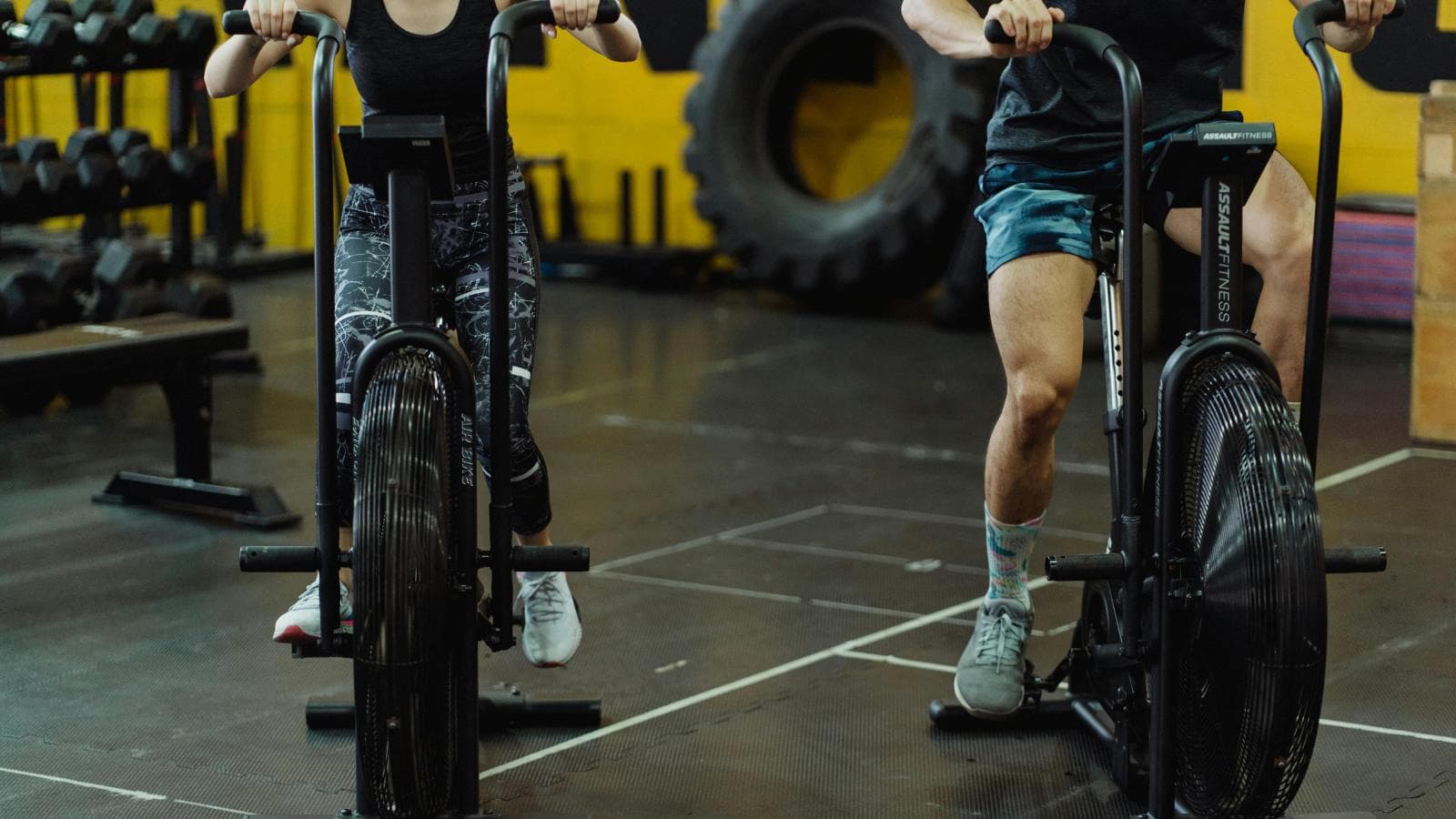
Incorporate Single-Leg Exercises
Cycling is a unilateral movement, meaning each leg works independently. Single-leg exercises help correct imbalances and improve coordination.
- Effective options include:
- Single-leg squats
- Split squats
- Single-leg deadlifts
These exercises improve stability and ensure both legs contribute equally to power output.
Train Consistently but Not Excessively
Strength training does not need to be done every day. Most cyclists benefit from:
- 2 to 3 sessions per week during base phases
- 1 to 2 sessions per week during peak training
Maintaining strength training even during the season helps preserve gains and prevent performance decline.
Combine Strength with Cycling Training Properly
- Strength training should complement your cycling, not interfere with it.
- Avoid scheduling heavy gym sessions immediately before key rides.
- Instead, place strength sessions on easier training days or after rides to allow proper recovery.
Balancing both types of training is essential for long-term progress, similar to structured approaches in avoiding bonking, where consistency drives improvement.
Avoid Common Strength Training Mistakes
Cyclists often make mistakes such as lifting too frequently, using poor technique, or focusing on the wrong exercises. Common issues include:
- Doing only machine-based exercises
- Ignoring core and stability work
- Using weights that are too light or too heavy
- Neglecting recovery
Avoiding these mistakes ensures strength training improves performance rather than causing fatigue or injury.
Practical Strength Training Plan
- A simple weekly approach could include:
- 2 full-body strength sessions
- Focus on compound movements
- Include core and single-leg work
- Keep sessions short and controlled
This approach provides maximum benefit without interfering with cycling training.
Practical Tips to Ride Faster with Strength Training
- Focus on quality over quantity
- Use controlled movements and proper form
- Progress gradually over time
- Balance strength and endurance training
- Allow adequate recovery between sessions
What You Should Do?
Start by adding one or two strength sessions per week focusing on compound lower-body exercises. Gradually include core and single-leg work to improve stability and balance.
Keep your training simple and consistent, and ensure it complements your cycling schedule. Supporting your training with proper nutrition, like strategies in fueling for a 2-hour cycling ride, helps maximise results. Over time, strength training will make you a more powerful, efficient, and resilient cyclist.
FAQs
Yes, it improves power and efficiency. It also reduces injury risk.
2 to 3 times per week is ideal. Reduce frequency during peak training.
Squats, deadlifts, and lunges are most effective. They target key cycling muscles.
No, it improves efficiency without harming endurance.
Yes, it improves stability and posture. This reduces fatigue during long rides.
Yes, start with basic movements. Focus on technique before increasing weight.
On easy days or after rides. Avoid before key sessions.
Ignoring it completely. This limits performance and increases injury risk.