Cyclists are often proud of their ability to ride through challenging weather. Rain, wind, and cold temperatures are all part of the sport. However, there comes a point where riding outdoors becomes less productive, less enjoyable, and potentially unsafe.
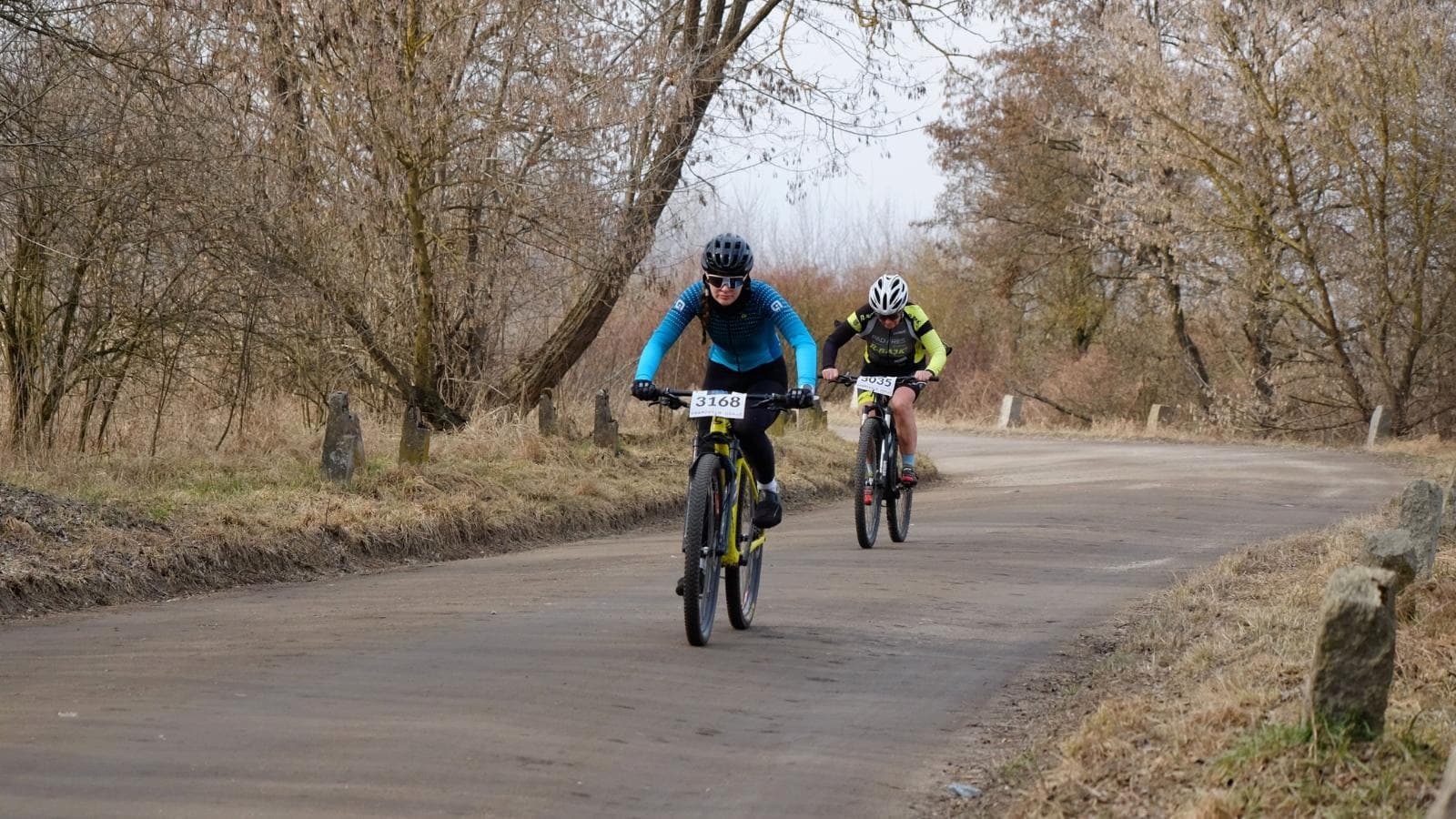
The challenge is that there is no single temperature at which cycling suddenly becomes impossible. Factors such as wind, precipitation, ride duration, clothing, fitness level, and road conditions all influence how cold feels on the bike. For one rider, 5°C (41°F) may feel comfortable. For another, the same temperature may feel unbearable. Understanding how cold affects the body can help cyclists make smarter decisions about training and safety during winter months.
Why Cycling Feels Colder Than Other Activities?
Cycling creates its own wind. Even on a calm day, riding at 30 km/h generates substantial airflow across the body. This increases heat loss and can make temperatures feel significantly colder than they actually are.
For example:
- 5°C may feel close to freezing when riding at speed
- Strong winds can amplify the effect further
- Descents often feel colder than climbs
Cyclists who understand warm up exercises that can be done before long runs often recognise that environmental conditions influence training quality just as much as workout structure.
Wind Chill Matters More Than Air Temperature
Many riders focus exclusively on the temperature displayed in their weather app. However, wind chill often has a much greater impact on comfort.
Wind chill can:
- Accelerate heat loss
- Increase discomfort
- Reduce dexterity
- Raise the risk of cold-related issues
A ride at 2°C with strong winds may feel considerably colder than a calm ride at -2°C. Always assess the complete weather picture.
The Risk of Reduced Performance
As temperatures drop, physical performance may decline.
Cold conditions can contribute to:
- Stiffer muscles
- Reduced mobility
- Slower reaction times
- Increased energy expenditure
Cyclists who understand how to improve lactate threshold for cycling know that high-quality training sessions become more difficult when the body struggles to stay warm. Sometimes indoor training may produce better results than fighting extreme conditions outdoors.
Hands and Feet Are Often the First Problem
The extremities typically lose heat faster than the core.
Many cyclists notice:
- Cold fingers
- Numb toes
- Reduced grip strength
- Difficulty braking or shifting
Athletes who understand how to stop speed wobbles on a bike during a race often appreciate how important precise bike control becomes at higher speeds. Cold hands can compromise that control.
Layering Is Critical
The temperature itself is only part of the equation. Appropriate clothing can dramatically expand the range of temperatures in which cyclists can ride comfortably.
Effective winter layering often includes:
- Moisture-wicking base layers
- Insulating mid-layers
- Windproof outer layers
- Thermal gloves
- Overshoes
- Neck protection
The goal is staying warm without overheating.
Rain Changes Everything
Cold temperatures become significantly more challenging when moisture is involved.
Rain can:
- Increase heat loss
- Reduce comfort
- Raise hypothermia risk
Cyclists who might comfortably ride at 2°C in dry conditions may struggle at 8°C in heavy rain. Weather conditions matter as much as the temperature itself.
Road Conditions Can Become Dangerous
Often, the biggest winter cycling risk is not the cold itself. It is the road surface.
Potential hazards include:
- Ice
- Black ice
- Snow
- Frozen puddles
- Reduced visibility
Cyclists who understand how to overcome fear on fast cycling descents know that confidence depends heavily on predictable road conditions. No amount of fitness can compensate for a loss of traction.
How Cold Is Too Cold?
While individual tolerance varies, many cyclists use general guidelines:
Above 10°C (50°F)
Most riders can train comfortably with appropriate clothing.
5°C to 10°C (41°F to 50°F)
Additional layers become important, particularly during long rides.
0°C to 5°C (32°F to 41°F)
Cold-weather gear becomes essential, and route selection deserves more attention.
Below 0°C (32°F)
Road conditions become increasingly important, and some cyclists may prefer indoor alternatives.
Below -10°C (14°F)
Many riders begin to question whether the benefits outweigh the risks, particularly for long outdoor sessions. The exact threshold varies based on experience, equipment, and local conditions.
Fueling Becomes More Important
Cold weather often increases energy demands.
The body must work harder to:
- Produce heat
- Maintain performance
- Support recovery
Cyclists who understand why power meter training for cyclists is important often notice that maintaining target outputs can become more difficult in challenging environmental conditions. Adequate fueling supports both warmth and performance.
Hydration Is Still Necessary
Many cyclists drink less during winter because they feel less thirsty. This can lead to dehydration despite cooler temperatures.
Athletes should continue paying attention to:
- Fluid intake
- Electrolyte balance
- Hydration habits
Cold weather does not eliminate hydration needs.
Indoor Training Is Sometimes the Smarter Option
There is no rule stating every ride must be outdoors.
Indoor training can provide:
- Controlled conditions
- Consistent workouts
- Greater safety
- Improved time efficiency
Cyclists who understand how to train for long cycling days consecutively often use indoor sessions to focus on technique without worrying about weather disruptions. Sometimes the smartest ride happens indoors.
Watch for Signs of Excessive Cold Exposure
Warning signs may include:
- Uncontrollable shivering
- Numb extremities
- Loss of coordination
- Confusion
- Persistent discomfort
These symptoms should not be ignored. The goal is productive training, not proving toughness.
Plan Routes Carefully
Winter rides often benefit from:
- Shorter loops
- Easy access to shelter
- Reduced exposure
- Familiar roads
If conditions deteriorate unexpectedly, having options can improve safety.
Common Cold-Weather Cycling Mistakes
Many cyclists struggle because they:
- Underdress
- Ignore wind chill
- Neglect hydration
- Skip fueling
- Choose unsafe roads
- Stay out too long
- Ignore early warning signs
- Prioritise training over safety
Most of these issues are preventable.
How to Decide Whether to Ride Outdoors?
Before heading out, consider:
- Temperature
- Wind speed
- Road conditions
- Precipitation
- Ride duration
- Available clothing
- Experience level
- Alternative training options
The best decision is the one that balances safety, comfort, and training goals.
FAQs
There is no universal cutoff, but many cyclists become more cautious below freezing temperatures.
It can be, provided road conditions, clothing, and experience levels are appropriate.
Higher speeds create greater wind chill and heat loss.
For many riders, icy roads pose a greater threat than the temperature itself.
Only if conditions are safe and you have appropriate equipment and experience.
Insulated gloves, bar mitts, and proper layering can help significantly.
Yes. Hydration remains important regardless of temperature.
Yes. Reduced muscle temperature and increased energy demands may impact performance.