A bike can be the correct frame size and still feel uncomfortable if its contact points aren’t positioned appropriately. Saddle height, saddle position, handlebar reach and control placement all influence how comfortably you can pedal, steer and maintain your riding position. The challenge is that bike fit isn’t about finding one universal set of measurements. Your anatomy, flexibility, riding style, experience and cycling goals all influence what feels sustainable. A position suitable for a short road race may also differ from one preferred for long endurance rides.
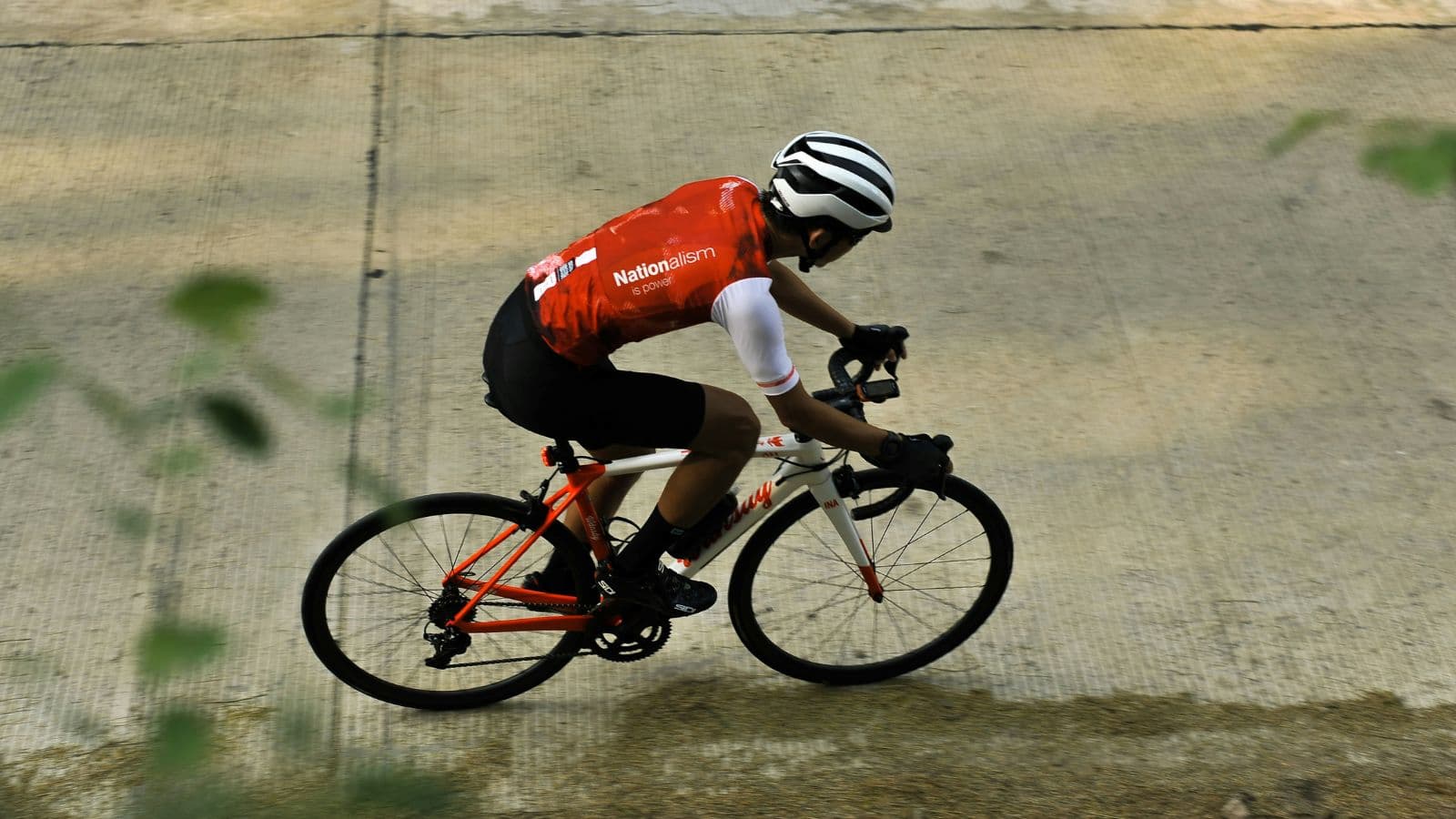
For most cyclists, improving fit means making small, systematic adjustments and observing how the body responds rather than changing several components at once. Persistent pain, numbness or significant asymmetry deserves particular attention and may require help from a qualified bike fitter or healthcare professional.
In Short
- Start with the correct general frame size.
- Set saddle height before making smaller adjustments.
- Check saddle fore-aft position.
- Keep saddle tilt changes small.
- Adjust reach for a sustainable upper body position.
- Position controls so your hands and wrists feel natural.
Why Does Bike Fit Matter?
Bike fit determines how your body interacts with the bicycle over thousands of repeated pedal strokes.
An appropriate position can support:
- Comfortable pedalling.
- Stable bike handling.
- Sustainable posture.
- Effective power production.
- Comfortable hand placement.
A poor position may become particularly noticeable as ride duration increases. Cyclists experiencing discomfort should also understand how to improve your confidence on technical races, because these frame measurements strongly influence the basic position a bike can provide.
Start With the Correct Bike Size
Before adjusting individual components, make sure the bicycle is reasonably appropriate for your body size and intended riding style. A frame that is substantially too large or too small can be difficult to compensate for using saddle and stem adjustments alone.
Frame sizing varies between manufacturers, so don’t rely entirely on a label such as:
- Small.
- Medium.
- Large.
- 54cm.
- 56cm.
Geometry measurements provide more useful information than the size name alone.
Set Your Saddle Height
Saddle height is one of the first adjustments to consider. If the saddle is dramatically too low, your knees remain excessively bent through the pedal stroke. If it’s too high, you may struggle to reach the bottom of the stroke comfortably.
Signs that warrant checking saddle height can include:
- Rocking hips.
- Reaching for the pedals.
- Excessive knee bend.
- Difficulty maintaining smooth pedalling.
- Discomfort that repeatedly appears while riding.
There isn’t one simple formula that guarantees the perfect saddle height for every cyclist.
How Should Your Leg Look at the Bottom of the Pedal Stroke?
At the bottom of the pedal stroke, your knee should generally retain some bend rather than becoming completely locked. You should be able to pedal without noticeably rocking your hips from side to side to reach the pedals. If you have to point your toes dramatically or shift your pelvis on every revolution, the saddle may warrant reassessment. Make adjustments in small increments rather than moving the saddle several centimetres immediately.
Check Saddle Fore-Aft Position
Your saddle can usually slide forward or backward on its rails.
This changes your relationship to both:
- The pedals.
- The handlebars.
Moving the saddle isn’t simply a way to correct handlebar reach. Its position also influences how your body is supported over the bike and how you pedal. Make fore-aft changes carefully and stay within the manufacturer’s permitted saddle rail limits.
Be Careful With Saddle Tilt
For many road cyclists, a roughly level saddle provides a sensible starting point. Small tilt changes can influence pressure distribution, but dramatic angles may create new problems. For example, an excessively nose-down saddle can cause you to continually slide forward and support more body weight through your hands. If you’re experiencing pressure or numbness, don’t automatically assume saddle tilt is the only cause. Saddle shape, height, position and riding posture can all contribute.
Saddle Choice Matters Too
Adjustment cannot make every saddle suitable for every rider.
Saddles vary in:
- Width.
- Shape.
- Curvature.
- Padding.
- Cut outs or pressure relief channels.
A heavily padded saddle isn’t automatically more comfortable for long distance cycling. The objective is to find a saddle that supports you appropriately while allowing comfortable pedaling.
Check Your Reach to the Handlebars
Reach describes how far you need to extend towards the handlebars.
If the reach is excessive, you may feel:
- Overstretched.
- Unable to relax your elbows.
- Excessive pressure through your hands.
- Tension through your shoulders or neck.
If the cockpit is too short, your position may instead feel cramped. Your riding style matters too. An aggressive racing position and a relaxed endurance position aren’t supposed to feel identical.
Keep Your Elbows Relaxed
When riding normally, avoid deliberately locking your elbows completely straight. A relaxed bend can help your upper body absorb road vibration and move naturally with the bike.
Also check whether you’re:
- Shrugging your shoulders.
- Gripping excessively hard.
- Reaching for the controls.
- Holding unnecessary upper-body tension.
Sometimes what appears to be a bike-fit problem is made worse by riding rigidly.
Adjust Stem Length Carefully
Changing stem length can alter reach and handling. A shorter stem can bring the handlebars closer, while a longer stem increases reach. However, stem changes shouldn’t be used to compensate for a fundamentally unsuitable frame without considering their effect on bike handling. Before buying components, make sure simpler adjustments aren’t responsible for the problem.
Handlebar Height Influences Comfort
Lower handlebars create a greater difference between saddle and handlebar height, which can produce a more aggressive riding position. Higher handlebars generally reduce how far you need to lower your torso.
Your appropriate position depends partly on:
- Flexibility.
- Riding experience.
- Event type.
- Comfort.
- Bike geometry.
Don’t assume lower handlebars automatically make you faster if you can’t maintain the position comfortably.
Adjust Your Brake Hoods
Road bike brake hoods are major contact points. They should allow you to reach the brakes and controls comfortably without creating an awkward wrist position.
Check whether your wrists feel:
- Excessively bent upward.
- Dropped significantly downward.
- Rotated uncomfortably.
Control placement can make a surprisingly noticeable difference during long rides.
Hand Numbness Can Signal a Problem
Occasional repositioning of your hands is normal, but persistent numbness deserves attention.
Potential contributing factors can include:
- Excessive weight on the hands.
- Poor control positioning.
- Incorrect reach.
- Excessive grip pressure.
- Inappropriate gloves or bar setup.
Cyclists experiencing these problems may benefit from how to stop hand numbness and saddle discomfort on long rides, especially when symptoms appear only after extended time on the bike. Persistent numbness shouldn’t simply be accepted as part of cycling.
Check Your Cleat Position
If you use clipless pedals, cleat setup forms another part of your bike position.
Cleat placement can affect:
- Foot position.
- Knee movement.
- Pedalling comfort.
Avoid making large changes based solely on how another cyclist positions their cleats. If you develop persistent knee, ankle or foot discomfort after changing cleats, reassess the setup.
Knee Pain Can Have Several Causes
Cyclists sometimes respond to knee pain by immediately changing saddle height. Bike position can contribute to discomfort, but knee pain can have many possible causes, including training load changes. If discomfort develops after increasing ride duration or intensity, consider both your fit and your recent training. The guide how to prevent your knees from hurting during long cycling is useful here because equipment setup and workload need to be considered together.
Your Pedal Stroke Should Feel Natural
A good fit should allow you to pedal without constantly adjusting your hips or feet to reach the pedals. Don’t force your knees to track along an artificially perfect line if that movement feels unnatural.
Instead, look for:
- Stable hips.
- Comfortable knee movement.
- Smooth pedalling.
- Consistent contact with the pedals.
Improving how to develop a smoother pedal stroke in cycling can help distinguish technique issues from problems caused by the bike setup itself.
Bike Fit Can Influence Hot Foot
Burning, numbness or discomfort in the feet during longer rides may involve several factors.
These can include:
- Shoe fit.
- Cleat position.
- Foot swelling.
- Tight closures.
- Pedalling load.
If this sounds familiar, what causes hot foot during long bike rides can help you examine footwear and setup rather than repeatedly adjusting unrelated parts of the bike.
Test Changes on Easy Rides
Don’t completely change your position immediately before:
- A race.
- A century ride.
- A cycling holiday.
- A major training session.
Test adjustments during shorter, easier rides first.
This gives you time to notice whether the change improves or worsens:
- Comfort.
- Pedalling.
- Handling.
- Pressure.
- Muscle fatigue.
A position that feels fine for five minutes in the garage may feel very different after two hours.
Change One Thing at a Time
Suppose you simultaneously:
- Raise the saddle.
- Move it backward.
- Lower the handlebars.
- Install a longer stem.
- Move your cleats.
If the bike feels worse afterwards, you won’t know which change caused the problem.
Instead:
- Record your existing position.
- Make one small adjustment.
- Ride.
- Evaluate the result.
- Make another change only when necessary.
Take measurements or photos before changing components so you can return to the previous position.
Fit Matters More as Ride Duration Increases
Small discomforts can become significant after several hours. A position that feels acceptable for a 30-minute ride may cause problems during a 100km event. Long distance cyclists therefore need to consider whether their position remains sustainable as fatigue develops. Following how to pace a 100km or 100-mile bike ride can also reduce fatigue-related discomfort because an excessively aggressive early effort may make it harder to maintain your normal position later.
Mobility Can Affect Your Riding Position
The bicycle isn’t always the only factor.
Your ability to maintain a position can also be influenced by mobility through areas such as the:
- Hips.
- Ankles.
- Thoracic spine.
You don’t need extreme flexibility to ride comfortably, but significant restrictions may influence which positions are sustainable. Using what is a simple 10-minute mobility routine for cyclists can complement bike adjustments without assuming every discomfort requires changing the bicycle.
Don’t Ignore Changes in Training Volume
A previously comfortable bike can suddenly feel uncomfortable after a large increase in riding. The position may not have changed, your training load has.
If you’ve recently increased:
- Weekly kilometres.
- Long-ride duration.
- Indoor training.
- Climbing volume.
your body may simply be experiencing more repetitive stress than before. This is another reason how to increase cycling volume without the risk of injury should be considered alongside bike fit.
Check Your Bike Before Blaming the Fit
Sometimes the problem isn’t your body position.
Check whether:
- The saddle has slipped.
- The seatpost has moved.
- The handlebars have rotated.
- A cleat has shifted.
- The controls have moved.
Marking or recording important measurements can make unexpected changes easier to identify. Including these checks within what you should check on your bike before every ride can help catch loose or moved components before they affect comfort or safety.
When Should You Consider a Professional Bike Fit?
A professional assessment may be particularly useful when:
- Discomfort persists despite sensible adjustments.
- You’re experiencing recurring numbness.
- You have significant left-right asymmetry.
- You’re returning after an injury.
- You’re preparing for very long events.
- You cannot find a sustainable position.
A bike fitter can assess both the bicycle and how you move while riding. Persistent or worsening pain may also warrant assessment by an appropriate healthcare professional rather than continuing to experiment with the bike.
Common Mistakes
- Changing several adjustments simultaneously.
- Raising the saddle too aggressively.
- Using saddle position only to fix reach.
- Assuming lower handlebars are always faster.
- Copying another cyclist’s measurements.
- Ignoring cleat position.
- Accepting persistent numbness as normal.
- Making major changes immediately before an important ride.
Practical Tips
- Record your current measurements first.
- Start with saddle height and position.
- Make adjustments in small increments.
- Keep your upper body relaxed.
- Check control and cleat positions.
- Test changes on easy rides.
- Give your body time to adapt.
- Seek professional help for persistent problems.
Actionable Takeaways
A better bike fit comes from creating a position that allows you to pedal, steer and support your body comfortably for the type of cycling you actually do. Start with the fundamentals: appropriate bike size, saddle height and position, sustainable reach and comfortable control placement.
Most importantly, adjust systematically. Record your starting position, change one variable at a time and test it during normal riding. If pain, numbness or significant discomfort persists, a professional bike fit or appropriate clinical assessment is more useful than endlessly experimenting with your position.
FAQs
You should generally be able to pedal and control the bike comfortably without excessive reaching, hip rocking, persistent numbness or significant pain.
The appropriate height varies between riders. Your knee should generally retain some bend at the bottom of the pedal stroke without requiring excessive hip rocking or reaching.
Possible signs include rocking your hips, reaching for the pedals, excessive toe pointing or discomfort associated with maintaining the pedal stroke.
A very low saddle can leave the knees excessively bent through the pedal stroke and may make pedalling feel cramped.
A roughly level position is a common starting point, but small adjustments may suit individual riders. Large tilt changes should be approached carefully.
Feeling excessively stretched, locking your elbows or struggling to comfortably reach the controls may indicate that your reach deserves assessment.
Bike position can contribute to excessive hand pressure and numbness, although grip, gloves, road vibration and other factors may also be involved.
Yes, bike setup can contribute to some cycling-related knee problems, but training load and other factors can also cause pain.
Avoid major last-minute changes whenever possible. Test significant adjustments during training so you know the position remains comfortable over time.
Consider professional help when discomfort persists, you’re struggling to establish a sustainable position or you’re preparing for long events where small fit problems become increasingly important.