Hydration becomes one of the biggest performance factors when cycling in hot weather. As temperatures rise, your body loses more fluid through sweat in an attempt to regulate temperature. If you do not replace enough of that fluid, dehydration builds quickly, leading to reduced endurance, higher heart rate, fatigue, and poor recovery.
The challenge is that hydration is not the same for every cyclist. Sweat rate, ride intensity, humidity, and body size all affect how much fluid you need. The goal is not to drink as much as possible, it is to drink enough to maintain performance without overhydrating.
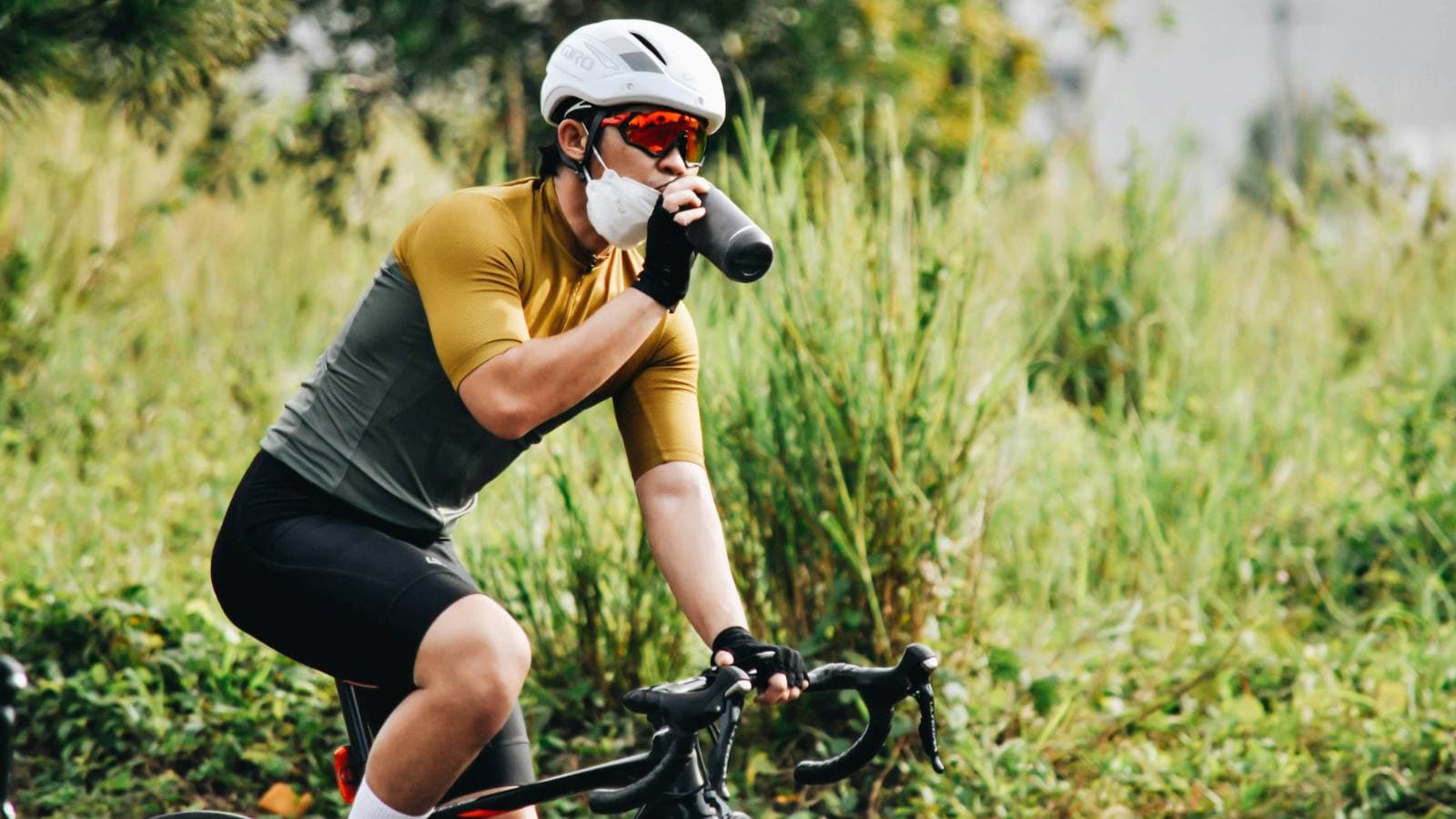
Why Hydration Matters More in Hot Weather?
During cycling, your body generates significant heat. In hot conditions, sweating increases to cool the body down. This process helps regulate temperature, but it also leads to fluid and electrolyte loss.
Even mild dehydration can affect:
- Power output
- Endurance
- Focus and reaction time
- Heart rate
- Recovery
The longer and harder the ride, the more important hydration becomes. This is especially critical during endurance rides, similar to strategies discussed in fueling for a 2-hour cycling ride, where maintaining energy and fluid balance supports sustained performance.
How Much Fluid Cyclists Typically Need?
Most cyclists need around:
500 to 1000ml of fluid per hour in hot weather Some heavier sweaters may require even more depending on conditions and intensity. However, hydration needs vary significantly between individuals.
Factors that affect sweat rate include:
- Temperature
- Humidity
- Ride intensity
- Body size
- Fitness level
- Acclimatisation to heat
Because of these differences, hydration should be adjusted based on personal response rather than using a single universal number.
Why Sweat Rate Matters?
Sweat rate determines how much fluid you lose during exercise. Some cyclists lose less than 500ml per hour, while others can lose well over 1 litre in hot conditions. A simple way to estimate sweat loss is to weigh yourself before and after a ride while tracking fluid intake. This helps you understand how much fluid your body typically loses.
Signs You Are Not Drinking Enough
Dehydration usually develops gradually rather than suddenly. Early warning signs include:
- Dry mouth
- Higher heart rate
- Headaches
- Fatigue
- Reduced power output
- Dizziness
As dehydration worsens, performance declines rapidly. This becomes especially noticeable during longer endurance rides, similar to pacing issues discussed in pacing a long cycling ride properly, where energy and hydration management directly affect performance.
Can You Drink Too Much?
Yes. Overhydration can dilute sodium levels in the body and lead to hyponatremia, which can become dangerous. Drinking excessively without replacing electrolytes is particularly risky during long rides in hot weather. The goal is balanced hydration, not simply drinking continuously.
Electrolytes Are Essential in the Heat
Sweat contains sodium and other electrolytes that must be replaced during long or hot rides.
Electrolytes help:
- Maintain fluid balance
- Support muscle function
- Reduce cramping risk
- Improve hydration efficiency
Sports drinks or electrolyte tablets are often useful during rides lasting longer than 90 minutes in hot conditions.
Drink Consistently Instead of All at Once
Large amounts of fluid at once are harder to absorb and may cause stomach discomfort. Instead, aim for small, regular sips throughout the ride. A good approach is drinking every 10 to 15 minutes rather than waiting until you feel thirsty.
Hydration Needs Increase With Intensity
Harder efforts increase body temperature and sweat rate. This means hydration demands rise significantly during intense intervals, climbing, or racing. Cyclists often underestimate how much extra fluid they need during high-intensity riding in the heat.
Acclimatisation Changes Hydration Needs
The body adapts to heat exposure over time. After repeated training in hot weather, your body becomes more efficient at cooling itself and managing fluid loss.
Heat acclimatisation can improve:
- Sweat efficiency
- Electrolyte balance
- Temperature regulation
- Perceived effort in hot conditions
However, hydration still remains essential even after adaptation.
Pre-Ride Hydration Matters Too
Hydration starts before the ride begins. Starting already dehydrated makes it much harder to maintain performance during hot conditions.
Before riding:
- Drink fluids consistently throughout the day
- Avoid excessive alcohol intake
- Ensure urine colour is pale yellow
Beginning a ride properly hydrated reduces stress on the body immediately.
Adjust Hydration Based on Ride Duration
Shorter rides may only require water, especially at easier intensities. Longer or harder rides usually require both fluids and electrolytes. For rides over two hours in the heat, combining hydration with carbohydrates becomes increasingly important. This relationship between fueling and hydration is also highlighted in training your gut to handle more carbs on the bike, where digestion and fluid balance work together.
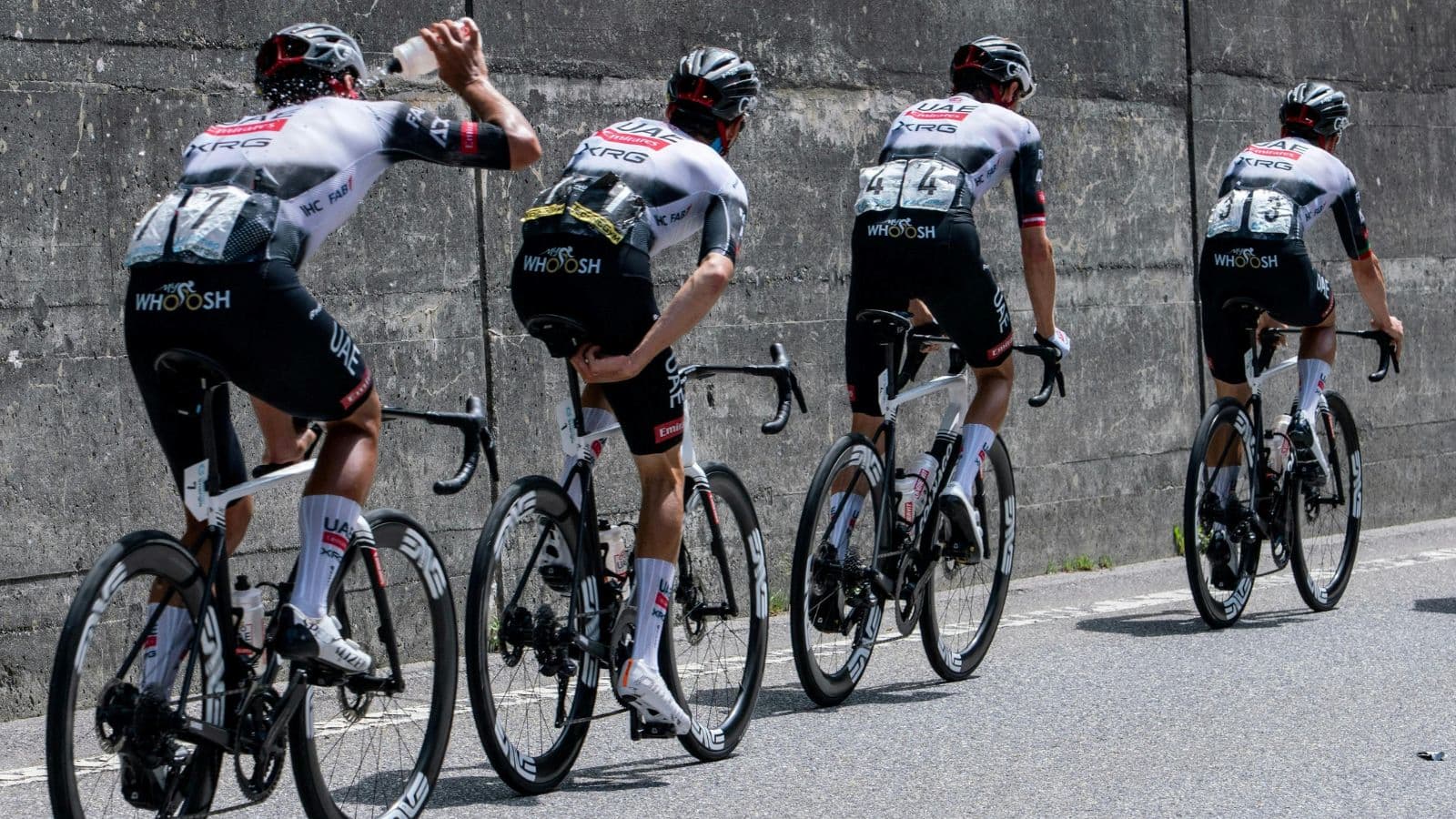
Use Cooling Strategies Alongside Hydration
Hydration alone is not always enough in extreme heat. Cooling strategies help reduce overall stress on the body.
Useful approaches include:
- Pouring water over the body
- Wearing lightweight clothing
- Reducing intensity in extreme heat
- Using shaded routes when possible
These strategies help maintain performance and reduce overheating risk.
Avoid Common Hydration Mistakes
- Waiting until thirsty to drink
- Drinking large amounts infrequently
- Ignoring electrolytes
- Overdrinking plain water
- Not adjusting for weather conditions
Avoiding these mistakes significantly improves comfort and performance in hot weather.
Practical Hydration Tips for Hot Weather Cycling
- Drink small amounts consistently throughout the ride
- Use electrolytes during longer rides
- Monitor sweat loss and body response
- Start rides properly hydrated
- Adjust intake based on temperature and intensity
- Combine hydration with fueling on long rides
What You Should Do?
Start by estimating your sweat rate during hot-weather rides so you understand your personal hydration needs. Aim for steady fluid intake rather than large amounts all at once, and include electrolytes during longer sessions. Practice your hydration strategy during training rides rather than waiting until important events or races. Supporting hydration with proper pacing and recovery, like approaches discussed in how much sleep do cyclists need for recovery, helps your body handle heat stress more effectively.
Managing hydration properly in hot weather allows you to maintain performance, reduce fatigue, and recover more effectively after demanding rides.
FAQs
Most cyclists need 500–1000ml per hour. Sweat rate and conditions affect this significantly.
Yes, thirst often appears after dehydration has already started. Small regular intake works best.
Yes, especially during longer rides. Electrolytes help maintain fluid balance.
Yes, excessive water intake without electrolytes can be dangerous. Balanced hydration is important.
Common signs include fatigue, headaches, dizziness, and higher heart rate.
Yes, hot weather increases sweat rate and fluid loss significantly.
They can help during long or intense rides. They provide both fluids and electrolytes.
Small sips every 10 to 15 minutes are usually effective.
Yes, dehydration reduces endurance, power, and focus.