Fueling for a 2-hour cycling ride sits right in the sweet spot where nutrition starts to matter, but doesn’t need to be overly complicated. Unlike shorter rides where stored energy is enough, a 2-hour ride requires a steady intake of carbohydrates and fluids to maintain performance and avoid fatigue.
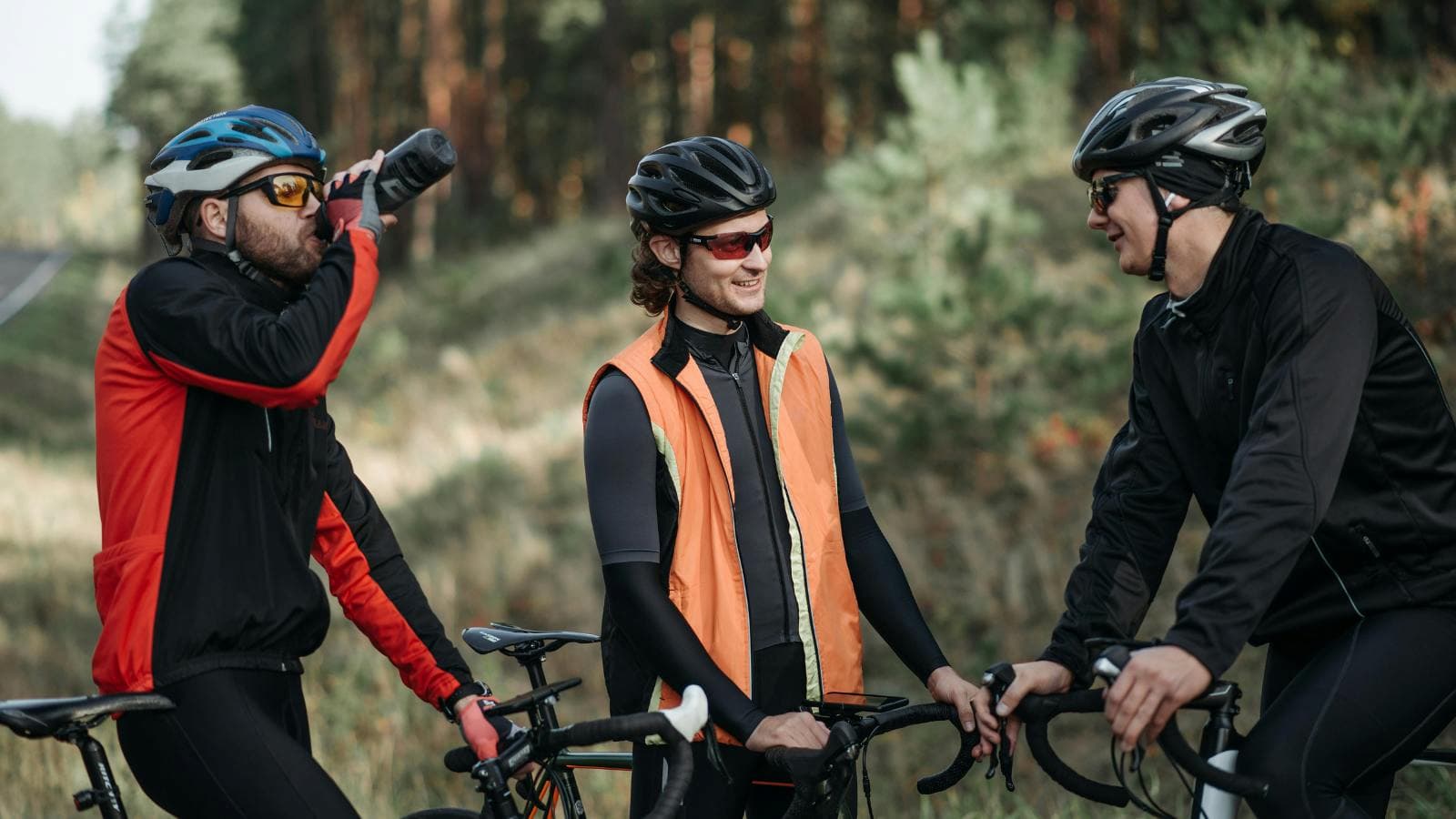
The goal is simple: maintain energy levels, avoid fatigue, and finish strong without overloading your system.
Why Fueling Matters for a 2-Hour Ride?
Your body relies on glycogen (stored carbohydrates) during cycling. After about 60 to 90 minutes, these stores begin to drop.
Without proper fueling, you may notice:
- Sudden fatigue
- Drop in power
- Loss of focus
Maintaining steady energy is especially important when pacing efforts, much like in how to pace a long cycling ride properly, where energy distribution plays a key role.
How Many Carbs Do You Need?
Carbohydrate Intake Guidelines
For a 2-hour ride:
- Aim for 30 to 60g carbs per hour
- Total: 60 to 120g carbs
Lower intensity rides → closer to 30g/hour
Higher intensity rides → closer to 60g/hour
The key is consistency, not large single intakes.
When Should You Start Fueling?
Start Early, Not When You’re Tired
- A common mistake is waiting too long.
- By the time you feel low on energy, it’s already too late.
- Start fueling within the first 30 to 45 minutes, then continue every 20 to 30 minutes.
This steady approach aligns with strategies used in riding strong in headwinds and crosswinds on a bike, where maintaining consistent effort requires stable energy supply.
What to Eat During a 2-Hour Ride?
Best Carbohydrate Sources
Focus on easily digestible options:
- Energy gels
- Sports drinks
- Chews
- Bananas
These provide quick energy without stressing digestion.
Real Food Options (If Intensity Is Moderate)
You can also use:
- Energy bars
- Small sandwiches
- Rice cakes
Keep foods low in fat and fibre to avoid discomfort.
Choosing the right fuel supports smoother riding, similar to how proper preparation enhances performance in climbing efficiently on a road bike, where sustained energy output is essential.
Hydration Strategy
How Much to Drink?
Aim for:
- 500 to 750ml per hour
Adjust based on:
- Heat
- Sweat rate
- Intensity
Combine Hydration With Fueling
- Using sports drinks helps deliver both fluids and carbs.
- This simplifies your fueling plan and improves absorption.
Hydration also supports efficiency and control, especially during longer efforts like those discussed in staying fit during the cycling off-season, where maintaining consistency is key.
Match Fueling to Ride Intensity
Easy Ride
- Lower carb needs
- More flexibility with food choices
Hard Ride
- Higher carb demand
- Focus on fast-digesting fuels
Higher intensity increases energy demand, similar to how effort varies in riding safely in a cycling group, where maintaining control requires sustained focus and energy.
Avoid Overfueling
More Is Not Always Better
Taking in too many carbs too quickly can lead to:
- Bloating
- Stomach discomfort
- Reduced performance
Stick within recommended ranges and adjust gradually.
Practice Your Fueling Strategy
Train Your Gut
- Your body adapts to fueling over time.
- This is known as “gut training.”
Use your rides to:
- Test products
- Adjust timing
- Find what works
Consistency in fueling practice improves performance just like structured riding does in building endurance for longer cycling rides, where gradual adaptation is key.
Adjust for Weather Conditions
Hot Weather
- Increase fluids
- Monitor electrolyte intake
Cool Weather
- You may drink less
- Still maintain carb intake
Being adaptable ensures your fueling works in all conditions.
Common Fueling Mistakes
- Waiting too long to eat
- Taking large amounts at once
- Ignoring hydration
- Trying new foods mid-ride
- Underfueling
Avoiding these mistakes improves both comfort and performance.
Practical 2-Hour Fueling Example
Before the ride:
- Light carb-based meal (oats, toast, banana)
During the ride:
- 1 bottle with carbs + electrolytes
- 1–2 gels or snacks
- Eat every 20–30 minutes
After the ride:
- Replenish carbs and include protein
Practical Checklist
- 30 to 60g carbs per hour
- Start fueling early
- Eat small amounts regularly
- Stay hydrated
- Adjust based on intensity
- Practice your strategy
What You Should Do?
- Start simple and build your fueling plan gradually.
- Focus on consistency rather than perfection.
- Use your training rides to refine your strategy and understand your body’s needs.
- Over time, fueling becomes second nature, supporting better performance and more enjoyable rides.
FAQs
30 to 60g per hour is recommended.
Gels, drinks, bananas, or simple snacks.
Water alone is not enough for longer efforts.
Within the first 30 to 45 minutes.
Eat small amounts regularly and practice fueling.
Yes, but start on the lower end and build up.
Yes, higher intensity requires more carbohydrates.
You may experience fatigue and reduced performance.
Yes, especially at lower intensities. Just keep it easy to digest.