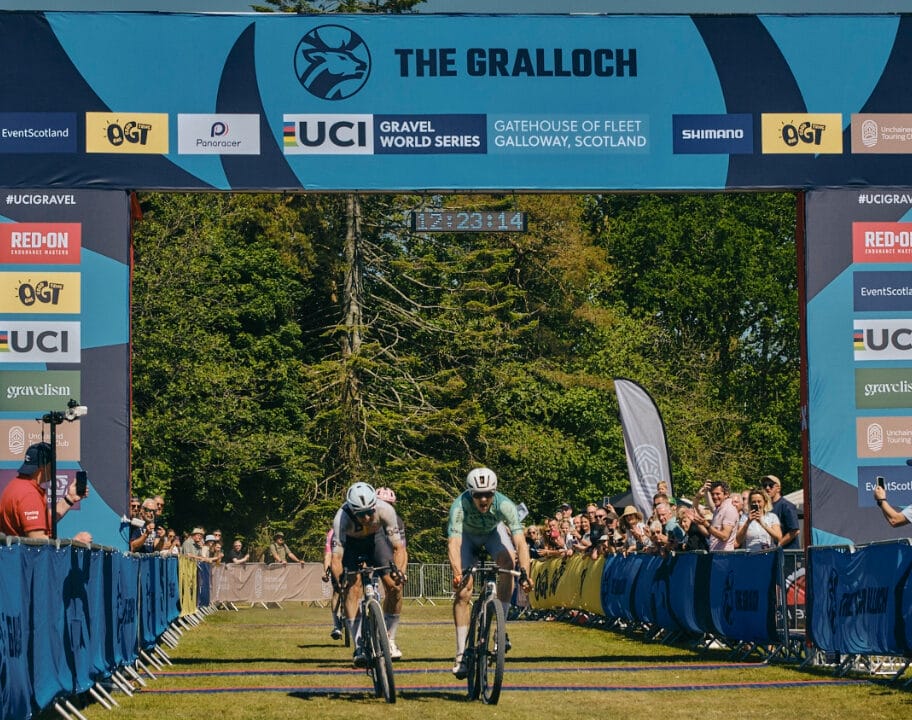
The best workout to prepare for a cycling race is a race specific interval session that reflects the intensity, duration, and demands of your event. For many road cyclists, repeated hard efforts followed by controlled recovery are particularly useful because racing often involves accelerations, climbs, and changes in pace rather than perfectly steady riding. Effective race preparation combines structured intervals, endurance training, and opportunities to practice race conditions. The objective is to develop the fitness needed to sustain your target effort while remaining capable of responding to changes in speed and terrain.
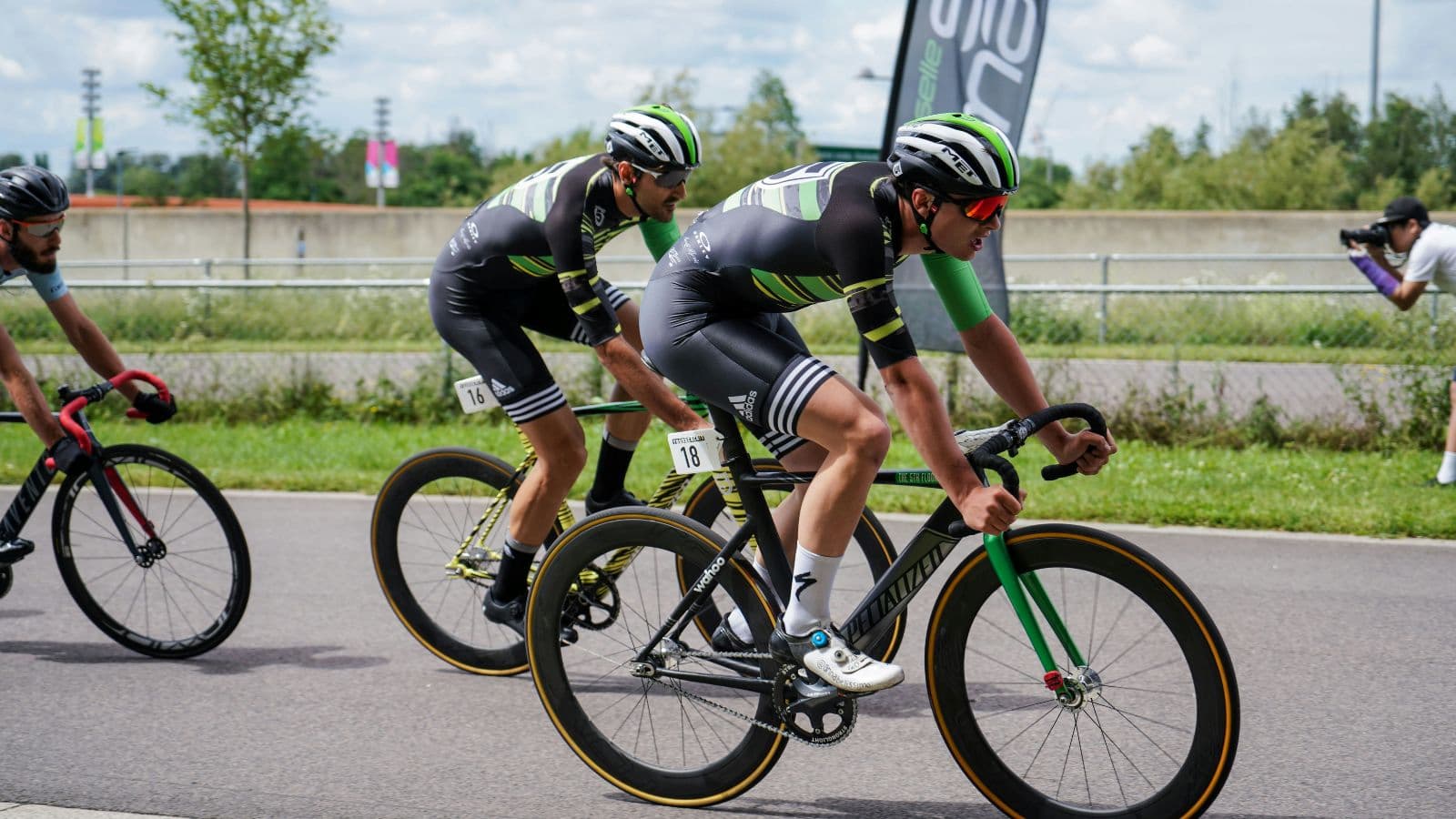
Beginners should focus on building consistent fitness before introducing demanding race simulations. Experienced cyclists can use more specific workouts as their event approaches. In both cases, training should become more relevant to race demands without sacrificing recovery.
In Short
- Race specific intervals are highly effective preparation.
- Match workouts to race distance and terrain.
- Endurance rides build the aerobic foundation.
- Short intervals improve repeated acceleration ability.
- Threshold efforts develop sustained power.
- Practice pacing before race day.
- Include group riding skills when relevant.
- Fuel longer workouts appropriately.
- Allow recovery between hard sessions.
- Reduce training fatigue before racing.
Why Race Specific Workouts Matter?
Cycling races demand different combinations of endurance, power, and technical ability. A workout becomes race specific when it reproduces important demands of the event.
Examples include:
- Repeated accelerations for criteriums.
- Sustained climbing efforts for hilly races.
- Long aerobic sessions for endurance events.
- Variable power efforts for gravel racing.
- Controlled threshold intervals for time trials.
Understanding how should cycling workouts change for different race distances helps cyclists select sessions that prepare them for their actual event rather than following a generic training routine.
The Best All Round Cycling Race Workout
For many recreational road racers, a session combining sustained effort and short accelerations provides useful preparation.
Example 60 Minute Race Preparation Session
| Workout section | Duration | Intensity |
|---|---|---|
| Warm up | 15 minutes | Easy, gradually increasing |
| Main interval 1 | 8 minutes | Strong, controlled effort |
| Recovery | 4 minutes | Easy |
| Main interval 2 | 8 minutes | Strong, controlled effort |
| Recovery | 4 minutes | Easy |
| Short accelerations | 5 × 20 seconds | Hard, with 100 seconds easy between |
| Cool down | 11 minutes | Easy |
The sustained intervals develop the ability to hold demanding efforts, while the accelerations introduce changes in intensity. Beginners should reduce the number or duration of hard efforts if necessary.
Build Endurance Before Increasing Intensity
Aerobic endurance allows cyclists to maintain effort throughout a race. Without sufficient endurance, repeated hard efforts become increasingly difficult as fatigue accumulates.
Useful endurance workouts include:
- Comfortable rides lasting 60 to 120 minutes.
- Longer rides appropriate to the event.
- Steady aerobic efforts.
- Gradual increases in riding duration.
Keep these sessions controlled rather than turning every endurance ride into a race. Understanding how do you build an aerobic base for cycling explains why easier riding remains important even when preparing for demanding competitions.
Threshold Intervals for Sustained Race Power
Threshold workouts develop the ability to sustain relatively high power without quickly becoming exhausted.
A practical session might include:
- 15 minutes easy warm up.
- Three repetitions of 8 minutes at a challenging, controlled intensity.
- 4 minutes easy recovery between repetitions.
- 10 minutes easy cool down.
The effort should remain consistent across all repetitions. Understanding what is ftp in cycling can help cyclists use functional threshold power as a reference for selecting appropriate training intensities.
Short Intervals for Race Accelerations
Many road races involve sudden increases in speed. Cyclists may need to accelerate after corners, respond to changes in group pace, or climb short hills. Short intervals help prepare for these demands.
Try:
- Six repetitions of 30 seconds hard.
- Two to three minutes easy recovery.
- Consistent effort across repetitions.
- Full control of pedaling technique.
These workouts are demanding and should not be performed every day. Understanding how can interval training improve cycling speed can help explain how structured intensity supports faster and more repeatable efforts.
Preparing for Different Cycling Race Formats
Different race formats require different workout priorities.
| Race type | Main training priority |
|---|---|
| Criterium | Repeated accelerations and cornering |
| Road race | Endurance and changing intensity |
| Time trial | Sustained power and pacing |
| Hill climb | Controlled climbing power |
| Gravel race | Endurance, variable terrain, and handling |
| Long distance sportive | Aerobic endurance, pacing, and fueling |
A cyclist preparing for a short criterium should not follow exactly the same workouts as someone preparing for a mountainous endurance event.
Practice Race Pacing During Training
Poor pacing can undermine otherwise strong fitness. Starting too aggressively may create fatigue that becomes difficult to manage later.
During race preparation, practice:
- Controlled starts.
- Sustainable climbing efforts.
- Avoiding unnecessary accelerations.
- Maintaining effort during headwinds.
- Finishing strongly when possible.
Understanding how to pace a long ride helps cyclists distribute energy across longer events without exhausting themselves early.
Group Riding and Race Skills
Fitness is only part of race preparation. Road racing may require riding close to others, responding smoothly to changes in speed, and maintaining predictable positioning.
Practice:
- Holding a consistent line.
- Looking ahead.
- Braking smoothly.
- Communicating clearly.
- Maintaining safe spacing.
- Avoiding sudden movements.
These skills should be developed in suitable, controlled environments. Understanding how to ride safely in a group helps cyclists build confidence before entering events involving multiple riders.
Fueling Race Preparation Workouts
Nutrition supports demanding training and longer race simulations. Short easy rides may not require additional carbohydrate intake during exercise. Longer or harder sessions may benefit from planned fueling.
Useful habits include:
- Eating appropriately before training.
- Carrying carbohydrates for extended rides.
- Drinking according to conditions.
- Practicing race nutrition.
- Avoiding unfamiliar products on race day.
Following what to eat during long rides can help cyclists develop a fueling strategy before race day.
How Often Should You Do Race Specific Workouts?
For many recreational cyclists, one or two demanding sessions per week provide a useful starting point.
A balanced week might include:
- One interval session.
- One endurance ride.
- One race specific workout.
- One or two easier rides.
- Appropriate recovery days.
Beginners may need fewer demanding sessions. Understanding how can interval training improve cycling speed helps explain why recovery and lower intensity riding are necessary parts of race preparation.
The Final Week Before a Cycling Race
The final week should focus on maintaining readiness while reducing accumulated fatigue.
Useful adjustments include:
- Reduce overall training volume.
- Keep some short, controlled intensity.
- Avoid unusually demanding workouts.
- Maintain familiar nutrition habits.
- Prioritize sleep.
- Prepare equipment early.
Avoid attempting to build major new fitness during the final days. A well rested cyclist is generally better prepared than one arriving with unnecessary training fatigue.
Common Mistakes
- Completing hard intervals every day.
- Ignoring aerobic endurance.
- Training without considering race demands.
- Starting race simulations too aggressively.
- Neglecting group riding skills.
- Skipping recovery after demanding sessions.
- Failing to practice fueling.
- Increasing training volume suddenly.
- Completing exhausting workouts immediately before racing.
Practical Tips
- Identify your race’s main physical demands.
- Build endurance before adding excessive intensity.
- Include one or two purposeful hard sessions.
- Practice pacing on similar terrain.
- Develop bike handling skills.
- Test nutrition during longer workouts.
- Monitor fatigue throughout training.
- Reduce training volume before race day.
- Prioritize consistency over occasional extreme efforts.
Actionable Takeaways
- Match workouts to your race format.
- Combine endurance with structured intervals.
- Practice pacing and race skills.
- Arrive at the start line recovered.
FAQs
Race specific intervals are useful because they prepare cyclists for the intensity and pacing demands of their event.
One or two interval sessions per week suit many recreational cyclists, depending on fitness and recovery.
Longer rides are particularly important for endurance events, while shorter races may require a different training emphasis.
Yes. Controlled race pace efforts can improve familiarity with the intensity you expect during competition.
Focus on repeated accelerations, cornering skills, group riding, and the ability to recover between hard efforts.
Regular aerobic endurance rides combined with gradual increases in duration can improve race endurance.
Many cyclists reduce demanding training during the final few days, although the ideal taper depends on event duration and individual recovery.
Yes. Indoor cycling develops fitness and supports structured workouts, but outdoor skills should also be practiced when relevant.