
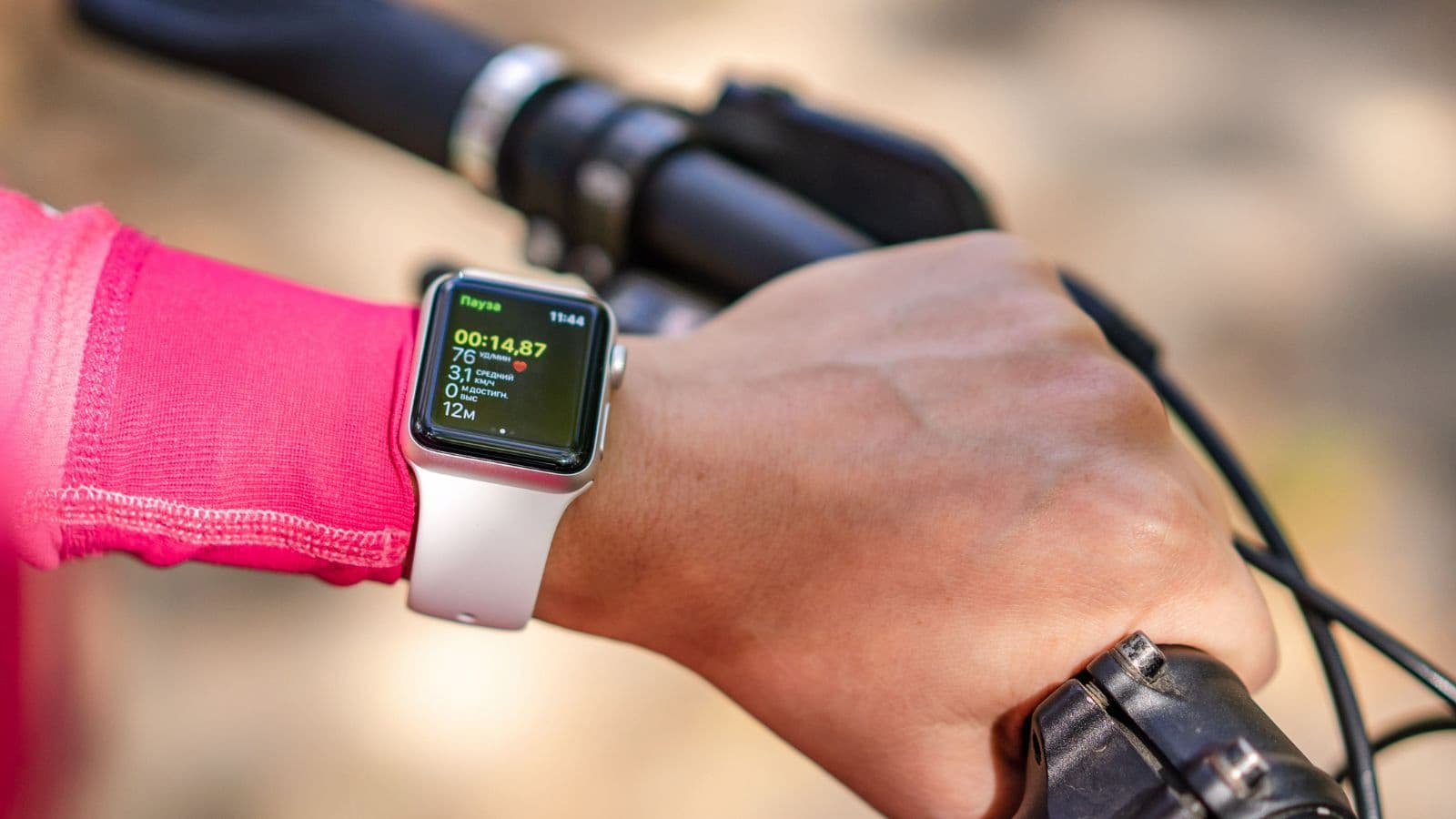


A high heart rate can limit long distance cycling performance when it reflects an effort that is too demanding to sustain. Riding at an unnecessarily high intensity may increase fatigue, accelerate carbohydrate use, and make it harder to maintain a consistent pace throughout a long ride. Heart rate is a useful indicator of how the cardiovascular system responds to exercise. It generally increases as cycling intensity rises, but it is also influenced by temperature, hydration, fatigue, stress, and individual fitness. Many cyclists become concerned when their heart rate climbs during a long ride, particularly when their speed or power remains unchanged. Understanding why heart rate rises can help cyclists manage effort more effectively. By improving aerobic endurance, pacing appropriately, and accounting for environmental conditions, riders can reduce unnecessary fatigue and maintain more consistent long distance performance.

In Short
- A high heart rate can indicate excessive cycling intensity.
- Heart rate varies considerably between individuals.
- Heat, dehydration, and fatigue can elevate heart rate.
- Heart rate often rises during prolonged exercise.
- Poor pacing can increase fatigue early in a ride.
- Aerobic training improves endurance capacity.
- Heart rate zones can help guide training intensity.
- Nutrition and hydration support sustained performance.
- Power and perceived effort provide useful additional information.
- Unusual heart rate responses may require medical assessment.
Understanding Heart Rate During Long Distance Cycling
Heart rate measures the number of times the heart beats per minute. During cycling, heart rate generally increases as the body requires more oxygen to support working muscles. At lower intensities, cyclists can usually maintain a comfortable effort for extended periods. As intensity increases, breathing becomes harder and the body relies more heavily on carbohydrate metabolism.
Important factors affecting heart rate include:
- Exercise intensity.
- Aerobic fitness.
- Age and individual physiology.
- Temperature and humidity.
- Hydration status.
- Accumulated fatigue.
- Stress and sleep.
- Medication and stimulant use.
Understanding how can heart rate zones improve cycling speed and fitness can help cyclists recognize how different training intensities influence endurance development. Heart rate should be interpreted relative to the individual rather than compared directly with other cyclists.
Why a High Heart Rate Can Reduce Endurance Performance?
A high heart rate does not directly cause poor cycling performance in every situation. However, when it reflects an unsustainably high workload, it may indicate that the cyclist is using energy faster than planned.
Potential consequences include:
- Earlier muscular fatigue.
- Greater carbohydrate demand.
- Increased breathing effort.
- Difficulty maintaining steady power.
- Reduced ability to respond to climbs.
- Greater perceived exertion.
- More challenging recovery after the ride.
For example, a cyclist who rides too hard during the first hour of a four hour session may struggle to maintain the same effort later. Understanding how to pace a long cycling ride properly can help riders distribute effort more effectively. The goal is not necessarily to keep heart rate as low as possible, but to maintain an intensity appropriate for the planned duration.
What Causes Heart Rate to Rise During Long Rides?
Heart rate can increase for several reasons, even when cycling speed remains relatively steady.
Excessive Early Effort
Starting too quickly may elevate heart rate before the rider has settled into a sustainable rhythm.
Heat and Humidity
Warm conditions increase the cardiovascular demands of exercise because blood circulation also supports body temperature regulation.
Dehydration
Fluid losses can reduce circulating blood volume, potentially increasing heart rate at a given workload.
Accumulated Fatigue
Previous training sessions, poor sleep, or insufficient recovery can affect cardiovascular responses.
Caffeine and Stress
Stimulants, anxiety, and emotional stress may increase heart rate in some cyclists.
Illness
An unusually elevated heart rate can sometimes occur when the body is fighting an infection.
Identifying the likely cause is more useful than automatically trying to reduce heart rate by a specific number.
Understanding Cardiac Drift
Cardiac drift describes a gradual increase in heart rate during prolonged exercise despite a relatively stable external workload. For example, a cyclist may maintain the same power output for two hours while heart rate gradually rises.
This can occur because of:
- Increasing body temperature.
- Fluid losses.
- Cardiovascular adjustments.
- Prolonged exercise duration.
- Environmental conditions.
Cardiac drift is a normal physiological response to sustained exercise, although its magnitude varies. A small increase does not necessarily indicate a problem. However, substantial drift accompanied by increasing fatigue may suggest that the effort, conditions, or hydration strategy need adjustment.
Use Heart Rate Zones to Control Intensity
Heart rate zones divide exercise intensity into ranges based on an individual’s physiological response. They can help cyclists avoid riding too hard during sessions intended to develop aerobic endurance.
A common five-zone framework includes:
| Zone | General intensity | Training purpose |
|---|---|---|
| Zone 1 | Very easy | Recovery |
| Zone 2 | Easy aerobic | Endurance development |
| Zone 3 | Moderate | Sustained aerobic work |
| Zone 4 | Hard | Threshold-focused training |
| Zone 5 | Very hard | High-intensity efforts |
Zone boundaries vary depending on the system used and how they are calculated. Understanding what is zone 2 cycling can help riders recognize why comfortable aerobic sessions are important for long distance performance. Heart rate zones based only on age-predicted maximum heart rate may be inaccurate for some individuals. More personalized training zones can be developed using appropriate testing and training observations.
Build a Stronger Aerobic Base
Aerobic endurance allows cyclists to sustain moderate workloads for longer periods. Consistent aerobic training can improve the body’s ability to deliver and use oxygen during exercise.
Potential adaptations include:
- Improved cardiovascular efficiency.
- Greater aerobic capacity.
- Better muscular endurance.
- Increased ability to sustain steady effort.
- Improved use of fat as a fuel source at suitable intensities.
- Greater tolerance for prolonged exercise.
Understanding how to build endurance for long cycling races can help cyclists develop a structured approach to increasing stamina. Most endurance training should be manageable enough to recover from consistently. Hard workouts remain useful, but they should complement rather than replace regular aerobic riding.
Avoid Starting Long Rides Too Fast
Poor pacing is a common reason cyclists experience unnecessary fatigue. Fresh legs can make the opening stages of a long ride feel easier than the effort actually is. Starting too aggressively may increase carbohydrate use and make later sections more demanding.
A practical pacing strategy includes:
- Begin at a comfortable intensity.
- Allow heart rate to rise gradually.
- Avoid unnecessary accelerations.
- Shift into easier gears on climbs.
- Monitor breathing and perceived effort.
- Save harder efforts for appropriate sections.
Understanding how to increase average cycling speed can help riders recognize that better pacing and endurance are often more useful than repeated early accelerations. On longer rides, maintaining a sustainable effort is usually more important than achieving the highest possible speed during the first hour.
Manage Hydration During Long Rides
Hydration can influence heart rate, perceived effort, and overall cycling performance. Sweating helps regulate body temperature but also causes fluid and electrolyte losses. When fluid losses become substantial, cardiovascular strain may increase.
Useful hydration practices include:
- Begin rides adequately hydrated.
- Carry sufficient fluids.
- Drink regularly according to conditions and thirst.
- Adjust intake for heat and humidity.
- Consider sodium intake during prolonged sweaty rides.
- Avoid excessive fluid consumption.
Understanding hydration strategy for cycling can help riders develop a practical drinking plan. Fluid requirements vary between individuals, so there is no single hourly amount suitable for every cyclist. Drinking beyond the body’s needs can also be dangerous because it may contribute to exercise-associated hyponatremia.
Fuel Properly to Maintain Performance
Insufficient carbohydrate intake can make prolonged cycling feel increasingly difficult. Although inadequate fueling does not always directly cause a high heart rate, it can increase perceived exertion and reduce the ability to maintain power.
Useful fueling habits include:
- Eat appropriately before long rides.
- Begin fueling early.
- Consume carbohydrates regularly.
- Use familiar foods or sports nutrition.
- Practice fueling during training.
- Adjust intake to ride duration and intensity.
Many cyclists benefit from approximately 30 – 60 grams of carbohydrate per hour during prolonged exercise. For longer or more demanding sessions, trained athletes may use approximately 60 – 90 grams per hour, depending on tolerance and preparation. Understanding what to eat during long rides can help cyclists choose practical fueling options. Adequate carbohydrate availability supports endurance performance, but it does not eliminate the need for sensible pacing.
Adjust Effort in Hot Weather
Heat can increase heart rate even when cycling power remains unchanged. The body directs more blood toward the skin to help release heat, increasing cardiovascular demands.
Useful strategies include:
- Reduce intensity when necessary.
- Ride during cooler parts of the day.
- Wear suitable clothing.
- Carry adequate fluids.
- Use shaded routes when possible.
- Take breaks during extreme conditions.
- Allow time for gradual heat acclimatization.
Understanding how much should you drink per hour when cycling in hot weather can help riders consider how temperature influences fluid requirements. Cyclists should not attempt to maintain normal cool weather power targets regardless of heat stress. If symptoms of heat illness develop, stop exercising and seek appropriate assistance.
Balance Training Intensity and Recovery
An unusually high heart rate during familiar workouts may sometimes indicate inadequate recovery. However, fatigue can also produce a lower-than-expected heart rate response, so heart rate alone is not a reliable measure of overtraining.
Other warning signs include:
- Persistent tiredness.
- Declining performance.
- Poor sleep.
- Increased irritability.
- Unusual muscle soreness.
- Reduced motivation.
- Difficulty completing normal sessions.
Understanding how to know if you are overtraining in cycling can help cyclists recognize patterns that suggest excessive training stress. Recovery should include adequate sleep, nutrition, and appropriately scheduled easier sessions. Avoid responding to every disappointing workout by increasing training intensity.
Heart Rate vs Power and Perceived Effort
Heart rate is useful, but it does not provide a complete picture of cycling intensity. Power meters measure the mechanical work produced, while perceived exertion reflects how demanding the effort feels.
| Metric | Main advantage | Limitation |
|---|---|---|
| Heart rate | Shows cardiovascular response | Influenced by heat, fatigue, and other factors |
| Power | Measures cycling workload directly | Does not show internal physiological strain |
| Perceived exertion | Reflects overall effort | Requires experience and self-awareness |
Using multiple indicators can provide a more balanced understanding of training intensity. Understanding why power meter training is important for cyclists can help riders recognize how power data complements heart rate information. Cyclists without power meters can still manage long rides effectively using heart rate, breathing, and perceived effort.
When a High Heart Rate Needs Medical Attention?
An elevated heart rate during exercise is not automatically dangerous. However, an unexpectedly high or irregular heart rate may sometimes indicate a medical issue.
Seek medical assessment if you experience:
- Repeated unexplained heart rate spikes.
- Unusual palpitations.
- A persistent change from your normal exercise response.
- Unexplained breathlessness.
- Dizziness during exercise.
- A noticeable decline in exercise tolerance.
Stop exercising and seek emergency medical assistance for chest pain, fainting, severe breathlessness, or concerning symptoms associated with a rapid or irregular heartbeat. Do not attempt to train through these symptoms.
Common Mistakes
- Comparing heart rates with other cyclists.
- Starting long rides too aggressively.
- Ignoring heat and humidity.
- Training hard during every session.
- Using inaccurate heart rate zones.
- Neglecting fueling and hydration.
- Relying only on heart rate data.
- Ignoring unusual cardiovascular symptoms.
Practical Tips
- Establish individual heart rate zones.
- Start long rides conservatively.
- Build aerobic endurance gradually.
- Monitor perceived exertion.
- Fuel consistently during long sessions.
- Adjust intensity in hot weather.
- Prioritize recovery.
- Investigate unusual heart rate changes.
Actionable Takeaways
- Use heart rate to guide sustainable effort.
- Avoid unnecessary intensity early in long rides.
- Improve endurance through consistent aerobic training.
- Support performance with fueling and hydration.
- Seek medical advice for unexplained symptoms.
FAQs
Yes. When a high heart rate reflects an unsustainable workload, it may indicate that the cyclist is using energy too quickly and accumulating fatigue.
There is no universal normal value. Heart rate depends on age, fitness, individual physiology, exercise intensity, and environmental conditions.
Heart rate may rise because of cardiac drift, heat, dehydration, accumulated fatigue, or changes in exercise intensity.
For easy endurance rides, maintaining a controlled aerobic effort is generally appropriate. However, the ideal intensity depends on the workout and training goals.
Consistent aerobic training may allow cyclists to produce the same power at a lower heart rate over time, although individual responses vary.
Yes. Significant fluid losses can increase cardiovascular strain and contribute to a higher heart rate at a given workload.
Not necessarily. Heart rate varies naturally between individuals and can be influenced by genetics, temperature, stress, medication, and exercise intensity.
Both provide useful information. Power measures external workload, while heart rate reflects the body’s cardiovascular response.