Cyclists have more training data available than ever before. From power meters and GPS computers to cadence sensors and recovery apps, riders can track almost every aspect of their performance. Yet one of the most valuable training tools remains surprisingly simple: heart rate. Heart rate training has been used by endurance athletes for decades because it provides insight into how hard the body is actually working. Rather than relying solely on speed or distance, heart rate zones help cyclists train at the right intensity for the desired adaptation.
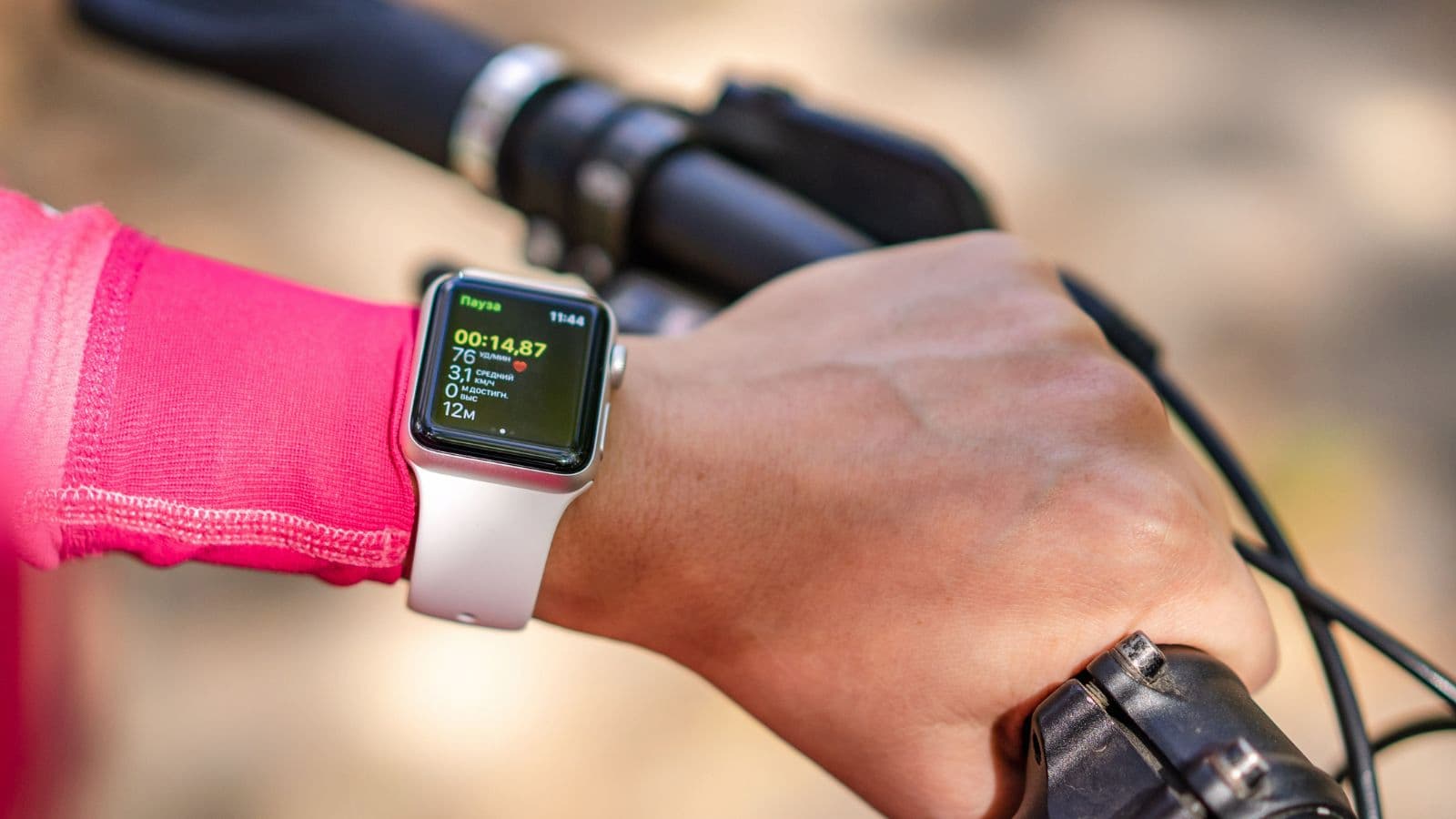
Whether your goal is riding faster, climbing stronger, improving endurance, or increasing overall fitness, understanding heart rate zones can make your training more effective and efficient.
What Are Heart Rate Zones?
Heart rate zones are training intensity ranges based on a percentage of your maximum heart rate or threshold heart rate. Each zone represents a different level of effort and produces different physiological adaptations.
Most cycling systems use five or six zones ranging from:
- Very easy recovery efforts
- Moderate endurance riding
- High-intensity intervals
- Maximum efforts
Athletes who understand cycling consistency and training for long consecutive days know that training becomes more productive when each ride has a clear purpose rather than simply riding hard every day. Heart rate zones help provide that structure.
Why Heart Rate Matters?
Speed alone does not tell the full story.
For example:
- Headwinds can reduce speed
- Climbs can slow pace
- Weather can affect performance
- Road conditions can vary
Heart rate measures the body’s response to the workload rather than the external result. This makes it a useful guide for understanding training intensity across different conditions.
Zone 1: Recovery and Adaptation
The lowest heart rate zone is used for:
- Recovery rides
- Easy spinning
- Active recovery
These sessions help:
- Increase circulation
- Reduce fatigue
- Promote recovery
Cyclists who understand how to train smarter and ride stronger know that recovery is not time wasted—it is where many training adaptations occur. Easy rides support long-term progress.
Zone 2: Building Endurance
Zone 2 has become one of the most discussed areas of endurance training.
This zone develops:
- Aerobic fitness
- Fat metabolism
- Endurance capacity
- Recovery efficiency
Many professional cyclists spend a significant portion of their training in this range. Athletes who understand strength training to improve performance often discover that regular aerobic work forms the foundation of long-term performance. Zone 2 builds the engine.
Zone 3: Sustainable Tempo Efforts
Zone 3 represents a moderate but sustainable effort.
It can help improve:
- Muscular endurance
- Sustainable speed
- Aerobic efficiency
However, spending too much time here without purpose can sometimes create unnecessary fatigue. The key is using every zone strategically.
Zone 4: Threshold Development
Threshold training targets the intensity that cyclists can sustain for extended periods.
Training in this zone helps improve:
- Sustainable power
- Time-trial performance
- Climbing ability
- Race pace fitness
Athletes who understand how to improve lactate threshold for cycling often use heart rate zones to ensure threshold sessions are performed at the correct intensity. These workouts can produce substantial fitness gains.
Zone 5: High-Intensity Performance
The highest training zones challenge:
- Aerobic capacity
- VO2 max
- Speed
- Power production
These efforts are demanding and require adequate recovery. Athletes who understand how does sweet spot training help cycling often use high-intensity intervals strategically to maximise fitness improvements while avoiding unnecessary fatigue. Intensity should have a purpose.
Preventing the “Every Ride Hard” Mistake
One of the biggest mistakes cyclists make is riding at the same moderate-hard intensity every day.
This often leads to:
- Stalled progress
- Poor recovery
- Excess fatigue
Heart rate zones help prevent this by encouraging riders to:
- Ride easy when necessary
- Train hard when appropriate
- Match effort to goals
Better intensity control often leads to better results.
Heart Rate Helps Manage Fatigue
Heart rate can also provide clues about recovery status.
For example:
- Unusually high heart rates may indicate fatigue
- Suppressed heart rates can sometimes suggest incomplete recovery
- Elevated resting heart rate may signal illness or stress
Athletes who understand increasing cycling FTP often appreciate that managing workload effectively is one of the best ways to reduce injury risk. Fatigue management matters.
Improving Speed Through Smarter Training
Many cyclists assume speed only improves through harder riding.
In reality, speed often improves because:
- Aerobic fitness increases
- Recovery improves
- Threshold rises
- Efficiency develops
Heart rate zones help target each of these adaptations. Over time, riders often find they can maintain higher speeds at lower heart rates.
Heart Rate and Long Climbs
Heart rate monitoring can be particularly useful during climbs.
Without guidance, many cyclists:
- Start too hard
- Exceed sustainable effort
- Fatigue prematurely
Heart rate provides a useful pacing tool that can help riders maintain consistent effort over longer ascents.
Combining Heart Rate and Power
While power meters provide excellent information, heart rate remains valuable.
Power shows:
- What work you’re producing
Heart rate shows:
- How your body is responding
Athletes who understand why power meter training for cyclists is important often combine both metrics to gain a more complete picture of performance. The two tools complement one another.
Endurance Sports Use Similar Principles
The benefits of heart rate-based training extend beyond cycling. Endurance athletes across disciplines use heart rate zones to manage intensity, improve aerobic fitness, and avoid overtraining. Understanding how to check your bike before every ride demonstrates how controlled intensity can support long-term endurance development regardless of the sport.
Common Heart Rate Training Mistakes
Many cyclists struggle because they:
- Ignore easy zones
- Train too hard too often
- Obsess over single heart rate readings
- Neglect recovery
- Use inaccurate heart rate data
- Fail to establish proper zones
- Compare heart rates with other riders
- Focus only on speed
Heart rate should guide training, not create stress.
How to Use Heart Rate Zones Effectively?
Cyclists can improve fitness and speed by:
- Establishing accurate zones
- Using Zone 2 for aerobic development
- Performing structured threshold sessions
- Including high-intensity intervals strategically
- Monitoring recovery
- Matching workouts to training goals
- Staying consistent
- Reviewing long-term trends
When used correctly, heart rate zones provide a simple and effective framework for building cycling fitness.
FAQs
Heart rate zones are intensity ranges based on percentages of your maximum or threshold heart rate.
Yes. Structured heart rate training helps develop the physiological systems that support faster riding.
Zone 2 is commonly used for building aerobic endurance.
No. Different zones serve different purposes and should be used strategically.
Heart rate often provides more useful information because it reflects internal workload rather than external conditions.
Factors such as fatigue, temperature, hydration, and stress can all influence heart rate.
Absolutely. Many cyclists successfully train using heart rate alone.
It helps cyclists train at the right intensity to achieve specific fitness adaptations.