
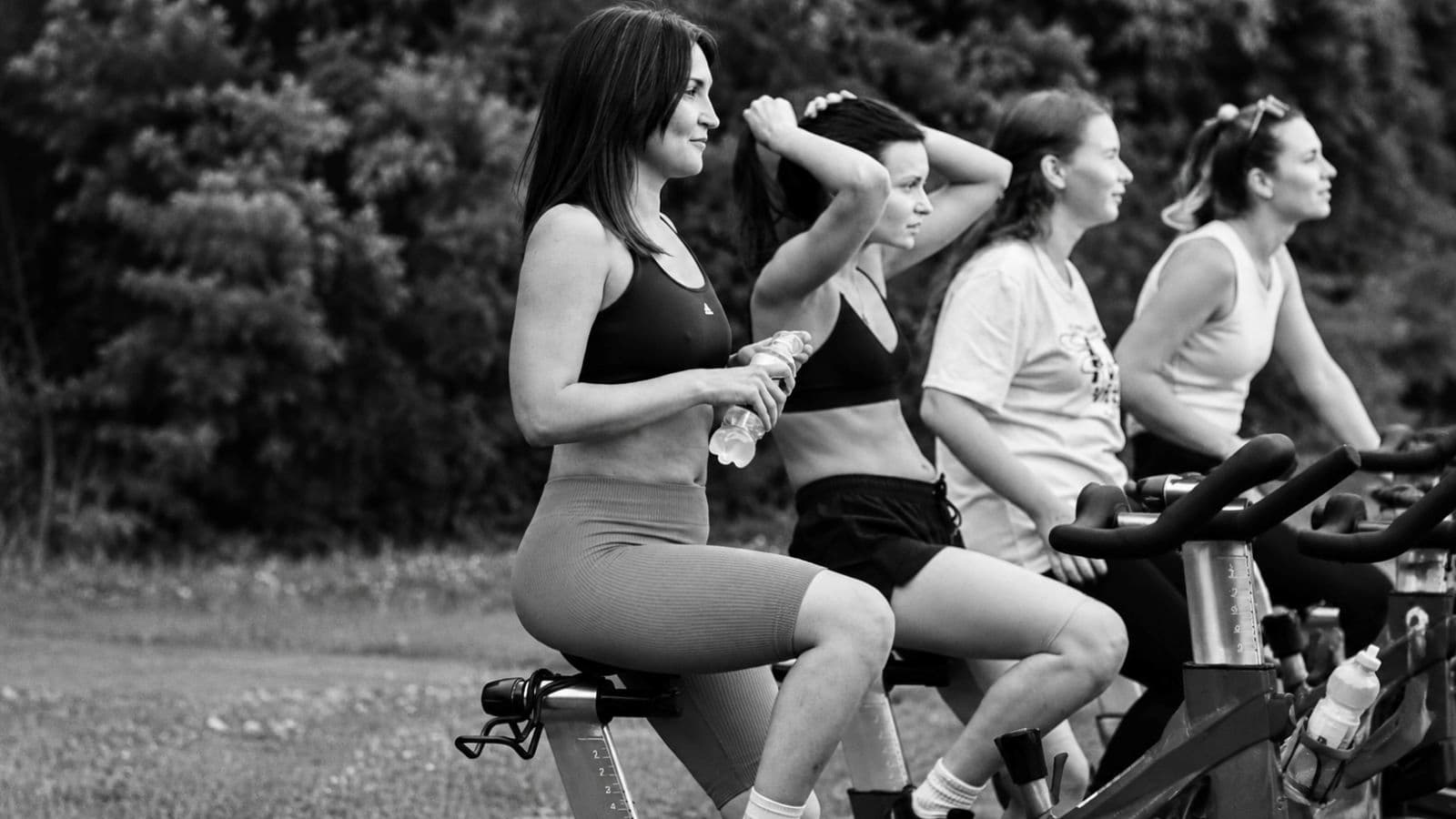


Female cyclists can reduce pelvic pain and numbness by improving saddle fit, adjusting their riding position, managing pressure on sensitive tissues, and wearing suitable cycling clothing. These changes can make longer rides more comfortable while reducing irritation around the vulva, perineum, and surrounding structures. Although cycling is generally a low impact activity, spending extended periods on a saddle can create concentrated pressure on soft tissues. For women, this pressure may affect the labia, vulvar tissues, and nerves around the pelvic region, particularly when the riding position places excessive weight toward the front of the saddle. Many cyclists assume that saddle discomfort is something they must tolerate while becoming accustomed to longer rides. However, persistent numbness, pain, or irritation should not be considered a normal part of cycling.
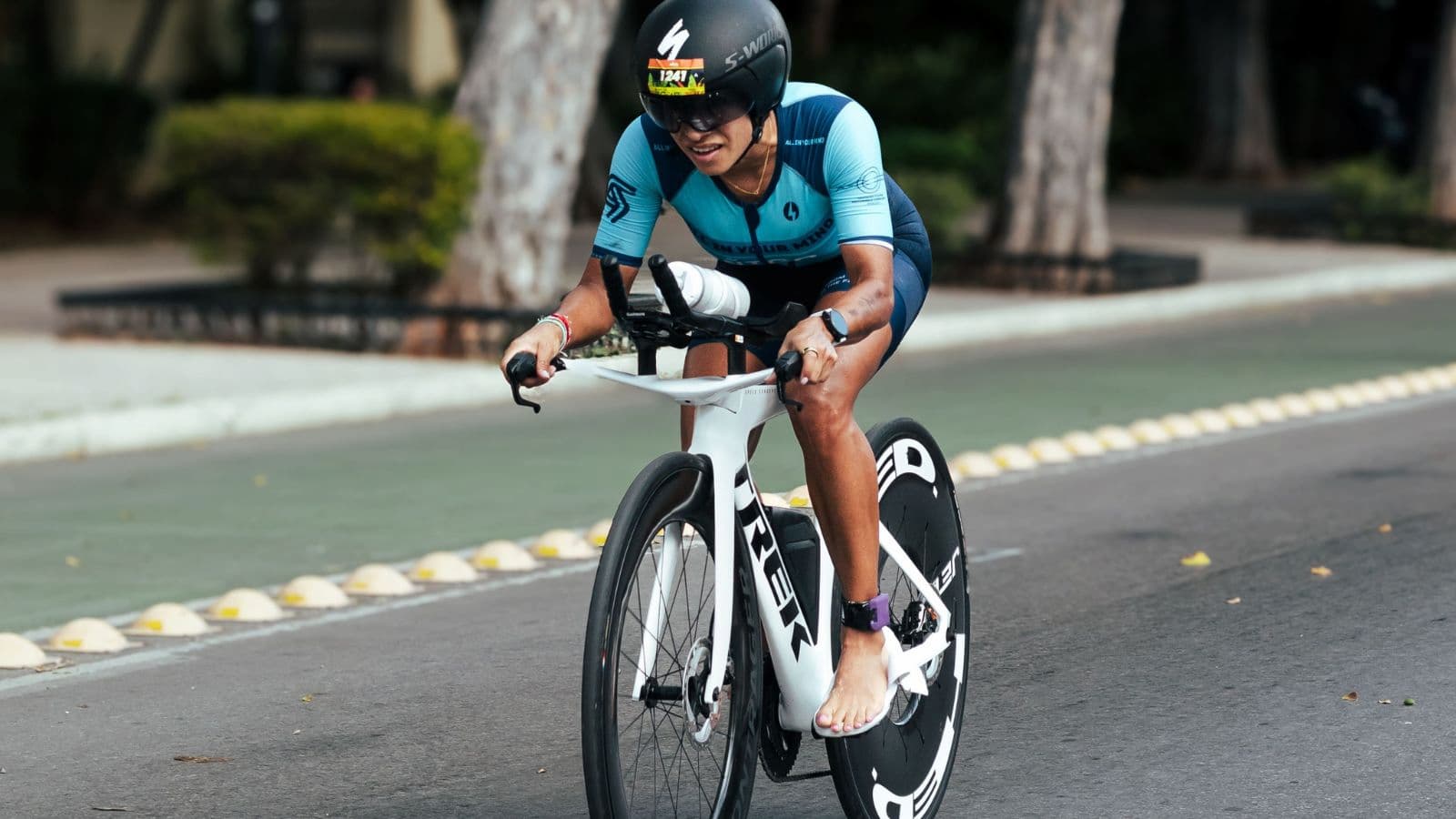
The most effective approach is to identify where discomfort occurs, review saddle design and bike fit, and make gradual adjustments. Recognizing early symptoms and seeking professional advice when necessary can help female cyclists ride more comfortably without ignoring potential health problems.
In Short
- Choose a saddle that supports your anatomy.
- Avoid excessive pressure on sensitive soft tissues.
- Check saddle height, tilt, and position.
- Maintain a comfortable handlebar reach.
- Wear well-fitting padded cycling shorts.
- Reduce friction and moisture buildup.
- Change riding position regularly.
- Increase ride duration gradually.
- Avoid riding through persistent numbness.
- Seek medical advice for recurring symptoms.
Understanding Pelvic Pain and Numbness in Female Cyclists
Pelvic discomfort during cycling can involve several different structures. The location and type of symptoms may provide clues about the underlying problem.
Common symptoms include:
- Vulvar pain: Discomfort around the external genital tissues.
- Labial irritation: Pressure, swelling, or friction affecting the labia.
- Perineal numbness: Reduced sensation between the external genital area and anus.
- Pubic discomfort: Pressure or pain near the front of the pelvis.
- Saddle sores: Skin irritation, chafing, or inflamed bumps.
- Deep pelvic pain: Discomfort that may involve muscles, joints, or other pelvic structures.
Numbness can occur when pressure affects nerves or blood vessels supplying the area. However, pelvic pain has several possible causes, and not every symptom originates from saddle pressure. Understanding how to stop hand numbness and saddle discomfort on long rides can help cyclists recognize how prolonged pressure affects different parts of the body.
Why Saddle Pressure Causes Discomfort?
A bicycle saddle supports part of the rider’s body weight through the pelvis. Ideally, the saddle distributes pressure across areas that tolerate loading comfortably. However, pressure can become concentrated around sensitive tissues when the saddle shape or riding position does not suit the cyclist.
Common contributing factors include:
- An unsuitable saddle width.
- Excessive forward pelvic rotation.
- Incorrect saddle height.
- Excessive handlebar reach.
- Poor saddle positioning.
- Long periods without changing position.
- Increased riding duration.
- Friction from clothing or movement.
Female anatomy varies considerably, so there is no single saddle design that works for every woman. A saddle that feels comfortable for one cyclist may create pressure or irritation for another.
Choose a Saddle That Supports Your Anatomy
Saddle selection is one of the most important considerations when managing pelvic discomfort. Women may benefit from saddles designed to accommodate differences in pelvic shape and soft tissue sensitivity, but a women-specific label does not guarantee a suitable fit.
Important saddle characteristics include:
- Appropriate width.
- Suitable curvature.
- Comfortable nose shape.
- Pressure distribution.
- Appropriate firmness.
- Compatibility with riding position.
A saddle should support the pelvis without concentrating excessive pressure on the vulva or perineum. Understanding what are stack and reach in cycling bike fit can help cyclists recognize how bicycle geometry influences weight distribution between the saddle and handlebars. Saddle selection should consider the entire riding position rather than width alone.
Consider Cutout and Pressure Relief Saddles
Some bicycle saddles include central cutouts or recessed channels intended to reduce pressure on sensitive tissues. These designs may improve comfort for certain female cyclists, particularly when pressure is concentrated toward the center of the saddle. However, cutouts do not work equally well for everyone.
Potential considerations include:
- Whether the cutout matches the rider’s anatomy.
- Pressure around the edges of the opening.
- Saddle width and shape.
- Pelvic rotation during riding.
- The cyclist’s preferred riding position.
Some riders find that a suitable cutout reduces discomfort, while others experience increased pressure around its edges. Trying different saddle designs may be more useful than assuming that the largest cutout provides the greatest relief.
Adjust Saddle Height and Position
Incorrect saddle positioning can contribute to excessive movement, pressure, and discomfort. A saddle that is too high may encourage the pelvis to rock from side to side, increasing friction. A saddle that is too low can alter pedaling mechanics and change how the body is supported.
Important adjustments include:
- Saddle height.
- Fore-aft position.
- Saddle tilt.
- Saddle width and shape.
- Relationship between saddle and handlebars.
Begin with small adjustments and evaluate comfort over several rides. Avoid dramatically tilting the saddle downward to relieve genital pressure because this may cause the cyclist to slide forward and place excessive weight on the hands. Understanding what you should check on your bike before every ride can help cyclists maintain a consistent and secure bike setup. If discomfort persists, a professional bike fitter with experience addressing female saddle pressure may be helpful.
Reduce Excessive Forward Pelvic Pressure
Aggressive riding positions can increase pressure toward the front of the saddle. This may become more noticeable when cyclists use low handlebars, long reaches, or sustained aerodynamic positions.
Possible improvements include:
- Raising the handlebars when appropriate.
- Shortening excessive reach.
- Choosing a suitable saddle shape.
- Maintaining relaxed shoulders.
- Avoiding unnecessary forward sliding.
- Changing position during long rides.
Understanding how to get faster at cycling can help riders recognize that aerodynamics is only one part of cycling performance. A slightly less aggressive position may improve comfort and allow more consistent training. Riding position should support sustainable power without creating persistent genital numbness.
Wear Properly Fitted Cycling Shorts
Cycling shorts can help reduce friction and improve comfort during longer rides. The padded insert, commonly called a chamois, creates a protective layer between the rider and saddle.
Useful features include:
- A comfortable women-specific or anatomically suitable chamois.
- Smooth seams.
- Secure fit without bunching.
- Moisture-managing fabric.
- Appropriate padding placement.
- Minimal unnecessary movement.
Cycling shorts are generally designed to be worn without underwear because additional seams and fabric may increase friction. However, shorts alone cannot correct excessive saddle pressure or an unsuitable riding position.
Prevent Chafing and Saddle Sores
Pelvic discomfort does not always result from nerve compression. Friction, moisture, and repeated skin irritation can also create painful symptoms.
Common contributing factors include:
- Damp cycling clothing.
- Poorly fitted shorts.
- Repeated rubbing.
- Long periods in the saddle.
- Inadequate skin recovery.
- Excessive pressure on specific areas.
Useful prevention habits include:
- Changing out of sweaty clothing after rides.
- Washing cycling shorts after use.
- Keeping the skin clean and dry.
- Using a suitable chamois cream when helpful.
- Avoiding fragranced products that irritate sensitive skin.
- Allowing irritated skin to recover.
Do not apply irritating products to vulvar tissues or broken skin. Painful, swollen, draining, or repeatedly recurring lesions may require medical assessment.
Change Riding Position Regularly
Remaining in one position for a long time can increase sustained pressure on the same tissues. Small position changes may help redistribute loading.
Practical strategies include:
- Standing briefly on safe sections of road.
- Adjusting hand positions.
- Taking short breaks during long rides.
- Relaxing unnecessary upper body tension.
- Avoiding prolonged pressure on the saddle nose.
Understanding how to develop a smoother pedal stroke in cycling can help cyclists focus on controlled movement rather than excessive rocking or tension. However, position changes are not a substitute for correcting a saddle or bike fit problem. If numbness develops repeatedly, stop and address the cause rather than simply waiting for sensation to return.
Increase Cycling Duration Gradually
Suddenly increasing riding time can expose sensitive tissues to more pressure and friction than they are accustomed to. This is particularly relevant for beginners or cyclists returning after a long break.
A gradual progression includes:
- Beginning with manageable ride durations.
- Allowing recovery between longer rides.
- Monitoring skin irritation.
- Adjusting equipment before increasing distance.
- Avoiding repeated long rides when symptoms persist.
Understanding how to increase cycling volume without the risk of injury can help cyclists develop a sustainable training routine. Gradual progression may improve tolerance, but persistent numbness should never be treated as something the body simply needs to adapt to.
Consider Pelvic Floor and Muscular Factors
Not all pelvic pain comes directly from the saddle. Some cyclists experience discomfort related to pelvic floor muscle tension, hip problems, or other musculoskeletal conditions.
Possible symptoms include:
- Deep pelvic aching.
- Pain that continues after cycling.
- Discomfort with prolonged sitting.
- Pelvic muscle tightness.
- Pain associated with other daily activities.
A pelvic health physical therapist may help assess whether muscular factors contribute to symptoms. Understanding what is a simple 10-minute mobility routine for cyclists can help riders include gentle movement around their training. However, stretching alone is not an appropriate treatment for every pelvic pain condition.
Recognize When Numbness Requires Medical Attention
Temporary pressure related changes in sensation can occur during cycling, but recurring genital numbness should not be ignored. Numbness may indicate irritation or compression affecting nerves or blood vessels.
Stop riding and seek professional evaluation if symptoms:
- Return repeatedly.
- Continue after cycling.
- Become more intense.
- Affect normal sensation.
- Occur alongside persistent pelvic pain.
- Interfere with daily activities.
Sudden genital or saddle-area numbness accompanied by new bladder or bowel dysfunction, leg weakness, or severe back pain requires emergency medical assessment. A healthcare professional can help distinguish cycling related pressure problems from other conditions requiring treatment.
Balance Comfort With Cycling Performance
Some cyclists tolerate discomfort because they believe an aggressive riding position is necessary for speed. However, a position that repeatedly causes pain or numbness can make consistent training difficult.
Performance depends on several factors, including:
- Aerobic fitness.
- Sustainable power.
- Riding technique.
- Equipment setup.
- Recovery.
- Training consistency.
Understanding how to train smarter and ride stronger can help cyclists prioritize long-term progress rather than short-term performance gains at the expense of comfort. A comfortable, sustainable riding position may be more useful than an aggressive setup that limits training.
Common Mistakes
- Ignoring recurring genital numbness.
- Choosing saddles based only on appearance.
- Using excessive saddle tilt.
- Wearing poorly fitted cycling shorts.
- Increasing ride duration too quickly.
- Remaining in one position for long periods.
- Riding through painful saddle sores.
- Assuming all pelvic pain is caused by bike fit.
Practical Tips
- Identify the exact location of discomfort.
- Test suitable saddle shapes.
- Make small bike fit adjustments.
- Wear clean, well-fitting cycling shorts.
- Reduce unnecessary friction.
- Change riding position regularly.
- Increase training duration gradually.
- Seek professional advice for persistent symptoms.
Actionable Takeaways
- Prioritize pressure distribution and comfort.
- Choose a saddle that suits your anatomy.
- Review saddle and handlebar positioning.
- Avoid riding through numbness.
- Get persistent pelvic symptoms assessed.
FAQs
Pelvic numbness may occur when sustained saddle pressure affects nerves or blood vessels supplying the vulvar and perineal region.
There is no universally best saddle. Suitable width, shape, pressure distribution, and compatibility with riding position are more important than a specific brand or design.
Cutout saddles may reduce pressure for some cyclists, but their effectiveness depends on anatomy, saddle design, and riding position.
Yes. An unsuitable saddle height may contribute to pelvic movement, friction, or changes in pressure distribution.
A small adjustment may help in some cases, but excessive downward tilt can cause sliding and increase pressure on the hands and shoulders.
They are not essential for every ride, but properly fitted padded shorts can improve comfort and reduce friction during longer cycling sessions.
Cycling-related pressure and muscular factors may contribute to pelvic symptoms in some individuals, but pelvic floor problems have multiple possible causes.
Wear clean, properly fitted shorts, reduce friction, manage moisture, use suitable skin care, and address excessive saddle pressure.