When cyclists discuss bike fit, terms such as saddle height, stem length, and handlebar position are commonly mentioned. However, two of the most important measurements in modern bike fitting are stack and reach. These measurements help describe the size and geometry of a bicycle frame in a way that is more useful than traditional frame sizing alone. Understanding stack and reach can help cyclists choose the right bike, compare different models, and achieve a more comfortable and efficient riding position.
Whether you’re buying a new bike or refining your fit, stack and reach are essential concepts to understand.
What Is Stack?
Stack is the vertical distance between:
- The center of the bottom bracket
- The top center of the head tube
In simple terms, stack tells you how tall the front end of the bike is. A bike with a larger stack measurement generally places the handlebars higher relative to the pedals.
Higher stack often provides:
- A more upright riding position
- Increased comfort
- Reduced strain on the back and neck
What Is Reach?
Reach is the horizontal distance between:
- The center of the bottom bracket
- The top center of the head tube
Reach describes how long a bike feels from front to back.
A longer reach generally creates:
- A more stretched position
- Increased aerodynamic potential
- Greater weight distribution over the front wheel
A shorter reach often promotes a more relaxed riding posture.
Why Stack and Reach Matter More Than Frame Size?
Traditional frame sizes such as:
- Small
- Medium
- Large
- 54cm
- 56cm
can vary significantly between manufacturers. Two bikes labeled as the same size may fit very differently. Cyclists who understand common gear mistakes every cyclist should avoid know that relying solely on size labels can sometimes lead to poor equipment decisions. Stack and reach provide more objective measurements.
Stack Influences Comfort
One reason endurance bikes often feel more comfortable than race bikes is their stack measurement.
Higher stack can:
- Reduce lower-back strain
- Improve comfort on long rides
- Create a less aggressive position
Cyclists who spend many hours in the saddle often prioritize comfort over maximum aerodynamics.
Reach Influences Riding Position
Reach plays a major role in determining:
- Handlebar distance
- Upper-body posture
- Weight distribution
Excessive reach may contribute to:
- Shoulder discomfort
- Neck tension
- Lower-back fatigue
Too little reach can make the cockpit feel cramped. Finding the right balance is important.
Race Bikes Typically Have Lower Stack and Longer Reach
Performance-oriented road bikes are often designed with:
- Lower stack
- Longer reach
This creates:
- Aerodynamic positioning
- Aggressive posture
- Efficient power transfer
However, such positions may not be ideal for every rider.
Endurance Bikes Usually Have Higher Stack
Endurance-focused bicycles often feature:
- Increased stack
- Slightly shorter reach
These designs promote:
- Comfort
- Stability
- Long-distance sustainability
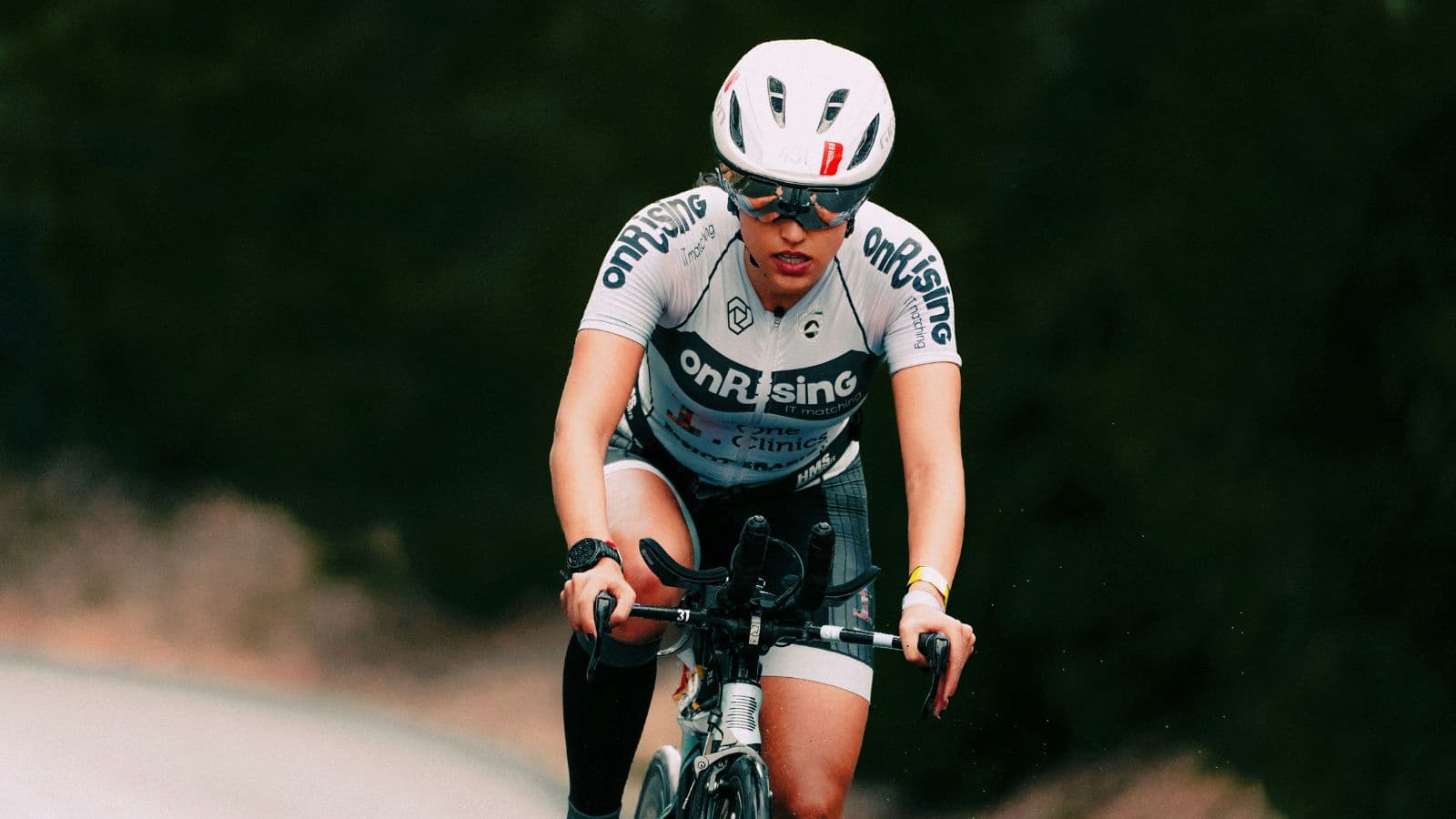
Cyclists who understand how to train smarter and ride stronger know that sustainable comfort often improves performance over longer distances.
Stack and Reach Affect Weight Distribution
Bike handling is influenced by rider position.
Stack and reach affect:
- Front wheel loading
- Cornering feel
- Stability
A balanced fit often improves confidence and control. Athletes looking to improve overall handling often combine proper fit with what cycling drills help improve bike technique to develop better bike control.
Flexibility Influences Ideal Measurements
Not every cyclist can comfortably ride the same position.
Factors include:
- Flexibility
- Mobility
- Injury history
- Riding goals
A position that works for a professional racer may not suit a recreational cyclist.
Stack and Reach Help Compare Bikes
One of the biggest advantages of stack and reach is the ability to compare different models objectively.
For example:
- Bike A may have higher stack
- Bike B may have longer reach
Even if both are marketed as the same frame size. This helps cyclists make more informed purchasing decisions.
Bike Fit Is More Than Stack and Reach
While important, stack and reach are only part of the picture.
Other factors include:
- Saddle height
- Stem length
- Crank length
- Handlebar width
- Cleat position
Cyclists who understand how to increase cycling volume without injury know that comfort issues often involve multiple fit variables rather than a single measurement.
Small Changes Can Make Big Differences
Even minor adjustments can alter effective stack and reach.
Examples include:
- Stem changes
- Spacer adjustments
- Handlebar selection
These modifications can significantly affect comfort and performance.
Aerodynamics vs Comfort
Many cyclists assume lower and longer is always faster. However, an aerodynamic position is only beneficial if it can be maintained.
An uncomfortable position may:
- Reduce power output
- Increase fatigue
- Create pain
Cyclists who understand how can heart rate zones improve cycling speed and fitness know that sustainable effort often matters more than theoretical gains.
Professional Bike Fits Use Stack and Reach
Many bike fitters rely heavily on stack and reach because they provide consistent frame comparisons.
These measurements help:
- Match riders to bicycles
- Replicate successful positions
- Evaluate fit changes
They’re among the most useful metrics available in modern bike fitting.
Buying a Bike Online
Stack and reach become particularly valuable when purchasing a bike online.
Instead of relying solely on:
- Size charts
- Marketing descriptions
cyclists can compare geometry directly with a bike they already ride comfortably.
Don’t Chase Someone Else’s Numbers
A common mistake is copying the fit of:
- Professional riders
- Friends
- Online influencers
Cyclists who understand what to check on bike before every ride know that practical cycling success often comes from solving your own needs rather than copying others. Fit should be individual.
Comfort Supports Consistency
The best bike position is often the one that allows:
- Regular riding
- Long-term comfort
- Injury-free training
Cyclists who understand why is consistency more important than intensity for cycling success know that sustainable training habits usually outperform short periods of discomfort-driven performance.
Common Stack and Reach Misconceptions
Many cyclists believe:
- Bigger frames are always better
- Lower positions are always faster
- Stack and reach determine everything
- Professional positions suit everyone
In reality, fit depends on individual circumstances.
How to Use Stack and Reach Effectively?
Cyclists can use stack and reach to:
- Compare bikes objectively
- Understand riding position
- Improve comfort
- Refine bike fit
- Select appropriate frame sizes
- Evaluate geometry differences
- Match bikes to riding goals
- Support long-term performance
Stack and reach are among the most valuable measurements in cycling bike fit. By understanding what they mean and how they affect riding position, cyclists can make smarter equipment choices and create a position that supports both comfort and performance.
FAQs
They help describe bike fit and geometry more accurately than traditional frame sizes.
Generally yes. Higher stack often raises handlebar position relative to the rider.
Yes. Longer reach typically increases the distance to the handlebars.
They provide more objective comparisons between different bikes.
Typically yes. They often feature higher stack and shorter reach than race bikes.
Partially. Stem length, spacers, and handlebars can influence effective fit.
Making better bike purchasing and bike-fit decisions based on objective measurements.