Mountain biking can look intimidating when you see experienced riders moving quickly over rocks, roots, steep descents, and narrow trails. Beginners do not need to start there. Your first rides should focus on control rather than speed. Choose simple trails, learn how your brakes and gears work, and become comfortable moving your body on the bike. Once those skills feel natural, you can gradually introduce steeper climbs, tighter corners, loose surfaces, and small obstacles.
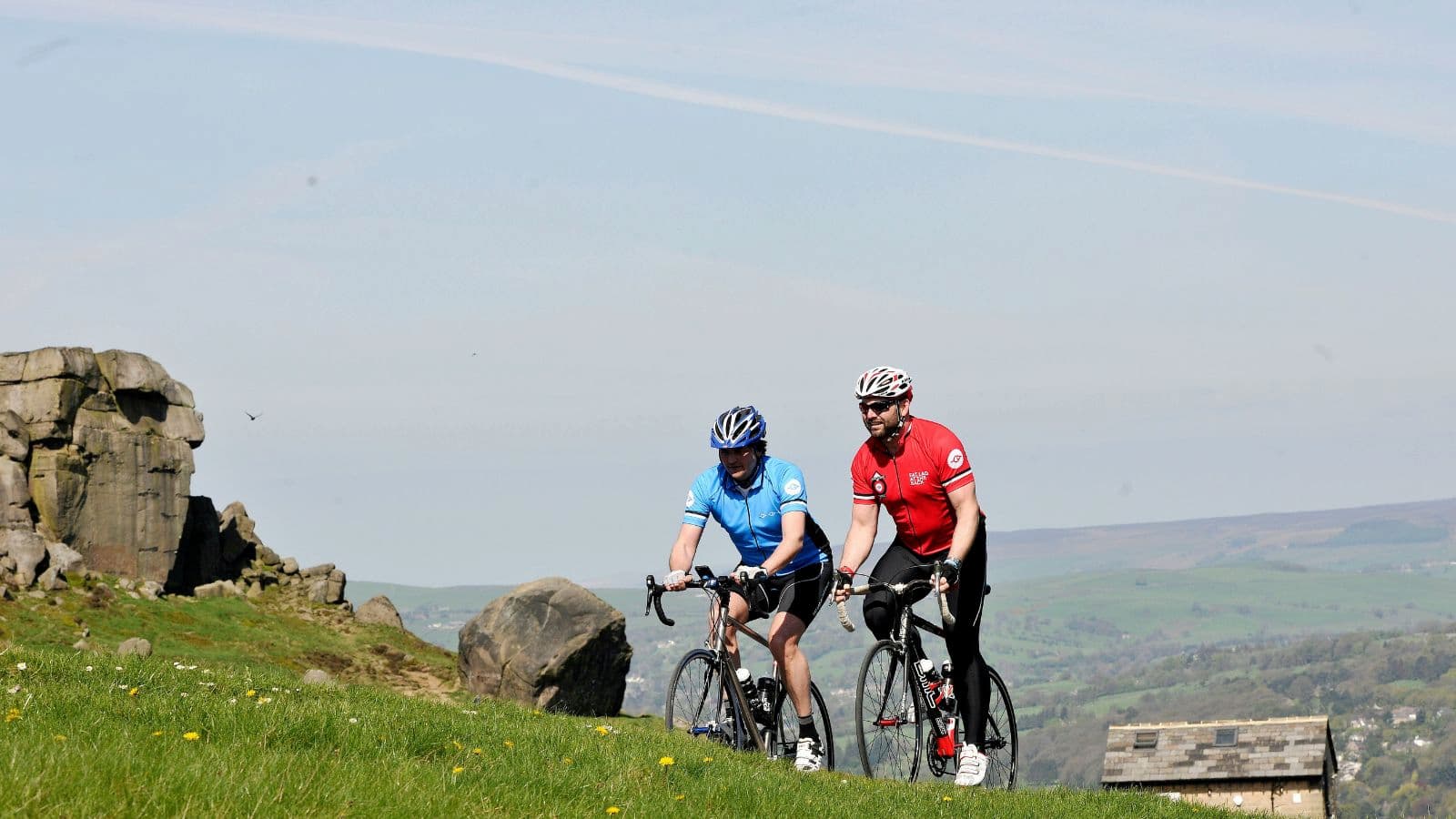
Fitness helps, but mountain biking is also highly technical. A strong road cyclist can still struggle on trails without basic handling skills. Progress comes from practicing simple movements repeatedly. Start on terrain where mistakes are manageable, ride within your ability, and increase difficulty only when you can consistently control the bike.
In Short
- Start on beginner-rated trails.
- Learn braking before increasing speed.
- Keep your eyes looking ahead.
- Use both brakes smoothly.
- Shift before steep climbs.
- Stay relaxed rather than gripping the handlebars tightly.
- Practice standing in a balanced position.
- Learn basic cornering on easy terrain.
- Walk sections that exceed your current ability.
- Increase technical difficulty gradually.
Choose the Right Mountain Bike
You do not need the most expensive mountain bike to begin. You need a bike that fits you, works correctly, and suits the trails you plan to ride.
Most beginners can start with either:
- A hardtail mountain bike with front suspension.
- A suitable full suspension mountain bike.
Hardtails are often simpler and can work well on less technical trails. Full suspension bikes provide suspension at both ends and can improve comfort and control on rougher terrain. Correct size matters more than buying advanced components. You should be able to reach the handlebars and controls comfortably while maintaining a stable riding position.
Check the Bike Before Riding
Trail riding places significant demands on tires, brakes, wheels, and other components.
Before leaving, check:
- Tire condition and pressure.
- Front and rear brakes.
- Wheel security.
- Chain condition.
- Gears.
- Suspension.
- Handlebar and controls.
- Pedals.
A quick inspection based on what you should check on your bike before every ride can identify simple mechanical problems before they become more serious on the trail. Carry basic repair equipment appropriate for your ride, including what you need to deal with a puncture.
Start on Easy Trails
Do not choose a difficult trail because experienced friends say you will be fine. Start with beginner friendly terrain.
Look for:
- Wide trails.
- Gentle gradients.
- Predictable surfaces.
- Few major obstacles.
- Good visibility.
- Short routes.
- Easy exit points.
Many trail networks use grading systems to indicate difficulty, although exact systems vary by location. Check local trail information before starting. The basic skills covered in what mountain biking skills should beginners learn should feel reasonably comfortable before you deliberately move onto more technical terrain.
Learn a Balanced Riding Position
Your body should not remain completely fixed while mountain biking. On rough or descending terrain, a balanced standing position allows the bike to move underneath you.
Focus on:
- Level pedals when coasting.
- Slightly bent elbows.
- Bent knees.
- Relaxed hands.
- Stable feet.
- Eyes looking ahead.
- Body centered and ready to move.
Avoid locking your arms. A rigid body makes it harder to absorb changes in terrain and can reduce control. Your position will change with climbing, descending, braking, and cornering. Think of your body as active rather than permanently attached to the saddle.
Look Where You Want to Go
Beginners often stare directly at rocks, roots, holes, or the front wheel. Your bike tends to follow your attention. Instead, look farther along the trail and identify the line you want to ride.
Scan ahead for:
- Corners.
- Surface changes.
- Obstacles.
- Climbs.
- Descents.
- Other trail users.
When you notice an obstacle, acknowledge it and then move your attention toward the safe route past it. Looking ahead gives you more time to make controlled decisions.
Learn to Brake Smoothly
Braking is one of the most important mountain biking skills. Use both brakes progressively rather than grabbing them suddenly. Practice on a flat, open area.
Learn how the bike responds when you:
- Apply light braking.
- Increase braking pressure.
- Use both brakes together.
- Stop from different speeds.
- Brake while standing.
Do most of your major speed reduction before a difficult corner or obstacle whenever possible. Sudden heavy braking when the tires have limited grip can cause them to skid. Better braking control also supports the skills involved in how to improve your confidence on technical bike courses because confidence increases when you know you can control your speed.
Use Your Gears Before You Need Them
Mountain biking involves frequent changes in gradient. Shift into an easier gear before a steep climb rather than waiting until you are already struggling at a very low cadence.
Plan ahead:
- See the climb.
- Select an easier gear.
- Maintain momentum.
- Keep pedaling smoothly.
- Avoid an unnecessarily aggressive gear change under heavy pressure.
Learning how do you adjust your bike gears for smoother shifting can reduce missed shifts and make changing terrain easier to manage. Good gear selection also helps preserve traction on loose climbs.
Learn to Climb Without Wasting Energy
Mountain bike climbs may be steep, loose, or uneven. Your goal is to maintain enough momentum while keeping the rear tire gripping.
Try to:
- Choose an appropriate gear early.
- Keep pedaling smoothly.
- Look ahead.
- Stay relaxed.
- Adjust your position as the gradient changes.
- Avoid sudden bursts of excessive power on loose ground.
If you cannot ride a section safely, walk it. Walking is part of mountain biking, especially while learning. There is no benefit in repeatedly falling on terrain beyond your current ability simply to avoid putting a foot down.
Descend Slowly Before Descending Fast
Speed makes every mistake more difficult to correct.
On your first descents:
- Look ahead.
- Keep your body balanced.
- Maintain relaxed arms.
- Control speed before difficult sections.
- Avoid staring at the front tire.
- Choose simple lines.
- Leave enough stopping distance.
The principles in how to descend faster and safer on a road bike for beginners can reinforce general ideas such as looking ahead and managing speed, although mountain biking requires additional off-road skills. Do not copy an experienced rider’s speed. Ride at a pace that gives you time to process the trail.
Practice Cornering on Simple Terrain
Cornering improves through repetition. Find a safe open area or easy trail and practice turning in both directions.
Focus on:
- Looking through the turn.
- Reducing excessive speed before entering.
- Keeping your body relaxed.
- Maintaining grip.
- Avoiding sudden braking mid-corner.
- Accelerating only when you have control.
The fundamentals in how to improve cornering skills on a road bike for beginners can provide a useful starting point, but loose surfaces require additional attention to traction and body position. Master wide predictable turns before tight technical corners.
Learn How Traction Feels
Mountain biking surfaces change constantly.
You may ride from hard-packed dirt onto:
- Loose gravel.
- Mud.
- Wet roots.
- Rocks.
- Sand.
- Leaves.
Each surface provides different grip. Avoid sudden steering, braking, or power changes when traction is limited. Smooth inputs generally make the bike easier to control. Experience will gradually teach you how much grip different surfaces provide. Until then, approach unfamiliar conditions conservatively.
Build Fitness With Easy Riding
You do not need to ride every climb as hard as possible to become fitter. Easy and moderate trail rides can develop aerobic endurance while also giving you time to practice technical skills without severe fatigue. Building fitness through what is zone 2 cycling can complement mountain biking because aerobic conditioning helps you handle longer rides and repeated climbs. Keep some rides intentionally comfortable. When you are extremely tired, technical decisions and bike handling can deteriorate. Fitness and skills should develop together.
Add Harder Efforts Gradually
Once you have a consistent endurance base, harder riding can help improve cycling performance. Hills provide natural opportunities for controlled harder efforts. You can also use structured sessions away from highly technical terrain. Following how can interval training improve cycling speed can help you add intensity deliberately rather than turning every trail ride into a race. Keep hard fitness work separate from difficult technical practice when necessary. Trying to learn a new technical skill while completely exhausted can make progression harder.
Ride With More Experienced Cyclists Carefully
Riding with experienced mountain bikers can help you learn trail etiquette, line choice, and basic skills. However, do not feel pressured to follow their speed or attempt every feature they ride. Tell the group you are a beginner. Ask about difficult sections before reaching them. Leave enough space between riders so you can see the trail and make your own decisions. If someone clears an obstacle, that does not mean you need to attempt it. Skill progression is individual.
Build Technical Confidence Gradually
Confidence should come from ability, not pressure. Repeat a manageable feature until you can ride it calmly and consistently. Then progress to something slightly harder.
Useful progression might be:
- Flat dirt.
- Gentle trails.
- Wide corners.
- Small roots and rocks.
- Moderate climbs.
- Easy descents.
- More technical terrain.
Practicing how can winter riding improve bike handling skills can also develop control in changing conditions, but slippery surfaces require additional caution. You do not need difficult conditions to prove your ability.
Common Mistakes
- Starting on trails that are too difficult.
- Looking directly at the front wheel.
- Gripping the handlebars too tightly.
- Braking suddenly on loose terrain.
- Shifting gears too late on climbs.
- Following faster riders beyond your ability.
- Trying to ride every obstacle.
- Increasing speed before developing control.
- Making every trail ride a hard workout.
Practical Tips
- Practice basic skills on easy terrain.
- Check your bike before every ride.
- Look farther ahead on the trail.
- Use both brakes smoothly.
- Shift before steep climbs.
- Keep your arms and hands relaxed.
- Walk sections you are not ready to ride.
- Repeat simple technical features.
- Increase difficulty gradually.
Actionable Takeaways
Starting mountain biking is mainly about developing control before speed. Choose an appropriate bike, begin on easy trails, and learn the fundamental skills of braking, shifting, body position, climbing, descending, and cornering. Walking a difficult section is a sensible decision when you do not yet have the skills to ride it safely. Fitness matters, but technical ability deserves equal attention. Build aerobic endurance through easier rides and introduce harder training gradually rather than racing every trail.
Most importantly, give yourself time. Mountain biking becomes more enjoyable as basic movements become automatic. Consistent practice on manageable terrain will build more useful confidence than attempting difficult trails before you are ready.
FAQs
It can feel challenging initially, but beginner-friendly trails allow you to learn basic handling skills gradually.
Choose a correctly sized mountain bike suitable for your local trails. A hardtail is often a practical starting option for less technical riding.
A hardtail can be a good beginner option because it is relatively simple and capable on many easy and moderate trails.
Start with braking, gear selection, balanced body position, looking ahead, cornering, climbing, and controlled descending.
Frequency depends on fitness and recovery, but regular manageable rides are generally more useful than occasional exhausting sessions.
Practice basic skills consistently, repeat manageable trail features, ride with good technique, and increase difficulty gradually.
Yes. Walking a section beyond your current ability is a sensible safety decision and a normal part of learning.
Start on easy terrain, repeat skills until they feel controlled, and progress to more difficult features gradually.