Technical bike courses can be one of the most rewarding yet intimidating aspects of cycling. Tight corners, steep descents, loose gravel, sharp climbs and changing terrain all demand more than fitness, they require confidence, bike control and good decision-making. Many cyclists lose time not because they lack strength, but because uncertainty causes them to brake too much, hesitate through corners or choose poor riding lines. Fortunately, confidence is a skill that can be developed through consistent practice rather than something you’re simply born with.
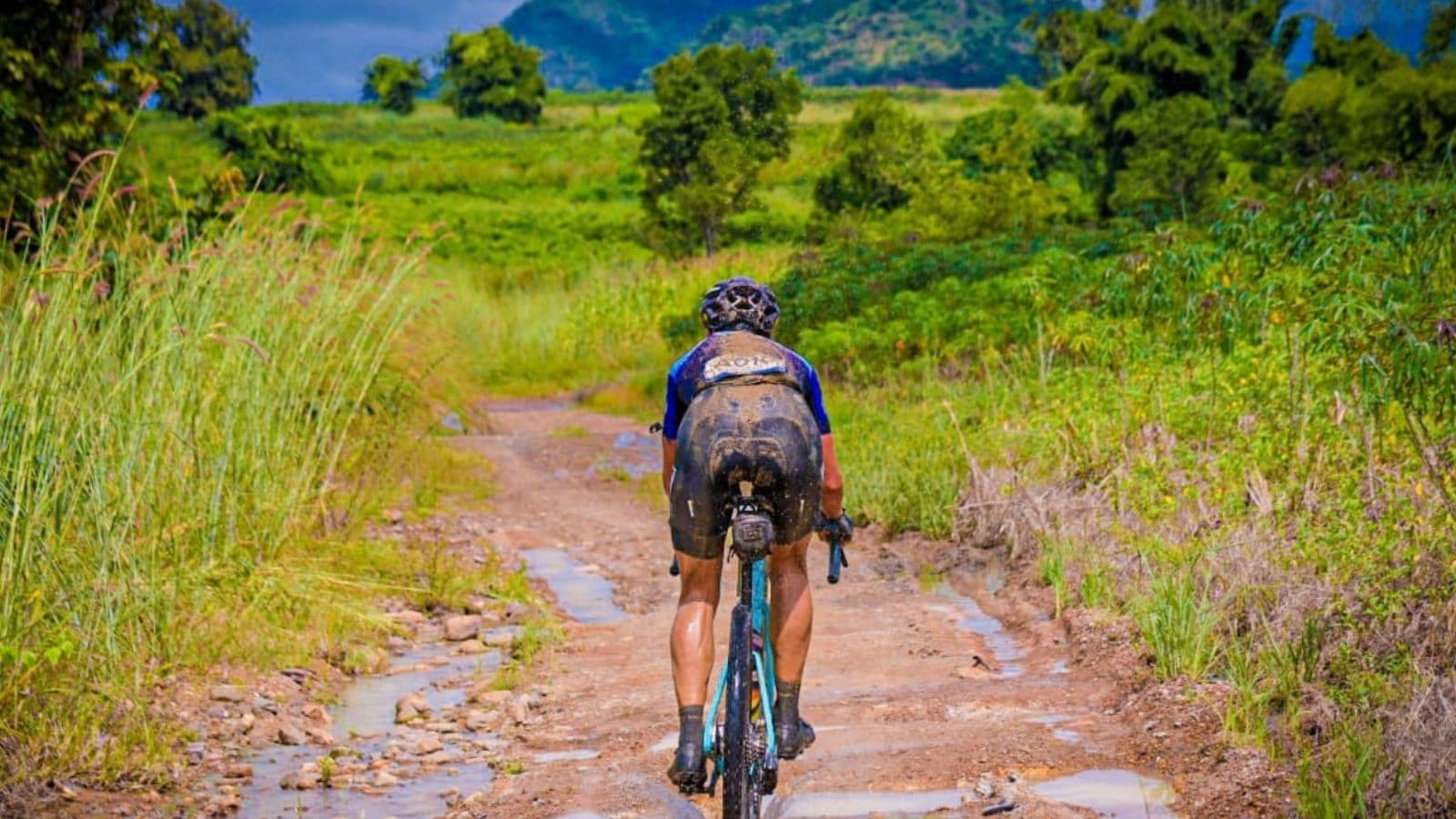
Whether you’re preparing for a road race with technical descents, a gravel event or a mountain bike challenge, improving your confidence will help you ride more smoothly, safely and efficiently.
Confidence Comes from Practice
Confidence isn’t created overnight. It develops through repeated exposure to different riding conditions and technical features. Rather than searching for increasingly difficult routes immediately, gradually introduce:
- Tight corners.
- Small descents.
- Loose surfaces.
- Short technical climbs.
- Narrow roads.
Each successful ride builds experience that carries over into more demanding courses. Developing why is consistency more important than intensity for cycling success helps you build these skills steadily without unnecessary pressure.
Perfect the Fundamentals First
Before tackling highly technical terrain, ensure your basic bike handling is solid.
Focus on:
- Smooth braking.
- Controlled steering.
- Balanced body position.
- Confident gear changes.
- Stable pedalling.
Strong fundamentals reduce the mental effort required when terrain becomes more demanding.
Look Where You Want to Go
One of the most common mistakes is staring directly at hazards.
Instead:
- Look through corners.
- Focus on your intended line.
- Scan further ahead.
- Anticipate obstacles early.
Your bike naturally follows your vision, making this one of the simplest ways to improve confidence.
Learn to Corner Smoothly
Cornering is often where confidence drops most.
Good cornering involves:
- Braking before entering the corner.
- Looking through the exit.
- Leaning the bike naturally.
- Remaining relaxed.
- Accelerating once the exit is visible.
Practicing how to improve cornering skills on a road bike for beginners develops smoother, more predictable handling.
Develop Better Descending Skills
Technical descents can feel intimidating, especially at higher speeds.
Improve your confidence by learning:
- Proper body position.
- Controlled braking.
- Weight distribution.
- Line selection.
- Speed management.
Studying how to descend faster and safer on a road bike helps build confidence while reducing unnecessary risks.
Stay Relaxed on the Bike
Tension limits control. Many nervous riders grip the handlebars too tightly, making the bike feel unstable.
Instead:
- Relax your shoulders.
- Bend your elbows.
- Keep your hands light.
- Breathe steadily.
- Stay loose over rough terrain.
A relaxed rider reacts far more effectively to unexpected changes.
Practise Climbing Technical Sections
Many technical courses combine challenging climbs with difficult surfaces.
Practise maintaining:
- Smooth cadence.
- Consistent power.
- Good traction.
- Seated stability.
- Controlled effort.
Learning when should you climb seated vs standing on a bike helps you choose the most efficient climbing technique for different gradients.
Build Skills Before Increasing Speed
Trying to ride technical terrain faster before mastering the basics often leads to mistakes.
Instead, prioritise:
- Smoothness.
- Accuracy.
- Consistency.
- Confidence.
As your handling improves, speed follows naturally. Developing what cycling drills help improve bike technique provides structured exercises that gradually build confidence without unnecessary risk.
Ride Terrain That Matches Your Ability
Progressive practice is one of the fastest ways to build confidence. Rather than tackling the most difficult routes immediately, gradually increase the challenge by riding:
- Smooth gravel paths.
- Gentle descents.
- Moderate switchbacks.
- Narrow roads.
- Technical climbs.
Each successful ride reinforces good habits and makes the next challenge feel more manageable.
Learn to Brake Effectively
Poor braking technique causes many confidence issues. Avoid grabbing both brakes suddenly during technical sections.
Instead:
- Brake before corners.
- Apply pressure smoothly.
- Reduce speed early.
- Release the brakes as you turn.
- Stay balanced over the bike.
Practising controlled braking allows you to maintain better grip and stability on unpredictable surfaces.
Choose the Best Line
Experienced cyclists don’t simply react to obstacles, they plan their route through them.
When approaching technical sections:
- Look well ahead.
- Identify smoother surfaces.
- Avoid loose rocks where possible.
- Maintain a predictable line.
- Give yourself room to adjust if needed.
Good line choice often makes difficult sections feel much easier.
Improve Your Pedalling Technique
A smooth pedal stroke helps maintain traction and stability over uneven terrain.
Instead of stomping on the pedals, aim for:
- Consistent pressure.
- Smooth cadence.
- Controlled acceleration.
- Balanced body movement.
Developing how to develop a smoother pedal stroke in cycling can improve both confidence and efficiency on technical courses.
Don’t Compare Yourself to Other Riders
Watching experienced cyclists can sometimes create unnecessary pressure. Remember that every confident rider developed their skills over time.
Focus on:
- Your own progress.
- Better technique.
- Safer riding.
- Consistent improvement.
Confidence grows through experience, not comparison.
Prepare Your Bike Properly
Even the best skills can’t compensate for poor equipment setup.
Before technical rides, check:
- Tyre condition.
- Tyre pressure.
- Brake performance.
- Gear shifting.
- Wheel security.
A reliable bike allows you to focus on riding rather than worrying about mechanical issues. Using what you should check on your bike before every ride reduces avoidable distractions and improves peace of mind.
Improve Your Overall Fitness
Although confidence is largely a technical skill, good fitness makes handling easier.
Better endurance allows you to:
- Stay focused for longer.
- Recover after technical sections.
- Maintain smoother control.
- Make better decisions under fatigue.
Building overall fitness through how to build endurance for long cycling races supports better bike handling throughout longer rides.
Ride With More Experienced Cyclists
One of the quickest ways to improve is by riding with skilled cyclists.
Observe how they:
- Choose lines.
- Corner smoothly.
- Brake efficiently.
- Position their body.
- Manage difficult terrain.
You don’t need to match their speed, simply learning from their technique can accelerate your own progress.
Common Mistakes
- Looking directly at obstacles.
- Gripping the handlebars too tightly.
- Braking during corners.
- Attempting terrain beyond your ability.
- Sitting too rigidly on rough surfaces.
- Ignoring bike maintenance.
- Comparing yourself with faster riders.
- Trying to build confidence too quickly.
Practical Tips
- Practise technical skills regularly.
- Ride familiar routes before attempting harder terrain.
- Focus on smoothness rather than speed.
- Keep your eyes looking ahead.
- Relax your upper body.
- Learn effective braking techniques.
- Check your bike before every ride.
- Increase difficulty gradually.
Actionable Takeaways
Confidence on technical bike courses isn’t about taking bigger risks, it’s about building better skills through consistent practice. Mastering fundamentals such as braking, cornering, body position and line choice allows you to ride with greater control and enjoy technical terrain rather than fear it. By progressing gradually, maintaining your bike properly and practising regularly, you’ll become more comfortable tackling increasingly challenging routes while staying safe and efficient.
FAQs
Lack of experience, unfamiliar terrain and poor bike handling skills are the most common reasons cyclists feel uncertain on technical sections.
Yes. Confidence develops through regular practice, progressive challenges and improved bike handling techniques.
Ideally, complete most of your braking before entering the corner and release the brakes as you begin turning.
Practice body position, braking control, line selection and gradual exposure to steeper descents.
Absolutely. Correct tyre pressure, responsive brakes and a well-maintained bike all improve stability and control.
Including technical skills during one or two rides each week is enough for most cyclists to make steady improvements.
No. Focus on smooth control and accuracy first. Speed naturally increases as confidence improves.