There is no single ankle angle that every cyclist should maintain throughout the pedal stroke. Your ankle naturally moves as the crank rotates, and the amount of movement varies according to your anatomy, bike fit, cadence, workload, riding position, and individual pedaling style. Your foot should generally feel stable and supported rather than excessively pointed downward or pulled upward. The ankle should be allowed to move naturally instead of being deliberately held in one rigid position for the entire pedal revolution.
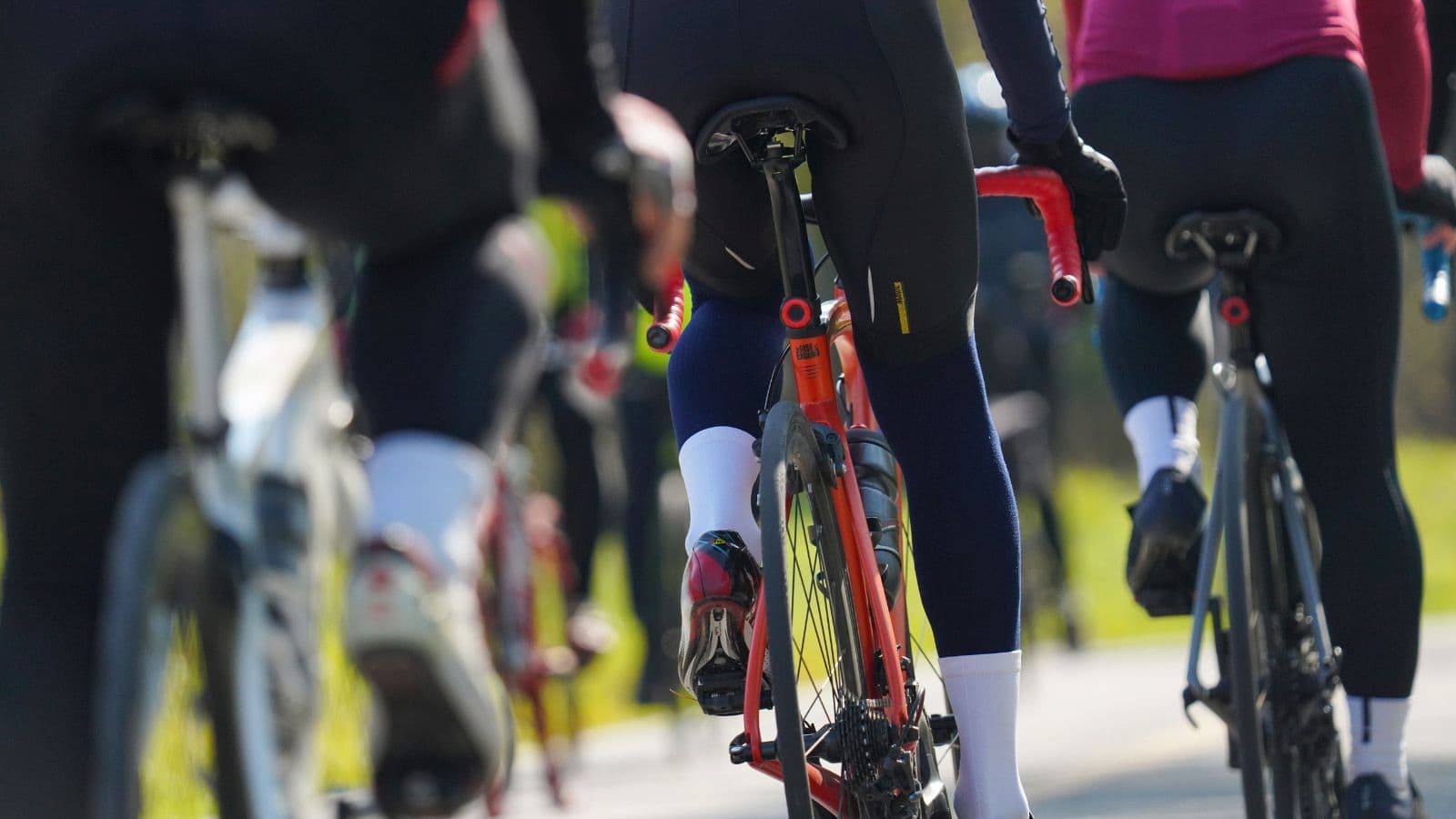
The goal is therefore not to copy a professional cyclist’s exact foot angle. A good position allows you to produce power comfortably, maintain stable lower-body movement, and ride for the required duration without persistent pain, numbness, or excessive strain.
In Short
- There is no universal ideal ankle angle.
- The ankle should move naturally through the pedal stroke.
- Avoid deliberately forcing the toes downward.
- Avoid holding the ankle unnaturally rigid.
- The foot should remain stable on the pedal.
- Cleat position influences foot and ankle mechanics.
- Saddle height can change ankle movement.
- Cadence affects how the lower leg behaves.
- Fatigue can alter foot position.
- Persistent pain may indicate a fit or equipment problem.
Your Ankle Should Move Naturally
The ankle is not normally fixed during cycling. Its position changes as the crank travels around the pedal stroke.
The exact movement differs between cyclists because of:
- Anatomy.
- Flexibility.
- Cadence.
- Power output.
- Saddle position.
- Riding style.
Trying to force one ankle angle throughout the entire revolution can create unnecessary tension. Aim for controlled natural movement rather than a rigid technique.
Should Your Foot Be Flat When Cycling?
Your foot does not need to remain perfectly horizontal throughout every pedal stroke. Some cyclists naturally ride with the heel slightly higher than the forefoot. Others use a flatter foot position.
What matters more is whether the position is:
- Comfortable.
- Stable.
- Repeatable.
- Compatible with your bike fit.
- Free from excessive strain.
Do not deliberately force your foot flat simply because it looks technically correct.
Should Your Toes Point Down?
A small amount of toe down movement can occur naturally, particularly during harder efforts or at certain parts of the pedal stroke. Excessive toe pointing is different.
Consistently riding with a dramatically raised heel may sometimes be associated with:
- Saddle position.
- Habit.
- Limited ankle mobility.
- Cleat setup.
- Compensation elsewhere in the bike fit.
The appearance alone does not prove something is wrong.
Avoid Forcing Your Heel Down
Some cyclists are told to deliberately “drop the heel” throughout the pedal stroke.
Forcing the heel down can create unnecessary tension in:
- Calves.
- Achilles tendon.
- Ankle.
- Lower leg.
Allow the ankle to move according to the demands of the pedal stroke. Comfortable movement is more important than exaggerating heel position.
Cleat Position Influences Foot Mechanics
Clipless pedal cleats determine where and how your shoe connects to the pedal.
Cleat setup can influence:
- Foot stability.
- Ankle movement.
- Knee tracking.
- Pressure distribution.
- Pedaling comfort.
Small adjustments can sometimes make a noticeable difference.
Fore Aft Cleat Position Matters
Cleats can usually be moved forward or backward underneath the cycling shoe. Moving the cleat changes the relationship between your foot and the pedal axle. A more forward cleat position can alter the leverage around the ankle.
The best setup depends on:
- Shoe design.
- Foot anatomy.
- Riding style.
- Comfort.
- Cycling discipline.
Cleat Rotation Should Match Your Natural Foot Position
Some riders naturally point their toes slightly inward or outward. Forcing both feet into a perfectly straight position may create unnecessary stress. Cleat rotation should generally allow your feet and knees to track comfortably.
A poor rotational position may contribute to discomfort around the:
- Feet.
- Ankles.
- Knees.
- Hips.
Do not assume visual symmetry is more important than comfortable movement.
Cleat Float Allows Some Movement
Many clipless pedal systems provide float. Float allows the foot to rotate slightly while remaining clipped into the pedal. This can help accommodate natural movement. Too little appropriate movement may feel restrictive for some cyclists. Excessive uncontrolled movement may also indicate a setup or equipment issue. Cleat setup should provide enough freedom for comfortable knee and foot tracking without making the connection to the pedal feel unstable.
Saddle Height Can Change Ankle Position
Your ankle may compensate for an inappropriate saddle height. If the saddle is too high, you may reach for the bottom of the pedal stroke.
Possible signs include:
- Excessive toe pointing.
- Hip rocking.
- Pelvic instability.
- Difficulty reaching the bottom of the stroke.
- Saddle discomfort.
If the saddle is too low, lower body mechanics can change in a different way. Bike fit should therefore be considered before trying to correct ankle movement in isolation.
Do Not Fix a Bike-Fit Problem With Your Ankles
The ankle can compensate for problems elsewhere. For example, excessive ankle movement may develop because you are trying to reach a pedal that is effectively too far away. Instead of consciously changing your foot angle, assess the complete position.
Consider:
- Saddle height.
- Saddle setback.
- Cleat position.
- Shoe fit.
- Crank length.
- Pelvic stability.
A rider who focuses only on the ankle may miss the actual cause.
Cadence Affects Foot and Ankle Movement
Your pedaling mechanics can change with cadence. At a very low cadence, each pedal stroke may require greater force. At higher cadences, movement happens more quickly. Learning cycling cadence explained can help you understand how cadence affects your pedaling rather than trying to maintain exactly the same ankle behavior at every intensity. Your foot should remain controlled as cadence changes.
If you begin bouncing or losing stability, examine your:
- Gear selection.
- Cadence.
- Saddle position.
- Pedaling control.
Aim for a Stable Foot
Although ankle movement is natural, the foot itself should not feel unstable on the pedal.
Watch for:
- Excessive rocking.
- Repeated slipping.
- Uncontrolled rotation.
- Uneven pressure.
- Numbness.
- Burning sensations.
Stability allows you to transfer force through the pedal without constantly repositioning your foot. The goal is controlled movement rather than stiffness.
Shoe Fit Is Important
Even perfect cleat positioning cannot compensate for badly fitting cycling shoes. Shoes that are too tight can increase pressure. Shoes that are too loose can allow excessive movement.
Good cycling shoes should provide:
- Secure heel retention.
- Adequate toe space.
- Stable midfoot support.
- Comfortable width.
- Even closure pressure.
Feet can also swell during long rides, so a shoe that feels acceptable for 20 minutes may become uncomfortable after several hours.
Foot Numbness Can Signal a Problem
Numb feet should not automatically be accepted as part of cycling.
Possible contributors include:
- Tight shoes.
- Excessive closure pressure.
- Cleat position.
- Pressure concentration.
- Swelling.
- Bike fit.
If numbness appears repeatedly, investigate the cause. Loosening the shoe slightly may help in some cases, but persistent symptoms deserve a broader look at footwear and bike setup.
Hot Foot Can Affect Pedaling Comfort
“Hot foot” usually describes burning or painful sensations around the forefoot during cycling. Pressure around the pedal contact area can contribute.
Potential factors include:
- Tight footwear.
- Foot swelling.
- Cleat position.
- Concentrated pressure.
- Long riding duration.
Understanding what causes hot foot during long bike rides can help you distinguish a pressure problem from a simple foot-position issue.
Knee Pain Can Be Connected to Foot Position
The foot, ankle, knee, and hip work as a connected system. Changing cleat position can therefore influence knee movement.
Poor setup may contribute to unwanted:
- Knee rotation.
- Tracking changes.
- Side-to-side movement.
- Joint stress.
Cyclists dealing with recurring discomfort may also benefit from understanding how to prevent your knees from hurting during long cycling rather than examining the foot independently. Do not make aggressive cleat changes immediately before a long ride or race.
Pedal Smoothly Rather Than Trying to Pull Up Hard
Cyclists sometimes try to create a perfectly circular pedal stroke by aggressively pulling upward on the pedal. That is generally unnecessary for normal steady riding.
Instead, focus on:
- Stable hips.
- Controlled foot position.
- Smooth force application.
- Relaxed upper body.
- Consistent rhythm.
Working on how to develop a smoother pedal stroke in cycling can improve coordination without forcing unnatural ankle movement. The pedal stroke should feel fluid rather than mechanically exaggerated.
Fatigue Can Change Your Foot Position
Technique often changes as cyclists become tired.
Late in a ride, you may notice:
- More ankle movement.
- Heavier pedaling.
- Lower cadence.
- Poorer knee tracking.
- Increased upper-body movement.
Fatigue can expose weaknesses that are not obvious when you are fresh. If your foot position consistently changes after a certain duration, consider whether endurance, bike fit, or muscular fatigue is contributing.
Strength and Stability Can Help
Lower body control depends on more than the foot itself. Strength around the hips and trunk can help maintain stable movement.
Useful areas include:
- Glutes.
- Hamstrings.
- Quadriceps.
- Calves.
- Core.
Appropriate work based on what strength training actually helps cyclists improve performance can support overall stability rather than trying to control every part of the pedal stroke consciously.
Ankle Mobility Can Influence Your Position
Very limited ankle mobility may influence how comfortably you pedal. However, cyclists do not need extreme ankle flexibility. The objective is sufficient mobility for comfortable movement without compensation.
A simple mobility routine may include work for:
- Ankles.
- Calves.
- Hips.
- Hamstrings.
- Lower back.
Using what is a simple 10-minute mobility routine for cyclists can help maintain general movement without turning flexibility into a complicated training project.
Standing Changes Foot and Ankle Demands
Your foot and ankle position naturally change when you stand on the pedals. Standing increases the need to support body weight through the pedals.
You may use more ankle movement when:
- Climbing.
- Accelerating.
- Sprinting.
- Riding over rough surfaces.
Do not expect standing mechanics to look identical to seated pedaling. The important goal remains controlled movement.
Climbing Can Change Ankle Mechanics
Steeper gradients often reduce cadence and increase pedal force. That can alter ankle movement. Some cyclists naturally use a different foot angle when climbing compared with riding on flat roads. Understanding when should you climb seated vs standing on a bike can help you manage these changes without forcing the same lower body position in every situation. Your position should adapt naturally while remaining stable.
Bike Fit Should Be Considered as a System
Foot position cannot be separated completely from the rest of the bike.
Your lower-body mechanics are affected by:
- Saddle position.
- Crank length.
- Cleat setup.
- Shoe fit.
- Handlebar position.
- Overall geometry.
Even small changes can influence how you interact with the pedals. This is why bike fit adjustments should be made carefully rather than changing several measurements at once.
Do You Need a Professional Bike Fit?
Not every cyclist needs a professional fit.
However, professional assessment can be useful when you experience persistent:
- Foot pain.
- Knee pain.
- Achilles discomfort.
- Numbness.
- Uneven pedaling.
- Saddle discomfort.
It can also be helpful after major equipment changes. A fitter can assess the interaction between your cleats, shoes, saddle, pedaling mechanics, and overall position rather than focusing on one joint alone.
Common Mistakes
- Forcing the ankle into one fixed angle.
- Deliberately pointing the toes throughout the pedal stroke.
- Excessively forcing the heel downward.
- Ignoring cleat position.
- Setting both feet identically despite natural differences.
- Using shoes that are too tight.
- Pulling upward aggressively on every pedal stroke.
- Making several major fit changes at once.
- Copying another cyclist’s foot position.
Practical Tips
- Allow natural ankle movement.
- Keep your feet stable on the pedals.
- Check cycling shoe fit.
- Adjust cleats gradually.
- Consider your natural foot angle.
- Monitor knee tracking.
- Practice smooth pedaling at different cadences.
- Test changes on shorter rides first.
- Investigate persistent pain or numbness.
Actionable Takeaways
The correct foot and ankle position when cycling is not one rigid angle that every rider should copy. If your position feels uncomfortable, investigate the complete setup rather than consciously forcing your ankle into a different angle. What are stack and reach in cycling bike fit can be useful when understanding how the complete bike position affects your movement. Persistent pain, numbness, Achilles discomfort, or recurring knee problems should not simply be treated as normal cycling discomfort. The best foot position is one that allows you to pedal efficiently and comfortably without creating unnecessary tension elsewhere.
FAQs
Not necessarily. Your foot angle can change naturally through the pedal stroke, and some cyclists ride with the heel slightly higher than others.
There is no single heel position that should be forced throughout the pedal stroke. Allow the ankle to move naturally while keeping the foot controlled.
Your foot should be positioned securely so you can pedal comfortably and maintain stable lower-body movement. Exact placement depends partly on pedal and cleat setup.
A slight toe down position may occur naturally, but deliberately pointing the toes throughout the entire pedal stroke is usually unnecessary.
Yes. Cleat position can influence pressure distribution and lower-body mechanics, although shoe fit and overall bike fit can also contribute.
It can contribute. Foot and cleat position influence how the knee tracks during pedaling, so an unsuitable setup may increase discomfort.
Yes. A saddle that is too high can encourage some cyclists to reach for the bottom of the pedal stroke and use excessive ankle movement.
Tight shoes, swelling, excessive closure pressure, cleat position, and concentrated pressure beneath the foot can all contribute.