


A side stitch while cycling is a sharp, cramping, or pulling pain that usually develops around the side of the abdomen or beneath the ribs during exercise. It is often associated with exercise-related transient abdominal pain, commonly called ETAP, although not every pain in this area is a side stitch. Side stitches are more commonly reported during running, but cyclists can also experience them. The discomfort may appear during intense efforts, climbing, or riding shortly after eating, and it can interrupt an otherwise comfortable training session. The exact cause of exercise-related side stitches remains uncertain. Researchers have proposed several explanations, including irritation of the abdominal lining, gastrointestinal factors, and mechanical stress associated with movement and posture.
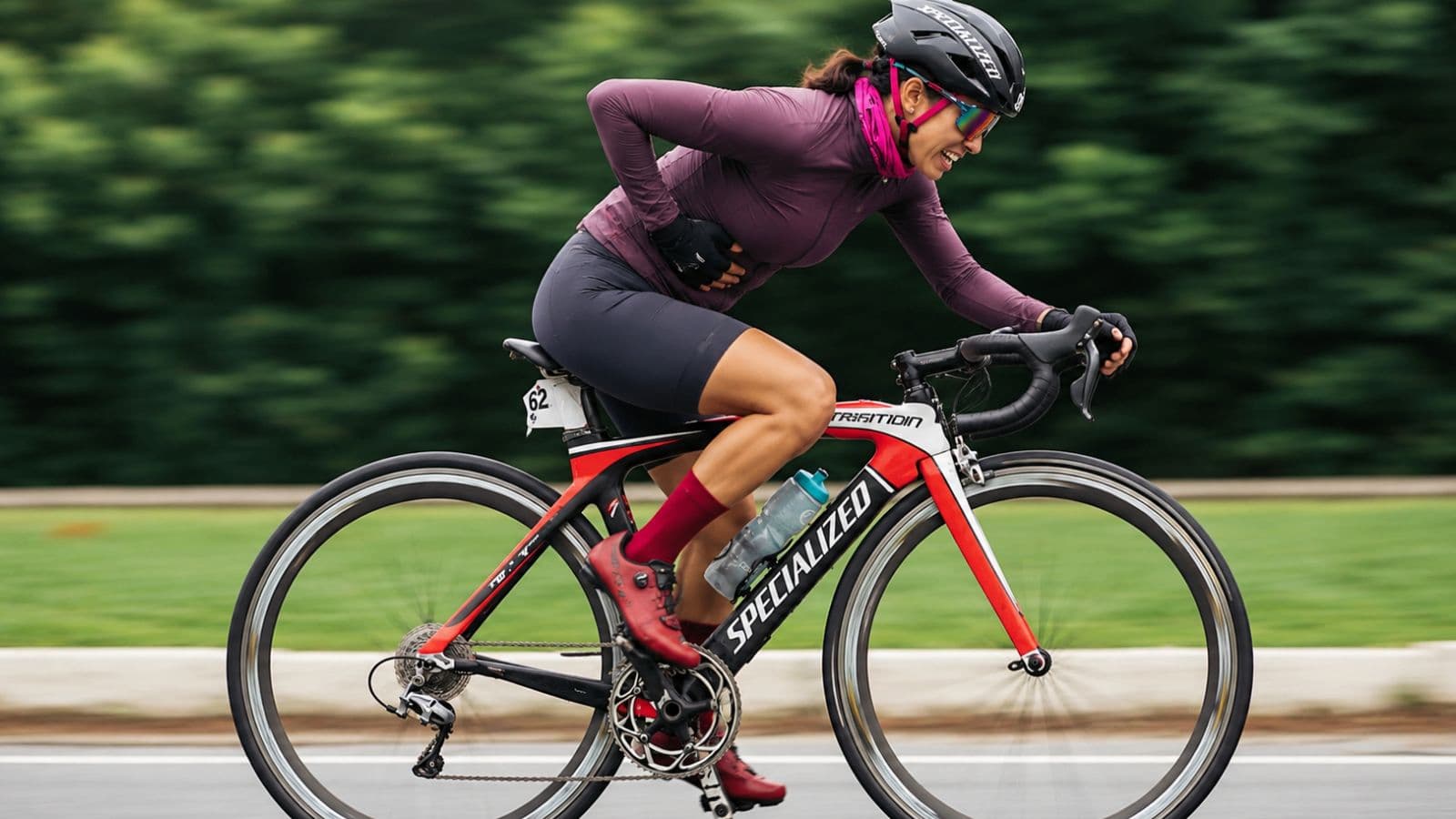
Fortunately, most typical side stitches are temporary and improve when exercise intensity decreases. Understanding possible triggers and recognizing when pain requires medical attention can help cyclists manage discomfort without unnecessarily disrupting their training.
In Short
- A side stitch usually causes localized pain beneath the ribs.
- The exact mechanism is not fully understood.
- Recent meals and large fluid volumes may contribute.
- Intense efforts can make discomfort more noticeable.
- Riding posture may influence abdominal pressure.
- Slowing down often helps relieve symptoms.
- Meal timing and gradual warm-ups may reduce episodes.
- Persistent or unusual pain needs medical assessment.
Understanding Side Stitches in Cycling
A side stitch is a form of exercise related abdominal discomfort that can develop during physical activity. The pain may feel sharp, stabbing, cramping, or pulling.
Common characteristics include:
- Pain beneath the lower ribs.
- Discomfort on either side of the abdomen.
- Symptoms that appear during exercise.
- Pain that becomes more noticeable with movement.
- Improvement after slowing down or stopping.
Side stitches should not automatically be confused with muscular strains, digestive problems, or chest pain. Although they are usually harmless, their symptoms can overlap with other conditions.
What Causes a Side Stitch?
There is no single confirmed explanation for every exercise related side stitch. One leading theory involves irritation of the parietal peritoneum, a membrane lining the abdominal cavity. Other proposed mechanisms include gastrointestinal distension and stress on tissues supporting the abdominal organs.
Several factors may contribute:
- Exercising soon after eating.
- Drinking large volumes immediately before exercise.
- Consuming highly concentrated sugary drinks.
- Sudden increases in intensity.
- Individual susceptibility.
- Changes in posture or trunk movement.
These factors do not affect every cyclist equally. Identifying personal triggers is often more useful than assuming one explanation applies to everyone.
Breathing Patterns and Side Stitches
Some cyclists notice side pain when breathing becomes rapid or irregular during hard efforts. Breathing changes may accompany a side stitch, although poor breathing technique has not been established as its universal cause.
During demanding cycling sessions, try to:
- Maintain relaxed breathing.
- Avoid unnecessary upper-body tension.
- Reduce intensity if breathing becomes uncomfortable.
- Exhale naturally rather than holding your breath.
Understanding how to develop a smoother pedal stroke in cycling can help riders focus on controlled movement instead of unnecessary tension during harder efforts. Do not force unusually deep breaths if doing so increases pain.
Eating Too Close to a Ride
Meal timing is a commonly reported factor in exercise-related side stitches. Large meals may increase stomach fullness and discomfort, particularly when exercise begins soon afterward.
Potential triggers include:
- Large meals immediately before riding.
- High-fat meals that digest slowly.
- Large volumes of fluid consumed quickly.
- Highly concentrated carbohydrate drinks.
Understanding how to fuel for a 2-hour cycling ride can help cyclists plan food intake around training without relying on large meals immediately before exercise. A practical approach is to allow approximately two to three hours after a substantial meal before a demanding ride, adjusting for personal tolerance. Smaller snacks may require less time.
Hydration and Stomach Discomfort
Hydration is essential during cycling, but drinking large quantities quickly can create abdominal fullness. Some athletes also experience discomfort when consuming concentrated sports drinks. Understanding how much should you drink per hour when cycling in hot weather can help cyclists develop a hydration approach that considers environmental conditions and individual needs.
To reduce stomach discomfort:
- Drink regularly rather than taking unnecessarily large amounts at once.
- Test sports drinks during training.
- Avoid excessive fluid intake.
- Adjust carbohydrate concentration when needed.
- Monitor individual gastrointestinal tolerance.
Dehydration is not a proven universal cause of side stitches, and drinking extra water is not a reliable treatment.
Can Cycling Posture Cause a Side Stitch?
Cycling posture may influence abdominal comfort, especially when riders spend long periods in a forward-leaning position. An aggressive position can increase pressure around the abdomen and make breathing or digestion feel less comfortable. However, posture has not been conclusively established as a direct cause of ETAP. Understanding what are stack and reach in cycling bike fit can help cyclists recognize how handlebar position affects upper-body posture.
Consider checking:
- Handlebar reach.
- Saddle position.
- Trunk flexibility.
- Abdominal compression.
- Excessive upper-body tension.
If discomfort occurs consistently in one riding position, a professional bike fit may be useful.
Why Side Stitches May Appear During Climbs?
Climbing often increases breathing rate, cardiovascular effort, and muscular demand. Cyclists may also change their body position or brace their trunk more strongly when climbing. Understanding how to climb on a road bike for beginners can help riders develop controlled climbing techniques rather than responding to every hill with an aggressive effort.
To reduce discomfort:
- Begin climbs at a sustainable intensity.
- Avoid sudden accelerations.
- Maintain relaxed upper-body movement.
- Use appropriate gearing.
- Reduce effort when symptoms begin.
A side stitch does not necessarily mean the cyclist lacks fitness.
How to Relieve a Side Stitch While Cycling?
When a typical side stitch develops, reducing exercise intensity is usually the most practical first step.
Try the following:
- Shift into an easier gear.
- Reduce pedaling effort.
- Breathe calmly and naturally.
- Relax the shoulders and abdomen.
- Sit more upright if safe.
- Stop somewhere safe if the pain persists.
Some athletes find gentle pressure over the painful area helpful, although evidence for this technique is limited. Understanding how to pace a long cycling ride properly can help cyclists avoid unnecessary intensity changes that may worsen exercise discomfort. Do not attempt to stretch aggressively or manipulate the painful area while riding in traffic.
Preventing Side Stitches During Training
Prevention begins with identifying the circumstances in which symptoms appear.
Useful strategies include:
- Allowing sufficient time after substantial meals.
- Avoiding excessive drinking immediately before exercise.
- Starting rides at an easy intensity.
- Increasing training demands gradually.
- Testing carbohydrate drinks.
- Maintaining a comfortable riding position.
- Recording recurring symptoms.
Understanding how to train smarter and ride stronger can help cyclists develop sustainable training habits rather than repeatedly pushing through discomfort. A training diary can reveal whether episodes are associated with certain meals, intensities, or riding conditions.
When Side Pain May Be Something Else?
Not every sharp pain beneath the ribs is a harmless side stitch. Other possible causes include muscle strains, gastrointestinal conditions, gallbladder problems, and heart or lung conditions.
Seek urgent medical attention if pain occurs with:
- Chest pressure or tightness.
- Severe shortness of breath.
- Fainting or marked dizziness.
- Cold sweating or unusual weakness.
- Pain spreading to the arm, jaw, or back.
- Sudden severe abdominal pain.
Persistent, worsening, or repeatedly unexplained pain also deserves medical assessment. Understanding what warm-up exercises can be performed before a bike race may help cyclists prepare for demanding efforts, but warming up cannot prevent every cause of abdominal pain.
Common Mistakes
- Eating a large meal immediately before riding.
- Drinking excessive fluid at once.
- Ignoring recurring abdominal pain.
- Starting climbs too aggressively.
- Assuming every rib-area pain is a side stitch.
- Forcing uncomfortable breathing patterns.
- Continuing hard efforts despite worsening pain.
- Ignoring serious warning signs.
Practical Tips
- Warm up gradually.
- Time substantial meals appropriately.
- Test sports drinks before long rides.
- Maintain a comfortable riding position.
- Reduce effort when discomfort begins.
- Keep breathing relaxed.
- Track recurring triggers.
- Seek medical advice for unusual symptoms.
Actionable Takeaways
- Side stitches can occur during cycling.
- Their exact cause remains uncertain.
- Meal timing and fluid intake may matter.
- Slowing down often provides relief.
- Persistent or severe pain should never be ignored.
FAQs
A side stitch usually feels like a sharp, cramping, or pulling pain beneath the ribs or along the side of the abdomen.
Yes. Although side stitches are more commonly associated with running, they can also occur during cycling and other endurance activities.
Climbing increases exercise intensity and may change breathing patterns and trunk tension. These factors can coincide with side stitches, although the exact cause is uncertain.
Eating a substantial meal shortly before exercise may increase the likelihood of abdominal discomfort in susceptible athletes.
Dehydration has not been established as a direct cause of side stitches. Drinking excessive amounts is not a proven prevention strategy.
Reduce intensity, relax your breathing, adjust your posture if safe, and stop riding if the discomfort does not improve.
An uncomfortable bike position may contribute to abdominal pressure or muscular discomfort, but it is not a confirmed cause of exercise-related side stitches.
Reduce your effort first if the symptoms are mild and familiar. Stop safely if pain persists, worsens, or feels unusual.