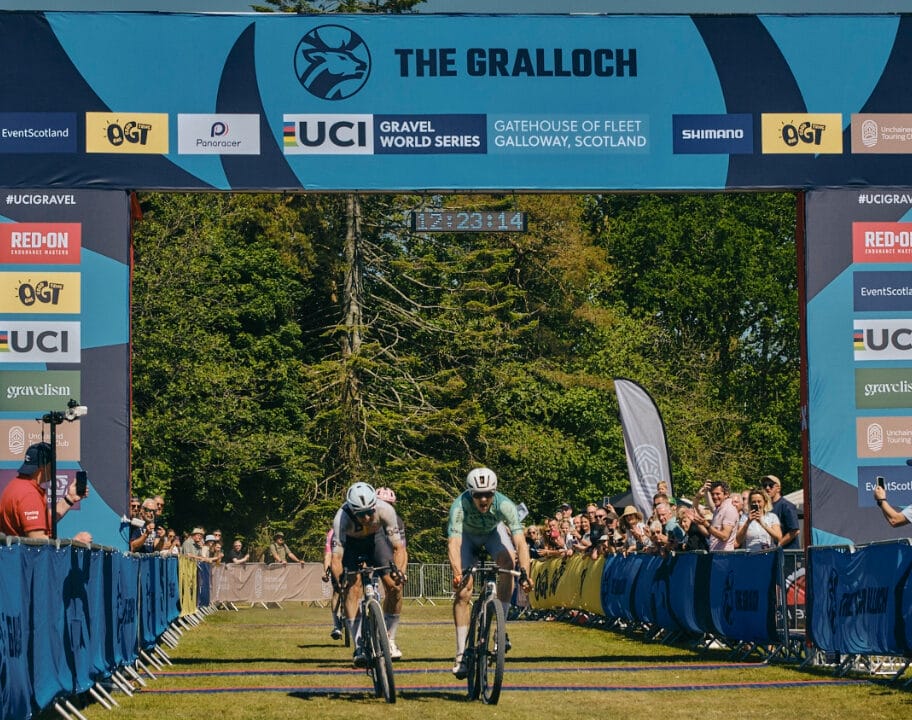
Cycling speed depends on much more than fitness. Strong riders often gain free speed through better technique, efficient pedalling, improved aerodynamics and smarter pacing before they ever increase their power output. The fastest cyclists combine structured training with good riding habits. They waste very little energy, make smart tactical decisions and maintain smooth, efficient movement over every kilometre.
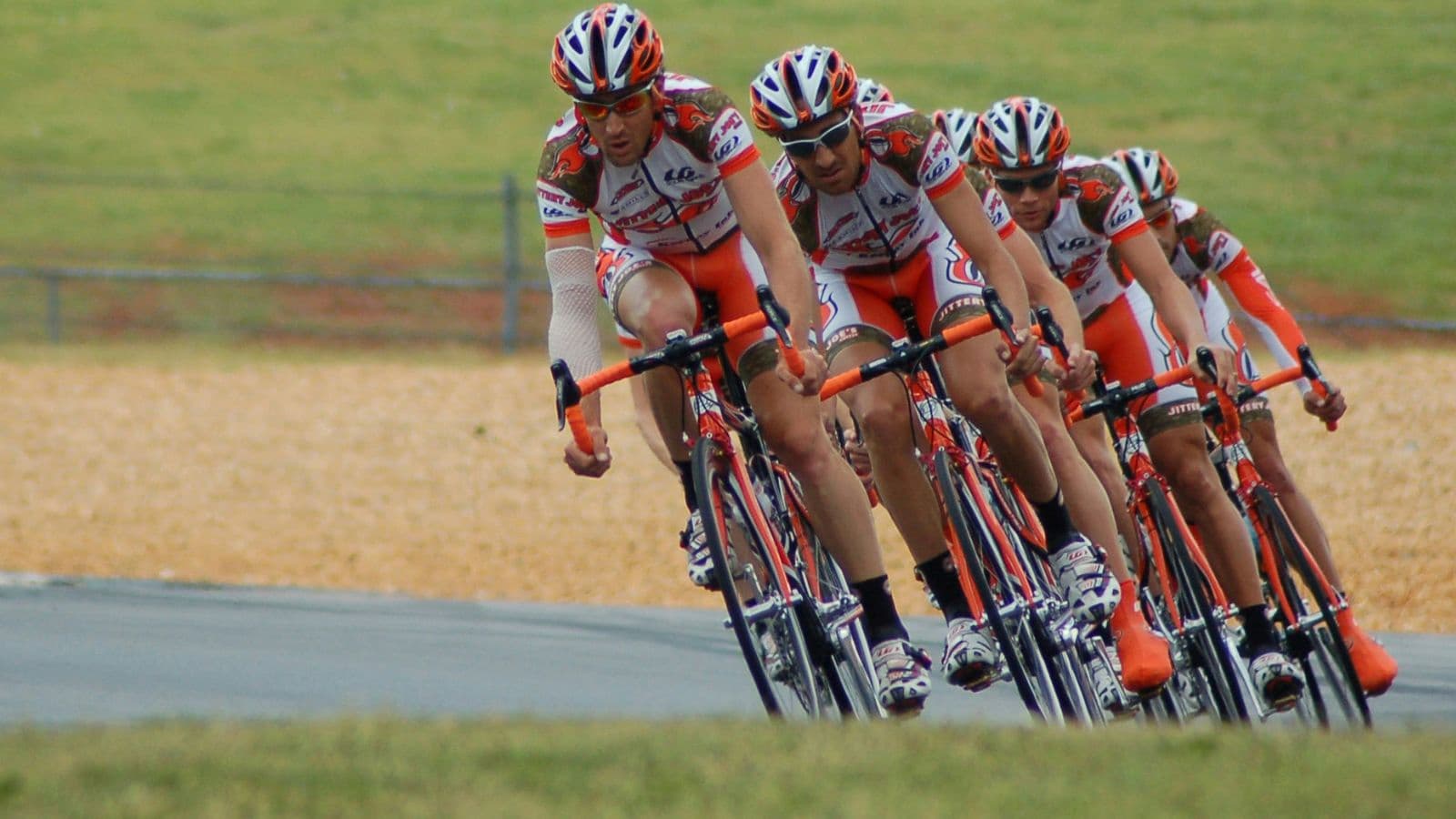
Whether you’re preparing for races, sportives or simply want to ride faster with less effort, improving your technique can produce noticeable gains.
Build a Strong Aerobic Foundation
Endurance remains the foundation of cycling performance. A stronger aerobic system allows you to maintain higher speeds without fatiguing quickly.
Benefits include:
- Better oxygen delivery.
- Improved fat utilisation.
- Higher sustainable power.
- Faster recovery.
- Greater endurance.
Many cyclists develop this foundation by following what is zone 2 cycling, allowing them to build long-term fitness before adding higher-intensity sessions.
Improve Your Pedal Stroke
Smooth pedalling wastes less energy than relying solely on pushing down through the pedals.
Focus on:
- Maintaining a consistent cadence.
- Reducing dead spots.
- Applying smooth force.
- Staying relaxed.
- Avoiding unnecessary upper-body movement.
Many riders improve their efficiency by practising how to develop a smoother pedal stroke in cycling, especially during indoor endurance sessions.
Increase Your Functional Threshold Power
A higher FTP allows you to sustain faster speeds for longer.
Improve it gradually through:
- Threshold intervals.
- Sweet spot sessions.
- Progressive overload.
- Consistent training.
- Proper recovery.
Cyclists targeting long-term performance often combine these workouts with how to increase your ftp, building sustainable power rather than relying on short bursts of effort.
Ride With Better Aerodynamics
Air resistance becomes your biggest obstacle as speed increases. Simple changes can make a noticeable difference.
Focus on:
- Keeping elbows slightly bent.
- Lowering your torso.
- Relaxing your shoulders.
- Maintaining a stable head position.
- Wearing well-fitted clothing.
Small aerodynamic improvements often save more energy than riders expect.
Develop Better Cornering Skills
Every unnecessary brake application costs speed. Learning to carry momentum through corners allows you to accelerate less afterwards.
Practise:
- Looking through corners.
- Choosing smooth lines.
- Braking before the turn.
- Accelerating after the apex.
- Staying relaxed.
Many cyclists refine these techniques through how to improve cornering skills on a road bike for beginners, making every ride smoother and more efficient.
Improve Your Climbing Technique
Fast climbing depends on efficiency rather than simply pushing harder.
Remember to:
- Maintain a steady cadence.
- Shift gears early.
- Stay seated on longer climbs.
- Relax your upper body.
- Pace yourself consistently.
Developing these habits alongside how to climb on a road bike for beginners helps conserve energy over long ascents.
Add Interval Training
Structured intervals improve your ability to ride faster at every intensity.
Useful sessions include:
- VO₂ max intervals.
- Threshold efforts.
- Sprint repeats.
- Sweet spot workouts.
- Over-under intervals.
Many cyclists accelerate their progress by following how can interval training improve cycling speed, allowing higher-quality efforts without excessive training volume.
Improve Bike Handling
Handling skills influence speed just as much as fitness.
Better bike control allows you to:
- Descend faster.
- Corner confidently.
- Brake less.
- Choose better lines.
- Maintain momentum.
Technical confidence often improves through what cycling drills help improve bike technique, particularly when practised consistently throughout the year.
Pace Your Effort
Many cyclists ride the first half of a ride too hard before fading later. Better pacing helps maintain average speed over longer distances.
Focus on:
- Riding below threshold early.
- Conserving energy on climbs.
- Eating before fatigue develops.
- Avoiding unnecessary surges.
Learning how to pace a long cycling ride properly helps riders finish stronger instead of slowing dramatically during the final kilometres.
Strength Training Supports More Power
A stronger body transfers force to the pedals more effectively.
Prioritise:
- Squats.
- Deadlifts.
- Lunges.
- Core work.
- Single-leg exercises.
Strength training also improves stability while reducing injury risk. Many cyclists pair gym sessions with what strength training should cyclists do to ride faster, creating a balanced approach to performance development.
Fuel Your Training Properly
Training quality depends heavily on nutrition.
Before harder rides:
- Eat enough carbohydrates.
- Stay hydrated.
- Carry fuel for longer sessions.
- Recover promptly afterwards.
Poor fuelling often limits performance more than lack of fitness.
Recover as Seriously as You Train
Improvement happens during recovery.
Make recovery a priority by:
- Sleeping well.
- Hydrating consistently.
- Eating sufficient protein.
- Scheduling easy rides.
- Taking regular recovery weeks.
Well-recovered cyclists consistently perform better than tired cyclists who simply train more.
Common Mistakes That Limit Cycling Speed
Avoid these habits:
- Riding hard every day.
- Ignoring recovery.
- Poor bike fit.
- Overgripping the handlebars.
- Low cadence on climbs.
- Skipping interval training.
- Inconsistent nutrition.
- Neglecting handling skills.
Correcting these habits often produces faster improvements than simply increasing training volume.
Practical Tips to Ride Faster
Keep these strategies in mind:
- Train consistently.
- Focus on technique before power.
- Ride with experienced cyclists.
- Practise descending safely.
- Maintain your bike regularly.
- Review your training.
- Be patient with progression.
Small improvements across multiple areas often create the biggest increases in average speed.
The Bottom Line
Increasing cycling speed isn’t about finding one secret workout. It comes from improving fitness, refining technique, developing efficient habits and training consistently over time. By combining structured workouts with smoother pedalling, better bike handling, smart pacing and proper recovery, you’ll become a faster and more confident cyclist while using less energy on every ride.
FAQs
Combining structured interval training, aerobic endurance work and improved riding technique provides the greatest long-term gains.
Yes. Better cornering, braking and descending skills help maintain momentum and reduce wasted energy.
Yes. An efficient cadence helps reduce muscle fatigue and improves overall pedalling efficiency.
Both are important. Endurance builds your aerobic base while intervals improve higher-intensity performance.
Yes. Stronger muscles improve power production, stability and efficiency on the bike.
Most recreational cyclists benefit from one or two structured interval sessions each week.
Absolutely. A good bike fit improves comfort, power transfer and aerodynamic efficiency.
Recovery is essential because your body adapts and becomes stronger between training sessions.