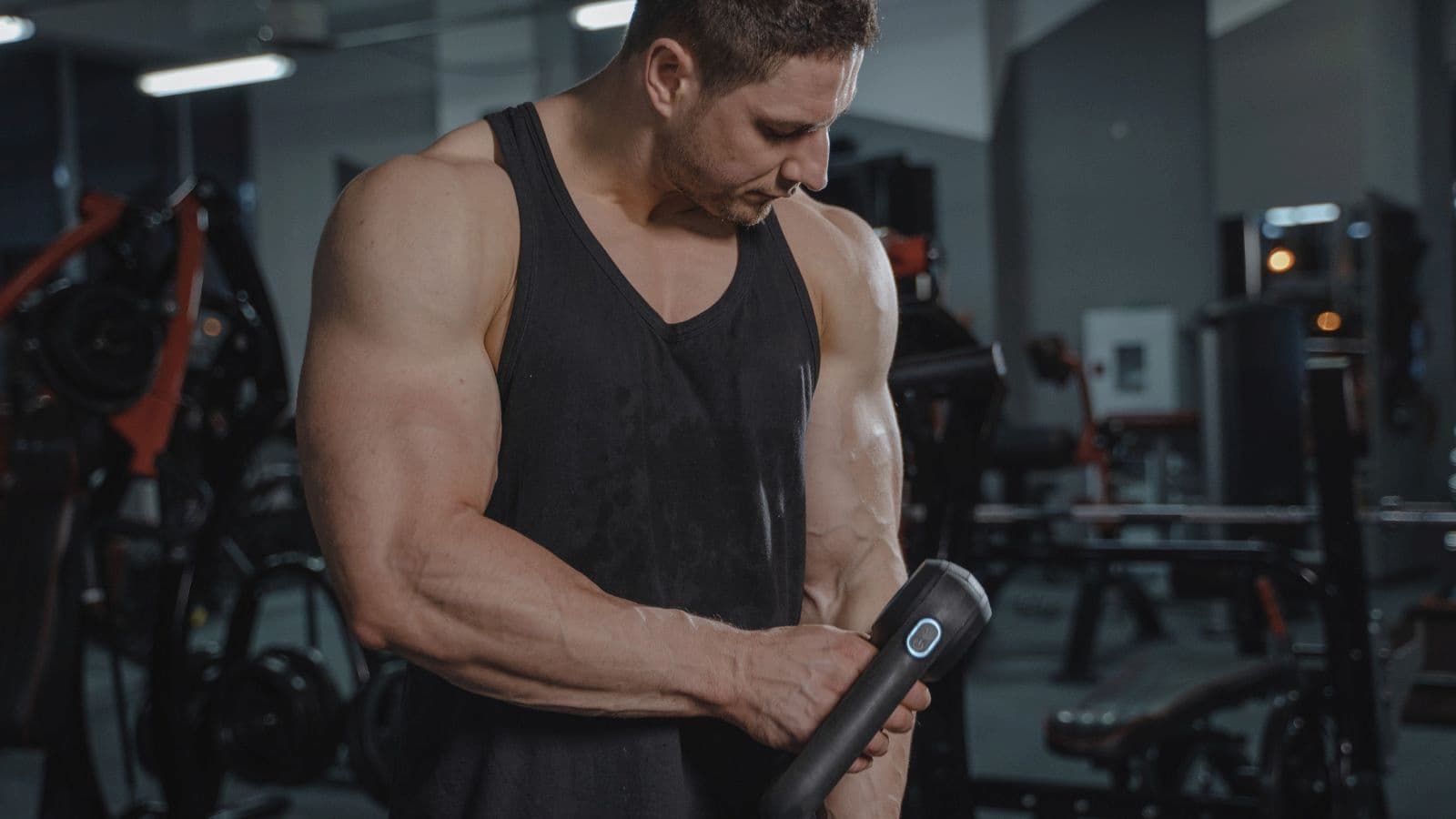


Self massage can help relieve muscle tightness in cyclists by applying controlled pressure to areas that feel stiff, sore, or uncomfortable after riding. Techniques such as foam rolling, massage balls, and gentle manual massage may temporarily improve range of motion and reduce the perception of muscle soreness. Cycling involves thousands of repeated pedal strokes, placing continuous demands on the quadriceps, calves, glutes, and hip muscles. Long periods in a relatively fixed riding position can also contribute to feelings of stiffness around the hips, lower back, and shoulders. Although cycling is generally a low impact activity, demanding workouts and prolonged rides can still produce muscular fatigue. Tightness may become more noticeable after climbing, high intensity intervals, or increasing weekly training volume.
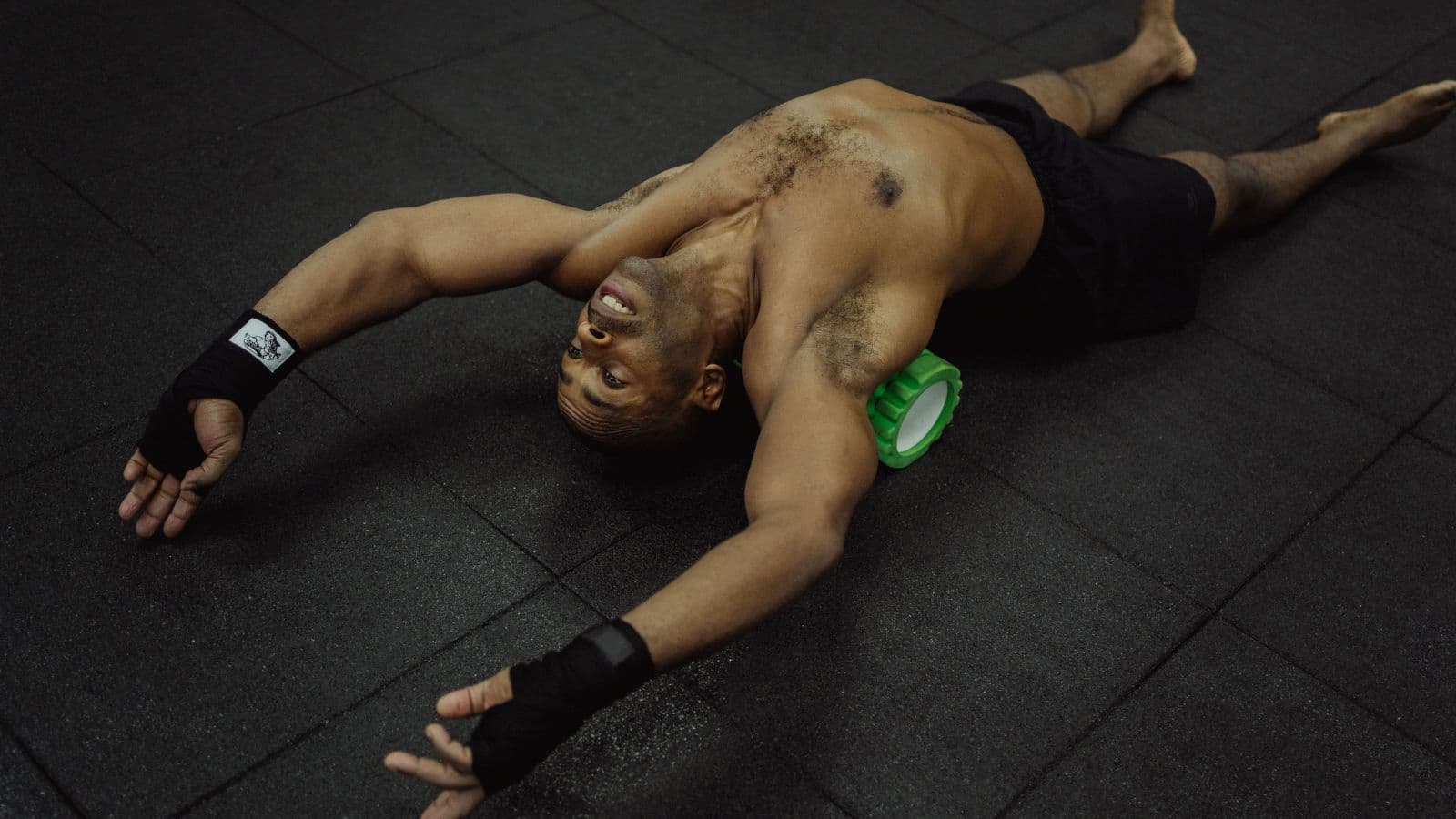
Self massage offers a convenient recovery option that cyclists can perform at home without specialist equipment. However, it works best alongside appropriate training, sleep, nutrition, and recovery rather than replacing these essential habits.
In Short
- Self massage may temporarily reduce muscle tightness.
- Foam rollers are useful for larger muscle groups.
- Massage balls can target smaller areas.
- Gentle pressure is usually sufficient.
- Self massage may improve short-term flexibility.
- It should not cause sharp or severe pain.
- Recovery still depends on sleep and training balance.
- Persistent symptoms require further assessment.
Understanding Muscle Tightness in Cyclists
Muscle tightness is a common sensation after prolonged or demanding cycling. It may feel like stiffness, restricted movement, tenderness, or discomfort when stretching.
Common areas include:
- Quadriceps.
- Hamstrings.
- Calves.
- Glutes.
- Hip flexors.
- Lower back.
- Upper back and shoulders.
Tightness does not always mean a muscle has physically shortened. Fatigue, muscle soreness, nervous system responses, and prolonged positioning can influence how stiff a muscle feels. Understanding what is a simple 10-minute mobility routine for cyclists can help riders combine self massage with controlled movement.
How Self Massage Works?
Self massage applies mechanical pressure to muscles and surrounding soft tissues.
Common methods include:
- Foam rolling.
- Massage balls.
- Handheld massage rollers.
- Gentle manual massage.
- Percussion massage devices.
These techniques may influence pain perception and temporarily improve movement tolerance. However, there is limited evidence that self massage physically breaks down scar tissue, removes toxins, or permanently changes muscle structure. The most realistic benefits are short-term comfort, improved flexibility, and possible reductions in post-exercise soreness.
Foam Rolling the Quadriceps
The quadriceps are heavily involved in producing force during cycling. Long climbs and demanding intervals can leave these muscles feeling particularly fatigued.
To foam roll the quadriceps:
- Lie face down with a foam roller beneath one thigh.
- Support your body using your forearms.
- Roll slowly between the upper thigh and just above the knee.
- Pause briefly over mildly tender areas.
- Repeat for 30–60 seconds per side.
Avoid rolling directly over the kneecap. Understanding what strength training should cyclists do to ride faster can help athletes appreciate why quadriceps strength and appropriate recovery both matter. Use controlled pressure rather than forcing your body weight into painful areas.
Releasing Tight Calves
The calf muscles help stabilize the ankle and contribute to pedaling mechanics. They may feel tight after climbing, standing efforts, or prolonged cycling.
To massage the calves:
- Sit on the floor with one calf resting on a foam roller.
- Support your body with your hands.
- Slowly move the calf across the roller.
- Adjust pressure according to comfort.
- Repeat for approximately 30–60 seconds.
Understanding how to develop a smoother pedal stroke in cycling can help cyclists recognize how controlled lower-limb movement supports efficient pedaling. Avoid direct pressure on areas with unexplained swelling, significant tenderness, or suspected injury.
Massaging the Glutes
The gluteal muscles contribute to hip extension and stability during cycling. Long periods of sitting may leave the surrounding hip area feeling stiff. A massage ball can help target the glutes.
Try this technique:
- Sit on a firm massage ball.
- Shift your weight slightly toward one glute.
- Move slowly across the muscle.
- Avoid sharp pain or tingling.
- Repeat on the opposite side.
Understanding how to prevent your knees from hurting during long cycling can help cyclists recognize why hip strength, positioning, and movement control may influence lower-body comfort. Stop if pressure causes radiating pain, numbness, or nerve-like symptoms.
Managing Hip Flexor Tightness
Cyclists spend considerable time with their hips flexed. This position may contribute to a sensation of tightness around the front of the hips, particularly after long rides. Direct pressure over the deep hip flexors is not recommended because sensitive nerves, blood vessels, and abdominal structures lie nearby. Instead, use gentle massage around accessible upper-thigh muscles and combine it with controlled mobility exercises. Understanding what are stack and reach in cycling bike fit can help cyclists appreciate how riding position influences hip and trunk posture. If hip discomfort persists, consider whether bike fit or training load is contributing.
Relieving Upper-Back Tightness
Cyclists often maintain a forward-leaning posture for extended periods. This can create muscular fatigue around the shoulders and upper back. A foam roller or massage ball may help relieve mild discomfort.
Useful approaches include:
- Rolling gently across the upper back.
- Using a massage ball against a wall.
- Avoiding direct pressure on the spine.
- Keeping movements slow.
- Combining massage with shoulder mobility.
Understanding how to stop hand numbness and saddle discomfort on long rides can help riders recognize how riding posture affects multiple contact points. Avoid aggressive pressure around the neck or lower back.
When Should Cyclists Use Self Massage?
Self massage can be performed before or after cycling, depending on the goal.
Before riding: Brief, gentle massage may improve short-term movement comfort without creating excessive soreness.
After riding: Light foam rolling may help reduce the perception of muscle soreness.
On recovery days: Short sessions can complement easy movement and mobility exercises.
Understanding how much sleep do cyclists need for recovery can help athletes recognize why self massage should remain a supporting recovery tool. There is no requirement to massage every muscle after every ride.
How Much Pressure Should You Apply?
More pressure does not necessarily produce better results. Self massage should feel manageable rather than intensely painful.
A practical approach is to:
- Begin with light pressure.
- Move slowly.
- Avoid bruising.
- Limit time on sensitive areas.
- Stop if symptoms worsen.
A short session of approximately five to ten minutes may be enough to target several muscle groups. Understanding how to improve muscle spasm after long cycling rides can help cyclists distinguish ordinary post-exercise tightness from symptoms that may require different management. Never force pressure into a muscle that is acutely injured.
Self Massage Versus Stretching
Self massage and stretching can both support short-term movement comfort. However, they work differently.
| Self massage | Stretching |
|---|---|
| Applies pressure to soft tissues | Moves muscles and joints through a controlled range |
| May reduce perceived soreness | May improve range of motion |
| Uses rollers, balls, or hands | Usually requires little equipment |
| Can complement recovery | Can complement mobility training |
Neither approach replaces progressive strength training or appropriate workload management. Understanding how to increase cycling volume without the risk of injury can help cyclists recognize why gradual training progression remains important.
When Self Massage Is Not Appropriate?
Self massage should not be used to push through unexplained or severe symptoms.
Avoid massaging areas with:
- Suspected muscle tears.
- Significant swelling.
- Unexplained bruising.
- Skin infections.
- Open wounds.
- Possible blood clots.
- Acute severe pain.
Seek medical advice for persistent pain, worsening weakness, or symptoms that interfere with normal movement. Sudden one-sided calf swelling, warmth, or pain requires prompt medical evaluation because it may indicate a blood clot.
Common Mistakes
- Applying excessive pressure.
- Rolling directly over joints.
- Massaging an acute injury.
- Expecting immediate permanent results.
- Ignoring poor bike fit.
- Replacing recovery with massage alone.
- Using painful techniques unnecessarily.
- Continuing despite numbness or tingling.
Practical Tips
- Start with gentle pressure.
- Focus on commonly tight muscles.
- Use slow, controlled movements.
- Keep sessions short.
- Combine massage with mobility.
- Maintain adequate recovery.
- Adjust training when fatigue accumulates.
- Seek help for persistent symptoms.
Actionable Takeaways
- Self massage may ease temporary tightness.
- Foam rollers and massage balls are practical tools.
- Gentle pressure is more useful than excessive force.
- Recovery habits remain essential.
- Persistent pain deserves assessment.
FAQs
Self massage may temporarily improve flexibility and reduce perceived muscle soreness, although results vary between individuals.
Yes. Gentle foam rolling may improve comfort after demanding rides, but it is not essential for recovery.
Approximately 30–60 seconds per muscle area is a practical starting point. Longer sessions are not necessarily better.
There is insufficient evidence that self massage alone prevents injuries. Appropriate training progression, strength, recovery, and bike fit remain important.
Gentle massage may be comfortable for some cyclists, but daily treatment is unnecessary if symptoms have resolved.
It may temporarily improve movement comfort, but there is limited evidence that self massage directly increases cycling power or endurance.
Neither is universally better. Both may provide short-term relief, and the most suitable option depends on comfort, accessibility, and individual preference.
Gentle massage around accessible hip and thigh muscles may help, but avoid deep pressure into the abdomen or groin.