Drinking only water may be enough for some shorter or easier cycling sessions, but it is not always the best strategy for long rides. As ride duration increases, cyclists need to think about fluid, carbohydrate, and electrolyte intake rather than treating hydration as simply drinking water. Water still plays an important role. The issue is whether water alone can meet everything your body needs during the ride. For longer sessions, the answer is often no.
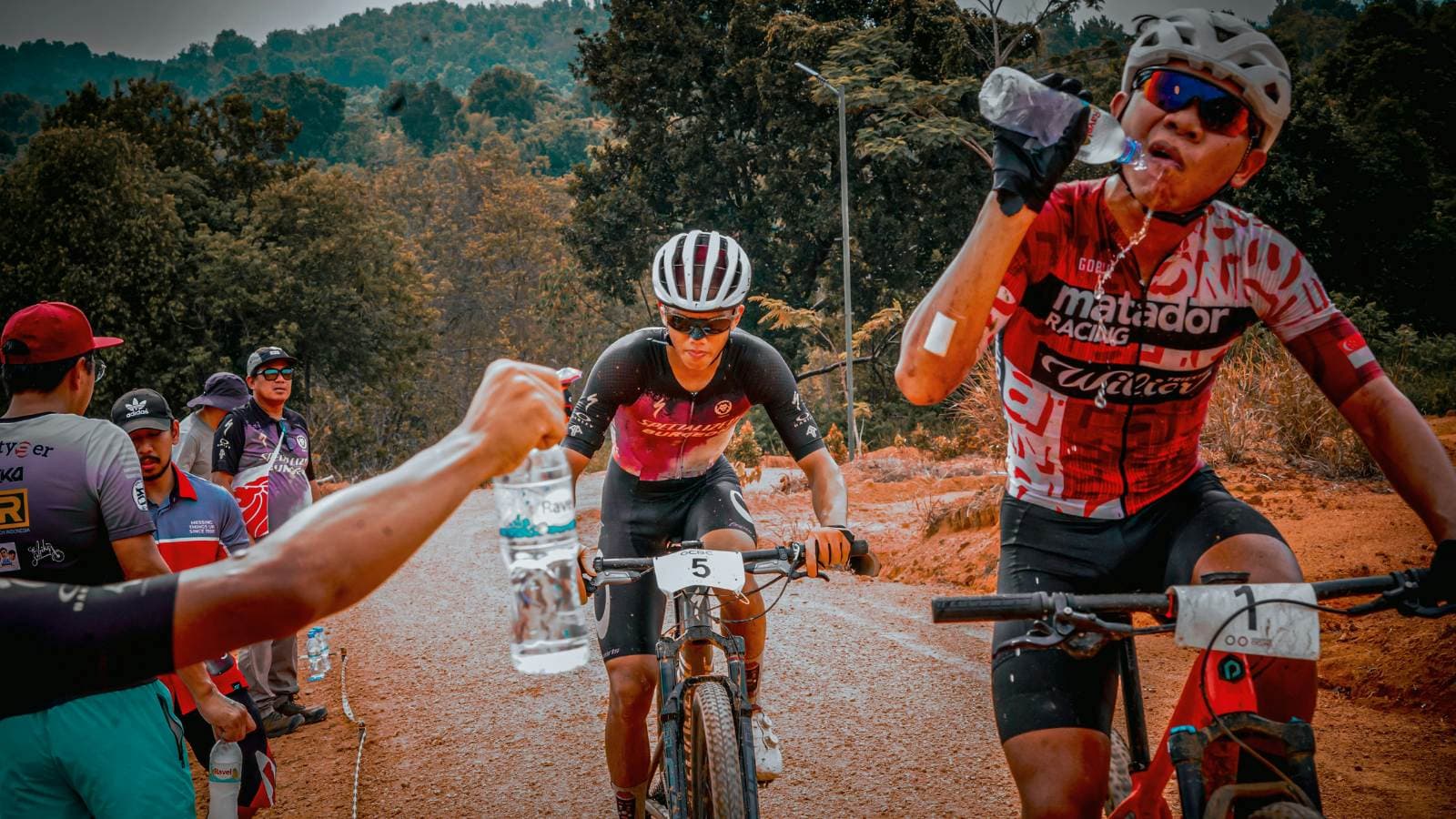
In Short
- Water may be enough for some shorter rides.
- Longer rides usually require a fueling plan as well as fluids.
- Sweat contains water and electrolytes, including sodium.
- Hot conditions generally increase fluid requirements.
- Carbohydrates help support longer cycling efforts.
- Sports drinks can provide fluid, carbohydrate, and electrolytes together.
- You do not need electrolytes in every bottle.
- Drinking excessive amounts of plain water can also cause problems.
- Hydration should be adjusted to the rider and conditions.
Water and Fueling Are Different Needs
Hydration and fueling are related, but they are not the same thing. Water helps replace fluid lost through sweat. Fuel provides energy to support working muscles during longer exercise. This means you can drink enough water and still run low on available carbohydrate. Cyclists should therefore consider cycling nutrition guide alongside hydration rather than assuming one bottle solves both requirements.
For longer rides, ask two separate questions:
- Am I drinking enough?
- Am I consuming enough fuel?
Both can affect how you feel late in the ride.
When Can Water Be Enough?
Plain water can work well for many shorter, lower intensity rides, particularly when conditions are cool and you begin properly hydrated and fueled. For example, an easy ride lasting around an hour may not require a sports drink for many cyclists. Individual needs still vary.
Factors to consider include:
- Ride duration.
- Exercise intensity.
- Temperature.
- Humidity.
- Sweat rate.
- Previous meals.
- Access to food.
- Personal tolerance.
Learning hydration strategy for cycling helps put these factors together instead of using one drinking rule for every ride.
Why Long Rides Change Your Needs?
Longer rides give sweat and energy losses more time to accumulate. You may begin feeling comfortable but gradually experience declining energy, increasing thirst, or greater cardiovascular strain. As duration increases, cyclists often need to consume carbohydrates during the ride. Foods, gels, bars, chews, or carbohydrate containing drinks can all contribute.
Understanding what to eat during long rides becomes particularly important because water cannot provide the energy needed to replace carbohydrate being used during prolonged cycling. Drinking and eating should work together.
What Electrolytes Do Cyclists Lose?
Sweat contains several electrolytes, with sodium being particularly relevant during prolonged exercise. The amount lost varies considerably between cyclists.
Some riders:
- Sweat heavily.
- Lose relatively large amounts of sodium.
- Develop visible salt marks on clothing.
- Ride frequently in hot conditions.
Others lose less. This is why there is no single electrolyte requirement that works for every cyclist. You do not need to replace every milligram of sodium lost during every ride, but longer and hotter sessions may require more attention to electrolyte intake.
Hot Weather Increases Fluid Needs
Temperature can dramatically change how much you sweat. A hydration strategy that works during a cool spring ride may be inadequate during a hot summer event.
Hot conditions can increase:
- Sweat rate.
- Fluid losses.
- Thirst.
- Cardiovascular strain.
- The importance of planning refill points.
Rather than using a fixed bottle target throughout the year, how much should you drink per hour when cycling in hot weather becomes useful when adjusting fluid intake to environmental conditions. Start rides hydrated rather than trying to correct a large deficit later.
Do You Need Sports Drinks?
Sports drinks can be convenient because they may provide several things at once:
- Fluid.
- Carbohydrate.
- Sodium.
- Other electrolytes.
They are not compulsory. Some cyclists prefer plain water while getting carbohydrates and sodium from food, gels, chews, or other products. Others find drinking some of their carbohydrate easier during long rides. Both approaches can work. Choose a strategy that meets your needs and is comfortable for your stomach.
Carbohydrates Matter on Long Rides
One of the biggest mistakes is assuming poor late ride performance is always caused by dehydration. Sometimes the problem is insufficient fuel. As stored carbohydrate becomes limited, power output can become harder to maintain. Severe energy depletion can contribute to bonking, where continuing at the intended effort becomes extremely difficult. Knowing what is bonking in cycling causes signs prevention helps distinguish an energy problem from simply being thirsty.
For long rides, begin fueling before you feel completely depleted.
Can You Drink Too Much Plain Water?
Yes. More water is not automatically better. Drinking excessively, particularly over many hours, can dilute blood sodium concentration. Exercise associated hyponatremia is a potentially serious condition and is one reason athletes should avoid forcing fluid far beyond their needs.
Do not treat hydration as a competition to consume the greatest possible volume.
Drink according to a sensible plan informed by conditions, duration, and your own needs rather than trying to finish a fixed number of bottles regardless of circumstances.
How Much Should You Drink?
There is no universal amount that every cyclist should drink each hour. Sweat rates vary substantially.
Your requirements can also change between:
- Indoor and outdoor riding.
- Summer and winter.
- Easy and hard sessions.
- Low and high humidity.
- Flat and mountainous routes.
A practical starting point is to pay attention to thirst, conditions, your usual sweat losses, and how you perform. Avoid finishing every ride severely dehydrated, but also avoid forcing excessive fluid.
Match Hydration to Ride Intensity
A long easy ride and a hard race can have different demands even if they last the same amount of time. Higher intensity generally increases carbohydrate use and may increase sweat production. Easy endurance sessions still require sensible hydration, but fueling requirements may differ depending on duration and goals. Many cyclists use easier riding to develop aerobic fitness, and what is zone 2 cycling helps define why a controlled endurance session should not automatically use the same nutrition strategy as a demanding race. Match intake to the work being performed.
Plan Before Leaving Home
Do not wait until you are thirsty and hungry to think about hydration.
Before a long ride, know:
- How many bottles you can carry.
- Where you can refill them.
- What food you will bring.
- Whether electrolytes are needed.
- What weather is expected.
- Approximately how long the ride will take.
For a moderate endurance session, how to fuel for a 2-hour cycling ride provides a useful starting point for combining pre ride food with intake on the bike. Longer rides require additional planning.
Practice Your Strategy in Training
Race day should not be the first time you use a new drink concentration or electrolyte product. Practice during training.
Pay attention to:
- Thirst.
- Energy levels.
- Stomach comfort.
- Bottle consumption.
- Weather.
- Ride intensity.
If a strategy repeatedly causes bloating, nausea, or excessive thirst, adjust it. Long distance riders can develop these habits while working on how to build endurance for long cycling races, allowing hydration and fueling skills to improve alongside physical fitness.
Indoor Riding Can Require More Drinking
Indoor cycling can produce substantial sweat losses because there is less natural airflow across the body. Fans can help, but some cyclists still sweat heavily indoors. Keep bottles within reach and pay attention to room temperature and ventilation. A short indoor session may only require water for many riders, while longer or harder workouts may justify carbohydrate and electrolytes. This is another reason hydration should be based on conditions rather than simply distance.
Do Not Forget Pre Ride Hydration
Your hydration strategy begins before the first pedal stroke. Starting significantly dehydrated means you are already trying to catch up. Drink normally during the hours before riding and pay attention to thirst. There is usually no need to consume enormous amounts of water immediately before leaving.
Food also contributes fluid and electrolytes. Eating appropriately beforehand through what to eat before cycling can support both energy availability and your overall preparation for a longer ride.
Signs Your Strategy May Need Adjusting
Review your hydration and fueling plan if you repeatedly experience:
- Strong thirst.
- Large energy drops.
- Headaches.
- Unusually poor performance.
- Stomach discomfort.
- Excessive drinking.
- Repeatedly running out of fluid.
- Difficulty eating late in rides.
These signs do not always have one cause. Look at hydration, fueling, pacing, temperature, and overall fitness together.
Common Mistakes
- Drinking only when already extremely thirsty.
- Assuming water provides fuel.
- Using the same hydration plan in every temperature.
- Drinking excessive plain water.
- Forgetting to plan refill points.
- Trying new drinks during an important event.
- Waiting until energy levels collapse before eating.
- Ignoring indoor sweat losses.
- Copying another cyclist’s exact fluid intake.
Practical Tips
- Start long rides normally hydrated.
- Carry enough fluid for the conditions.
- Plan refill opportunities.
- Add carbohydrates during longer sessions.
- Consider electrolytes when appropriate.
- Practice your strategy during training.
- Adjust intake in hot weather.
- Avoid forcing excessive water.
- Review what worked after long rides.
Actionable Takeaways
Water can be enough for some shorter, easier cycling sessions, especially in cool conditions. As duration, intensity, and temperature increase, cyclists often need a broader strategy. Think about fluid, carbohydrate, and electrolytes separately. Water replaces fluid, while food and carbohydrate drinks help provide energy, and electrolyte products can contribute sodium when appropriate.
There is no perfect bottle plan for every rider. Test your strategy during training and adjust it according to weather, sweat losses, ride duration, intensity, and personal tolerance.
FAQs
It can be in some conditions, but many cyclists also benefit from consuming carbohydrates during a two hour ride.
Electrolytes become more useful during longer rides, heavy sweating, and hot conditions.
Not necessarily. Your needs depend on ride duration, sweat losses, weather, diet, and individual preference.
There is no universal amount. Fluid intake should reflect your sweat rate, weather, intensity, duration, and thirst.
Yes. Excessive fluid intake can be harmful, particularly during prolonged exercise.
Sports drinks can be useful on longer rides because they may provide carbohydrate and electrolytes as well as fluid.
Carbohydrate intake is generally useful during prolonged cycling because it helps support energy availability and performance.