A smooth pedal stroke allows cyclists to transfer power more efficiently, waste less energy, and maintain a consistent rhythm over long rides. One of the simplest drills used to improve pedalling mechanics is the single leg cycling workout. By isolating one leg at a time, these workouts expose weaknesses that are often hidden during normal riding. Rather than making you stronger overnight, they improve coordination, muscle recruitment, and awareness of how force is applied throughout each pedal revolution.
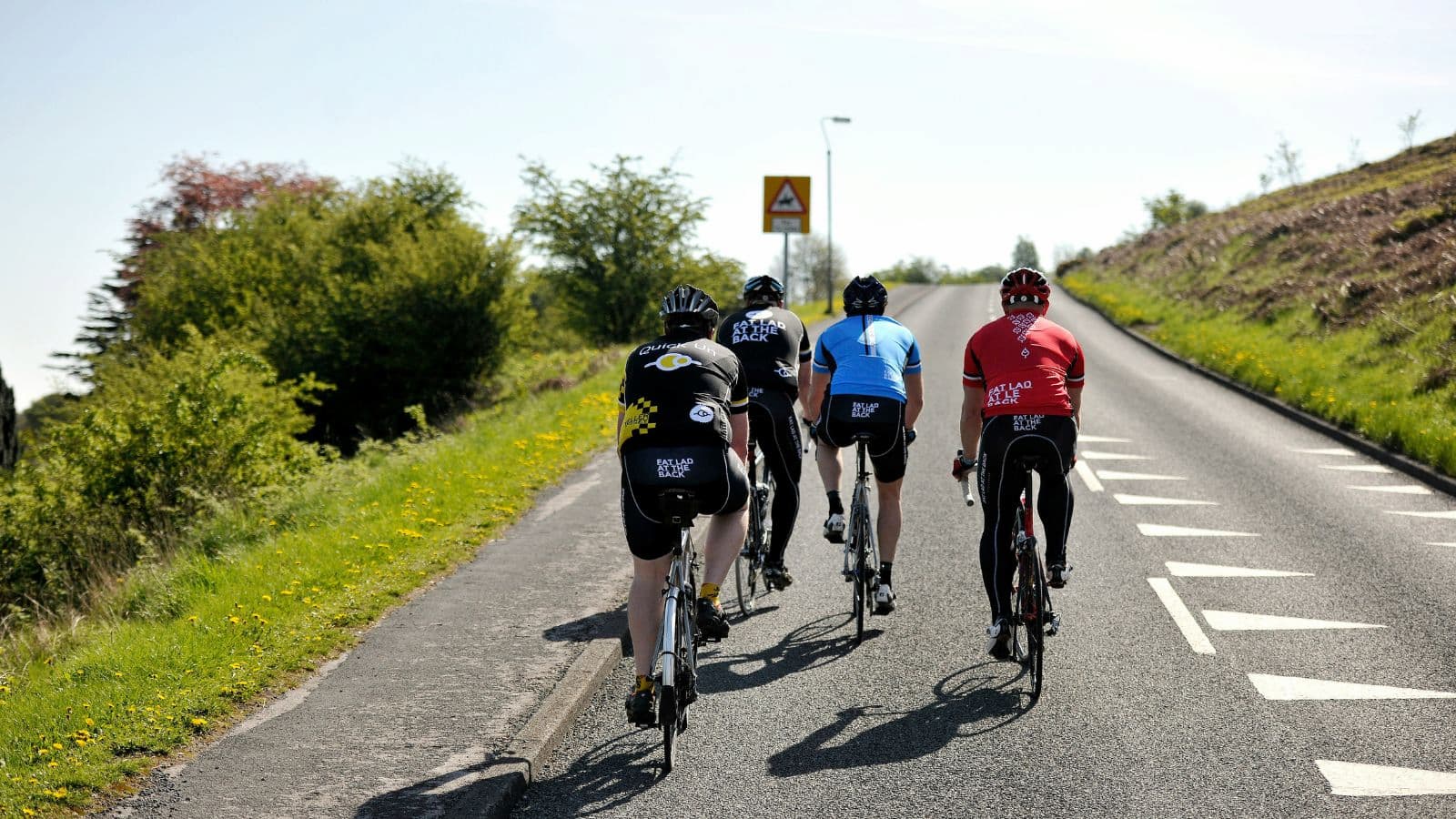
When combined with regular endurance and strength training, single leg drills can help cyclists pedal more smoothly and efficiently.
What Is a Single Leg Cycling Workout?
A single leg cycling workout involves pedalling with one leg while the opposite foot is unclipped or resting safely away from the pedal. The drill is usually performed:
- On an indoor trainer.
- At low resistance.
- With a comfortable cadence.
- For short intervals.
- While maintaining smooth movement.
Because balance demands are reduced indoors, you can concentrate entirely on the quality of your pedal stroke.
Why Pedal Stroke Efficiency Matters?
Every pedal revolution contains phases where many cyclists naturally lose power. Instead of producing smooth force throughout the entire circle, beginners often rely almost entirely on the downward push.
Improving efficiency can help:
- Reduce wasted movement.
- Improve rhythm.
- Delay muscular fatigue.
- Increase sustainable power.
- Make long rides feel easier.
Many riders notice these improvements after understanding cycling cadence explained, since cadence and pedal efficiency work together throughout every ride.
Single Leg Drills Highlight Dead Spots
One of the biggest benefits of single leg training is identifying “dead spots.” These occur when the pedal briefly loses momentum during the top or bottom of the pedal stroke. While riding with both legs these weaknesses are often hidden because one leg compensates for the other. Single leg drills make these inconsistencies obvious, allowing you to improve coordination over time.
Better Muscle Coordination
Efficient pedalling requires multiple muscle groups to work together.
Single leg workouts encourage better activation of:
- Hip flexors.
- Glutes.
- Quadriceps.
- Hamstrings.
- Calves.
- Core muscles.
The result is smoother movement rather than simply producing more force. Cyclists who combine these drills with how to develop a smoother pedal stroke in cycling often notice improved comfort during longer rides.
Improved Neuromuscular Control
Pedalling is a learned movement. Repeating smooth single leg revolutions helps train your nervous system to coordinate muscle activation more effectively.
Benefits include:
- Better timing.
- Improved rhythm.
- Greater control.
- More consistent force application.
- Fewer unnecessary movements.
These changes may appear subtle but become noticeable during sustained endurance riding.
Reduced Left-to-Right Imbalances
Many cyclists naturally favour one leg.
This imbalance can affect:
- Pedal smoothness.
- Power production.
- Fatigue.
- Comfort.
- Bike stability.
Training each leg individually helps identify differences in coordination that can gradually be reduced through practice.
Indoor Trainers Are Ideal
Single leg drills are safest on indoor trainers.
They allow you to focus entirely on technique without worrying about:
- Traffic.
- Corners.
- Balance.
- Road conditions.
- Sudden braking.
Many cyclists already incorporating how to start indoor cycling training as a beginner find single leg drills easy to include within indoor endurance sessions.
Improve Efficiency Before Increasing Power
Many riders focus immediately on producing higher power numbers. However, producing power efficiently is equally important. A smoother pedal stroke allows more of your effort to contribute to forward movement. Once coordination improves, higher-intensity sessions often become more productive. Cyclists can then build upon this foundation using how to increase your ftp, where efficient mechanics support sustained power improvements.
Single Leg Workouts Support Climbing
Climbing places greater emphasis on smooth, consistent force production. Jerky pedalling wastes energy and reduces traction on steep gradients. Improved coordination can help maintain momentum while climbing seated for longer periods. These benefits complement how to climb on a road bike for beginners, particularly during prolonged ascents.
They Encourage Better Core Stability
Although the focus is on your legs, single leg drills also challenge your core. A stable torso reduces unnecessary movement, allowing more energy to reach the pedals.
Good core stability helps:
- Maintain posture.
- Improve balance.
- Reduce upper-body movement.
- Support efficient pedalling.
Small improvements become increasingly valuable during long endurance rides.
How to Perform the Drill?
Keep the session simple.
A typical workout might include:
- Warm up for 10 to 15 minutes.
- Pedal with one leg for 30 to 60 seconds.
- Switch legs.
- Recover with both legs for one minute.
- Repeat four to six times.
Focus on smoothness rather than speed or power. Stop if your technique begins to deteriorate.
Common Mistakes
Avoid these common errors:
- Using excessive resistance.
- Pedalling too quickly.
- Pulling aggressively on the upstroke.
- Performing drills while fatigued.
- Completing sessions for too long.
- Ignoring discomfort.
- Performing the drill outdoors.
Technique should always take priority over intensity.
Combine With Structured Training
Single leg drills improve movement quality, but they shouldn’t replace regular cycling workouts.
For the best results combine them with:
- Endurance rides.
- Threshold intervals.
- Strength training.
- Recovery sessions.
- Cadence work.
Many cyclists pair them with how does sweet spot training improve cycling, allowing improved mechanics to support longer sustained efforts.
Long-Term Benefits
Like most technical skills, pedal stroke efficiency develops gradually.
Consistent practice may contribute to:
- Better endurance.
- Smoother cadence.
- Improved climbing.
- Reduced fatigue.
- More economical riding.
- Greater comfort during long rides.
Cyclists looking to ride further also benefit from how to pace a 100km or 100-mile bike ride, where efficient pedalling helps conserve energy over many hours.
Practical Tips
Keep these points in mind:
- Practise once or twice each week.
- Stay relaxed.
- Use light resistance.
- Prioritise smooth movement.
- Compare both legs.
- Finish before fatigue affects technique.
- Include drills during easier rides.
Small improvements repeated consistently often produce noticeable gains over time. Many riders also include what strength training should cyclists do to ride faster alongside technical drills, creating a balanced approach to improving both efficiency and power.
The Bottom Line
Single leg cycling workouts are valuable technique drills that improve coordination, pedal smoothness and awareness of your movement. While they won’t dramatically increase power on their own, they help eliminate inefficient pedalling habits that can limit long-term performance. When performed regularly and combined with structured training, single leg drills can contribute to a smoother, more economical pedal stroke that supports faster, more comfortable riding across every type of cycling.
FAQs
Not directly. They primarily improve coordination and pedal stroke efficiency, which may support better power production over time.
Yes. They help beginners recognise inefficient pedalling habits early in their cycling development.
Once or twice each week is usually enough to improve coordination without replacing other important training sessions.
Yes. Indoor trainers provide a safer and more controlled environment for practising technique.
Most cyclists benefit from intervals lasting between 30 and 60 seconds per leg.
Yes. Better pedal smoothness can improve momentum and efficiency during sustained climbs.
Clipless pedals make the drills easier, but the focus should remain on smooth movement rather than pulling aggressively upward.
No. Light resistance allows better focus on coordination and technique.