What you eat after a cycling workout plays a major role in recovery, energy restoration, and long-term performance. Even after a one-hour ride, your body has used glycogen, stressed muscle tissue, and lost fluids through sweat. Proper post-ride nutrition helps you recover faster, maintain energy levels, and prepare for your next session.
The good news is that recovery nutrition does not need to be overly complicated. The key is understanding how to balance carbohydrates, protein, hydration, and timing so your body can recover efficiently without unnecessary restriction or overeating.
Why Post-Ride Nutrition Matters?
Cycling places physical stress on the muscles and energy systems. During even moderate-intensity riding, the body uses stored carbohydrates for fuel and breaks down muscle tissue that later needs repairing.
Eating properly after a ride helps:
- Restore glycogen stores
- Support muscle repair
- Reduce fatigue
- Improve recovery
- Prepare for future training sessions
Without adequate recovery nutrition, cyclists often experience slower recovery, reduced training quality, and persistent fatigue over time. This becomes especially important during frequent training blocks, similar to recovery principles discussed in sleep that cyclists need for recovery, where adaptation depends on proper recovery habits.
Do You Need to Eat After Every One-Hour Ride?
Most cyclists benefit from some form of recovery nutrition after a one-hour ride, especially if the session included:
- Intervals
- Climbing
- High intensity
- Indoor training
- Back-to-back training days
Easy recovery rides may not require large meals immediately afterward, but harder one-hour sessions still create meaningful energy and recovery demands.
The Importance of Carbohydrates After Cycling
Carbohydrates are the body’s main fuel source during moderate and hard cycling efforts. After a workout, glycogen stores need replenishing to support recovery and future performance.
Good post-ride carbohydrate sources include:
- Rice
- Potatoes
- Fruit
- Oats
- Wholegrain bread
- Pasta
Carbohydrates are particularly important after harder sessions or when training again within the next 24 hours. Proper fueling strategies also play a major role during rides themselves, similar to approaches discussed in fueling for a 2-hour cycling ride, where consistent energy intake supports endurance performance.
Protein Supports Muscle Recovery
Protein helps repair muscle tissue stressed during training. Including protein after cycling improves recovery and supports adaptation over time.
Most cyclists benefit from around:
20–30g of protein after training
Good protein options include:
- Eggs
- Greek yogurt
- Chicken
- Fish
- Protein shakes
- Tofu
Combining protein with carbohydrates generally produces better recovery results than either alone.
Hydration Still Matters After Shorter Rides
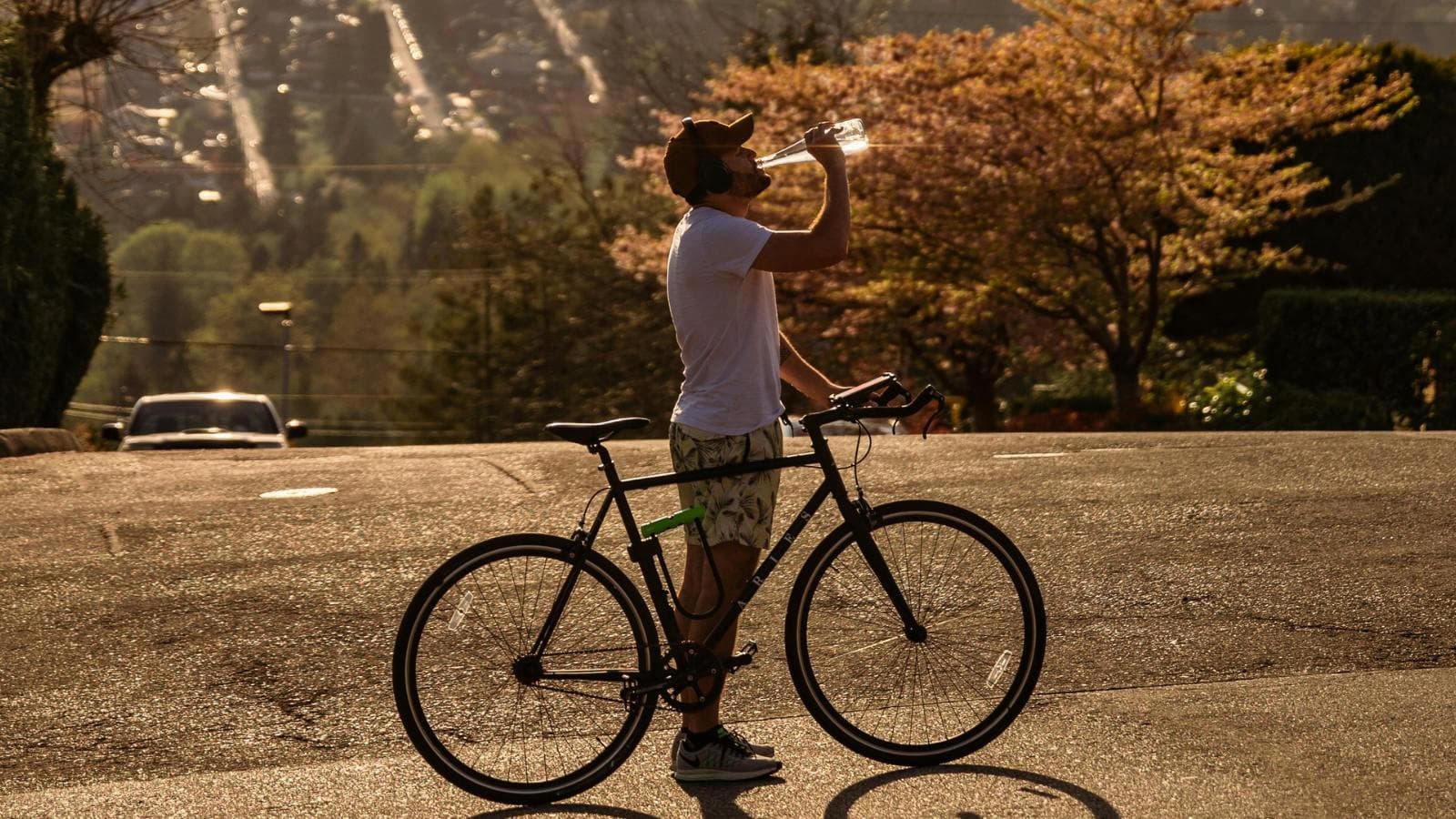
Many cyclists underestimate fluid loss during one-hour workouts, especially indoor sessions or hot-weather riding. Rehydrating after training supports circulation, recovery, and energy levels.
A good approach is:
- Drink water steadily after the ride
- Replace electrolytes if sweat loss was significant
This becomes even more important in warm conditions, similar to strategies discussed in hydration strategy for cycling, where hydration strongly affects performance and recovery.
Best Post-Ride Meal Ideas
A good post-cycling meal should combine carbohydrates, protein, and fluids without being overly complicated.
Examples include:
- Chicken and rice bowl
- Greek yogurt with fruit and oats
- Eggs on wholegrain toast
- Smoothie with banana, berries, and protein
- Pasta with lean protein and vegetables
The exact meal matters less than consistently covering recovery basics.
What if You Train Early in the Morning?
Morning cyclists sometimes skip recovery meals because they are rushing to work or other commitments. However, post-ride nutrition remains important even after early sessions.
Quick options may include:
- Protein smoothies
- Overnight oats
- Yogurt with fruit
- Toast with eggs or nut butter
Simple meals are often enough to support recovery effectively.
Timing Matters, But Not Perfectly
There is no need to panic about eating immediately after a ride, but recovery nutrition is generally most effective within the first few hours after training.
Eating sooner helps:
- Replenish glycogen more efficiently
- Support muscle repair
- Reduce excessive hunger later
Consistency matters more than obsessing over an exact “anabolic window.”
Indoor Cycling Often Requires More Recovery Attention
Indoor cycling sessions frequently produce concentrated fatigue because there is less coasting and recovery compared to outdoor riding. Sweat loss is often higher indoors too.
This means indoor workouts may require more careful attention to:
- Hydration
- Carbohydrate replacement
- Electrolytes
Managing recovery properly also helps reduce fatigue accumulation, similar to principles discussed in eating during long rides, to avoid bonking in cycling where poor recovery habits increase long-term fatigue risk.
Should You Eat Differently After Easy vs Hard Rides?
Yes. Recovery nutrition should reflect training demands.
- After easier one-hour rides:
- Smaller balanced meals are usually enough
- After harder or interval sessions:
- Higher carbohydrate intake becomes more important
Matching nutrition to workload improves recovery without unnecessary overeating.
Avoid Restrictive Recovery Habits
Some cyclists avoid eating after rides because they believe it helps weight loss. However, under-fueling often reduces recovery quality, increases fatigue, and harms long-term performance.
Recovery nutrition should support training adaptation rather than fight against it.
Recovery Nutrition Supports Consistency
The goal of post-workout nutrition is not just recovering from one ride, it is supporting consistent training over time.
Better recovery helps cyclists:
- Train more consistently
- Maintain higher-quality sessions
- Reduce fatigue accumulation
- Support immune function
This consistency becomes especially important during structured endurance training, similar to approaches discussed in strength training that cyclists should do to ride faster, where recovery supports adaptation and long-term performance gains.
Avoid Common Post-Ride Nutrition Mistakes
- Skipping recovery meals completely
- Only eating protein without carbohydrates
- Ignoring hydration
- Overeating highly processed foods
- Under-fueling after hard rides
Avoiding these mistakes improves both recovery and overall energy levels.
Practical Post-Cycling Nutrition Tips
- Eat a mix of carbohydrates and protein
- Rehydrate steadily after the ride
- Adjust food intake based on ride intensity
- Use simple meals you can prepare consistently
- Prioritise recovery after hard sessions
- Avoid excessive restriction after training
What You Should Do?
Start by building a simple and sustainable recovery routine after cycling sessions. Aim to include carbohydrates, protein, and fluids within a few hours of training without overcomplicating the process.
Pay particular attention to recovery after harder rides or indoor workouts where fatigue and sweat loss are often greater. Supporting your recovery with consistent habits, like strategies discussed in eating after a hard cycling workout, helps improve both endurance and long-term training consistency.
The best recovery nutrition plan is usually not the most extreme or complicated. It is the one you can follow consistently while supporting energy, recovery, and performance over time.
FAQs
Yes, protein helps repair muscles and supports recovery after training.
You do not need to eat instantly, but recovery nutrition within a few hours is helpful.
Yes, carbohydrates help restore glycogen and improve recovery.
Meals like rice with chicken, yogurt with fruit, or eggs on toast work well.
Often yes, because indoor sessions can increase sweat loss and fatigue.
Very easy rides may require less recovery nutrition, but regular under-fueling is not ideal.
Around 20–30g is usually enough for most cyclists.
Yes, fluid replacement still supports recovery and performance.